

Thrombolysis for Ischemic Stroke: What to Expect From Clot-Busting Treatment

Thrombolysis is used for ischemic stroke, not for bleeding in the brain. Time matters: the sooner treatment begins, the better the chance of benefit.
Key Takeaways
- Thrombolysis is used for ischemic stroke, not for bleeding in the brain.
- Time matters: the sooner treatment begins, the better the chance of benefit.
- Doctors use brain imaging and medical history to decide if thrombolysis is safe.
- The main risk is bleeding, so careful screening and monitoring are essential.
- Thrombolysis is often one part of stroke care and may be followed by other treatments and rehabilitation.
Thrombolysis for ischemic stroke is an emergency treatment that uses medicine to dissolve a blood clot blocking blood flow to the brain. When used in carefully selected patients and given quickly, it can improve recovery and lower the risk of long-term disability.
Overview
Thrombolysis for ischemic stroke is a time-sensitive treatment used to dissolve a blood clot that is blocking an artery in the brain. Ischemic stroke happens when blood flow to part of the brain is interrupted, depriving brain cells of oxygen and nutrients. Thrombolytic medicine, sometimes called a clot-busting drug, may reopen the blocked vessel and restore circulation.
This treatment is not appropriate for every stroke. It is used only after doctors confirm that the stroke is ischemic rather than caused by bleeding. Brain imaging and a rapid medical assessment help the team decide whether the potential benefits outweigh the risks for the individual patient.
For many people, thrombolysis is given through a vein in the arm in the emergency department or stroke unit. In selected cases, other procedures may also be considered, especially when a larger artery is blocked. Because stroke care is highly time dependent, anyone with sudden stroke symptoms needs urgent medical attention without waiting to see if symptoms improve.
How thrombolysis works and when it is used
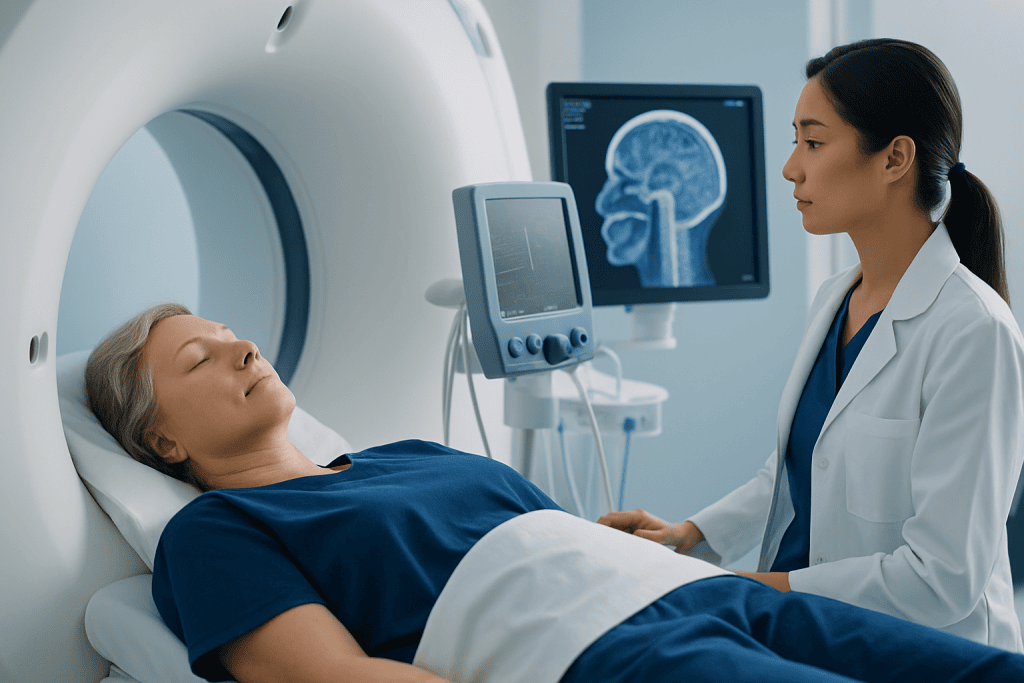
Thrombolytic medicine works by breaking down fibrin, a key protein that helps hold a blood clot together. By dissolving the clot, the medicine may allow blood to flow back to the affected part of the brain. This can limit brain injury and improve the chance of preserving speech, movement, memory, and other important functions.
The most commonly used approach is intravenous thrombolysis, often referred to as tPA or alteplase in everyday discussion, although the exact medicine may vary by hospital and country. The treatment is used within a limited time window from when symptoms began or when the person was last known to be well. In some situations, advanced imaging may help doctors decide whether treatment is still possible later in the course.
Thrombolysis does not replace all other stroke treatments. Some patients with a large-vessel blockage may also need a catheter-based procedure to remove the clot mechanically. In this setting, thrombolysis may be used before or alongside interventional neuroradiology procedures if the patient is eligible.
Even when thrombolysis is recommended, the decision is individualized. Age alone does not automatically exclude a person, but doctors carefully consider bleeding risk, recent surgery, blood-thinning medicines, uncontrolled high blood pressure, and other medical factors before proceeding.
Symptoms that may lead to emergency stroke treatment

The symptoms of ischemic stroke usually begin suddenly. Common warning signs include weakness or numbness on one side of the face or body, trouble speaking or understanding speech, sudden vision loss or double vision, severe imbalance, dizziness, or difficulty walking. Some people also develop sudden confusion or a severe headache, although headache alone does not confirm stroke.
A simple way to remember major stroke warning signs is FAST: Face drooping, Arm weakness, Speech difficulty, Time to call emergency services. If any of these signs appear, it is important to seek immediate help rather than driving oneself or waiting for them to pass. Rapid transport to a hospital with stroke expertise can make a meaningful difference.
Not every sudden neurological symptom is caused by stroke. Seizures, migraine, low blood sugar, and other conditions can sometimes look similar. Because of this, doctors assess symptoms quickly and use tests to confirm the diagnosis before giving thrombolysis.
People who have experienced a stroke before may recognize the symptoms, but first-time events are also common. Any sudden loss of normal brain function should be treated as a medical emergency until proven otherwise.
Who may or may not be eligible
Eligibility for thrombolysis depends on several factors. Doctors usually look at when symptoms started, the severity and pattern of symptoms, brain imaging results, current medications, and medical history. The main goal is to identify patients who are likely to benefit while reducing the chance of serious complications.
In general, thrombolysis may be considered for adults with a confirmed ischemic stroke who arrive within the accepted treatment window and who do not have signs of bleeding in the brain. A person may not be eligible if imaging shows a hemorrhagic stroke, if symptoms are caused by another condition, or if the risk of dangerous bleeding is too high.
Reasons a patient may not be suitable can include recent major surgery, active internal bleeding, certain bleeding disorders, very high blood pressure that cannot be controlled promptly, or recent head trauma. Use of blood thinners does not always rule out treatment, but it requires very careful evaluation and sometimes laboratory testing.
Families often worry if a loved one cannot receive thrombolysis. In many cases, this does not mean treatment has failed to begin. The stroke team may recommend other evidence-based measures such as close monitoring, medications to prevent further clots, stroke rehabilitation, or endovascular procedures when appropriate.
What to expect in the hospital
When a person arrives at the hospital with possible stroke symptoms, the team moves quickly. Vital signs are checked, blood sugar is measured, and a focused neurological examination is performed. Brain imaging, usually a CT scan and sometimes additional vascular imaging, is used to distinguish ischemic stroke from bleeding and to look for blocked vessels.
If the patient appears eligible, the doctor explains the expected benefits and risks of thrombolysis and treatment begins as soon as possible. The medicine is typically given through an intravenous line. During and after infusion, nurses and doctors monitor blood pressure, neurological status, and any signs of bleeding or worsening symptoms.
After treatment, the patient is usually cared for in a stroke unit or intensive monitoring setting. Repeat examinations help the team assess response. Follow-up imaging may be performed to check for bleeding or to evaluate the stroke area, especially if symptoms change.
Recovery after thrombolysis varies. Some people improve quickly within hours, while others recover more gradually over days to weeks. Additional care may include swallowing assessment, prevention of complications, and a plan for physical therapy and rehabilitation if movement, balance, or daily activities have been affected.
Benefits, risks, and possible side effects
The main benefit of thrombolysis is the chance to reopen a blocked artery early enough to save threatened brain tissue. In suitable patients, this can improve independence and reduce long-term disability. The benefit is generally greatest when treatment starts as early as possible after symptoms begin.
The most important risk is bleeding, including bleeding in the brain. This is why doctors screen carefully before treatment and monitor closely afterward. Not every patient will improve after thrombolysis, and in some cases the clot does not dissolve enough to restore good blood flow.
Other possible side effects can include allergic-type reactions, swelling, low blood pressure, or bleeding elsewhere in the body. The medical team watches for these complications and treats them promptly if they occur. Patients are usually advised to avoid certain medications or invasive procedures for a period after thrombolysis unless the care team decides they are necessary.
Even when thrombolysis is successful, it does not remove the underlying cause of stroke. Doctors continue evaluating why the stroke happened, such as atrial fibrillation, carotid artery disease, small-vessel disease, or other vascular problems. This step is important for preventing another event and may include assessment for carotid artery disease when clinically relevant.
Prevention, recovery, and follow-up care
After the emergency phase, stroke care focuses on recovery and prevention. Many patients need a tailored plan that may include antiplatelet or anticoagulant medication, blood pressure control, cholesterol management, diabetes care, and treatment of heart rhythm problems. Lifestyle measures such as quitting smoking, regular activity, a balanced diet, and limiting alcohol can also support long-term brain and vascular health.
Rehabilitation is often a key part of recovery. Depending on the symptoms, this may involve physical therapy, occupational therapy, speech and language therapy, or cognitive rehabilitation. The goal is to help the person regain function, adapt to any lasting changes, and return as much as possible to daily life.
Follow-up appointments help monitor recovery, review test results, and adjust the prevention plan. Family members and caregivers often play an important role by helping the patient take medicines correctly, attend therapy, and recognize any new warning signs. Emotional changes such as anxiety, low mood, or frustration are common after stroke and should be discussed openly with the care team.
People with questions about advanced diagnosis, acute treatment, and recovery planning may benefit from a specialist stroke center. At Acibadem International, multidisciplinary specialists in JCI-accredited hospitals diagnose and treat stroke for international patients, with care plans based on the patient’s condition and stage of recovery.
When to seek urgent medical care
Urgent medical help is needed for any sudden signs of stroke, even if they seem mild or improve within minutes. Temporary symptoms can signal a transient ischemic attack, which is a warning sign of future stroke and still needs prompt evaluation. It is safest to call emergency services immediately.
After thrombolysis, patients and families should seek urgent medical attention if there is severe headache, repeated vomiting, sudden drowsiness, new weakness, worsening speech, chest pain, breathing difficulty, or any heavy bleeding. These symptoms do not always mean a serious complication has occurred, but they require prompt assessment.
It is also important to contact a doctor if recovery is slower than expected, swallowing becomes difficult, falls occur, or mood and memory changes are interfering with daily life. Early support can reduce complications and improve quality of life.
Because stroke is an emergency, quick action is one of the most important parts of treatment. The earlier a patient reaches the hospital, the more options may be available, including thrombolysis and other time-sensitive therapies.
Frequently asked questions
What is thrombolysis for ischemic stroke?
Thrombolysis for ischemic stroke is an emergency treatment that uses medicine to dissolve a clot blocking blood flow to part of the brain. It is used only after doctors confirm that the stroke is caused by a blockage rather than bleeding.
How soon does thrombolysis need to be given?
It needs to be given as quickly as possible after symptoms start because the benefit is usually greater earlier in the course of stroke. Doctors follow established time windows and may use imaging to help decide if a patient is still eligible.
Is thrombolysis the same as surgery?
No. Thrombolysis usually means giving clot-dissolving medicine through a vein. Some patients may also need a separate catheter-based procedure to remove a clot, but that is different from intravenous thrombolysis.
What are the main risks of thrombolysis?
The most important risk is bleeding, especially bleeding in the brain. Doctors reduce this risk by checking brain scans, reviewing medications and medical history, and monitoring the patient closely during and after treatment.
Can someone receive thrombolysis if they take blood thinners?
Sometimes, but it depends on the specific medicine, timing of the last dose, lab results, and the overall bleeding risk. The stroke team will assess this carefully before deciding whether thrombolysis is safe.
What happens if a patient is not eligible for thrombolysis?
The patient can still receive urgent stroke care, which may include other medicines, close monitoring, treatment of the cause of stroke, and in some cases a clot-removal procedure. Rehabilitation and prevention planning remain important parts of care.
References
- World Stroke Organization
- American Heart Association
- National Institute of Neurological Disorders and Stroke
- Centers for Disease Control and Prevention
- European Stroke Organisation
This article is for general information only and is not a substitute for professional medical advice. Please consult a qualified doctor about your individual situation.
Explore treatments in Turkey — costs, top hospitals & a free quote
JCI-accredited · board-certified surgeons · reply within 24h
Add us as a Preferred Source to see more of our trusted health content across Google Search, AI Overviews and Discover.
Check your numbers in seconds
BMI, calories, due date, blood pressure and 30+ more clinical calculators — free, instant, doctor-reviewed ranges.

More from the Health Library



Related Specialists

Dr. Baha Celal Doğan
Gynecology & Obstetrics
Dr. Yakup Sabri Ariker
Pediatrics
Prof. Dr. Özge Gümüşay
Medical Oncology
Asst. Prof. Dr. Neval Yurttutan Uyar
Clinical Laboratory