Thymus: A Complete Medical Overview

The thymus helps the body develop T cells, which are essential for immune defense. It is most active in childhood and gradually becomes smaller and fattier with age.
Key Takeaways
- The thymus helps the body develop T cells, which are essential for immune defense.
- It is most active in childhood and gradually becomes smaller and fattier with age.
- Most people do not feel their thymus, but problems can be found on imaging or through symptoms caused by related conditions.
- Thymus disorders include thymoma, thymic hyperplasia, cysts, and associations with autoimmune diseases such as myasthenia gravis.
- Evaluation may involve blood tests, CT or MRI scans, and sometimes biopsy or surgery.
- Prompt medical review is important for chest symptoms, unexplained muscle weakness, or an abnormal thymus seen on imaging.
The thymus is a small gland in the upper chest that plays a key role in training the immune system, especially early in life. Although it naturally shrinks with age, the thymus can still be involved in important conditions such as thymoma, thymic hyperplasia, and autoimmune disease.
What the Thymus Is and Why It Matters
The thymus is a small organ located behind the breastbone and in front of the heart, in an area called the anterior mediastinum. Its main job is to help the immune system mature by supporting the development of T lymphocytes, also called T cells. These cells help the body recognize infections and respond in a balanced way.
The thymus is especially important in infancy, childhood, and adolescence. During these years, it acts like a training center where immature immune cells learn how to distinguish the body’s own tissues from harmful invaders. This process supports normal immunity and helps reduce the chance of inappropriate immune reactions.
As a person gets older, the thymus naturally becomes smaller and is gradually replaced by fatty tissue. This age-related change is normal and does not usually cause symptoms. Even so, the thymus remains medically important because certain tumors, enlargement, cysts, and autoimmune conditions can involve this gland.
How the Thymus Supports the Immune System
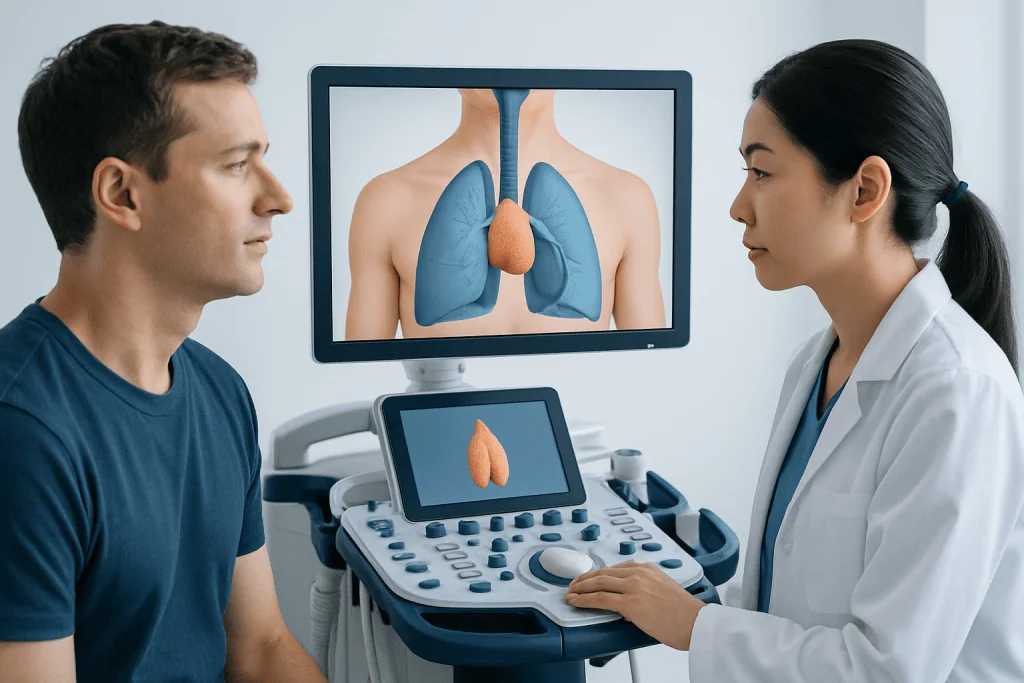
The thymus is part of the lymphatic and immune system. Bone marrow produces early lymphocyte cells, and some of these travel to the thymus to mature into T cells. Inside the thymus, they go through a careful selection process so they can respond to threats while being less likely to attack healthy tissues.
This immune education is one reason the thymus is considered a central immune organ. Proper T-cell development helps the body fight viruses, fungi, and some other pathogens. It also contributes to immune memory and the regulation of inflammation.
When thymus function is abnormal, immune problems may occur. In some cases, the issue is congenital and present from birth. In others, the thymus is linked to autoimmune disease, where the immune system mistakenly targets the body’s own cells. One of the best-known examples is myasthenia gravis, a condition that can be associated with thymic enlargement or thymoma.
Common Thymus Conditions and Related Symptoms

Several conditions can affect the thymus. These include thymic hyperplasia, which means enlargement of the gland; thymic cysts, which are fluid-filled sacs; thymoma, a tumor arising from thymic cells; and the less common but more aggressive thymic carcinoma. Some thymus abnormalities are discovered incidentally during a chest scan done for another reason.
Many people with a thymus condition have no direct symptoms from the gland itself. When symptoms do occur, they may be caused by pressure on nearby structures in the chest. Possible symptoms include chest discomfort, cough, shortness of breath, or trouble swallowing. If the mass affects nearby nerves or blood vessels, symptoms can be more noticeable.
The thymus is also clinically important because of its connection to autoimmune disorders. People with thymoma may develop muscle weakness, drooping eyelids, double vision, or tiring easily due to associated myasthenia gravis. Less commonly, thymus disorders may be linked with other immune or blood-related problems. Because these symptoms can overlap with many other conditions, a careful medical evaluation is needed.
- Thymic hyperplasia: enlarged thymus, sometimes linked to autoimmune disease
- Thymoma: usually slow-growing tumor of the thymus
- Thymic carcinoma: rarer and typically more aggressive than thymoma
- Thymic cyst: often benign and sometimes found by chance
Causes, Risk Factors, and Normal Age-Related Changes
In many cases, there is no single clear cause for a thymus disorder. Thymoma and thymic carcinoma develop from cells of the thymic epithelium, but why they form is not always known. Unlike some cancers, there is not one widely recognized lifestyle factor that explains most thymus tumors.
Autoimmune conditions are an important clinical association. Myasthenia gravis is the best known, but thymus abnormalities may also be seen with other immune-mediated diseases. Doctors may therefore consider the thymus when someone has unexplained neuromuscular symptoms or signs of an immune disorder.
It is also important to distinguish disease from normal anatomy. In children and young adults, the thymus can look relatively prominent on imaging and still be entirely normal. After stress, infection, chemotherapy, or steroid changes, the thymus may temporarily change in size. Radiologists interpret these findings in context so that a healthy thymus is not mistaken for a harmful mass.
How Doctors Diagnose Thymus Problems
Diagnosis starts with a medical history and physical examination. The doctor will ask about chest symptoms, breathing problems, swallowing difficulty, and signs of autoimmune disease such as fluctuating muscle weakness. If a thymus-related problem is suspected, imaging is usually the next step.
Chest X-ray may show a mediastinal shadow, but computed tomography is often more useful for defining the size, shape, and exact location of a thymus mass. In some cases, magnetic resonance imaging can help distinguish normal thymic tissue, enlargement, cysts, or tumor. Depending on the situation, additional blood tests may be used to look for autoimmune markers or related conditions.
Sometimes a tissue sample is needed, but not every thymic mass is biopsied before treatment. The decision depends on how the lesion looks on scans and whether surgery is already planned. If doctors suspect a tumor, they may discuss biopsy or proceed directly to thymectomy in selected cases. The final diagnosis is confirmed by pathology after tissue examination.
Treatment Options for Thymus Disorders
Treatment depends on the exact diagnosis. A normal thymus or a benign-appearing, stable finding may only need observation. Thymic cysts can sometimes be monitored, while symptomatic or uncertain lesions may need removal. The treatment plan also depends on whether the condition is causing symptoms, pressing on nearby organs, or associated with autoimmune disease.
Surgery is a main treatment for many thymomas and some other thymic masses. Removal of the thymus may be recommended both to treat a tumor and, in some patients, as part of the management of myasthenia gravis. This is often called thoracic surgery when performed through a chest surgery approach, and the exact technique depends on the person’s anatomy and diagnosis.
Some patients also need additional therapy such as radiation therapy or systemic treatment, particularly if the tumor is advanced, invasive, or more aggressive in appearance. If a thymus condition is linked to autoimmune symptoms, treatment may also include medicines that regulate immunity or improve nerve-muscle signaling. Care is often planned by a multidisciplinary team that may include chest surgeons, neurologists, oncologists, radiologists, and pathologists.
Living Well With a Thymus Condition
Many people are understandably concerned when they hear that there is a mass in the chest or a problem involving the immune system. In practice, thymus conditions vary widely. Some are benign and simply monitored over time, while others are treatable with surgery or combined therapies. Clear diagnosis is the most important first step.
Self-care should focus on general health and on following the treatment plan. People with associated autoimmune disease may benefit from pacing activities, noting symptom triggers, and attending regular follow-up visits. It is also helpful to keep a record of new symptoms, medications, and imaging results so that care remains coordinated across specialties.
Near the end of the evaluation or treatment journey, some patients seek care in centers with coordinated thoracic, neurology, and oncology expertise. Acibadem International’s multidisciplinary specialists and JCI-accredited hospitals diagnose and treat thymus conditions for international patients when advanced assessment or treatment planning is needed.
When to Seek Medical Care
Medical care is advisable if there is persistent chest pain, ongoing cough, unexplained shortness of breath, or trouble swallowing. These symptoms are common and can have many causes, but they should not be ignored, especially if they persist or worsen. An abnormal thymus seen on a chest scan also deserves professional review.
Prompt evaluation is particularly important if there is muscle weakness that fluctuates during the day, drooping eyelids, double vision, trouble speaking, or difficulty chewing and swallowing. These can be signs of myasthenia gravis, which may be associated with the thymus and may require specialist care. Emergency care is needed for severe breathing difficulty or rapidly worsening swallowing problems.
If a thymus tumor is diagnosed, doctors may assess whether it relates to broader chest conditions and whether additional cancer evaluation is needed, including review alongside lung cancer or other mediastinal conditions when imaging findings overlap. Early assessment can help clarify the diagnosis and guide the most appropriate next step.
Frequently asked questions
What does the thymus do?
The thymus helps immature immune cells develop into T cells, which are essential for fighting infections and regulating immune responses. It is most active during childhood and becomes less prominent with age.
Where is the thymus located?
The thymus sits in the upper chest behind the breastbone and in front of the heart. This area is called the anterior mediastinum.
Is it normal for the thymus to shrink with age?
Yes. The thymus naturally becomes smaller and is gradually replaced by fatty tissue as people get older. This is a normal process and usually does not cause symptoms.
Can you live without a thymus?
Yes, many people can live without a thymus, especially after childhood when much of T-cell development has already taken place. However, the reason for removal and the person's overall immune health still matter, so follow-up care is important.
What is the difference between thymoma and thymic carcinoma?
Both are tumors that arise in the thymus, but thymoma is often slower growing and may behave less aggressively. Thymic carcinoma is rarer and tends to be more invasive, so it may require more complex treatment.
Does an enlarged thymus always mean cancer?
No. The thymus can appear enlarged for several non-cancerous reasons, including normal age-related appearance in younger people, thymic hyperplasia, or temporary changes after illness or treatment. Imaging and sometimes further testing help determine the cause.
When should someone see a doctor about the thymus?
A doctor should evaluate persistent chest symptoms, unexplained breathing or swallowing problems, or an abnormal thymus seen on imaging. Medical review is also important for fluctuating muscle weakness, drooping eyelids, or double vision because these symptoms can be linked to thymus-related autoimmune disease.
References
- National Cancer Institute
- National Institute of Allergy and Infectious Diseases
- American Cancer Society
- Merck Manual Consumer Version
- Mayo Clinic
This article is for general information only and is not a substitute for professional medical advice. Please consult a qualified doctor about your individual situation.
Explore treatments in Turkey — costs, top hospitals & a free quote
JCI-accredited · board-certified surgeons · reply within 24h
Add us as a Preferred Source to see more of our trusted health content across Google Search, AI Overviews and Discover.