Thyroglobulin Antibody: What Patients Need to Know

A thyroglobulin antibody result shows whether the immune system is reacting to a thyroid protein called thyroglobulin. A positive result can be seen in autoimmune thyroid conditions, but it may also occur in people without clear thyroid disease.
Key Takeaways
- A thyroglobulin antibody result shows whether the immune system is reacting to a thyroid protein called thyroglobulin.
- A positive result can be seen in autoimmune thyroid conditions, but it may also occur in people without clear thyroid disease.
- Doctors usually interpret thyroglobulin antibody together with TSH, free T4, and often thyroid peroxidase antibodies.
- The test can also be important in follow-up for some people treated for thyroid cancer because antibodies may affect thyroglobulin measurement.
- Treatment is based on the underlying thyroid condition and symptoms, not on the antibody level alone.
- Medical review is important if antibody results are accompanied by symptoms, a neck lump, or abnormal thyroid hormone tests.
Thyroglobulin antibody is a thyroid-related blood test marker that may suggest autoimmune activity, but it does not diagnose a condition on its own. Results are most useful when interpreted together with thyroid hormone tests, symptoms, physical examination, and sometimes thyroid ultrasound.
Overview: what thyroglobulin antibody means
Thyroglobulin antibody is a blood test marker that shows whether the immune system is making antibodies against thyroglobulin, a protein produced by the thyroid gland. The thyroid uses thyroglobulin as part of the process of making thyroid hormones, which help regulate energy use, body temperature, heart rate, and many other body functions.
When thyroglobulin antibodies are present, it may suggest autoimmune activity involving the thyroid. In autoimmune conditions, the immune system mistakenly reacts to the body’s own tissues. A positive result can be seen in disorders such as Hashimoto thyroiditis and sometimes in Graves’ disease, but the result alone does not confirm a diagnosis.
This point is important for patients: a thyroglobulin antibody result is not the same as a thyroid hormone result. It does not directly show whether the thyroid is underactive, overactive, or working normally. Instead, it provides one piece of information that must be interpreted alongside thyroid-stimulating hormone (TSH), free T4, symptoms, examination findings, and sometimes imaging.
Thyroglobulin antibodies may also matter in a different clinical setting: follow-up after treatment for differentiated thyroid cancer. In some patients, these antibodies can interfere with measurement of thyroglobulin, a tumor marker used after treatment. For that reason, doctors may order both tests together in selected cases.
How the test is used in patient care
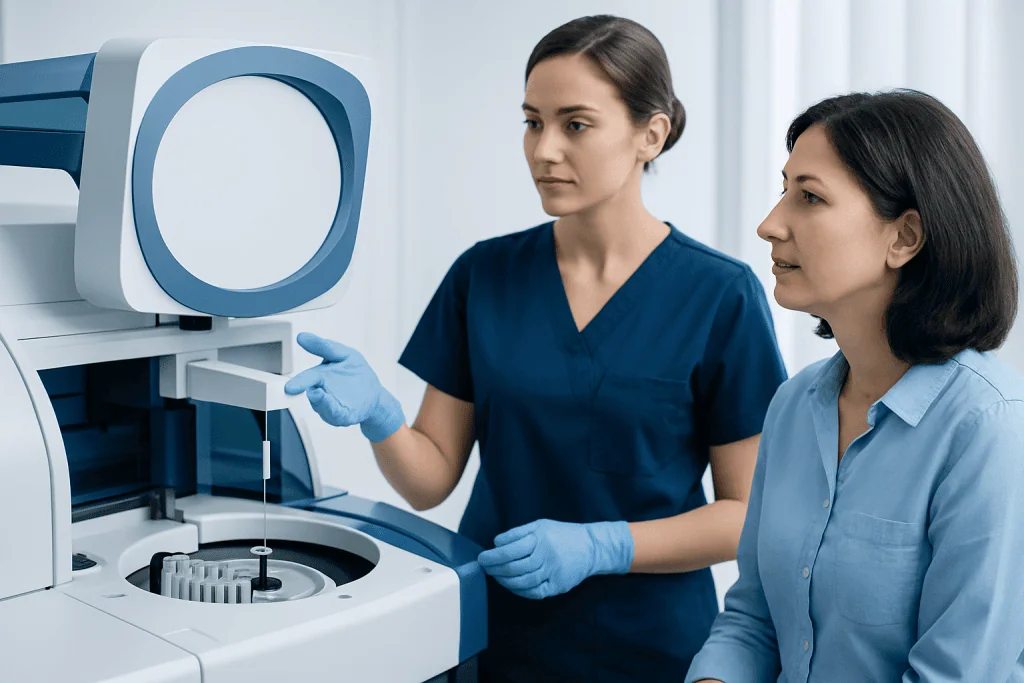
Doctors may request a thyroglobulin antibody test when a person has symptoms of thyroid disease, an enlarged thyroid gland, abnormal thyroid hormone tests, or a family history of autoimmune thyroid disorders. It may also be part of an evaluation when ultrasound findings suggest chronic thyroid inflammation.
The test is often ordered together with other thyroid-related blood tests. Common companion tests include TSH, free T4, and thyroid peroxidase (TPO) antibodies. Looking at these results together helps clarify whether there is immune activity, whether thyroid function has changed, and how likely a specific thyroid condition may be.
In thyroid cancer follow-up, thyroglobulin antibody has a more technical role. After surgery or other treatment for some thyroid cancers, doctors may monitor thyroglobulin levels over time. If thyroglobulin antibodies are present, the thyroglobulin result may be harder to interpret, so the antibody level itself can become part of ongoing follow-up.
Patients sometimes worry when they see the word “antibody” on a report. In practice, the test is best understood as a clue rather than a final answer. It helps guide medical decision-making, but it is only one part of a broader clinical picture.
What a positive or negative result can mean

A positive thyroglobulin antibody result means these antibodies were detected in the blood. This can occur in autoimmune thyroid disease, especially when the immune system is reacting to thyroid tissue over time. However, a positive result does not always mean the thyroid is currently damaged or that treatment is needed immediately.
Some people with positive antibodies have normal thyroid hormone levels and few or no symptoms. In these cases, a doctor may recommend observation and repeat thyroid function testing rather than treatment. Over time, some patients remain stable, while others may gradually develop hypothyroidism or other thyroid changes.
A negative result means the antibodies were not detected or were below the laboratory’s reporting threshold. This can make autoimmune thyroid disease less likely, but it does not completely rule it out. Different laboratories use different methods and reference ranges, so results should always be interpreted using the lab’s own standards and the patient’s medical history.
Antibody levels also do not always match disease severity. A higher number does not necessarily mean a person feels worse or has more thyroid damage. For that reason, doctors focus on symptoms, hormone levels, physical examination, and trends over time rather than on a single antibody result in isolation.
Symptoms and conditions linked to thyroglobulin antibodies
Thyroglobulin antibodies themselves do not cause symptoms. Instead, symptoms come from the underlying thyroid condition, if one is present. When autoimmune thyroid disease affects hormone production, a person may notice fatigue, sensitivity to cold, dry skin, constipation, weight changes, menstrual changes, mood changes, or difficulty concentrating.
If the thyroid becomes overactive, symptoms may include palpitations, heat intolerance, sweating, anxiety, unintended weight loss, tremor, or frequent bowel movements. Some people also notice neck fullness, a feeling of pressure in the throat, or a visible swelling where the thyroid sits at the front of the neck.
Conditions commonly associated with positive thyroglobulin antibodies include:
- Hashimoto thyroiditis, a common cause of hypothyroidism
- Graves’ disease, an autoimmune cause of hyperthyroidism
- Other autoimmune thyroid inflammation patterns
- Some cases of thyroid nodules or goiter
- Follow-up after certain forms of thyroid cancer, where antibodies may affect blood marker testing
Not every patient with positive antibodies has a serious illness. Still, if symptoms are present or thyroid hormone tests are abnormal, doctors may recommend further evaluation. Depending on the clinical situation, this may include thyroid ultrasound or specialist assessment through endocrinology care.
Diagnosis and the tests that often come next
When a thyroglobulin antibody result is positive or symptoms suggest thyroid disease, doctors usually take a step-by-step approach. They review symptoms, personal and family history, medications, pregnancy status when relevant, and any prior thyroid problems. A physical examination may look for an enlarged thyroid, nodules, tenderness, or signs of thyroid hormone imbalance.
Blood tests are central to diagnosis. TSH is often the first test because it reflects how strongly the body is signaling the thyroid to work. Free T4 helps show how much circulating thyroid hormone is available. TPO antibodies may also be checked because they are frequently elevated in autoimmune thyroid disease and can complement the thyroglobulin antibody result.
Imaging is not needed for every patient, but thyroid ultrasound may be useful if the gland is enlarged, lumpy, or abnormal on examination, or if blood tests and symptoms do not fully explain the problem. Ultrasound can show patterns of inflammation, enlargement, or nodules and may guide whether more testing is needed.
In selected cases, particularly if there are suspicious nodules or a history of thyroid cancer, a broader thyroid evaluation may be recommended. This can include consultation for thyroid cancer treatment planning or assessment of thyroid cancer follow-up markers when clinically appropriate.
Treatment options and follow-up
There is no treatment aimed solely at lowering thyroglobulin antibody levels in otherwise well patients. Treatment focuses on the underlying condition and on restoring normal thyroid function when needed. This may mean no immediate treatment at all if hormone levels are normal and the patient has no significant symptoms.
If hypothyroidism develops, doctors may prescribe thyroid hormone replacement to bring hormone levels back into the normal range and relieve symptoms. If hyperthyroidism is present, treatment depends on the cause and may involve medications, radioiodine in selected patients, or other specialist-guided approaches. Management is individualized according to age, symptoms, other health conditions, and test results.
Follow-up often matters more than any single test result. A doctor may repeat TSH and related tests after a period of time to look for changes. In people with thyroid cancer history, both thyroglobulin and thyroglobulin antibody may be tracked over time because trends can be clinically useful, even when one test is difficult to interpret alone.
Near the end of the diagnostic pathway, some patients benefit from coordinated specialist care, especially if imaging, hormone tests, and symptoms do not clearly match. Acibadem International’s multidisciplinary specialists and JCI-accredited hospitals diagnose and treat thyroid conditions for international patients when expert evaluation is needed.
Prevention, self-care, and living with an antibody result
There is no proven way to prevent thyroglobulin antibodies from forming, because they are related to immune system activity. Still, practical self-care can support overall health and make it easier to notice meaningful changes early. Keeping scheduled blood tests, discussing new symptoms promptly, and following medical advice about monitoring are important steps.
Patients should avoid interpreting antibody results on their own without context. Online reference ranges may not match the laboratory used, and antibody positivity does not automatically mean severe disease. It can be helpful to keep a copy of thyroid test results and note symptoms such as fatigue, palpitations, weight change, or neck swelling to discuss during appointments.
General thyroid self-care includes maintaining a balanced diet, using supplements only if recommended by a clinician, and letting the care team know about pregnancy, family history of thyroid disease, or medications that may affect thyroid function. Patients should not start iodine or hormone products without medical guidance, as unnecessary supplements can complicate evaluation.
Emotionally, antibody results can create uncertainty. Reassurance often comes from understanding that many thyroid conditions are manageable and that monitoring plans are routine. Clear communication with a primary care doctor or endocrinologist can help patients understand whether a result requires treatment, repeat testing, or simple observation.
When to seek medical care
Medical review is appropriate if a thyroglobulin antibody result is positive and is accompanied by symptoms of thyroid disease, abnormal TSH or free T4 results, or a new swelling in the neck. A patient should also seek evaluation if symptoms are persistent, worsening, or affecting daily life.
Prompt assessment is especially important for a rapidly enlarging neck lump, trouble swallowing, shortness of breath, marked palpitations, fainting, severe weakness, or significant unexplained weight change. These problems do not necessarily mean a serious thyroid disorder, but they do need timely medical attention.
People with a history of thyroid cancer, thyroid surgery, pregnancy, or other autoimmune diseases should not ignore changing thyroid-related symptoms. In these situations, follow-up plans may need to be more individualized. A qualified doctor can explain whether the antibody result is a background finding or part of a condition that needs treatment or closer monitoring.
Frequently asked questions
Is a positive thyroglobulin antibody test the same as having thyroid disease?
No. A positive thyroglobulin antibody test suggests immune activity involving the thyroid, but it does not diagnose a thyroid disorder by itself. Doctors usually interpret it alongside symptoms, TSH, free T4, and sometimes ultrasound findings.
Can thyroglobulin antibodies be present when thyroid hormone levels are normal?
Yes. Some people have positive antibodies even though their thyroid function is still normal. In that situation, a doctor may recommend periodic monitoring rather than immediate treatment.
What is the difference between thyroglobulin antibody and TPO antibody?
Both are thyroid antibodies, but they target different thyroid-related proteins. TPO antibodies often rise in autoimmune thyroid disease as well, and many doctors check both tests because together they can provide a clearer picture.
Do thyroglobulin antibodies cause symptoms on their own?
No. The antibodies themselves do not usually cause symptoms directly. Symptoms come from the underlying thyroid condition, especially if it affects thyroid hormone production or causes thyroid enlargement.
Why might this test matter after thyroid cancer treatment?
After treatment for certain thyroid cancers, doctors may monitor thyroglobulin as a follow-up marker. If thyroglobulin antibodies are present, they can interfere with interpreting thyroglobulin results, so measuring the antibody can help guide follow-up.
Can thyroglobulin antibody levels go away or change over time?
Yes. Antibody levels can rise, fall, or remain stable over time, depending on the underlying condition and the individual patient. Trends may be useful, but treatment decisions are usually based more on thyroid function, symptoms, and the overall clinical picture.
This article is for general information only and is not a substitute for professional medical advice. Please consult a qualified doctor about your individual situation.
Explore treatments in Turkey — costs, top hospitals & a free quote
JCI-accredited · board-certified surgeons · reply within 24h
Add us as a Preferred Source to see more of our trusted health content across Google Search, AI Overviews and Discover.
Check your numbers in seconds
BMI, calories, due date, blood pressure and 30+ more clinical calculators — free, instant, doctor-reviewed ranges.

More from the Health Library

Microalbuminuria: A Complete Medical Overview

Pegan — Explained by Medical Evidence, Not Myths

Magnesium for Leg Cramps: What Patients Need to Know

Dark Circles: What Patients Need to Know

Herpes Gladiatorum — Explained by Medical Evidence, Not Myths