Thyroid Cancer Surgery: Preparing for Treatment and Life After Thyroid Removal

Thyroid cancer surgery may involve removal of part or all of the thyroid gland. Most people recover well, but follow-up care is important for hormone balance and cancer monitoring.
Key Takeaways
- Thyroid cancer surgery may involve removal of part or all of the thyroid gland.
- Most people recover well, but follow-up care is important for hormone balance and cancer monitoring.
- The need for additional treatment depends on the cancer type, stage, and pathology results.
- Lifelong thyroid hormone replacement is usually needed after total thyroid removal.
- Voice changes, low calcium, and neck discomfort can happen after surgery, but many effects improve with time and care.
Thyroid cancer surgery is a common and often effective treatment that removes part or all of the thyroid gland, depending on the cancer type and stage. Understanding how to prepare, what recovery involves, and how long-term follow-up works can help patients feel more confident about treatment and life after surgery.
Overview of Thyroid Cancer Surgery
Thyroid cancer surgery is one of the main treatments for cancers that begin in the thyroid gland. The thyroid is a small butterfly-shaped gland in the front of the neck that helps regulate metabolism, energy use, and many body functions through hormone production. When cancer develops in this gland, surgery is often recommended to remove the tumor and reduce the risk of spread or recurrence.
The exact operation depends on the cancer type, size, location, and whether it appears confined to the thyroid or has reached nearby lymph nodes. Some patients need a lobectomy, which removes one side of the thyroid. Others need a total thyroidectomy, which removes the whole gland. In selected cases, nearby lymph nodes are also removed if there is concern for cancer involvement.
Many thyroid cancers, especially papillary thyroid cancer, tend to grow slowly and have favorable outcomes when diagnosed and treated appropriately. Surgery is usually planned after ultrasound, biopsy, and other assessments have clarified the diagnosis. The goals are to remove cancer effectively, preserve important nearby structures such as the vocal cord nerves and parathyroid glands, and support a smooth recovery.
When Surgery Is Recommended
Surgery may be recommended when tests show thyroid cancer or when a thyroid nodule is highly suspicious for cancer. It is commonly used for papillary, follicular, medullary, and some other thyroid cancers. The decision also considers the size of the tumor, whether there are one or several nodules, whether lymph nodes are involved, and the person’s age and overall health.
For some small, low-risk thyroid cancers, doctors may discuss different management strategies, including careful monitoring in selected situations. However, many patients still benefit from surgery as the most direct way to remove the disease and establish a clear diagnosis through detailed examination of the tissue.
Before surgery, the care team explains whether a partial or complete thyroid removal is likely to be the best choice. The surgeon may also discuss possible lymph node dissection if imaging or biopsy suggests spread beyond the thyroid. In some treatment plans, surgery is one step in a broader approach that may later include radioactive iodine therapy or structured follow-up with imaging and blood tests.
Preparing for Treatment

Preparation usually begins with a careful medical review. Patients may have blood tests to check thyroid function, calcium levels, and general health before anesthesia. Neck ultrasound is commonly used to evaluate the thyroid and nearby lymph nodes, and many people are diagnosed after a fine-needle aspiration biopsy. Depending on the case, additional imaging may be needed.
It is helpful for patients to ask practical questions before the operation. These may include what type of surgery is planned, how long the hospital stay may be, what scar to expect, whether a drain might be used, and when normal eating, speaking, exercise, and work can resume. Clear expectations can make the experience less stressful.
Patients are usually advised to share a full list of medications, supplements, and allergies with the medical team. Some medicines, especially blood thinners, may need to be adjusted before surgery under a doctor’s guidance. Smoking cessation, good hydration, and arranging help at home for the first days after surgery can also support recovery.
- Bring previous scan and biopsy results to appointments.
- Discuss any past neck surgery or radiation exposure.
- Follow fasting instructions before anesthesia.
- Ask who to contact if symptoms arise after discharge.
What Happens During and Right After Surgery
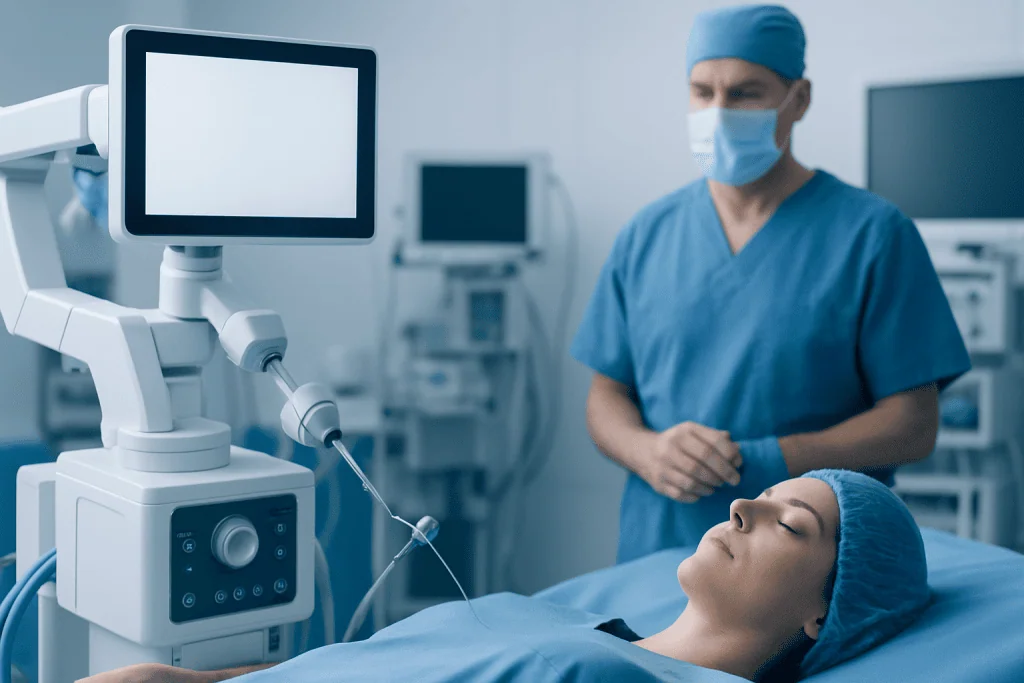
Thyroid surgery is performed under general anesthesia. The surgeon makes an incision in the lower front part of the neck and carefully removes the planned portion of the thyroid while protecting the recurrent laryngeal nerves, which help control the vocal cords, and the parathyroid glands, which help regulate calcium. The operation may take several hours depending on its extent and whether lymph nodes are removed.
After surgery, patients are monitored in a recovery area and then in a hospital room. Some people go home the same day or after one night, while others stay longer based on the complexity of the procedure and their overall condition. Mild throat soreness, neck tightness, tiredness, and discomfort with swallowing can be common in the early recovery period.
The healthcare team watches for early complications such as bleeding, breathing difficulty, temporary voice changes, and low calcium levels. Low calcium may cause tingling around the mouth or in the fingers, muscle cramps, or unusual sensations, especially after total thyroidectomy. If this occurs, calcium and sometimes vitamin D support may be needed. Patients also receive instructions about wound care, pain control, activity, and follow-up appointments before discharge.
Recovery and Life After Thyroid Removal
Recovery after thyroid cancer surgery varies from person to person, but many people gradually return to light daily activities within days to weeks. Neck tenderness and stiffness often improve over time, and gentle movement may help once the surgeon says it is safe. The scar typically fades gradually, although its final appearance depends on healing, skin type, and the surgical approach.
Life after total thyroid removal usually includes lifelong thyroid hormone replacement because the body can no longer make enough thyroid hormone on its own. This medication helps maintain normal metabolism and, in some cases, is also adjusted to reduce the stimulation of any remaining thyroid cancer cells. Regular blood tests help doctors decide whether the hormone dose is appropriate.
Some patients may notice temporary changes in voice strength, pitch, or vocal fatigue, especially in the first weeks after surgery. Many of these changes improve as healing continues, but persistent voice problems should be assessed. In selected cases, support from voice therapy or further ENT evaluation can be helpful.
Emotionally, adjustment can also be part of recovery. Waiting for final pathology results, coping with a cancer diagnosis, and adapting to long-term medication can feel overwhelming. Reassurance, family support, and regular communication with the care team often make this period easier to manage.
Additional Treatment and Long-Term Follow-Up
Not everyone needs the same treatment after surgery. The final pathology report provides important details about the cancer type, tumor size, margins, lymph node involvement, and other features that guide next steps. For some patients, surgery alone is enough. Others may need further treatment, especially if there is a higher risk of remaining disease or recurrence.
Additional treatment may include radioactive iodine treatment after total thyroidectomy in selected differentiated thyroid cancers. This treatment helps destroy residual thyroid tissue or microscopic cancer cells. In more complex situations, other options may be considered through a multidisciplinary medical oncology and endocrine surgery review.
Long-term follow-up usually includes physical examinations, thyroid function testing, and tumor-marker monitoring when appropriate. For many patients with papillary or follicular thyroid cancer, thyroglobulin blood tests and neck ultrasound are important tools. Follow-up schedules depend on individual risk and response to treatment, and they may continue for many years.
People who have had thyroid cancer surgery may also hear about related thyroid conditions during evaluation or follow-up, such as thyroid cancer subtypes or benign nodules. Understanding the specific diagnosis helps patients make sense of why their treatment plan is personalized rather than identical to someone else’s.
Possible Risks and How They Are Managed
As with any operation, thyroid cancer surgery has possible risks, but careful planning and experienced surgical technique aim to reduce them. Temporary hoarseness can happen if the nerves near the thyroid become irritated during surgery. Most voice changes improve, though persistent symptoms should be evaluated. Rarely, nerve injury can lead to longer-lasting voice problems.
Another important risk is low calcium caused by temporary or permanent effects on the nearby parathyroid glands. This is more likely after total thyroidectomy than after removing one lobe. Doctors monitor calcium after surgery and may recommend supplements if needed. Symptoms should always be reported promptly.
Bleeding, infection, visible scarring, numbness around the incision, and the need for additional procedures can also occur. If pathology shows disease in lymph nodes or tissue left behind for safety reasons, further treatment may be recommended. A clear discussion with the surgeon before the operation often helps patients understand both the benefits and the limits of surgery.
When to See a Doctor and Ongoing Support
Patients should contact their doctor promptly if they develop fever, worsening swelling, increasing redness around the incision, trouble breathing, significant difficulty swallowing, severe pain, or signs of low calcium such as tingling and cramping. A sudden neck swelling after surgery needs urgent medical attention. Even when symptoms seem mild, it is better to ask than to guess during recovery.
Long-term medical follow-up is also essential, even when treatment goes well. Thyroid hormone levels may need adjustment over time, and regular cancer surveillance helps detect recurrence early if it happens. Follow-up is also the best place to discuss pregnancy planning, exercise, voice concerns, scar care, and any new symptoms.
For international patients seeking coordinated care, Acibadem International’s multidisciplinary specialists and JCI-accredited hospitals diagnose and treat thyroid conditions and cancers with individualized planning. Support may involve endocrine surgery, imaging, pathology, oncology, and recovery guidance tailored to the patient’s needs.
Frequently asked questions
Is thyroid cancer surgery always a total thyroidectomy?
No. Some patients need only a lobectomy, which removes one side of the thyroid, while others need the entire gland removed. The choice depends on the tumor type, size, location, and whether there is disease elsewhere in the neck.
Will a person need thyroid hormone medicine after surgery?
After a total thyroidectomy, lifelong thyroid hormone replacement is usually necessary. After a lobectomy, some people still make enough hormone naturally, but others may need medication depending on thyroid function tests.
How long does recovery from thyroid cancer surgery take?
Many people return to light daily activities within several days to a couple of weeks, although full recovery can take longer. Healing time depends on the extent of surgery, the person’s general health, and whether lymph nodes were also removed.
Can thyroid cancer come back after surgery?
Yes, recurrence is possible, which is why follow-up care is important. Regular exams, blood tests, and neck ultrasound help monitor for any signs of remaining or returning disease.
What are the most common side effects after thyroid removal?
Short-term effects can include neck pain, throat soreness, hoarseness, and fatigue. Some patients also develop low calcium levels, especially after total thyroidectomy, which may cause tingling or cramps and should be reported to a doctor.
Will the surgery affect the voice permanently?
Most voice changes after thyroid surgery are temporary and improve as the tissues heal. However, because nerves that control the vocal cords are close to the thyroid, persistent hoarseness or vocal weakness should be evaluated by a specialist.
References
- American Thyroid Association
- National Cancer Institute
- National Comprehensive Cancer Network
- American Cancer Society
- World Health Organization
This article is for general information only and is not a substitute for professional medical advice. Please consult a qualified doctor about your individual situation.
Thyroid Cancer in Turkey — costs, top hospitals & a free quote
JCI-accredited · board-certified surgeons · reply within 24h
Add us as a Preferred Source to see more of our trusted health content across Google Search, AI Overviews and Discover.