Thyroid Transplant: Procedure, Recovery and Results

Thyroid transplant surgery is not a standard clinical procedure and is not routinely offered for thyroid conditions. Most people can live well without a thyroid gland when thyroid hormone replacement is monitored appropriately.
Key Takeaways
- Thyroid transplant surgery is not a standard clinical procedure and is not routinely offered for thyroid conditions.
- Most people can live well without a thyroid gland when thyroid hormone replacement is monitored appropriately.
- Thyroid surgery may involve removing part of the gland or the whole gland, depending on the condition being treated.
- Recovery after thyroid removal is usually gradual, with many people returning to light activities within days to weeks.
- Follow-up blood tests and specialist care are important after total thyroidectomy.
A thyroid transplant is not currently an established or routinely available treatment for thyroid disease. People who need their thyroid removed are generally treated with lifelong thyroid hormone replacement, while the appropriate care for nodules, overactivity, inflammation, or cancer depends on the diagnosis.
Overview: Is Thyroid Transplant Available?
A thyroid transplant refers to placing healthy thyroid tissue or a donor thyroid gland into a person whose own thyroid does not work. At present, thyroid transplant is not an established, routinely available treatment in clinical practice. Unlike organs such as kidneys, hearts, or livers, the thyroid’s main function—producing hormones—can usually be replaced safely and effectively with daily thyroid hormone medication.
Some research has explored thyroid tissue transplantation and cell-based approaches, but these remain experimental rather than standard care. Searches for terms such as “thyroid transplant 2023” may identify research discussions or historical reports, but they should not be interpreted as evidence that donor thyroid transplantation is an approved, widely accessible option.
When a thyroid gland is damaged, overactive, enlarged, or affected by cancer, treatment usually focuses on the underlying condition. This may include observation, medication, radioactive iodine in selected cases, or surgery. For people who have a total thyroidectomy, carefully adjusted hormone replacement takes over the role of the removed gland.
How Thyroid Function Is Replaced
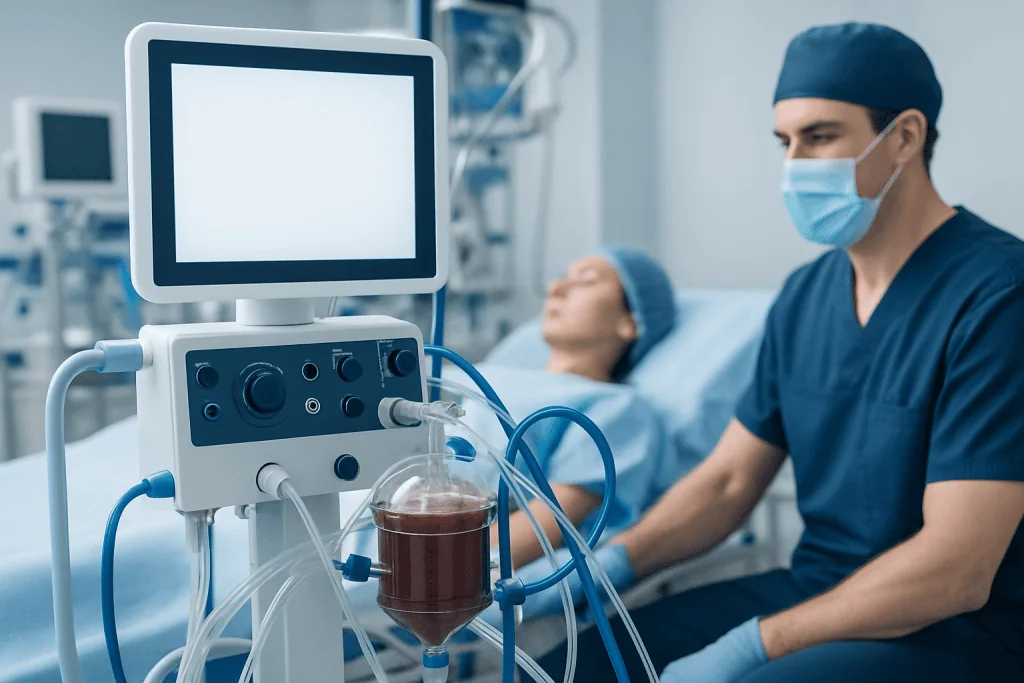
The thyroid is a small gland in the front of the neck. It produces hormones that help regulate energy use, body temperature, heart rate, digestion, and many other body processes. When hormone production is too low, the condition is called hypothyroidism; when it is excessive, it is called hyperthyroidism.
After removal of the entire thyroid gland, the body no longer produces sufficient thyroid hormone. A clinician therefore prescribes replacement therapy, commonly levothyroxine, and checks blood tests over time to tailor treatment. This approach avoids the need for donor tissue and the anti-rejection medicines that would be required after a conventional organ transplant.
People with an underactive thyroid who have not had surgery are also commonly treated with hormone replacement. Related thyroid conditions, including Hashimoto’s thyroiditis, often need long-term monitoring because hormone needs may change over time.
Who May Need Thyroid Surgery Instead

Because a thyroid transplant is not standard treatment, candidacy assessments usually concern thyroid surgery rather than transplantation. A surgeon may recommend removal of part or all of the gland when there is confirmed or suspected thyroid cancer, a suspicious nodule, a large goiter causing pressure symptoms, or hyperthyroidism that is not adequately controlled with other treatments.
The operation may be a lobectomy, which removes one side of the thyroid, or a total thyroidectomy, which removes the whole gland. The decision depends on the diagnosis, size and location of any nodules, test results, symptoms, previous treatment, and the person’s overall health. A person having a lobectomy may retain enough hormone-producing tissue to avoid lifelong replacement, but this cannot be guaranteed.
Preoperative assessment commonly includes a medical history, physical examination, thyroid function blood tests, neck ultrasound, and sometimes fine-needle aspiration biopsy. Where cancer is a concern, care is coordinated between endocrinology, endocrine surgery, pathology, radiology, and oncology as needed.
- Thyroid nodules that are benign and not causing symptoms may only require follow-up.
- Hyperthyroidism may be managed with medicines or radioactive iodine before surgery is considered.
- Thyroid cancer treatment is individualized according to the cancer type, extent, and risk features.
What Happens During Thyroid Surgery
Thyroid surgery is performed under general anesthesia. The surgeon usually makes a small incision across the lower front of the neck, carefully reaches the thyroid gland, and removes the planned portion of tissue. The procedure requires particular attention to the nerves that control the vocal cords and to the nearby parathyroid glands, which help regulate calcium levels.
During a lobectomy, one thyroid lobe is removed. During total thyroidectomy, both lobes are removed. Lymph nodes may also be assessed or removed when thyroid cancer is known or strongly suspected. The exact duration and surgical approach vary with the condition and the extent of surgery.
Patients can discuss the expected technique, anesthesia, scar care, and follow-up plan with their surgical team before treatment. Thyroid surgery is considered when its likely benefits outweigh the risks and when less invasive options are unsuitable or insufficient.
There is no comparable standard step-by-step process for thyroid transplant surgery because it is not an established clinical procedure. Experimental tissue-based treatments, when studied, would require specialized research protocols and careful ethical and safety oversight.
Thyroid Surgery Recovery Process and Results
The thyroid surgery recovery process differs from person to person and depends on whether one lobe or the whole gland was removed, the reason for surgery, and whether lymph node surgery was needed. Many patients go home on the day of surgery or after a short hospital stay. Mild neck discomfort, tiredness, a sore throat from the breathing tube, and temporary tightness around the incision are common early experiences.
In a typical thyroid surgery recovery day by day pattern, the first few days focus on rest, gentle movement, pain control as advised, and keeping the incision clean and dry according to the team’s instructions. Many people resume light daily activities within several days and return to work or usual routines over one to two weeks, although strenuous activity may need to wait longer. The surgical team provides individualized guidance.
After total thyroidectomy, hormone replacement is started or adjusted, and blood tests are used to check thyroid-stimulating hormone and, when relevant, calcium levels. The thyroid removal recovery process includes both wound healing and finding the hormone dose that supports normal body function. This adjustment may take several follow-up visits.
Results are generally focused on treating the original thyroid problem, relieving compressive symptoms, controlling hormone excess, or removing cancerous tissue. If thyroid cancer is diagnosed, further care may include risk-based surveillance, hormone management, and, in selected cases, radioactive iodine treatment.
Benefits, Risks and Follow-Up Care
For appropriately selected patients, thyroid surgery can remove concerning tissue, help manage difficult hyperthyroidism, relieve swallowing or breathing pressure from a large goiter, or form an important part of thyroid cancer care. A key benefit is that hormone loss after total removal can be treated with replacement medication rather than requiring a transplant.
All surgery carries risks. Specific thyroidectomy risks include bleeding, infection, scar discomfort, temporary or lasting voice changes from nerve irritation or injury, and low calcium levels if the parathyroid glands are affected. Serious complications are uncommon in experienced hands, but every patient should understand their individual risk before consenting to surgery.
Seek prompt clinical advice after surgery for rapidly increasing neck swelling, trouble breathing or swallowing, significant bleeding, fever, worsening redness or drainage from the wound, tingling around the mouth or in the hands, muscle cramps, or persistent voice changes. These symptoms do not always mean a serious problem, but they need timely assessment.
Long-term follow-up may involve an endocrinologist, surgeon, and primary care clinician. Keeping appointments and taking prescribed hormone medication consistently are important for physical wellbeing, symptom control, and accurate interpretation of blood test results.
When to Seek Medical Care
A person should arrange medical assessment for a new neck lump, persistent neck enlargement, unexplained hoarseness, difficulty swallowing, shortness of breath, palpitations, unexplained weight change, unusual heat or cold intolerance, or ongoing fatigue. These symptoms can have many causes, and thyroid disease is only one possibility, but an evaluation can clarify what is happening.
Urgent medical care is needed for sudden breathing difficulty, rapidly expanding neck swelling, or severe allergic-type symptoms. Anyone who has recently had neck surgery should follow the discharge instructions and contact their surgical team promptly if concerning symptoms develop.
Patients considering surgery benefit from asking what condition is being treated, whether partial or total removal is recommended, what alternatives are available, and how hormone levels will be monitored afterward. Acibadem International’s multidisciplinary specialists and JCI-accredited hospitals diagnose and treat thyroid conditions for international patients, with care plans guided by individual clinical findings.
There is currently no proven self-care method that can replace a thyroid gland or make a thyroid transplant unnecessary. However, taking prescribed medicine correctly, attending follow-up testing, avoiding unverified supplements, and discussing pregnancy plans or major medication changes with a clinician can support safe thyroid care.
Frequently asked questions
Can a person receive a thyroid transplant?
Thyroid transplantation is not an established, routine clinical treatment. Most people without a functioning thyroid are treated effectively with thyroid hormone replacement medication rather than donor thyroid tissue.
Why is thyroid transplant surgery not commonly performed?
The thyroid primarily makes hormones that can be replaced with medication. A donor-organ transplant would also involve surgical risks and likely require medicines to prevent rejection, which generally offers no practical advantage over hormone replacement.
How long is recovery after thyroid removal?
Many people return to light daily activities within a few days and resume many usual activities within one to two weeks. Recovery can take longer after more extensive surgery, and hormone levels may need several weeks or months of follow-up adjustment after total thyroidectomy.
Will a person need medication after thyroid surgery?
After total thyroidectomy, lifelong thyroid hormone replacement is necessary. After removal of one lobe, some people make enough hormone naturally, while others develop hypothyroidism and need medication.
What are warning signs after thyroid surgery?
Rapid neck swelling, difficulty breathing or swallowing, substantial bleeding, fever, worsening wound redness, or drainage require prompt medical advice. Tingling, muscle cramps, or spasms may indicate low calcium and should also be reported quickly.
Can thyroid problems be treated without surgery?
Yes, many thyroid conditions can be managed with monitoring, medication, or other nonsurgical treatments. The most suitable option depends on the diagnosis, symptoms, test results, and individual health circumstances.
References
- American Thyroid Association
- National Institute of Diabetes and Digestive and Kidney Diseases
- National Cancer Institute
- Mayo Clinic
- World Health Organization
This article is for general information only and is not a substitute for professional medical advice. Please consult a qualified doctor about your individual situation.
Oncology care in Turkey — second opinion and treatment plan
JCI-accredited · board-certified surgeons · reply within 24h
Add us as a Preferred Source to see more of our trusted health content across Google Search, AI Overviews and Discover.
Check your numbers in seconds
BMI, calories, due date, blood pressure and 30+ more clinical calculators — free, instant, doctor-reviewed ranges.

More from the Health Library



Related Specialists
Embriyolog Sadık Doğan
Vitro Fertilization and Reproductive Medicine Center
Dr. Melek Sedef Yavaş
Emergency Service
Dyt. Burcu Akbeyaz Özger
Nutrition & Diet
Prof. Dr. Turgay Çelikel
Pulmonology