Tick-Borne Infections and the Nervous System: Facial Weakness, Headache, and Other Clues

Some tick-borne infections can involve the nervous system and cause symptoms such as facial drooping, headache, meningitis-like illness, or nerve pain. Lyme disease is a well-known cause of facial weakness and nerve-related symptoms, but other infections carried by ticks may also affect the nervous system.
Key Takeaways
- Some tick-borne infections can involve the nervous system and cause symptoms such as facial drooping, headache, meningitis-like illness, or nerve pain.
- Lyme disease is a well-known cause of facial weakness and nerve-related symptoms, but other infections carried by ticks may also affect the nervous system.
- Diagnosis usually combines symptom history, tick exposure risk, physical examination, and targeted blood or spinal fluid tests.
- Treatment depends on the infection and may include antibiotics, supportive care, and close neurological follow-up.
- Preventing tick bites with protective clothing, repellents, and prompt tick checks lowers the risk of infection.
Tick-borne infections can affect the brain, spinal cord, and peripheral nerves, sometimes causing facial weakness, severe headache, neck stiffness, numbness, or balance problems. Early recognition and medical treatment are important because many of these infections improve significantly when diagnosed promptly.
Overview
Tick-borne infections are illnesses passed to humans through the bite of an infected tick. While many people think first of a rash or flu-like symptoms, some of these infections can also affect the nervous system. This may involve the brain, the coverings around the brain and spinal cord, the spinal cord itself, or the peripheral nerves that travel through the face, arms, legs, and body.
When the nervous system is involved, symptoms may include facial weakness, headache, neck stiffness, shooting nerve pain, tingling, numbness, dizziness, sensitivity to light, or trouble with balance. In some cases, symptoms develop days to weeks after a tick bite, but not everyone remembers being bitten. Ticks can be very small, and their bites are often painless.
Lyme disease is one of the best-known tick-borne illnesses linked to neurological symptoms, especially facial nerve palsy and meningitis-like illness. Other tick-borne infections, depending on the region, can also affect the nervous system and lead to inflammation, confusion, weakness, or changes in alertness. Because symptoms can overlap with many other conditions, careful medical evaluation is important.
Most people benefit from early diagnosis and appropriate treatment. A person with new facial drooping, severe headache, fever, or neurological symptoms after possible tick exposure should seek medical advice promptly rather than waiting for symptoms to pass on their own.
Symptoms and Warning Signs
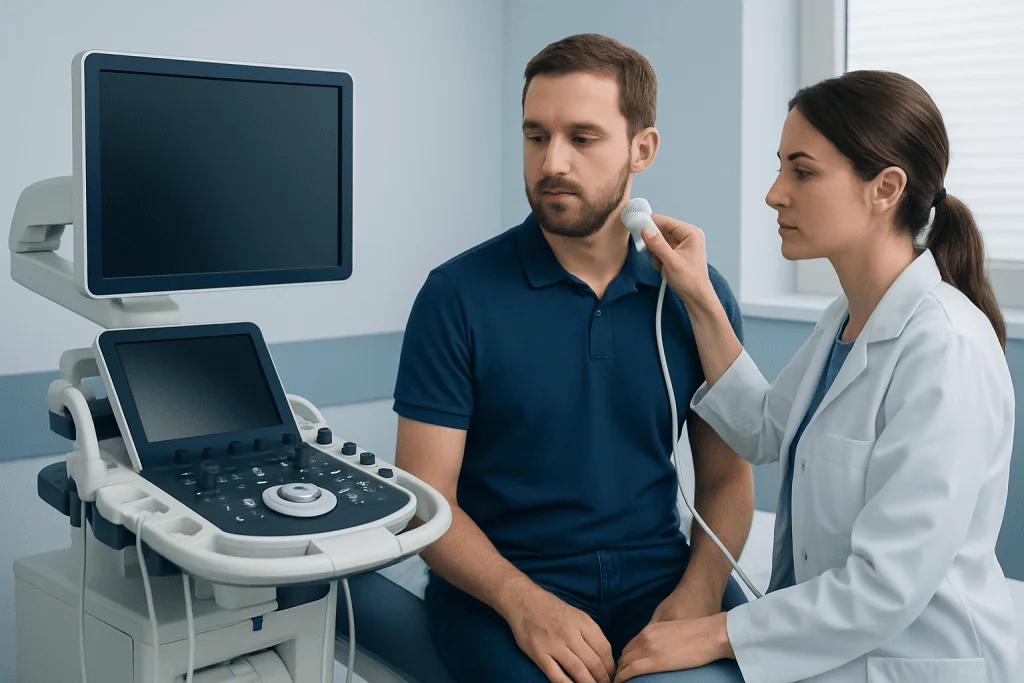
Neurological symptoms from tick-borne infections can vary from mild to serious. One of the more recognized clues is facial weakness, which may affect one or both sides of the face. A person may notice a crooked smile, trouble closing one eye, drooling, altered taste, or difficulty raising the eyebrow. Facial weakness can happen with Lyme disease and should be assessed promptly, especially if it follows a recent outdoor exposure.
Headache is another common symptom. This may feel different from a typical tension headache and can be accompanied by fever, fatigue, sensitivity to light, nausea, or a stiff neck. Infections that irritate the lining around the brain can cause a meningitis-like picture, sometimes with severe discomfort and general unwellness.
Other symptoms may include:
- Numbness, tingling, or burning pain in the arms, legs, or face
- Sharp shooting pains or radicular pain that follows a nerve path
- Dizziness, imbalance, or unsteady walking
- Weakness in an arm or leg
- Problems with concentration or slowed thinking
- Fever, chills, muscle aches, or unusual tiredness
Less often, some tick-borne infections can cause confusion, seizures, reduced alertness, or signs of inflammation in the brain itself. These symptoms are medical emergencies. Even milder symptoms should not be ignored if they appear after time in wooded, grassy, or brush-filled areas, particularly during seasons when ticks are active.
Causes and Risk Factors
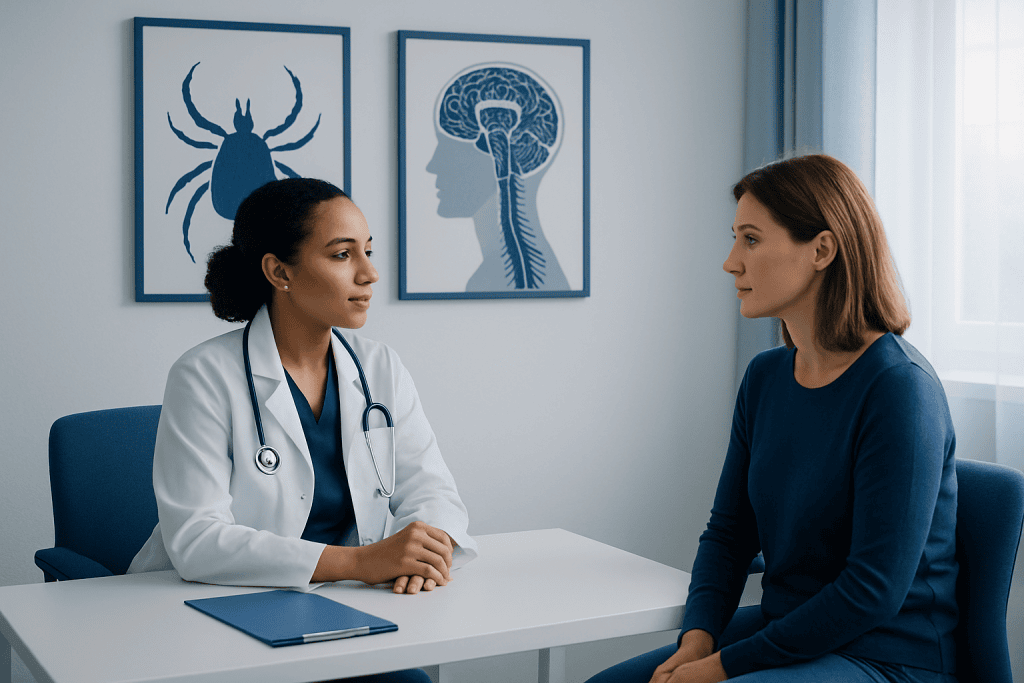
Ticks can carry bacteria, viruses, or parasites. When an infected tick feeds on a person, it may transmit one of these germs. The exact infection depends on geography, the type of tick, and local patterns of disease. In many areas, Lyme disease is the most familiar example and can sometimes progress to neurological involvement, often called Lyme disease affecting the nervous system or neuroborreliosis.
Not every tick carries infection, and not every bite leads to illness. Risk rises with outdoor exposure in forests, grasslands, gardens, hiking trails, and areas with deer or small mammals. People who spend time camping, hiking, hunting, farming, or gardening may have more contact with ticks. Pets can also bring ticks into the home, although infection still requires a tick bite to the person.
Several factors can increase the chance that a tick-borne illness is missed. Many people never notice a tick bite. A rash, when it occurs, may be faint or hidden. Early symptoms can resemble a routine viral illness, including fever, body aches, and fatigue. If neurological symptoms begin later, the connection to a bite may not be obvious.
Tick-borne infections can affect adults and children. Severe illness is not limited to one age group, although older adults, very young children, and people with weakened immune systems may be more vulnerable to complications from some infections. Regional travel history matters, so clinicians often ask where a person has lived, worked, or recently spent time outdoors.
How Doctors Diagnose Nervous System Involvement
Diagnosis begins with a detailed history and physical examination. A doctor may ask about recent hikes, camping, gardening, animal exposure, travel to tick-endemic regions, rash, fever, and when symptoms started. The neurological examination looks for facial asymmetry, neck stiffness, abnormal reflexes, sensory changes, weakness, balance problems, and other clues that suggest the nervous system is involved.
Blood tests may be used to look for signs of infection and, when appropriate, antibodies linked to certain tick-borne illnesses. In suspected Lyme disease, testing is usually interpreted alongside symptoms and exposure risk because timing matters. Early in an illness, tests may be negative even when infection is present, while in other situations a positive test may reflect past exposure rather than current disease.
If meningitis, brain inflammation, or spinal nerve involvement is suspected, doctors may recommend a lumbar puncture to examine cerebrospinal fluid. This test can help detect inflammation and support the diagnosis of some neuroinfections. Depending on the symptoms, imaging such as MRI may be helpful to assess the brain, spinal cord, or other structures and to rule out other causes of neurological symptoms.
Some patients also need additional studies such as nerve conduction testing, hearing or balance assessment, or consultation with infectious disease and neurology specialists. Because facial drooping can also occur with stroke, Bell’s palsy, or other neurological conditions, the diagnosis should never be assumed without proper evaluation.
Treatment Options
Treatment depends on which infection is suspected or confirmed, how severe the symptoms are, and which part of the nervous system is affected. Bacterial tick-borne infections are commonly treated with antibiotics. In Lyme-related neurological disease, the route and duration of treatment vary based on whether symptoms involve the facial nerve, the lining around the brain, or other structures. A doctor chooses the most appropriate plan after reviewing symptoms, examination findings, and test results.
Supportive care is also important. This may include pain relief, hydration, rest, treatment of nausea, and eye protection if facial weakness prevents full eyelid closure. Some patients need physical therapy, facial exercises, or rehabilitation to support recovery of strength, coordination, or daily function. If headache is prominent, clinicians may also assess for migraine or other headache conditions that can overlap with or complicate recovery.
People with severe headache, significant weakness, confusion, or signs of meningitis may need hospital care for close monitoring and intravenous therapy. In selected cases, doctors may use imaging, repeated neurological examinations, or specialist follow-up to confirm that symptoms are improving. Care is individualized, because not all tick-borne infections respond to the same medicines.
Where evaluation of complex neurological symptoms is needed, tests such as neurological examination and targeted neuroimaging may guide care. Near the end of the treatment journey, some international patients seek multidisciplinary assessment; Acibadem International’s JCI-accredited hospitals and specialists diagnose and treat tick-borne neurological conditions with coordinated neurology and infectious disease care.
Prevention and Self-Care
The most effective way to reduce the risk of tick-borne infection is to prevent tick bites. When spending time outdoors in tick-prone areas, people can wear long sleeves, long trousers tucked into socks, and light-colored clothing that makes ticks easier to spot. Using an appropriate tick repellent on skin or clothing, following product directions carefully, also helps reduce risk.
After outdoor activity, it is wise to do a full-body tick check, including the scalp, behind the ears, under the arms, around the waist, behind the knees, and in the groin area. Showering soon after coming indoors may help remove unattached ticks. Clothes worn outdoors can be changed and washed, and pets should be checked because they may carry ticks inside.
If a tick is found attached, it should be removed promptly with fine-tipped tweezers, grasping as close to the skin as possible and pulling steadily upward. The area can then be cleaned. Folk remedies such as burning the tick or covering it with substances are not recommended. Prompt removal may lower the chance of transmission for some infections, though it does not eliminate risk completely.
Self-care after a tick bite includes watching for rash, fever, unusual fatigue, headache, facial weakness, numbness, or flu-like illness over the following days to weeks. A symptom diary and a note of where the exposure happened can be helpful for a doctor. People should not start leftover antibiotics or delay assessment if neurological symptoms appear.
When to See a Doctor
A person should contact a doctor if they develop fever, rash, severe tiredness, headache, facial drooping, neck stiffness, numbness, nerve pain, or weakness after a possible tick bite or outdoor exposure in a tick-prone area. Even if no tick was seen, the combination of recent exposure and new symptoms can be an important clue.
Urgent medical assessment is especially important for one-sided facial weakness, severe or worsening headache, confusion, difficulty walking, vision changes, persistent vomiting, seizures, or reduced alertness. These symptoms can signal significant nervous system involvement or another condition that needs prompt treatment. Facial drooping should also be assessed quickly because stroke must be ruled out.
Parents should seek care for children with unusual sleepiness, fever, irritability, headache, facial asymmetry, or poor balance after outdoor exposure. Older adults and people with weakened immune systems should also be evaluated without delay if symptoms arise, as complications may be more difficult to recognize early.
Follow-up matters even after treatment begins. If symptoms do not improve, new symptoms develop, or recovery seems incomplete, reassessment may be needed. In some situations, clinicians may recommend consultation through infectious diseases or neurology services to refine the diagnosis and treatment plan.
Frequently asked questions
Can a tick bite really cause facial weakness?
Yes. Certain tick-borne infections, especially Lyme disease, can affect the facial nerve and lead to weakness on one or both sides of the face. Because facial drooping can also happen with stroke and other conditions, it should be assessed by a doctor promptly.
What does a tick-borne headache usually feel like?
There is no single pattern, but it is often more than a mild everyday headache. It may come with fever, neck stiffness, light sensitivity, fatigue, or nausea, especially if the infection is irritating the tissues around the brain.
Do all people with neurological Lyme disease get a rash first?
No. Some people never notice a rash, and others may not remember a tick bite at all. That is one reason doctors consider travel, outdoor exposure, and the full symptom pattern during evaluation.
How are tick-borne nervous system infections diagnosed?
Doctors use a combination of medical history, physical and neurological examination, and targeted testing. Depending on the symptoms, this may include blood tests, spinal fluid analysis, and imaging such as MRI.
Are tick-borne neurological problems treatable?
Many are treatable, especially when recognized early. Treatment depends on the specific infection and may include antibiotics, supportive care, rehabilitation, and specialist follow-up.
Should someone take antibiotics just in case after any tick bite?
Not always. Whether preventive treatment is appropriate depends on the type of tick, how long it was attached, the region, and individual risk factors. A qualified doctor can advise whether observation, testing, or treatment is the best next step.
References
- Centers for Disease Control and Prevention
- World Health Organization
- European Centre for Disease Prevention and Control
- National Institute of Neurological Disorders and Stroke
- Infectious Diseases Society of America
This article is for general information only and is not a substitute for professional medical advice. Please consult a qualified doctor about your individual situation.
Joint and spine care in Turkey — expert assessment & treatment
JCI-accredited · board-certified surgeons · reply within 24h
Add us as a Preferred Source to see more of our trusted health content across Google Search, AI Overviews and Discover.