Tms Therapy: Early Signs, Risk Factors, and How It Is Treated
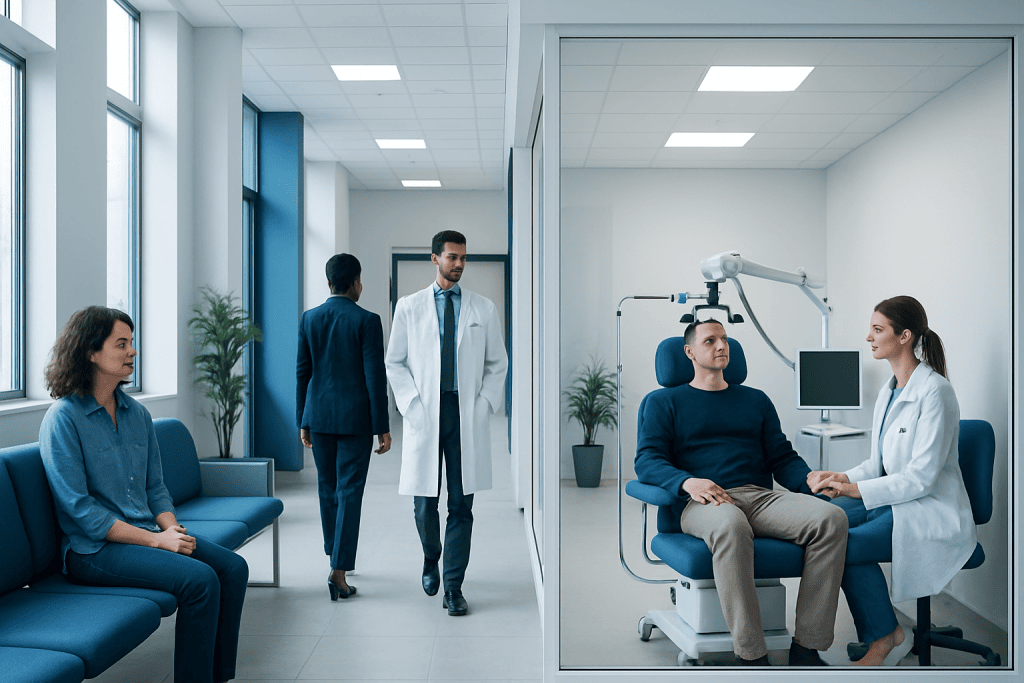
TMS therapy uses targeted magnetic pulses to stimulate nerve cells in brain regions involved in mood regulation. It is most often used for major depressive disorder, especially when symptoms persist despite medication or psychotherapy.
Key Takeaways
- TMS therapy uses targeted magnetic pulses to stimulate nerve cells in brain regions involved in mood regulation.
- It is most often used for major depressive disorder, especially when symptoms persist despite medication or psychotherapy.
- Common side effects are usually mild and temporary, such as scalp discomfort or headache.
- A full evaluation helps determine whether TMS therapy is appropriate, safe, and likely to be helpful for a specific patient.
- TMS is usually given as a series of outpatient sessions over several weeks, with follow-up to track symptom changes.
TMS therapy is a noninvasive treatment that uses magnetic pulses to stimulate specific brain areas, most commonly to help people with depression that has not improved enough with standard treatment. It does not require surgery or anesthesia, and a specialist evaluates who may benefit, what to expect, and how treatment is monitored over time.
Overview: what TMS therapy is and what it treats
TMS therapy, short for transcranial magnetic stimulation, is a noninvasive treatment that uses magnetic pulses to activate selected areas of the brain. It is most commonly used for major depressive disorder, particularly when symptoms have not improved enough with antidepressant medication, psychotherapy, or both. In some settings, specialists may also consider it for other carefully selected neurological or psychiatric conditions.
During treatment, a device is placed against the scalp to deliver brief magnetic pulses. These pulses pass through the skull and affect brain cell activity in regions linked with mood, motivation, and emotional processing. Unlike electroconvulsive therapy, TMS does not intentionally cause a seizure, and it does not require general anesthesia.
Because it is performed while the person is awake and alert, TMS therapy is usually done in an outpatient clinic. Patients can generally return to normal daily activities after each session. For people exploring options for difficult-to-treat mood symptoms, TMS may be discussed alongside care for depression and related mental health support.
Early signs that may lead a doctor to consider TMS therapy
TMS therapy does not treat a single “early sign” in the way a medicine treats an infection. Instead, it is considered when there are early indicators that a person’s depression may need a different treatment approach. These indicators often include persistent low mood, loss of interest in usual activities, low energy, poor concentration, changes in sleep or appetite, and feelings of hopelessness that continue despite appropriate care.
A clinician may think about TMS when symptoms remain significant after one or more antidepressants have not worked well enough, have caused troublesome side effects, or cannot be safely used. It may also be considered when psychotherapy alone has not brought enough relief, or when a patient prefers a non-drug option after discussing the benefits and limits with a specialist.
People with depression can also have physical and cognitive symptoms, such as slowed thinking, body aches, anxiety, indecision, or difficulty functioning at work or home. A careful assessment helps distinguish depression from other conditions that can mimic it, including sleep disorders, thyroid problems, chronic pain, substance use, or neurological disease.
- Symptoms continue for weeks or longer and affect daily life.
- Standard treatment has provided only partial improvement or none.
- Medication side effects limit ongoing use.
- The person wants to discuss additional evidence-based treatment options.
How TMS therapy works in the brain
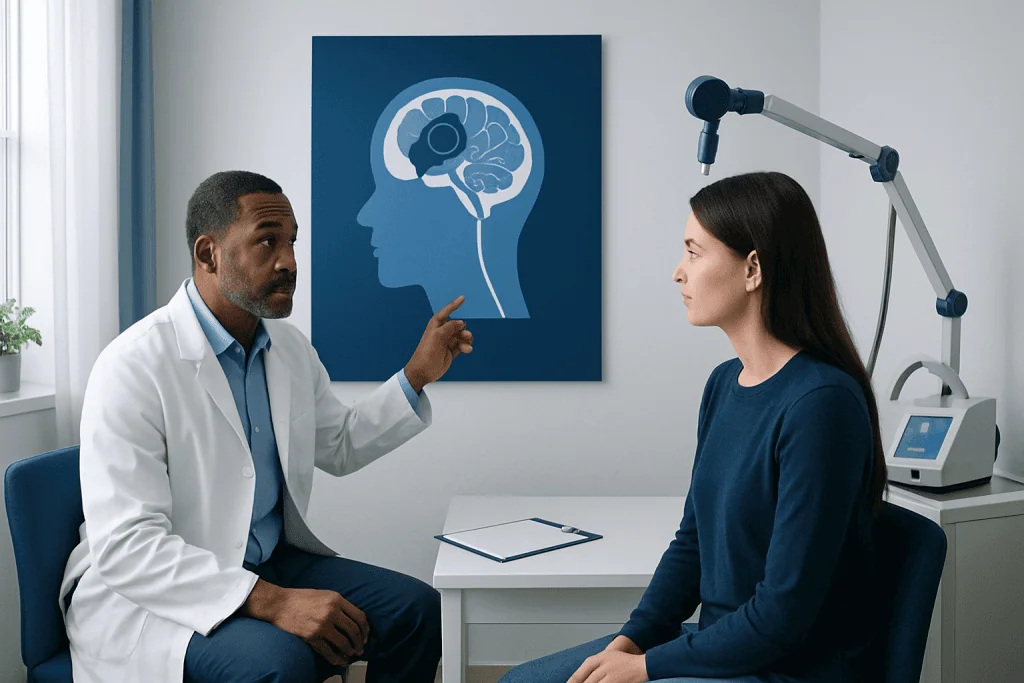
TMS therapy works by generating a magnetic field that induces small electrical currents in targeted brain tissue. The goal is to influence networks involved in mood regulation, especially areas of the prefrontal cortex. Repeated stimulation over a planned series of sessions may help normalize patterns of brain activity associated with depression.
The treatment is carefully mapped to the patient. At the start, the team identifies the best placement and stimulation intensity, often using a motor threshold measurement. This helps personalize treatment while keeping it within established safety standards.
Several protocols may be used, including standard repetitive TMS and shorter forms such as intermittent theta burst stimulation in selected clinics. The exact schedule varies, but sessions are typically repeated over several weeks because the benefits of TMS usually build gradually rather than appearing after a single visit.
In practice, TMS is one part of a broader care plan. Depending on the individual, it may be combined with psychotherapy, medication adjustments, sleep support, or other specialist-led approaches in psychiatric care.
Who may benefit and what the risk factors are
The people most likely to be evaluated for TMS therapy are those with major depressive disorder that has not responded adequately to prior treatment. A psychiatrist reviews how long symptoms have been present, what treatments have been tried, whether they were taken at an effective dose and duration, and how strongly symptoms affect daily functioning.
Risk factors in this context usually refer to factors linked with depression itself or with a more complex treatment course. These may include a personal or family history of mood disorders, chronic stress, trauma, coexisting anxiety, sleep disturbance, substance use, and certain medical illnesses. Having these factors does not mean TMS is required, but they may help explain why symptoms are persistent or recurrent.
Not everyone is a suitable candidate. TMS may not be appropriate for people with some types of metal or electronic implants near the head, depending on the device and its location. A history of seizures, significant neurological illness, or other psychiatric conditions may require additional assessment before treatment is recommended.
Because depression can overlap with neurological symptoms in some patients, doctors may sometimes coordinate care with neurology or other specialists. This multidisciplinary approach helps ensure that treatment plans are based on the full clinical picture rather than mood symptoms alone.
Diagnosis and evaluation before treatment
There is no blood test or scan that by itself determines whether someone should receive TMS therapy. The decision is based on a detailed clinical evaluation. This usually includes a psychiatric interview, symptom questionnaires, a review of previous treatments, current medicines, medical history, and any safety concerns such as seizure risk or implanted devices.
The specialist also confirms the diagnosis. For example, symptoms that look like depression may sometimes occur in bipolar disorder, grief-related conditions, medication effects, or endocrine disease. Identifying the correct diagnosis matters because it influences whether TMS is appropriate and how other treatments should be adjusted.
Some patients may need additional assessments to rule out contributing conditions. Depending on symptoms, this can include laboratory tests, sleep assessment, or brain-related evaluation. In selected cases, brain MRI may be used as part of a broader neurological work-up, although it is not routinely required for every person considering TMS.
Before starting, the care team explains the expected schedule, possible side effects, realistic goals, and how progress will be measured. This shared decision-making process helps patients understand that TMS is evidence-based but not instant, and that outcomes vary from person to person.
What treatment involves, benefits, and possible side effects
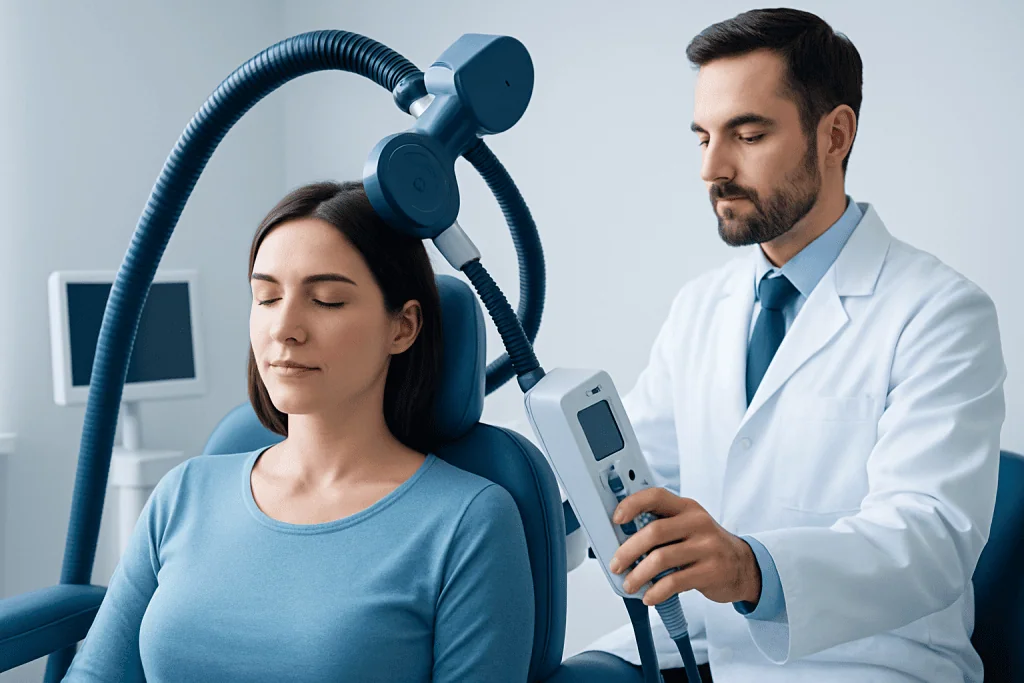
A TMS session is usually performed in an outpatient setting. The patient sits in a treatment chair while a magnetic coil is positioned on the scalp. The pulses create a tapping sensation on the head, and hearing protection may be used because the machine makes clicking sounds. Sessions are repeated according to the protocol recommended by the treating team.
Potential benefits include a reduction in depressive symptoms, better concentration, improved energy, and improved day-to-day functioning. Some people experience meaningful improvement during the treatment course, while others notice change later or have a more limited response. Doctors usually monitor symptoms regularly to decide whether to continue, adjust, or combine treatment approaches.
Side effects are most often mild to moderate and temporary. They can include scalp discomfort, facial muscle twitching during stimulation, headache, lightheadedness, or fatigue after a session. These effects often lessen as treatment continues, and the team can adjust positioning or intensity to improve comfort.
Serious side effects are uncommon but can occur, including seizure in rare cases. This is why screening and trained supervision are important. If depression is severe or accompanied by urgent safety concerns, doctors may discuss other interventions as well, including electroconvulsive therapy in carefully selected situations.
Self-care, follow-up, and long-term outlook
TMS therapy works best when it is part of a comprehensive treatment plan. Good sleep habits, regular physical activity, structured daily routines, reduced alcohol or substance use, and ongoing psychotherapy can all support recovery. Patients are often encouraged to track mood, sleep, energy, and function throughout treatment so changes can be reviewed clearly with the care team.
Follow-up is important because depression can improve, recur, or fluctuate over time. Some people maintain benefit after one course of TMS, while others may need medication optimization, psychotherapy, or additional sessions later based on their doctor’s advice. The long-term outlook depends on the underlying condition, coexisting health issues, and how consistently treatment recommendations are followed.
Families and caregivers can also play a helpful role by noticing changes in daily functioning, supporting appointments, and encouraging open communication. When symptoms include suicidal thoughts, rapidly worsening mood, or major changes in behavior, urgent medical attention is necessary rather than waiting for the next routine visit.
Near the end of treatment planning, some patients may seek care in centers with coordinated mental health and neurological services. Acibadem International’s multidisciplinary specialists and JCI-accredited hospitals diagnose and treat conditions related to TMS therapy for international patients, with treatment plans tailored to the individual’s evaluation.
When to seek medical care
A person should seek medical evaluation if symptoms of depression last more than two weeks, keep returning, or begin to interfere with work, school, relationships, sleep, appetite, or self-care. Early assessment can help identify the cause of symptoms and open a discussion about evidence-based treatments, including whether TMS therapy may be relevant.
Prompt care is especially important when there is severe anxiety, inability to function, medication intolerance, or little improvement despite treatment. A specialist can review whether the diagnosis is correct, whether treatment has been optimized, and whether additional options are appropriate.
Emergency help is needed for suicidal thoughts, self-harm risk, psychotic symptoms, extreme agitation, or sudden confusion. In these situations, immediate emergency services or urgent psychiatric care is the safest choice.
Frequently asked questions
What is TMS therapy mainly used for?
TMS therapy is mainly used to treat major depressive disorder, especially when symptoms have not improved enough with antidepressant medication, psychotherapy, or both. In some settings, specialists may also use it for other conditions, but depression remains its most established use.
Is TMS therapy painful?
Most people do not describe TMS therapy as painful, but it can feel uncomfortable at first. Common sensations include tapping on the scalp, mild headache, or temporary scalp tenderness, which often improve as treatment continues.
How long does it take for TMS therapy to work?
TMS therapy usually works gradually rather than immediately. Some patients notice improvement within a few weeks, while others need more time or may have a partial response that is assessed over the full treatment course.
Can a person drive home after a TMS session?
In many cases, yes. Because TMS therapy does not usually require anesthesia or sedation, patients can often return to normal daily activities after treatment, unless their doctor advises otherwise for a specific reason.
Who should not have TMS therapy?
TMS may not be suitable for everyone. People with certain metal fragments or electronic implants in or near the head, a seizure history, or specific neurological or psychiatric conditions need careful evaluation before treatment is recommended.
Does TMS therapy replace antidepressants or psychotherapy?
Not always. For some people, TMS is added to existing treatment rather than replacing it, and the best plan depends on diagnosis, symptom severity, previous treatment response, and patient preference.
References
- National Institute of Mental Health
- U.S. Food and Drug Administration
- American Psychiatric Association
- National Institute for Health and Care Excellence
- Mayo Clinic
This article is for general information only and is not a substitute for professional medical advice. Please consult a qualified doctor about your individual situation.
Explore treatments in Turkey — costs, top hospitals & a free quote
JCI-accredited · board-certified surgeons · reply within 24h
Add us as a Preferred Source to see more of our trusted health content across Google Search, AI Overviews and Discover.