Tobacco: What Patients Need to Know

Tobacco use increases the risk of cancer, heart disease, stroke, lung disease, and pregnancy complications. Nicotine can lead to dependence, making tobacco difficult to stop without support.
Key Takeaways
- Tobacco use increases the risk of cancer, heart disease, stroke, lung disease, and pregnancy complications.
- Nicotine can lead to dependence, making tobacco difficult to stop without support.
- Secondhand smoke and smokeless tobacco also carry serious health risks.
- Quitting tobacco brings benefits within days to months and continues to lower risk over time.
- Behavioral support, medicines, and medical follow-up can improve the chances of quitting successfully.
Tobacco is a major cause of preventable disease because it exposes the body to nicotine, toxic chemicals, and cancer-causing substances. Patients should know that tobacco affects nearly every organ, and stopping use at any stage can meaningfully improve health.
Overview: what tobacco does to the body
Tobacco is not just a habit. It is a health risk that can damage the lungs, heart, blood vessels, brain, mouth, digestive system, and reproductive health. It also contains nicotine, a substance that can cause dependence, which is one reason many people find tobacco hard to stop even when they want to.
Tobacco may be smoked, chewed, sniffed, or used in other forms. Cigarettes are the most common smoked product, but cigars, pipes, water pipes, and smokeless products also expose the body to harmful chemicals. Smoke from tobacco contains many toxic substances, including compounds known to raise the risk of cancer.
One of the most important facts for patients is that quitting helps at any age and after any duration of use. The body begins to recover soon after tobacco exposure stops. While some risks depend on how long and how heavily a person used tobacco, stopping can still improve breathing, circulation, and long-term health outlook.
Types of tobacco and why all forms matter
Patients sometimes assume that only cigarettes are dangerous, but all tobacco products carry health concerns. Smoking products deliver toxic combustion byproducts into the lungs and bloodstream. Smokeless tobacco does not involve inhaling smoke, but it still exposes the body to nicotine and harmful chemicals that can affect the mouth, gums, and overall health.
Common forms include cigarettes, cigars, pipes, hookah or water pipe tobacco, chewing tobacco, snuff, and snus. Some products are flavored or marketed in ways that make them seem milder, but this does not make them safe. The pattern of risk may differ by product, yet there is no safe tobacco product.
Secondhand smoke is also important. People who do not use tobacco can still be harmed by regular exposure to smoke at home, in cars, or in workplaces. Children, pregnant people, older adults, and those with asthma or heart disease may be especially affected.
- Smoked tobacco mainly harms the lungs and cardiovascular system.
- Smokeless tobacco can injure oral tissues and increase dependence on nicotine.
- Secondhand smoke can raise the risk of respiratory illness and heart problems in non-users.
Symptoms and health effects linked to tobacco

Tobacco use may not cause obvious symptoms at first, which can make its harm easy to underestimate. Over time, however, many people develop persistent cough, shortness of breath, wheezing, reduced exercise tolerance, sore throat, bad breath, gum disease, or changes in taste and smell. In some cases, tobacco also contributes to chest discomfort, poor circulation, or slow wound healing.
Long-term tobacco exposure is strongly associated with serious diseases. These include coronary artery disease, stroke, chronic lung disease, and cancers affecting the lung, mouth, throat, bladder, pancreas, kidney, cervix, and other organs. Patients with tobacco-related breathing symptoms may later be diagnosed with chronic obstructive pulmonary disease, while persistent cough, coughing up blood, or unexplained weight loss may need urgent assessment for lung cancer.
Tobacco can also affect fertility, sexual health, pregnancy, bone health, and immune function. During pregnancy, tobacco use raises the risk of miscarriage, premature birth, low birth weight, and other complications. In children, secondhand smoke exposure can worsen asthma, trigger ear infections, and increase respiratory infections.
Why tobacco is addictive and who is at higher risk
Nicotine reaches the brain quickly and activates reward pathways that can create cravings and reinforce repeated use. Over time, the brain adapts to nicotine exposure, so a person may experience withdrawal symptoms when trying to stop. These symptoms can include irritability, anxiety, restlessness, low mood, trouble concentrating, increased appetite, and strong urges to use tobacco again.
Dependence is not a sign of weak willpower. It is a recognized medical issue influenced by biology, behavior, mental health, environment, stress, and social context. Many people use tobacco to cope with daily pressure, difficult emotions, or established routines such as driving, socializing, or drinking coffee.
Certain factors can increase the likelihood of starting or continuing tobacco use, including early exposure in adolescence, family or peer tobacco use, depression or anxiety, alcohol or substance use, chronic stress, and limited access to support for quitting. Understanding these influences can help patients choose realistic strategies instead of relying on willpower alone.
How doctors assess tobacco-related harm
Doctors usually begin with a detailed history. They may ask what form of tobacco a person uses, how much, how long, whether there is secondhand smoke exposure, and whether the person has tried to quit before. This conversation helps guide both screening and treatment planning.
Assessment may also include a physical exam and tests based on symptoms or risk factors. These can include blood pressure checks, heart and lung evaluation, blood tests, lung function testing, or imaging when needed. If a patient has warning signs such as a lasting cough, voice changes, mouth sores, swallowing difficulty, or chest symptoms, a doctor may recommend further evaluation.
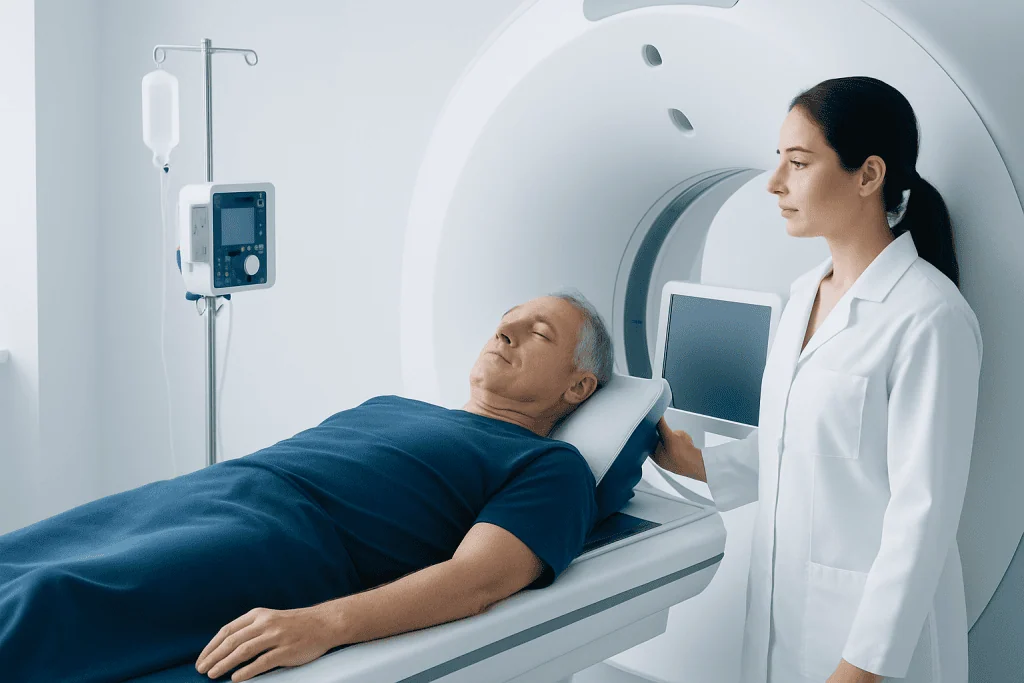
In some cases, tobacco use is part of a broader assessment for disease prevention. Patients at higher risk may need support for cardiovascular risk reduction, oral health evaluation, cancer screening discussions, or specialty care. Depending on symptoms, doctors may consider tests used in comprehensive health check-up visits or further imaging such as MRI imaging when investigating complications not explained by initial exams.
Treatment options and quitting support
The most effective treatment for tobacco dependence usually combines behavioral support with evidence-based medicines when appropriate. Behavioral support may include counseling, practical coping strategies, identifying triggers, relapse planning, and regular follow-up. Many patients do better when quitting is treated as a process rather than a single event.
Doctors may recommend nicotine replacement therapy or prescription medicines to reduce withdrawal symptoms and cravings. These options should be chosen with medical guidance, especially for people who are pregnant, have heart disease, take other medicines, or have a history of mental health conditions. A personalized quit plan often includes a quit date, trigger management, social support, and alternatives for stressful situations.
If tobacco has already contributed to disease, treatment may also involve care for those complications. This might include respiratory support, heart evaluation, oral health treatment, or cancer care. In patients whose tobacco use has contributed to severe cardiovascular disease, doctors may discuss advanced options such as cardiovascular surgery if needed for the underlying condition, alongside stopping tobacco to improve recovery and long-term outcomes.
Relapse can happen and should be approached without blame. Many people need several attempts before they stop for good. Each attempt can teach useful lessons about triggers, routines, and the type of support that works best.
Prevention, self-care, and protecting family members
Prevention starts with avoiding tobacco altogether and reducing exposure to secondhand smoke. For current users, self-care focuses on making quitting more manageable. Helpful steps include removing tobacco products from the home and car, planning for cravings, avoiding common triggers at first, and asking family or friends for support.
Healthy routines can ease the quitting period. Drinking water, staying physically active, improving sleep habits, and using stress-reduction techniques may reduce discomfort and help with mood. Some people benefit from keeping the hands or mouth busy with sugar-free gum or other non-tobacco substitutes, though these are not a replacement for medical treatment when dependence is strong.
Protecting others matters too. Smoke-free homes and cars lower exposure for children and other household members. Parents and caregivers should know that there is no safe level of secondhand smoke, and opening a window does not reliably remove harmful particles.
Near the end of the quitting journey, ongoing follow-up can be valuable. Acibadem International’s multidisciplinary specialists and JCI-accredited hospitals support international patients with diagnosis, counseling, and treatment for tobacco-related conditions when specialist care is needed.
When to seek medical care
Medical care is important if a person wants help quitting and is struggling with cravings, withdrawal, or repeated relapse. Professional support can improve success and may identify related issues such as anxiety, depression, sleep problems, or alcohol use that make quitting harder.
A doctor should also be consulted promptly for symptoms that may suggest tobacco-related illness. These include a cough lasting several weeks, shortness of breath, chest pain, wheezing, coughing up blood, unexplained weight loss, a mouth sore that does not heal, hoarseness, trouble swallowing, or leg pain with walking. Urgent medical attention is needed for severe chest pain, signs of stroke, or serious breathing difficulty.
Even without symptoms, regular checkups are useful for people who currently use tobacco or used it heavily in the past. Preventive care can help assess cardiovascular risk, discuss screening options, and support long-term recovery after quitting.
Frequently asked questions
Is any form of tobacco safer than another?
No tobacco product is considered safe. Different products may affect the body in different ways, but all can expose users to nicotine and harmful chemicals. Even smokeless tobacco and secondhand smoke can lead to serious health problems.
How quickly does health improve after quitting tobacco?
The body starts to recover soon after tobacco use stops. Blood pressure and circulation can improve early, and breathing may gradually become easier over time. Longer-term benefits continue to build, including lower risks of heart disease, stroke, lung disease, and some cancers.
Why is quitting tobacco so difficult?
Nicotine can create dependence by affecting reward pathways in the brain. When tobacco use stops, withdrawal symptoms and cravings can make quitting feel physically and emotionally difficult. This is why many people benefit from a structured treatment plan rather than trying to stop without support.
Can secondhand smoke really cause health problems?
Yes. Regular exposure to secondhand smoke can harm both children and adults, even if they do not use tobacco themselves. It may worsen asthma, increase respiratory infections, and raise the risk of heart disease and other illnesses.
Should a person see a doctor before trying to quit?
Many people can begin planning to quit right away, but medical advice can be very helpful, especially for those with heart disease, lung disease, pregnancy, mental health concerns, or heavy tobacco use. A doctor can suggest safe treatment options and help manage withdrawal symptoms. Support is also useful for anyone who has tried to quit before and returned to tobacco.
Does cutting down help if someone cannot quit immediately?
Reducing tobacco use may be a step toward quitting, but it does not remove health risks completely. Complete cessation provides the greatest benefit. For many patients, a gradual reduction plan works best when paired with counseling or medicine under medical guidance.
References
- World Health Organization
- Centers for Disease Control and Prevention
- U.S. Surgeon General
- National Cancer Institute
- American Lung Association
This article is for general information only and is not a substitute for professional medical advice. Please consult a qualified doctor about your individual situation.
Oncology care in Turkey — second opinion and treatment plan
JCI-accredited · board-certified surgeons · reply within 24h
Add us as a Preferred Source to see more of our trusted health content across Google Search, AI Overviews and Discover.