Toe Clawing Treatment: How It Works, Results and What to Expect

Claw toes bend upward at the toe base and downward at the middle and end joints. Early, flexible toe clawing may improve with shoes, pads, orthotics and guided exercises.
Key Takeaways
- Claw toes bend upward at the toe base and downward at the middle and end joints.
- Early, flexible toe clawing may improve with shoes, pads, orthotics and guided exercises.
- Surgery may be considered when pain continues, corns recur or the toe deformity is rigid.
- The best treatment depends on the affected joints, underlying cause, circulation, nerve health and activity needs.
- New numbness, weakness, wounds or color changes in the foot require prompt medical assessment.
Toe clawing treatment aims to relieve pressure, pain and difficulty wearing shoes while addressing the cause of the toe deformity. Options range from footwear and exercises for flexible toes to corrective procedures for toes that have become stiff or fixed.
Overview: What Toe Clawing Treatment Does
Toe clawing treatment is designed to reduce pain and rubbing, improve the ability to wear shoes and, when possible, restore a more comfortable toe position. In a claw toe, the toe is typically raised at the joint where it meets the foot and bent downward at the middle and end joints. This shape can create pressure over the top of the toe and beneath the ball of the foot.
Treatment is not the same for every person. A toe that can still be gently straightened is called flexible and may respond to non-surgical care. A toe that remains bent and stiff is more likely to need a procedure if it causes ongoing symptoms. Treatment also includes identifying contributors such as ill-fitting footwear, arthritis, previous injury, high foot arches, muscle imbalance, diabetes or neurological conditions.
Claw toes may affect one toe or several toes and can occur alongside other forefoot concerns. A foot and ankle specialist can distinguish claw toe from related deformities such as hammertoe and mallet toe, because the joints involved and the most suitable treatment can differ.
How Toe Clawing Develops and Who May Benefit From Treatment
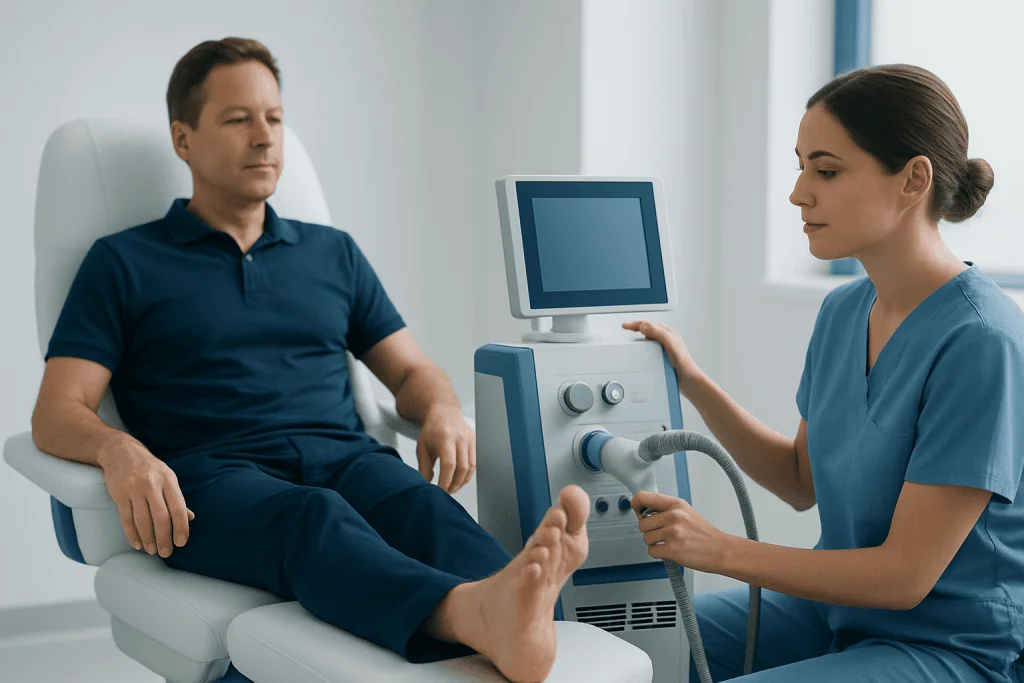
Toe clawing happens when the tendons and small muscles that control toe position become unbalanced. Over time, the joints can gradually adapt to the bent position. Some people notice the change after years of wearing narrow or shallow shoes, while others develop it in association with structural foot shape, inflammatory arthritis, trauma or nerve and muscle disorders.
People may benefit from assessment when the toes hurt in shoes, rub against footwear, develop corns or calluses, or make walking less comfortable. Treatment can also be helpful before skin pressure becomes a more serious problem. This is particularly important for people with diabetes, reduced sensation in the feet, poor circulation or a history of foot ulcers.
Surgery is usually not the first step for a painless, flexible deformity. It may be discussed when carefully selected non-surgical measures have not relieved symptoms, when the toe has become rigid, or when recurrent skin breakdown and pressure lesions create ongoing concern. A surgeon will consider the overall alignment of the foot rather than treating the toe in isolation.
Assessment and Planning Before Treatment
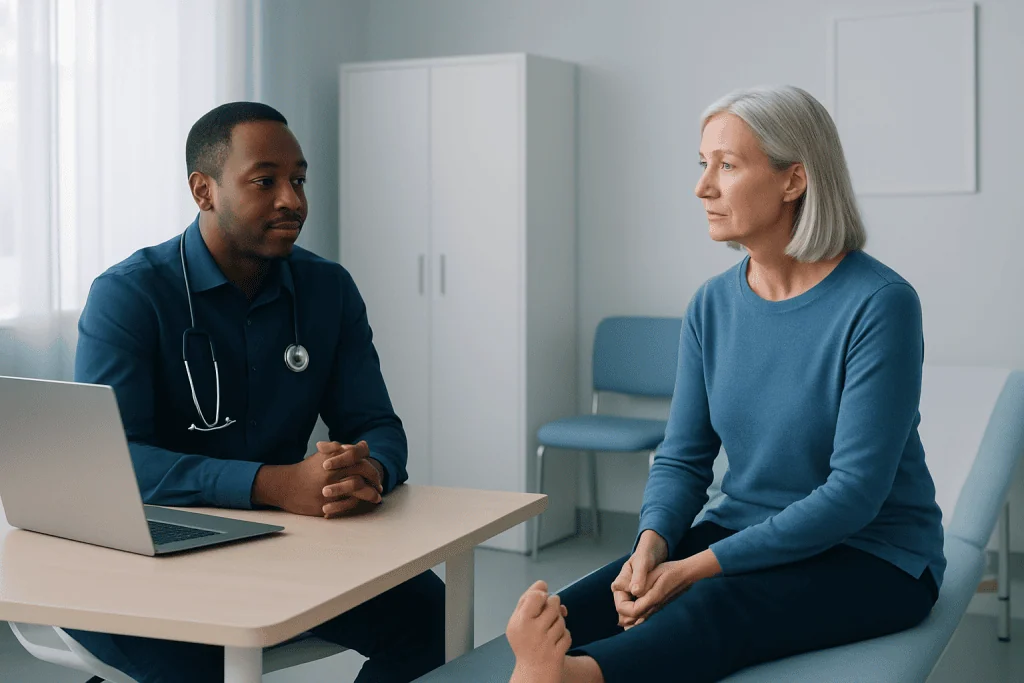
Assessment begins with a discussion of symptoms, daily activities, footwear and health conditions. The clinician examines whether the toe is flexible or fixed, checks areas of pressure and looks at the alignment of the forefoot, arch, ankle and lower leg. Walking may be observed to understand how forces move through the foot.
A neurological and circulation assessment may be appropriate, especially if there is numbness, tingling, weakness, diabetes or vascular disease. X-rays are commonly used when a deformity is persistent or surgery is being considered. They help show joint position, arthritis, bone alignment and other structural features that may affect planning.
Before a procedure, the care team reviews medications, allergies, smoking status and medical conditions that can influence anesthesia, wound healing or recovery. The treatment plan should include practical matters such as how weight-bearing will be managed, what footwear may be needed and whether help at home will be useful during the early recovery period.
Non-Surgical Toe Clawing Treatment
For many people, conservative care can meaningfully reduce symptoms. Shoes with a wide toe box, sufficient depth and a low heel can limit pressure on the tops and tips of the toes. Soft toe pads, protective sleeves or cushioning inserts may reduce rubbing, while custom or ready-made orthotics can help redistribute pressure beneath the forefoot.
Exercises and stretches may help preserve movement in flexible toes. Depending on the individual, a clinician or physiotherapist may recommend gentle toe-straightening stretches, calf stretching and exercises to support the small muscles of the foot. These approaches generally manage symptoms and flexibility; they may not fully correct a long-standing rigid deformity.
- Choose footwear that does not compress or force the toes into a bent position.
- Inspect the feet regularly for redness, hard skin, blisters or open areas.
- Use professionally advised pads or insoles rather than cutting corns at home.
- Seek podiatry or medical advice before using over-the-counter corn treatments, particularly in diabetes or reduced sensation.
If pain persists despite these measures, a foot and ankle specialist can review whether a targeted procedure is appropriate. The decision is based on symptoms and function, not the appearance of the toe alone.
Toe Clawing Procedures: How Surgery Works Step by Step
Corrective surgery aims to straighten the toe, reduce abnormal pressure and create a more stable, shoe-friendly position. The exact operation depends on which joints are involved, whether the toe is flexible, the condition of the tendons and bones, and whether other forefoot problems need correction at the same time.
For a flexible claw toe, procedures may involve releasing or lengthening tight tendons, sometimes combined with tendon transfer to improve balance around the toe. For a rigid deformity, the surgeon may reshape or remove a small part of bone at a toe joint, or fuse a joint in a straighter position. In selected cases, temporary pins may be used to hold alignment while healing occurs; they are generally removed during follow-up if used.
The procedure is commonly performed as day surgery under local anesthesia with sedation, regional anesthesia or general anesthesia, depending on the operation and the person’s health needs. After the foot is prepared, the surgeon makes small incisions, performs the planned correction, closes the skin and applies dressings. If other deformities are contributing to pressure, they may be addressed during the same operation when clinically appropriate.
Foot and ankle surgery may include procedures for claw toe and related forefoot alignment concerns. The treating surgeon explains the anticipated correction, alternatives, anesthesia plan and postoperative restrictions before surgery.
Benefits, Risks and Recovery Timeline
Potential benefits of toe clawing treatment include less pain from pressure points, fewer corns or calluses, improved shoe fit and easier walking. Surgical correction can improve the position of a fixed toe, but the goal is usually better comfort and function rather than a perfectly shaped foot. Results depend on the severity of deformity, healing, footwear and any underlying nerve, joint or circulation condition.
After surgery, the foot is protected with a dressing and sometimes a surgical shoe, boot or splint. Some procedures allow limited weight-bearing soon after surgery in a protective shoe, while others require a longer period of protection. Swelling is common and can last for several weeks or longer, so elevating the foot and following wound-care instructions are important. Follow-up visits monitor healing, alignment and any temporary fixation.
Many people gradually return to wider everyday shoes after the early healing phase, although the exact timeline varies by procedure and whether additional corrections were performed. Higher-impact activity generally resumes later, after the surgeon confirms adequate healing. It is important not to rush activity or footwear changes.
Possible surgical risks include infection, delayed wound healing, swelling, stiffness, numbness, ongoing pain, recurrence, overcorrection, blood clots and problems related to anesthesia. People with diabetes, smoking exposure, circulation problems or reduced sensation may have additional healing risks. A specialist can explain how these factors apply to the individual situation.
Prevention, Self-Care and When to Seek Medical Care
Not every case of toe clawing can be prevented, particularly when it is linked to inherited foot shape, arthritis or a neurological disorder. However, wearing well-fitting shoes, avoiding chronic toe compression and addressing painful calluses early may help reduce symptoms and slow worsening. Regular foot checks are useful for anyone with diabetes or reduced feeling in the feet.
Medical assessment is recommended when toe pain limits walking, footwear becomes difficult to tolerate, corns repeatedly return, or the toe is becoming increasingly stiff. A clinician should also evaluate toe clawing that begins with new weakness, numbness, balance changes or other neurological symptoms, as the underlying cause may need attention.
Prompt care is important for redness spreading around the toe, warmth, drainage, an open sore, a dark or pale color change, severe swelling, fever or a sudden inability to bear weight. These symptoms do not always indicate a serious problem, but they should not be managed with home treatment alone. Acibadem International’s multidisciplinary specialists and JCI-accredited hospitals can assess foot deformities and coordinate care for international patients when needed.
Frequently asked questions
Can toe clawing be corrected without surgery?
Flexible claw toes may be managed without surgery using roomier footwear, pads, orthotics and exercises recommended by a clinician. These measures can reduce pressure and discomfort, although they may not permanently straighten a long-standing deformity. A rigid or painful toe may require a surgical discussion.
Is claw toe surgery painful?
Discomfort is expected after surgery, particularly during the first days and weeks, but it is usually managed with the postoperative plan provided by the care team. Elevation, protecting the foot and taking prescribed or recommended pain relief as directed can help. Persistent worsening pain should be reported to the surgeon.
How long does recovery from claw toe surgery take?
Early wound healing often takes several weeks, while swelling and adjustment to regular shoes can take longer. The timeline depends on the procedure, the number of toes treated and whether other foot corrections were performed. The surgeon provides individualized guidance on weight-bearing, driving, work and exercise.
Will a claw toe come back after treatment?
Recurrence is possible, especially when an underlying muscle imbalance, neurological condition, footwear issue or broader foot deformity remains present. Appropriate footwear, follow-up care and management of contributing conditions can lower the chance of recurring pressure symptoms. Surgical planning also aims to address factors that make recurrence more likely.
What is the difference between claw toe and hammertoe?
Claw toe usually involves an upward bend at the joint near the foot and downward bends at the middle and end toe joints. Hammertoe more often refers to a bend at the middle toe joint, although descriptions can vary. A physical examination helps identify the specific deformity and guide treatment.
Should people with diabetes seek help earlier for claw toes?
Yes. Diabetes can be associated with reduced sensation, circulation changes and slower healing, which may make pressure areas more likely to develop into wounds. Any corn, blister, redness, skin break or change in toe color should be assessed promptly by a qualified healthcare professional.
References
- American Orthopaedic Foot & Ankle Society
- American Academy of Orthopaedic Surgeons
- NHS
- Mayo Clinic
This article is for general information only and is not a substitute for professional medical advice. Please consult a qualified doctor about your individual situation.
Joint and spine care in Turkey — expert assessment & treatment
JCI-accredited · board-certified surgeons · reply within 24h
Add us as a Preferred Source to see more of our trusted health content across Google Search, AI Overviews and Discover.