Tooth Hurts Remedy: An Evidence-Based Guide for Patients

A tooth hurts remedy is usually temporary because tooth pain often has an underlying dental cause. Cold compresses, gentle rinsing, and appropriate over-the-counter pain relief may help until a dentist can evaluate the problem.
Key Takeaways
- A tooth hurts remedy is usually temporary because tooth pain often has an underlying dental cause.
- Cold compresses, gentle rinsing, and appropriate over-the-counter pain relief may help until a dentist can evaluate the problem.
- Putting aspirin on the tooth or gum is not recommended because it can irritate or burn soft tissue.
- Severe pain, facial swelling, fever, trouble swallowing, or pain after injury needs urgent medical or dental care.
- Common causes include tooth decay, gum disease, cracked teeth, tooth sensitivity, and dental abscess.
A tooth hurts remedy can help reduce pain for a short time, but it does not fix the underlying cause. The safest approach is to use evidence-based self-care, avoid harmful home tricks, and arrange prompt dental assessment if pain persists, worsens, or comes with swelling or fever.
Overview: What to Do If a Tooth Hurts
If a person is searching for a tooth hurts remedy, the most useful first step is to control symptoms safely while arranging dental care. A painful tooth may improve temporarily with a cold compress, warm salt-water rinses, careful cleaning around the area, and suitable over-the-counter pain relief if a clinician or pharmacist says it is appropriate. These measures can reduce discomfort, but they do not remove decay, repair a crack, or treat an infection.
Tooth pain is a symptom rather than a diagnosis. It may come from a cavity, inflamed tooth pulp, gum disease, a cracked filling, a damaged tooth, grinding, or a problem outside the tooth such as sinus pressure or jaw joint strain. Because the causes vary, the best remedy depends on why the tooth hurts.
It is also important to avoid common but unhelpful home approaches. Applying aspirin directly to the gum, placing very hot or very cold substances on the tooth, or delaying care for severe symptoms can make the problem worse. A safer plan is temporary symptom relief plus professional evaluation, especially if the pain lasts more than a day or two or keeps returning.
Common Symptoms That Can Come With Tooth Pain
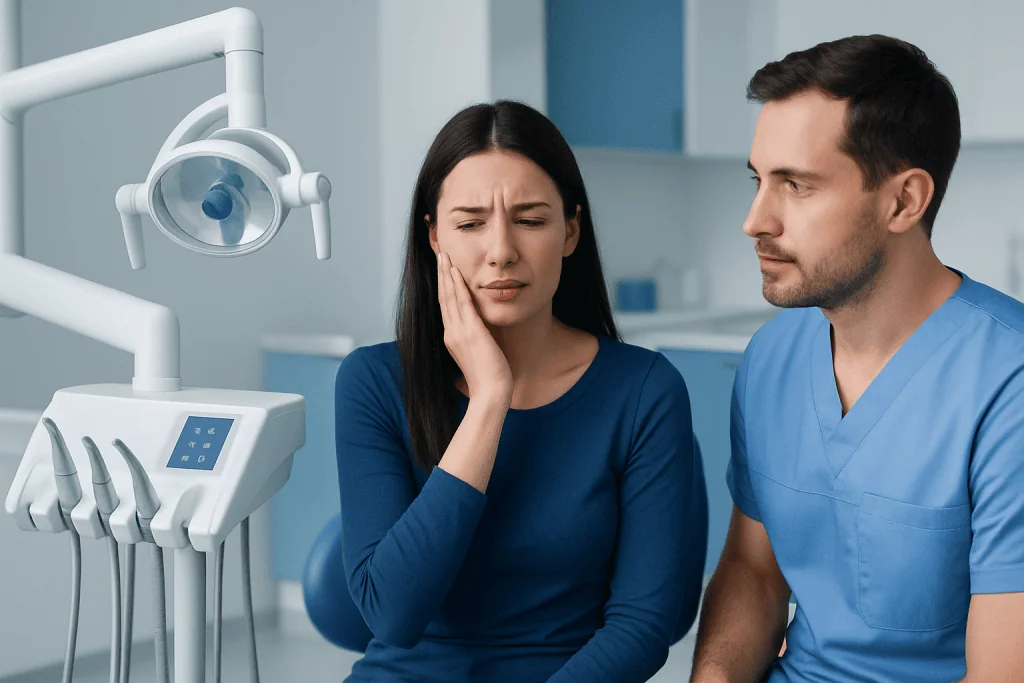
Tooth pain can feel sharp, throbbing, constant, or intermittent. Some people notice pain only when chewing, biting, or drinking something hot, cold, or sweet. Others feel deep pressure or aching that spreads to the jaw, ear, or side of the face.
Associated symptoms can offer clues to the cause. Sensitivity to cold may happen with early decay, exposed dentin, gum recession, or a cracked tooth. A lingering ache after heat, spontaneous throbbing, or pain that wakes a person from sleep may suggest inflammation deeper inside the tooth. Gum tenderness, bleeding, bad taste, or swelling can point to gum disease or infection.
Warning symptoms deserve faster attention. These include visible facial swelling, pus, fever, trouble opening the mouth, bad breath that does not improve, pain after a blow to the face, or a loose adult tooth. If tooth pain occurs with swelling or signs of infection, urgent assessment is especially important because dental infections can spread beyond the tooth.
Why Teeth Hurt: Likely Causes and Risk Factors

The most common reason for tooth pain is tooth decay. Bacteria in dental plaque produce acids that wear away enamel and create cavities. If decay reaches the inner part of the tooth, the pulp can become inflamed and painful. In some cases, untreated decay can lead to a dental abscess, which often causes severe throbbing pain, swelling, and tenderness.
Gum problems are another frequent cause. Inflamed or infected gums can make teeth feel sore or loose, especially during brushing or chewing. Receding gums may expose sensitive root surfaces, which can lead to brief, sharp pain with cold air, cold drinks, or sweets. Problems such as cracked teeth, worn fillings, erupting wisdom teeth, grinding or clenching, and recent dental procedures can also trigger discomfort.
Sometimes the pain is referred from another area. Sinus inflammation can create pressure in upper back teeth, and jaw joint strain can cause aching near the molars. Risk factors for tooth pain include inconsistent brushing and flossing, high sugar intake, dry mouth, tobacco use, nighttime grinding, and skipping regular dental checkups. People with a history of gum disease or repeated cavities are more likely to experience recurrent tooth symptoms.
Evidence-Based Tooth Hurts Remedies at Home
The safest home measures are designed to reduce irritation and ease pain until care is available. Gently rinsing the mouth with warm salt water can help clear debris and soothe irritated tissues. If food is trapped between teeth, careful flossing may relieve pressure. Holding a cold compress against the outside of the cheek for short periods may reduce swelling and numb pain, especially after minor trauma.
For many adults, nonprescription pain medicine may help when used according to the product label and personal medical advice. However, these medicines are not suitable for everyone, including some people with stomach ulcers, kidney disease, bleeding risks, liver disease, pregnancy, or medication interactions. A pharmacist, dentist, or doctor can advise on what is appropriate. Topical numbing gels may offer short relief in selected cases, but they are not a substitute for diagnosis.
Some popular internet remedies are best avoided. Placing aspirin on the tooth or gum can chemically irritate soft tissue. Very strong alcohol, undiluted essential oils, or extreme temperatures may worsen pain or injure the mouth. If symptoms keep returning despite home care, the problem is unlikely to resolve fully without treatment.
- Try warm salt-water rinses.
- Floss gently to remove trapped food.
- Use a cold compress on the cheek.
- Avoid very hot, cold, sugary, or hard foods if they trigger pain.
- Keep the head slightly elevated when resting if throbbing feels worse lying flat.
How Dentists Find the Cause
Finding the right tooth hurts remedy starts with identifying the source of pain. A dentist will usually ask when the pain began, whether it is triggered by hot, cold, sweets, or biting, and whether there has been swelling, fever, trauma, or recent dental work. This history helps narrow the possible causes.
The examination may include checking the gums, looking for visible decay or cracks, gently tapping the tooth, testing response to temperature, and assessing the bite. Dental X-rays are often useful because they can show cavities between teeth, infection around a tooth root, bone changes, impacted teeth, or problems under fillings and crowns.
In some cases, the source is not obvious at first, particularly if pain is referred from the sinuses or jaw joint. When symptoms point away from the tooth itself, a doctor or dentist may recommend further evaluation. Accurate diagnosis matters because the right treatment for sensitivity is different from the right treatment for infection, fracture, or advanced pulp inflammation.
Treatment Options That Address the Cause
Professional treatment depends on what is causing the pain. If a cavity is the problem, the dentist may remove decay and place a filling. If a tooth is cracked, a restoration or crown may help protect it. Pain caused by grinding or clenching may improve with a night guard and bite assessment. If gum disease is contributing, thorough cleaning and periodontal care can reduce inflammation.
When the inner pulp is inflamed or infected, a root canal treatment may be recommended to remove infected tissue and preserve the tooth. If the tooth cannot be saved, tooth extraction may be necessary. Infections around the gum or root may also require drainage or other urgent dental treatment. Antibiotics are not needed for every toothache, but they may be used when there is spreading infection, swelling, or systemic symptoms.
If a person has chronic gum inflammation, treatment may include care for gum disease along with improved daily oral hygiene. After evaluation, some patients may also need dental implants or other restorative options if a tooth is lost. Near the end of the care pathway, multidisciplinary specialists at Acibadem International and its JCI-accredited hospitals diagnose and treat dental conditions for international patients when more advanced evaluation or coordinated treatment is needed.
Prevention and Self-Care for Future Tooth Pain
Many episodes of tooth pain can be prevented with consistent oral hygiene and regular dental care. Brushing twice a day with fluoride toothpaste and cleaning between the teeth daily help lower the risk of cavities and gum disease. Routine dental visits allow early treatment before minor problems become painful emergencies.
Diet also matters. Limiting frequent sugary snacks and acidic drinks can reduce enamel wear and cavity risk. Drinking water, especially after meals, supports saliva and helps rinse the mouth. People with dry mouth should discuss it with a clinician because saliva plays an important role in protecting teeth.
Protective habits can make a difference as well. Wearing a mouthguard during contact sports helps prevent traumatic tooth injuries. If clenching or grinding is suspected, a dentist can assess tooth wear and discuss management. Sensitive teeth may improve with desensitizing toothpaste, gentler brushing, and treatment of gum recession or erosion if present.
When to Seek Medical Care
Prompt dental care is recommended if a tooth hurts for more than one or two days, if the pain keeps returning, or if chewing becomes difficult. Evaluation is also important when a filling falls out, a tooth cracks, or sensitivity suddenly becomes more intense. Even when pain settles, the underlying problem may still be present.
Urgent medical or dental care is needed for facial swelling, fever, pus, a bad taste with swelling, a loose adult tooth, bleeding after injury, or trouble swallowing or breathing. These can be signs of a significant infection or trauma that needs timely treatment. Children, pregnant patients, and people with weakened immune systems should also seek advice promptly if they have dental pain.
If pain follows a blow to the mouth or jaw, early assessment can help save the tooth and identify fractures. Seeking care sooner rather than later often allows simpler treatment and reduces the chance of complications.
Frequently asked questions
What is the best tooth hurts remedy at home?
The safest short-term measures are warm salt-water rinses, gentle flossing if food is trapped, a cold compress on the cheek, and appropriate over-the-counter pain relief if medically suitable. These steps may ease symptoms, but they do not treat the underlying cause, so dental assessment is still important.
Why does my tooth hurt more at night?
Tooth pain may feel worse at night because distractions are fewer and lying down can increase pressure in inflamed tissues. If nighttime pain is persistent, throbbing, or wakes a person from sleep, a dentist should evaluate it soon.
Should aspirin be placed directly on the tooth or gum?
No. Aspirin should not be placed on the tooth or gum because it can irritate or burn the soft tissue. If pain relief medicine is appropriate, it should only be used as directed on the label or by a healthcare professional.
Can a toothache go away on its own?
Sometimes the pain lessens temporarily, especially if irritation settles or trapped food is removed. However, the underlying issue, such as decay, a crack, or infection, may still remain and can worsen later without treatment.
When is tooth pain an emergency?
Tooth pain is urgent if it comes with facial swelling, fever, pus, trouble swallowing, trouble breathing, severe trauma, or a loose adult tooth. These signs can suggest infection or injury that needs prompt professional care.
Can sinus problems cause tooth pain?
Yes. Sinus pressure can sometimes cause aching in the upper back teeth because the roots are close to the sinus cavities. If tooth pain appears with congestion, facial pressure, or recent upper respiratory symptoms, a clinician can help distinguish the cause.
References
- American Dental Association
- National Institute of Dental and Craniofacial Research
- Mayo Clinic
- National Health Service
- World Health Organization
This article is for general information only and is not a substitute for professional medical advice. Please consult a qualified doctor about your individual situation.
Explore treatments in Turkey — costs, top hospitals & a free quote
JCI-accredited · board-certified surgeons · reply within 24h
Add us as a Preferred Source to see more of our trusted health content across Google Search, AI Overviews and Discover.