Tourette Syndrome in Children: Tics, Triggers, and When to Seek Specialist Care

Tourette syndrome involves both motor tics and vocal tics that begin in childhood. Tics often change over time and may become less severe during adolescence.
Key Takeaways
- Tourette syndrome involves both motor tics and vocal tics that begin in childhood.
- Tics often change over time and may become less severe during adolescence.
- Stress, fatigue, excitement, and illness can make tics more noticeable, but they do not cause the condition.
- Many children also have ADHD, OCD, anxiety, or learning challenges that may need attention.
- Diagnosis is clinical and usually does not require extensive testing unless another condition is suspected.
- Treatment focuses on education, behavioral therapy, and medication only when symptoms interfere with daily life.
Tourette syndrome in children is a neurological condition that causes repeated motor and vocal tics. Although tics can be frustrating or socially challenging, many children do well with education, support, and tailored treatment when needed.
Overview
Tourette syndrome in children is a neurodevelopmental condition marked by repeated, involuntary movements and sounds called tics. To meet the definition of Tourette syndrome, a child has both motor tics, such as blinking or shoulder shrugging, and vocal tics, such as throat clearing or grunting, that have been present for more than a year and started before age 18.
Tics can look unusual, but they are not usually dangerous. Many children describe a rising urge or uncomfortable sensation before a tic, followed by relief after the movement or sound happens. Some children can briefly hold back a tic, especially at school or in social situations, but this often takes effort and may lead to a rebound later when they relax.
The course of Tourette syndrome is different for every child. Tics commonly begin in early school years, often change in type and intensity over time, and may become less noticeable in the teen years. Families often benefit from understanding that fluctuations are typical and do not necessarily mean the condition is worsening.
Symptoms and Types of Tics
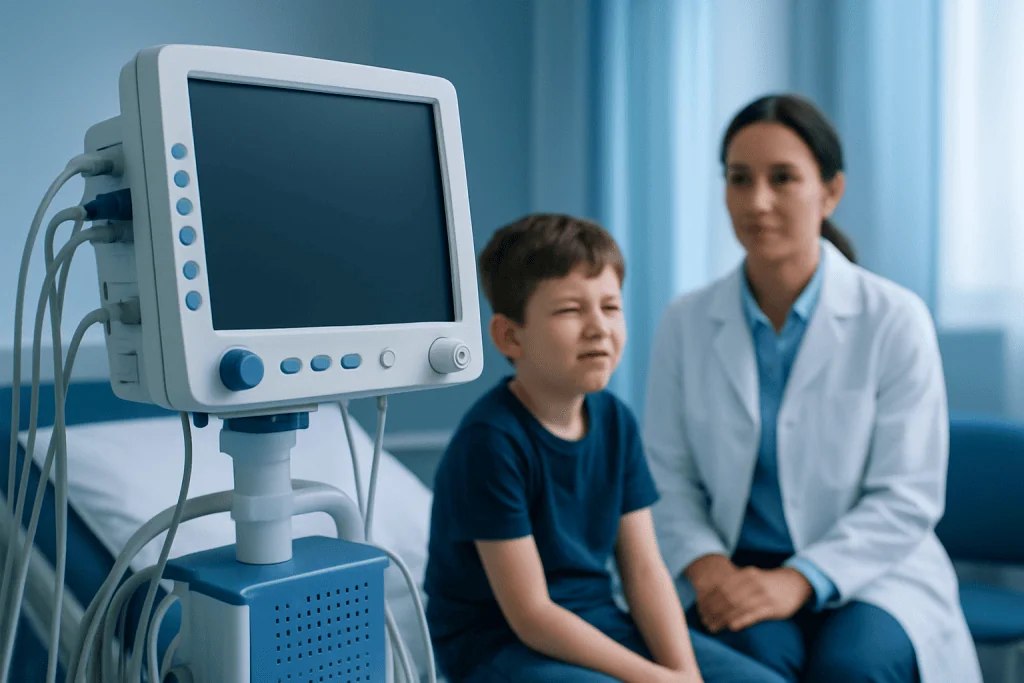
Tics are usually divided into motor and vocal types. Motor tics involve movement, while vocal tics involve sounds made by moving air through the nose, mouth, or throat. Tics can also be simple or complex. Simple tics are brief and involve only a few muscles or sounds, while complex tics may appear more coordinated or patterned.
Common motor tics include eye blinking, facial grimacing, nose twitching, shoulder shrugging, head jerking, or arm movements. Common vocal tics include throat clearing, sniffing, coughing, squeaking, humming, or repeating certain sounds. In some children, tics are mild and barely interfere with daily life. In others, they can affect concentration, self-confidence, sleep, or participation in school and activities.
Tics often wax and wane. This means they can improve for weeks or months and then become more noticeable again. The type of tic may also change over time. A child who starts with blinking may later develop shoulder movements or throat clearing instead.
- Simple motor tics: blinking, grimacing, shrugging, head jerks
- Complex motor tics: touching, hopping, twisting, repeating movements
- Simple vocal tics: sniffing, throat clearing, coughing, grunting
- Complex vocal tics: repeating words or phrases, changes in tone or rhythm
Some people associate Tourette syndrome mainly with involuntary swearing, but this symptom is uncommon. When it does occur, it is only one possible feature and not required for diagnosis. A fuller understanding can reduce stigma and help children feel more supported.
What Causes Tourette Syndrome and What Can Trigger Tics?

The exact cause of Tourette syndrome is not fully understood, but it is linked to differences in brain circuits involved in movement control and behavior. Genetic factors appear to play an important role, and Tourette syndrome often runs in families. This does not mean a parent caused the condition; rather, a child may inherit a tendency toward tics or related conditions.
Although triggers do not cause Tourette syndrome, they can make tics more noticeable. Common triggers include emotional stress, anxiety, fatigue, excitement, overstimulation, illness, or changes in routine. Some children also have more tics when they are concentrating intensely or, conversely, when they are unwinding after school.
Tourette syndrome can occur along with other conditions. Attention-deficit/hyperactivity disorder and obsessive-compulsive symptoms are especially common. Anxiety, mood changes, sleep difficulties, sensory sensitivities, and learning differences may also be present. In many children, these associated challenges affect daily life more than the tics themselves.
Because tics may overlap with other movement conditions, a specialist may consider related diagnoses such as tic disorders more broadly or other childhood movement disorders if the symptoms are unusual. Careful history-taking helps identify what is typical for Tourette syndrome and what may need a different evaluation.
How Doctors Diagnose Tourette Syndrome
Diagnosis is based mainly on a detailed medical history and observation of symptoms. A doctor will ask when the tics started, what types have occurred, how often they happen, and whether they change over time. The pattern matters: Tourette syndrome requires both motor and vocal tics at some point during the illness, beginning in childhood, and lasting for more than one year.
The evaluation also looks at how symptoms affect school, friendships, confidence, sleep, and family life. Parents and teachers may notice different things in different settings, so it can be helpful to bring videos or written notes. Children may suppress tics during an appointment, which does not rule out the diagnosis.
A physical and neurological examination is usually performed to make sure the movements are consistent with tics and not another condition. Most children do not need brain scans or extensive laboratory testing unless the history or examination suggests a different problem, such as seizures, medication side effects, or another neurological disorder.
Because associated conditions are common, the assessment may include screening for attention difficulties, compulsive behaviors, anxiety, mood symptoms, and learning problems. In some cases, a child may benefit from review by a pediatric neurology team and, when needed, support from psychology, psychiatry, speech, or educational specialists.
Treatment Options and Specialist Care
Not every child with Tourette syndrome needs active treatment for tics. If symptoms are mild and not causing distress or functional problems, education and reassurance may be enough. Understanding that tics are involuntary can help families, teachers, and classmates respond calmly and avoid drawing unnecessary attention to them.
When treatment is needed, behavioral therapy is often an important first step. A commonly used approach teaches the child to recognize the urge before a tic and use a competing response. This type of therapy can help some children reduce tic severity and feel more in control. Supportive counseling may also help with stress, self-esteem, or social difficulties.
Medication may be considered when tics are painful, disruptive, or interfere with school, sleep, communication, or safety. The choice of medicine depends on the child’s age, overall health, coexisting conditions, and the balance of benefits and side effects. If ADHD, OCD, anxiety, or sleep problems are significant, treating those issues may improve overall functioning even if tics remain present.
Children with complex symptoms may benefit from coordinated care that includes child neurology and behavioral health input. If there is uncertainty about the diagnosis or concern about another neurological issue, advanced neurological examination can help guide management. Near the end of the care pathway, some families also seek multidisciplinary assessment; Acibadem International’s specialists in JCI-accredited hospitals diagnose and treat Tourette syndrome and related pediatric neurological conditions for international patients.
Daily Support, School Strategies, and Self-care
Home and school support can make a meaningful difference. Children generally do best when adults respond to tics in a matter-of-fact way rather than scolding, punishing, or repeatedly asking them to stop. Since suppressing tics can be tiring, a child may need understanding after school or during periods of stress.
Healthy routines can help reduce triggers that make tics more visible. Adequate sleep, regular meals, physical activity, and balanced schedules may improve resilience. Relaxation strategies, predictable routines, and breaks during demanding tasks can also be useful, especially if stress or fatigue tends to worsen symptoms.
School adjustments may help when tics interfere with writing, concentration, tests, or classroom participation. Depending on the child’s needs, supports might include extra time on assignments, seating arrangements, short movement breaks, use of a keyboard, or educating staff about Tourette syndrome. When classmates and teachers understand the condition, social pressure often decreases.
- Encourage sleep and stress management
- Avoid criticizing or punishing involuntary tics
- Track patterns to identify common triggers
- Communicate with teachers about practical accommodations
- Seek support for ADHD, OCD, anxiety, or learning concerns if present
When to See a Doctor
A child should be assessed if repeated movements or sounds persist, change over time, or begin to interfere with daily activities. Parents may first notice frequent blinking, throat clearing, facial movements, or sudden sounds that seem difficult for the child to control. Early evaluation can provide reassurance and clarify whether the symptoms fit a tic disorder.
Medical review is especially important if tics cause pain, sleep disruption, emotional distress, social withdrawal, or problems at school. A specialist assessment may also be helpful if there are signs of attention problems, obsessive behaviors, anxiety, low mood, developmental concerns, or learning difficulties. Addressing these related issues often improves quality of life significantly.
Urgent medical attention is appropriate if movements are accompanied by loss of consciousness, weakness, developmental regression, severe behavioral change, or other symptoms that are not typical of tics. Families should also speak with a doctor if a sudden medication change seems to worsen movements or if there is uncertainty about the diagnosis. Clear guidance from a qualified clinician can help families move forward with confidence.
Frequently asked questions
At what age does Tourette syndrome usually start in children?
Tourette syndrome usually begins in childhood, often between ages 5 and 10. Early tics may be mild, such as blinking or throat clearing, and can change over time.
Can a child stop tics by trying harder?
Tics are involuntary, although some children can suppress them for short periods. Suppression often takes effort and may lead to a stronger urge to tic later.
Do stress and screen time cause Tourette syndrome?
No, stress and screen time do not cause Tourette syndrome. However, stress, fatigue, excitement, or overstimulation may make existing tics more noticeable in some children.
Will Tourette syndrome go away as a child gets older?
Many children experience improvement during adolescence, and some have very mild symptoms in adulthood. Even when tics continue, they often become easier to manage with time and support.
Does every child with Tourette syndrome need medication?
No. Medication is usually reserved for children whose tics cause pain, distress, or significant problems with school, sleep, communication, or daily life. Many children are managed with education, behavioral strategies, and treatment of associated conditions.
What conditions commonly occur with Tourette syndrome?
ADHD, obsessive-compulsive symptoms, anxiety, sleep problems, and learning difficulties can occur alongside Tourette syndrome. In some children, these related issues have a greater impact than the tics themselves.
References
- Centers for Disease Control and Prevention
- National Institute of Neurological Disorders and Stroke
- American Academy of Neurology
- National Health Service
- Tourette Association of America
This article is for general information only and is not a substitute for professional medical advice. Please consult a qualified doctor about your individual situation.
Tourette Syndrome in Turkey — costs, top hospitals & a free quote
JCI-accredited · board-certified surgeons · reply within 24h
Add us as a Preferred Source to see more of our trusted health content across Google Search, AI Overviews and Discover.