Toys to Reduce Stress: What Patients Need to Know

Stress relief toys may help with short-term tension, restlessness, and concentration. Different toys work in different ways, such as tactile stimulation, rhythmic movement, or deep pressure.
Key Takeaways
- Stress relief toys may help with short-term tension, restlessness, and concentration.
- Different toys work in different ways, such as tactile stimulation, rhythmic movement, or deep pressure.
- These tools do not treat anxiety disorders, depression, or other medical conditions on their own.
- Choosing a safe, age-appropriate toy and using it mindfully can improve comfort and usefulness.
- Persistent stress, panic, sleep problems, or mood changes should be discussed with a healthcare professional.
Toys to reduce stress can be useful, low-risk tools for calming the body and focusing the mind, especially during brief periods of tension or restlessness. They are most helpful when matched to a person’s needs and used alongside healthy stress-management habits rather than as a stand-alone solution.
Overview: Can toys really help reduce stress?
Toys to reduce stress can help some people feel calmer, more focused, and less physically tense. They usually work by giving the hands and senses a simple, repetitive activity, which may redirect attention away from stress for a short time and provide a sense of control during busy or emotionally demanding moments.
These tools are not only for children. Many adults use stress balls, textured fidgets, putty, sensory rings, or similar items at work, while studying, during travel, or while waiting for appointments. For some, the benefit comes from movement; for others, it comes from touch, pressure, or repetition.
It is important to keep expectations realistic. A stress-relief toy is best understood as a support tool, not a medical treatment. It may ease mild day-to-day stress, but ongoing anxiety, panic symptoms, depressed mood, or major sleep disruption usually need a broader care plan and, in some cases, professional evaluation.
How stress-relief toys may work
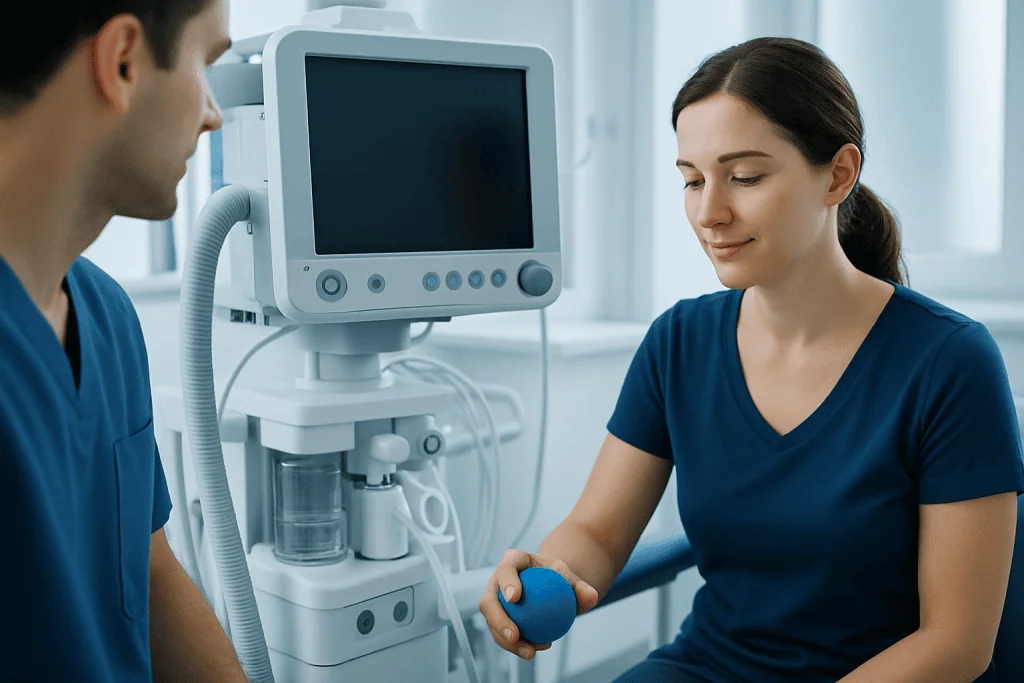
Stress affects both the mind and the body. A person under pressure may notice racing thoughts, shallow breathing, muscle tension, irritability, or difficulty concentrating. Toys designed for stress relief may help interrupt this stress response by encouraging repetitive hand movements, grounding attention in the present moment, or offering sensory input that feels regulating.
For example, squeezing a soft object can create a brief release of muscle tension. Twisting, rolling, or clicking a handheld toy may channel restless energy into a more organized action. Textured items can also support a grounding technique by helping a person notice sensation, temperature, shape, or resistance instead of focusing only on stressful thoughts.
These effects vary from person to person. A quiet, smooth fidget may feel calming to one individual but distracting to another. In the same way, someone with stress linked to insomnia may benefit more from sleep-focused habits than from a toy alone, while another person with temporary situational stress may find a toy very useful during short high-pressure periods.
In clinical terms, these tools may support self-regulation, but they do not remove the source of stress. Better results usually come when they are paired with steady breathing, movement, sleep hygiene, screen breaks, and, when needed, professional mental health support.
Types of toys to reduce stress and who may benefit
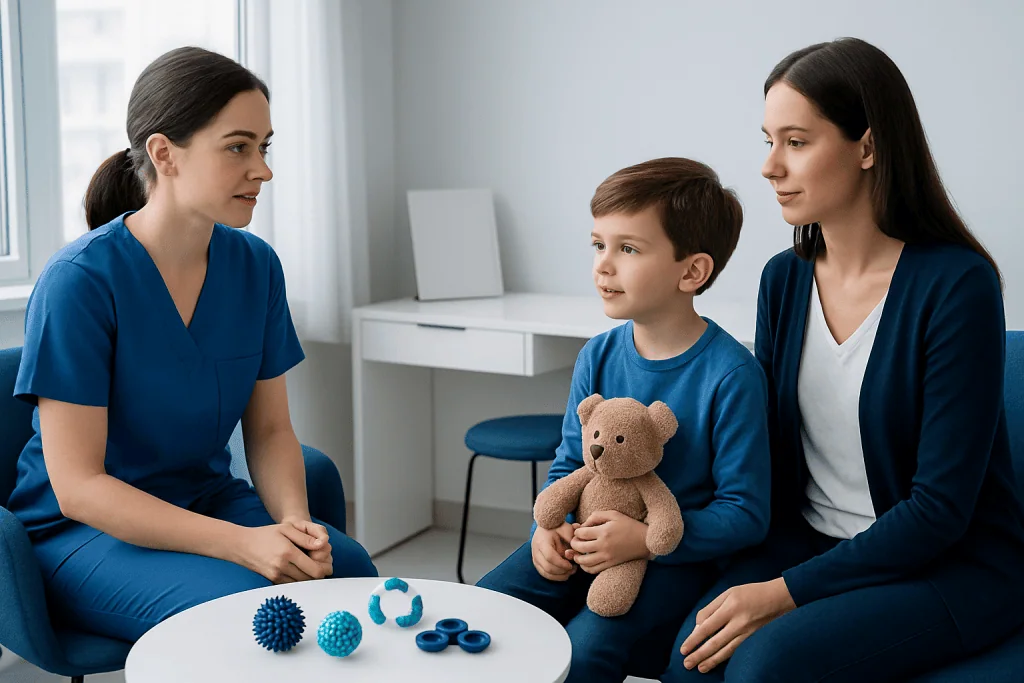
There is no single best stress toy for everyone. The most suitable choice depends on a person’s age, setting, sensory preferences, and the type of stress they experience. A student trying to focus quietly in class may need a silent hand fidget, while someone recovering from a tense workday may prefer a stress ball, resistance putty, or a weighted sensory item used at home.
Common examples include:
- Stress balls: soft items squeezed repeatedly to release hand and forearm tension.
- Fidget toys: small handheld tools with spinning, rolling, clicking, or flipping parts.
- Therapy or sensory putty: moldable material that offers resistance and tactile feedback.
- Textured items: rings, fabrics, or objects with ridges or bumps for grounding through touch.
- Weighted or deep-pressure tools: certain products may feel calming for some people, especially during quiet time at home.
Children, teens, and adults can all use these items, but they should be age-appropriate and safe. Very young children need close supervision because small parts can pose choking risks. For people with chronic pain, arthritis, or hand injuries, some squeezing or resistance toys may be uncomfortable and should be chosen carefully.
Stress toys may also be used in supportive care plans for people who have trouble settling their bodies when worried or overstimulated. However, if symptoms suggest a mental health condition such as anxiety or if distress interferes with school, work, or relationships, a fuller assessment is more helpful than relying only on a product.
Choosing a safe and helpful option
When selecting toys to reduce stress, comfort and safety matter more than novelty. A helpful item should feel easy to use, pleasant to touch, and practical in the setting where it will be used. Quiet toys are often better for offices, classrooms, or waiting rooms, while larger sensory tools may be more appropriate at home.
Materials are also important. People with sensitive skin may prefer latex-free, fragrance-free, and easy-to-clean options. Products should be durable and should not shed beads, liquid, gel, or small pieces. For children, labels on age suitability should be followed carefully.
It can help to ask a few simple questions before choosing one:
- Is the main goal calming, focusing, or reducing restlessness?
- Will the toy be used discreetly in public or more freely at home?
- Does the person prefer soft pressure, movement, texture, or stretching?
- Could the sounds or motion distract the user or people nearby?
- Is there any hand pain, sensory sensitivity, or safety concern?
If stress feels closely linked with difficulties in daily functioning, a doctor or mental health professional may suggest combining self-help tools with structured care, such as psychotherapy or, when indicated, an evaluation through psychiatry services.
How to use stress toys effectively
A stress-relief toy usually works best when it is used intentionally rather than automatically. For example, a person might use one for five to ten minutes during a stressful phone call, before an exam, while commuting, or during a scheduled screen break. Pairing the toy with slow breathing can make the calming effect more noticeable.
One simple method is to squeeze, roll, or move the toy while breathing in slowly through the nose and out gently through the mouth. Another option is a grounding exercise: noticing five things that can be seen, four that can be felt, three that can be heard, and so on while holding the object. This can shift attention away from spiraling thoughts and back to the present moment.
It is also useful to notice whether the toy truly helps. If it improves focus, reduces nail-biting or muscle tension, or helps a person sit through a stressful event more comfortably, it may be worth keeping as part of a daily routine. If it increases distraction, frustration, or sensory overload, a different strategy may be better.
Stress toys are often more effective when used alongside other healthy habits, such as regular exercise, consistent sleep, balanced meals, relaxation techniques, and reduced caffeine intake late in the day. For stress that is persistent or affects mood and sleep, broader support may be needed, especially if symptoms overlap with depression.
Limits of stress toys and other ways to manage stress
Although toys to reduce stress can be helpful, they have clear limits. They do not address major life stressors, relationship problems, financial worries, burnout, trauma, or medical causes of symptoms. They also do not replace treatment for panic attacks, significant anxiety, depressive symptoms, or sleep disorders.
If stress is frequent, it may help to think in layers. A toy can be one immediate support, but the foundation usually includes healthy routines, emotional support, and problem-solving. People often do better when they identify stress triggers, set realistic boundaries, and build regular recovery time into the day.
Useful non-toy stress strategies include:
- Breathing exercises and brief mindfulness practice
- Walking, stretching, or other physical activity
- Reducing multitasking and taking planned breaks
- Improving sleep habits and limiting late-night screen exposure
- Talking with a trusted friend, counselor, or doctor
If stress symptoms are persistent, structured support can be appropriate. Depending on the person’s needs, care may include counseling, behavioral strategies, treatment for sleep problems, or medical review to rule out contributing conditions. Acibadem International’s multidisciplinary specialists in JCI-accredited hospitals diagnose and treat stress-related concerns for international patients when more comprehensive evaluation is needed.
When to seek medical care
Occasional stress is common, and many people manage it with rest, routine, and simple tools such as stress-relief toys. Medical advice becomes more important when stress is intense, lasts for weeks, or begins to affect sleep, work, school performance, appetite, concentration, or relationships.
A person should consider speaking with a healthcare professional if they have frequent panic symptoms, persistent worry, low mood, loss of interest in usual activities, irritability, or physical symptoms such as headaches, stomach upset, palpitations, or ongoing fatigue without a clear explanation. This is also important if stress is leading to increased alcohol use, substance use, or social withdrawal.
Urgent help is needed if there are thoughts of self-harm, hopelessness, severe agitation, chest pain, trouble breathing, fainting, or sudden neurological symptoms. These symptoms should not be attributed to stress alone without proper assessment.
Evaluation may include a discussion of symptoms, sleep, mood, daily stressors, medications, and medical history. In some cases, treatment may involve lifestyle guidance, counseling, or referral for specialized support such as psychology or psychiatric care.
Frequently asked questions
Do toys to reduce stress actually work?
They can help some people manage short-term stress, restlessness, or difficulty focusing. Their effect is usually modest and supportive, rather than a treatment for an underlying mental health condition.
What are the best stress relief toys for adults?
Many adults prefer quiet, discreet options such as stress balls, sensory rings, putty, or smooth handheld fidgets. The best choice depends on whether the goal is calming, improving focus, or reducing physical tension.
Are fidget toys good for anxiety?
Fidget toys may help some people feel grounded during moments of mild anxiety or nervous energy. However, they do not treat anxiety disorders on their own, and persistent symptoms should be evaluated by a qualified professional.
Can children use toys to reduce stress?
Yes, children may benefit from age-appropriate sensory or fidget toys, especially during transitions or stressful situations. Parents and caregivers should supervise use, avoid small parts for younger children, and watch for signs that the toy is distracting rather than calming.
Are stress toys a replacement for therapy or medication?
No. Stress toys are self-help tools that may complement a broader plan, but they are not a substitute for professional care when someone has significant anxiety, depression, panic symptoms, or major sleep problems.
How often should a person use a stress-relief toy?
There is no fixed rule. Many people use them briefly during stressful moments, before demanding tasks, or while practicing breathing or grounding exercises, as long as the tool remains helpful and not disruptive.
References
- World Health Organization
- National Institute of Mental Health
- American Psychological Association
- Centers for Disease Control and Prevention
- National Health Service
This article is for general information only and is not a substitute for professional medical advice. Please consult a qualified doctor about your individual situation.
Explore treatments in Turkey — costs, top hospitals & a free quote
JCI-accredited · board-certified surgeons · reply within 24h
Add us as a Preferred Source to see more of our trusted health content across Google Search, AI Overviews and Discover.

More from the Health Library

Rosuvastatin: What Patients Need to Know

Hims Review: What Patients Need to Know

Mild Psoriasis — Explained by Medical Evidence, Not Myths

Methionine: What Patients Need to Know

Frontal Lobe: A Complete Medical Overview