Frontal Lobe: A Complete Medical Overview
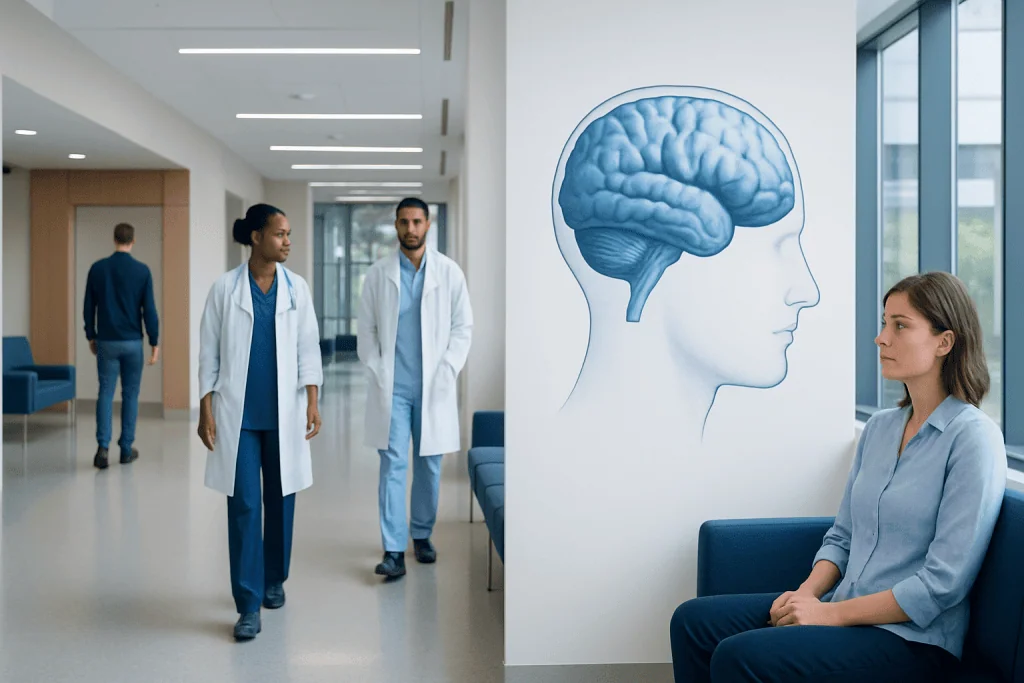
The frontal lobe supports executive function, voluntary movement, speech production, behavior, and emotional regulation. Frontal lobe problems may cause changes in personality, judgment, attention, movement, or language.
Key Takeaways
- The frontal lobe supports executive function, voluntary movement, speech production, behavior, and emotional regulation.
- Frontal lobe problems may cause changes in personality, judgment, attention, movement, or language.
- Many different conditions can affect the frontal lobe, including stroke, trauma, tumors, infections, and neurodegenerative diseases.
- Diagnosis usually combines a medical history, neurological exam, and brain imaging such as MRI or CT.
- Treatment depends on the cause and may include medicines, rehabilitation, surgery, and ongoing follow-up.
The frontal lobe is the front part of the brain that helps a person plan, focus, control movement, use language, and regulate behavior and emotions. When the frontal lobe is affected by injury or disease, symptoms can range from subtle personality changes to weakness, speech problems, or difficulty making decisions.
Overview: what the frontal lobe does
The frontal lobe is the largest lobe of the brain and sits behind the forehead. It plays a central role in how a person thinks, acts, speaks, and interacts with others. In simple terms, it helps turn intention into action: organizing thoughts, starting tasks, controlling impulses, moving the body, and expressing language.
This area includes several important functional regions. The primary motor cortex helps control voluntary movement on the opposite side of the body. Broca’s area, usually in the left frontal lobe, supports speech production. Other frontal networks guide attention, working memory, planning, problem-solving, motivation, and social behavior.
Because the frontal lobe is involved in so many daily functions, changes can look very different from one person to another. Some people develop obvious symptoms such as weakness or trouble speaking. Others may have less visible changes, such as poor judgment, emotional flatness, reduced initiative, or difficulty organizing everyday activities.
How frontal lobe problems may appear
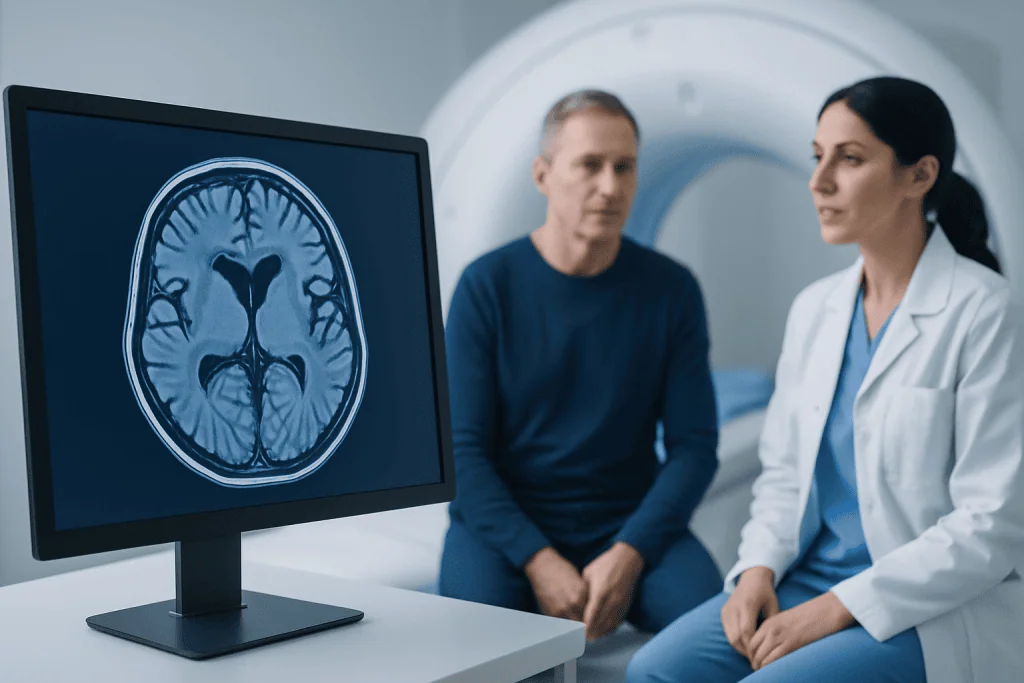
Symptoms depend on which part of the frontal lobe is affected and how severe the problem is. A small area of irritation or injury may cause subtle concentration or behavior changes, while a larger lesion can affect movement, speech, or awareness. Symptoms may begin suddenly, as in a stroke or head injury, or develop gradually over time.
Common frontal lobe-related symptoms can include:
- Difficulty planning, organizing, or completing tasks
- Poor concentration or reduced working memory
- Impulsivity, disinhibition, or socially inappropriate behavior
- Apathy, low motivation, or emotional blunting
- Mood changes, irritability, or personality change
- Weakness affecting the face, arm, or leg on one side
- Trouble producing speech or finding words
- Problems with balance, gait, or fine motor control
- Seizures or unusual movements in some cases
Frontal lobe symptoms do not always mean there is permanent damage. Fatigue, medication effects, sleep problems, anxiety, depression, or metabolic illness can also affect attention and executive function. That is why a careful medical assessment is important when new or persistent symptoms appear.
Common causes and risk factors

Many medical conditions can affect the frontal lobe. Sudden causes include head trauma, bleeding in the brain, and stroke, which can interrupt blood flow to frontal brain tissue. Infections, inflammation, and seizures may also temporarily or permanently disrupt frontal lobe function.
Structural causes include brain tumors, cysts, and pressure from swelling. In some cases, a frontal lobe growth may cause headaches, personality change, or weakness before other symptoms become obvious. When a tumor is suspected, advanced imaging and specialist evaluation are usually needed, and some patients may require brain tumor surgery depending on the diagnosis.
Gradual frontal lobe decline can also happen in neurodegenerative disorders, including some forms of dementia. Frontal networks are especially important in conditions that affect behavior and executive function. Metabolic disorders, autoimmune disease, and exposure to toxins or alcohol misuse can contribute as well.
Risk factors depend on the underlying cause. They may include older age, high blood pressure, diabetes, smoking, prior brain injury, a history of seizures, cancer risk factors, or vascular disease. Knowing a person’s full medical background helps doctors narrow down the most likely explanation for frontal lobe symptoms.
How doctors evaluate the frontal lobe
Assessment usually begins with a detailed medical history and neurological examination. Doctors ask when symptoms started, whether they came on suddenly or gradually, and how they affect speech, movement, work, relationships, and daily routines. Family members are sometimes asked to describe changes in personality or behavior that the person may not fully notice.
The neurological exam may test strength, reflexes, coordination, eye movements, language, attention, and problem-solving. Simple bedside tasks, such as following multi-step commands, naming objects, repeating phrases, or alternating hand movements, can offer useful clues about frontal lobe function. Cognitive screening may be followed by more detailed neuropsychological testing when needed.
Brain imaging is often a key part of diagnosis. CT is frequently used in urgent situations to look for bleeding, large stroke, or injury. MRI gives more detailed information about the brain’s structure and is often better for identifying smaller strokes, inflammation, tumors, or degenerative change. If blood vessel disease is suspected, a person may need angiography or other vascular imaging.
Additional tests depend on the clinical picture. Blood tests may check for infection, inflammation, thyroid disease, vitamin deficiency, or metabolic problems. EEG may be used if seizures are possible. In selected situations, lumbar puncture, psychiatric assessment, or specialist consultations in neurology, neurosurgery, or rehabilitation may be recommended.
Treatment options and recovery
There is no single treatment for a frontal lobe problem because treatment is based on the cause. Emergency care is needed for conditions such as stroke, significant head injury, or brain infection. Other causes may require planned treatment over days or weeks, especially when symptoms have developed gradually.
Medicines may be used to control seizures, reduce swelling, manage infection, or treat vascular risk factors such as high blood pressure. If symptoms are caused by a brain tumor, treatment may involve monitoring, surgery, radiation therapy, or chemotherapy, depending on the type and location. For certain structural conditions, minimally invasive or open procedures may be considered alongside neurosurgery expertise.
Rehabilitation is often a major part of recovery. Physical therapy can help with weakness and mobility, speech and language therapy can support communication, and occupational therapy can improve everyday function. Neuropsychological rehabilitation may help with attention, planning, memory strategies, and behavior management.
Recovery varies widely. Some people improve significantly after the underlying problem is treated, especially when care starts early. Others may continue to have longer-term changes in executive function, mood, or movement and benefit from ongoing follow-up, structured routines, family support, and repeat assessment over time.
Living well with frontal lobe changes
Daily strategies can make frontal lobe symptoms easier to manage. External structure is often helpful: calendars, phone reminders, written checklists, labeled storage, and step-by-step routines can reduce mental load. Family members and caregivers may notice that breaking tasks into smaller parts improves independence and lowers frustration.
Healthy brain habits also matter. Good sleep, regular physical activity, balanced nutrition, blood pressure control, and avoiding smoking or excess alcohol can support brain health overall. People recovering from injury or illness are often advised to pace activities, allow extra time for decision-making, and limit distractions during complex tasks.
Behavioral and emotional symptoms deserve attention, not judgment. A person with frontal lobe dysfunction may seem irritable, impulsive, withdrawn, or less aware of their own changes. Supportive communication, predictable routines, and mental health care when needed can improve quality of life for both the individual and family.
If a confirmed neurological condition is present, follow-up with the treating team is important even when symptoms seem stable. In complex cases, multidisciplinary centers can coordinate imaging, neurology, rehabilitation, and surgery. Acibadem International’s multidisciplinary specialists and JCI-accredited hospitals diagnose and treat brain-related conditions for international patients when advanced evaluation is needed.
When to seek medical care
Urgent medical care is needed if frontal lobe symptoms begin suddenly. Warning signs include sudden weakness on one side, facial droop, trouble speaking, severe new headache, confusion, seizure, loss of consciousness, or sudden major behavior change. These can signal emergencies such as stroke, bleeding, or acute injury and should not be watched at home.
Prompt medical review is also important for symptoms that develop gradually but persist. Examples include increasing forgetfulness, reduced judgment, unexplained personality change, loss of motivation, frequent falls, or trouble organizing daily tasks. Ongoing frontal lobe symptoms may reflect a treatable neurological or medical condition.
A doctor may refer the person to a neurologist, psychiatrist, rehabilitation specialist, or neurosurgeon depending on the findings. Early evaluation can improve treatment options, clarify the cause, and help families understand what support may be useful at home and at work.
Frequently asked questions
What is the frontal lobe responsible for?
The frontal lobe helps control planning, decision-making, attention, behavior, emotional regulation, voluntary movement, and aspects of speech. It is essential for executive function, which includes starting tasks, staying organized, and controlling impulses.
Can frontal lobe problems change personality?
Yes. Because the frontal lobe helps regulate social behavior, judgment, and emotional responses, injury or disease in this area can lead to personality or behavior changes. Some people become more impulsive or irritable, while others seem apathetic or less emotionally expressive.
Does frontal lobe damage always cause memory loss?
Not always. The frontal lobe can affect working memory and the ability to organize information, but classic memory storage problems are often linked to other brain regions as well. A person may seem forgetful because they have trouble paying attention, planning, or retrieving information efficiently.
What tests show if the frontal lobe is affected?
Doctors usually combine a neurological examination with brain imaging such as CT or MRI. Cognitive testing, blood tests, EEG, or vascular imaging may also be used depending on whether the suspected cause is stroke, seizure, infection, tumor, or another condition.
Can a person recover from frontal lobe injury or illness?
Recovery is possible, but it depends on the cause, the area involved, and how quickly treatment begins. Some symptoms improve substantially with medical treatment and rehabilitation, while others may require longer-term support and structured coping strategies.
When should someone worry about frontal lobe symptoms?
Any sudden symptom such as weakness, speech difficulty, seizure, severe confusion, or loss of consciousness needs urgent medical attention. Gradual changes in judgment, behavior, motivation, or daily function should also be assessed if they are persistent or worsening.
References
- National Institute of Neurological Disorders and Stroke
- National Institute on Aging
- American Stroke Association
- Mayo Clinic
- Merck Manual Consumer Version
This article is for general information only and is not a substitute for professional medical advice. Please consult a qualified doctor about your individual situation.
Explore treatments in Turkey — costs, top hospitals & a free quote
JCI-accredited · board-certified surgeons · reply within 24h
Add us as a Preferred Source to see more of our trusted health content across Google Search, AI Overviews and Discover.
Check your numbers in seconds
BMI, calories, due date, blood pressure and 30+ more clinical calculators — free, instant, doctor-reviewed ranges.