Traditional Chinese Massage Tui Na: An Evidence-Based Guide for Patients

Tui na is a traditional Chinese manual therapy that uses pressure, kneading, stretching, and joint-focused techniques. It may help reduce some types of musculoskeletal pain and stiffness, especially when combined with standard care.
Key Takeaways
- Tui na is a traditional Chinese manual therapy that uses pressure, kneading, stretching, and joint-focused techniques.
- It may help reduce some types of musculoskeletal pain and stiffness, especially when combined with standard care.
- Benefits and techniques vary by practitioner, so training, communication, and safety screening matter.
- Tui na is not suitable for every condition, including some fractures, infections, blood clot risks, and unstable medical problems.
- Persistent pain, numbness, weakness, fever, or unexplained symptoms should be assessed by a qualified doctor.
Traditional Chinese massage tui na is a form of hands-on manual therapy used to ease muscle tension, support mobility, and promote relaxation. Evidence suggests it may help some people with neck, back, and musculoskeletal pain, but it works best as part of a broader care plan rather than a replacement for medical treatment.
What is traditional Chinese massage tui na?
Traditional Chinese massage tui na is a hands-on therapy that uses rhythmic pressure, kneading, rolling, stretching, and joint mobilization to address pain, stiffness, and tension. In practical terms, patients can think of it as a structured form of therapeutic manual treatment rather than a simple relaxation massage. Sessions are usually tailored to the person’s symptoms, physical findings, and comfort level.
In traditional Chinese medicine, tui na is often described using concepts such as energy flow and meridians. In modern clinical settings, however, patients and clinicians often discuss it in terms of muscles, fascia, joints, circulation, and nervous system responses. This evidence-based view can help patients understand what the therapy may realistically do: reduce muscle guarding, improve short-term mobility, and support relaxation.
Tui na is commonly used for neck pain, shoulder tension, back pain, certain sports-related aches, and general musculoskeletal discomfort. Some practitioners also use it alongside exercise, heat therapy, and rehabilitation. It should not be seen as a cure-all, but it may be a helpful complementary option for carefully selected patients.
How tui na works and what a session may involve
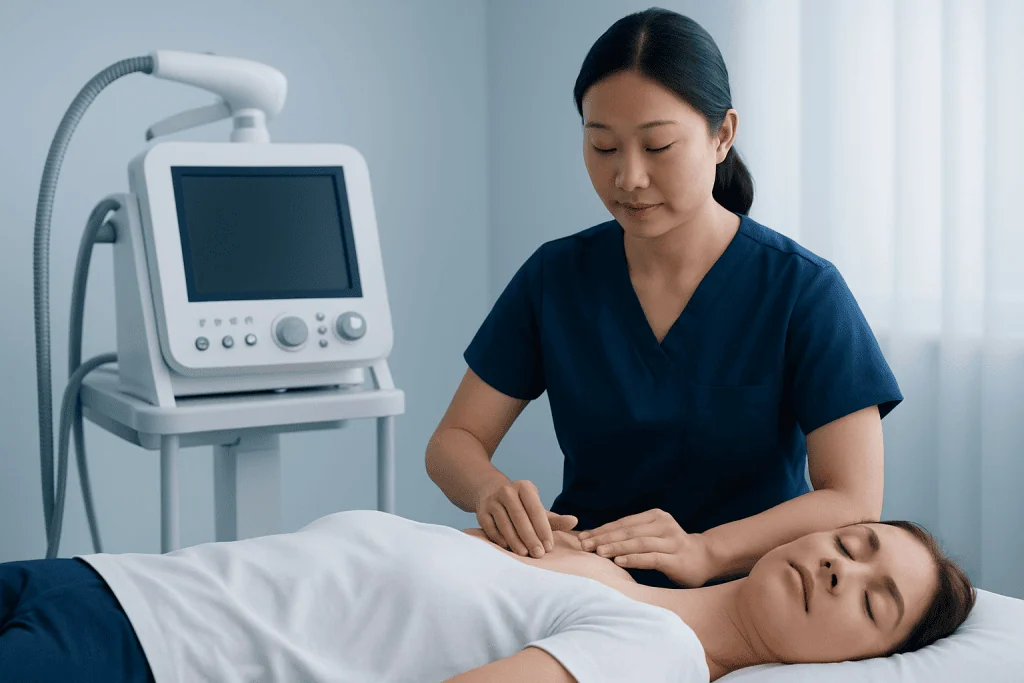
A tui na session usually begins with a short health review. The practitioner may ask about the location of pain, what makes symptoms better or worse, previous injuries, and any medical diagnoses. This step is important because the same technique is not appropriate for every person, and some symptoms need medical evaluation before any manual therapy is tried.
During treatment, the practitioner may use pressing, rubbing, grasping, rolling, percussion, or gentle stretching. Some techniques are aimed at soft tissues, while others focus on joint movement or posture-related tension patterns. Pressure can range from light to deep, depending on the goal and the patient’s tolerance.
Patients may feel temporary warmth, soreness, relaxation, or improved ease of movement after a session. Mild short-lived tenderness can occur, especially if the area was already sensitive. Good practice includes clear communication during the session so pressure can be adjusted and any unusual pain can be reported immediately.
- Typical goals include easing muscle tightness
- Supporting short-term pain relief
- Improving flexibility or range of motion
- Helping the body relax and recover
What the evidence says about benefits
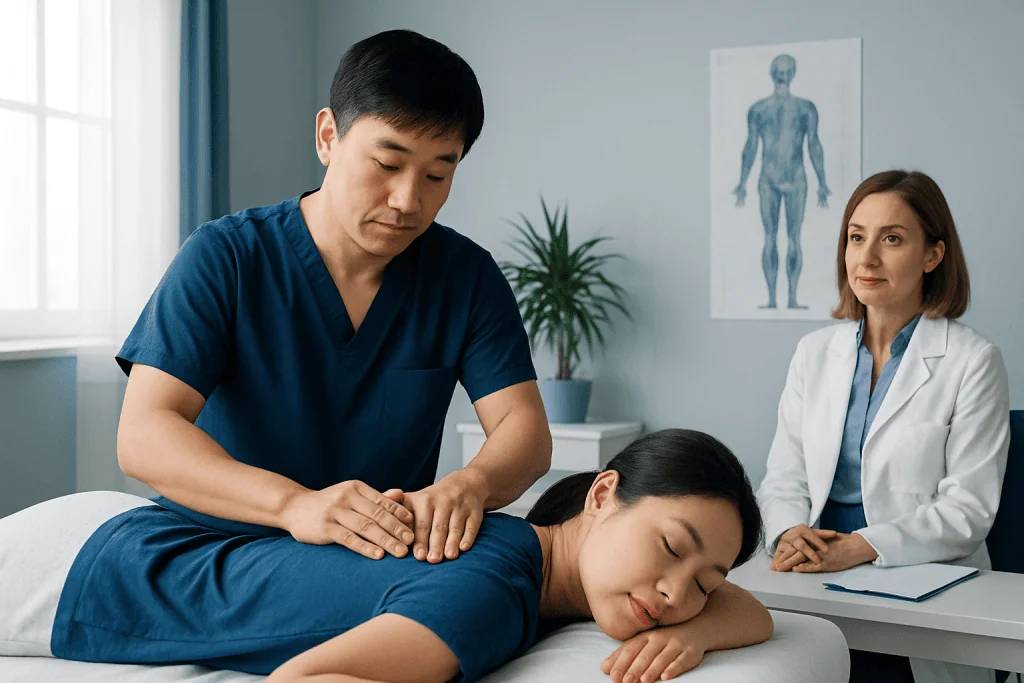
Research on traditional chinese massage tui na suggests that it may offer short-term benefit for some pain conditions, particularly neck pain, low back pain, and other musculoskeletal complaints. Studies of manual therapy in general show that hands-on treatment can sometimes reduce pain intensity and improve function when paired with exercise, posture advice, and activity modification. The quality of evidence, however, is mixed, and results are not the same for every diagnosis.
For many patients, the likely value of tui na is supportive rather than curative. It may help people move more comfortably, tolerate rehabilitation better, and feel less muscle tension. These improvements can be meaningful, but they are usually most durable when accompanied by medical assessment, targeted exercise, sleep support, and management of contributing factors such as stress or repetitive strain.
Evidence is weaker for broad claims that tui na can treat internal diseases on its own. Patients should be cautious about promises that any massage technique can replace evidence-based treatment for structural joint disease, nerve compression, infection, cancer, or systemic illness. If pain is severe, persistent, or accompanied by red-flag symptoms, a doctor should first determine the underlying cause.
When pain is linked to a defined orthopedic or neurologic problem, a full evaluation may be more useful than massage alone. Depending on the diagnosis, patients may need sciatica evaluation, assessment for a herniated disc, or specialist care for carpal tunnel syndrome before choosing a manual therapy plan.
Who may benefit most and who should avoid it
Tui na may be most useful for adults with uncomplicated muscle tension, mechanical neck or back discomfort, posture-related strain, or mild stiffness around the shoulders and limbs. Some patients recovering from overuse, desk-related tension, or non-urgent sports soreness may also find it helpful. It tends to work best when symptoms are stable and the goal is to improve comfort and function.
Not everyone is a good candidate. Manual therapy may be unsafe or inappropriate in areas affected by recent fracture, open wound, active skin infection, severe osteoporosis, deep vein thrombosis risk, uncontrolled bleeding disorders, or acute inflammatory conditions. It is also important to avoid forceful manipulation in people with significant neurologic symptoms, severe spinal pain, or suspected instability.
Pregnant patients, people taking blood thinners, and those with cancer, advanced diabetes-related nerve problems, or major heart or vascular disease should seek medical advice before starting treatment. Even when tui na is considered safe, techniques may need to be modified. A qualified practitioner should ask about these issues before treatment begins.
Diagnosis first: why an assessment matters
Many people seek massage for pain without knowing exactly what is causing it. However, symptoms such as back pain, arm tingling, headaches, or shoulder stiffness can come from several different conditions. A proper medical assessment helps identify whether symptoms are due to simple muscle overload or a problem involving nerves, joints, discs, inflammation, or another medical issue.
A doctor may review symptoms, perform a physical examination, and recommend imaging or other tests when needed. This is especially important if pain followed trauma, wakes the person at night, causes weakness, or does not improve with conservative care. Identifying the cause allows treatment to be matched to the problem, rather than relying on trial and error.
For some patients, tui na may become part of a wider rehabilitation strategy after diagnosis. That strategy might include physical therapy and rehabilitation to improve strength and movement, or pain management if symptoms are chronic and affecting daily life. In selected cases, a physician may also advise orthopedic assessment to clarify joint, tendon, or spine-related causes of pain.
Safety, side effects, and choosing a qualified practitioner
When performed appropriately, tui na is generally well tolerated. The most common side effects are temporary soreness, mild bruising, fatigue, or a feeling of tenderness in the treated area. These effects usually settle within a short time. Pain that is sharp, radiating, or significantly worse after treatment is not expected and should be reviewed.
Patients can reduce risk by choosing a practitioner with recognized training in manual therapy, massage, or traditional Chinese medicine, depending on local regulation. It is reasonable to ask about qualifications, experience with the specific problem, and whether the practitioner screens for medical red flags before treatment. Clear explanations and informed consent are signs of good clinical practice.
Communication matters throughout the session. Patients should tell the practitioner about previous surgery, osteoporosis, pregnancy, anticoagulant use, nerve symptoms, or any diagnosis involving the spine or joints. Pressure should never feel intolerable. A careful practitioner adapts techniques to the patient’s health status rather than applying a routine approach to everyone.
Self-care, realistic expectations, and when to seek medical care
Tui na may be more helpful when combined with simple self-care steps. These can include staying gently active, taking movement breaks from prolonged sitting, using prescribed exercises, improving sleep habits, and following medical advice for underlying conditions. For many common pain problems, long-term progress depends more on consistent movement and rehabilitation than on any single passive treatment.
Patients should also keep expectations realistic. One session may provide temporary relief, but ongoing or recurring pain often reflects factors such as posture, work demands, conditioning, stress, or a specific medical diagnosis. If symptoms keep returning, the next step is usually a broader treatment plan rather than repeated sessions alone.
Medical care should be sought promptly for severe pain after injury, fever, unexplained weight loss, chest pain, new bowel or bladder problems, progressive numbness, or weakness. Evaluation is also important if pain persists for several weeks, interrupts sleep, or limits normal activity despite rest and conservative care. In such situations, hands-on therapy should follow medical guidance, not replace it.
Near the end of a care journey, some patients benefit from coordinated specialty input. Acibadem International’s multidisciplinary specialists and JCI-accredited hospitals evaluate musculoskeletal and nerve-related symptoms for international patients and can advise whether manual therapies fit safely within an overall treatment plan.
Frequently asked questions
Is traditional chinese massage tui na the same as regular massage?
Not exactly. Tui na is a structured manual therapy that may include pressure techniques, stretching, and joint-focused movements, while general massage often focuses more on relaxation. In practice, some sessions may feel similar, but tui na is usually more treatment-oriented.
Can tui na help with back or neck pain?
It may help some people with uncomplicated neck or back pain, especially when muscle tightness and limited movement are part of the problem. The best results are usually seen when it is combined with exercise, posture advice, and medical assessment when needed.
Is tui na safe for everyone?
No. People with fractures, severe osteoporosis, infections, clotting problems, certain nerve symptoms, or unstable medical conditions may need to avoid it or have it modified. A health history and safety screening should happen before treatment starts.
What should a patient expect after a tui na session?
Many people feel temporary relaxation, reduced tightness, or easier movement. Mild soreness can happen for a short time, but severe or worsening pain is not expected and should be discussed with a doctor or practitioner.
How many tui na sessions are usually needed?
There is no single number that suits everyone. Some people try a short course and assess whether pain, function, or stiffness improves, while others may not benefit at all. If symptoms persist, the cause should be reassessed rather than continuing treatment indefinitely.
Should tui na replace medical treatment?
No. It is best viewed as a complementary option for selected symptoms, not a substitute for diagnosis or evidence-based treatment. Ongoing pain, neurologic symptoms, or systemic symptoms should always be medically evaluated.
References
- World Health Organization
- National Center for Complementary and Integrative Health
- National Institute for Health and Care Excellence
- American Academy of Orthopaedic Surgeons
- Cochrane
This article is for general information only and is not a substitute for professional medical advice. Please consult a qualified doctor about your individual situation.
Joint and spine care in Turkey — expert assessment & treatment
JCI-accredited · board-certified surgeons · reply within 24h
Add us as a Preferred Source to see more of our trusted health content across Google Search, AI Overviews and Discover.

More from the Health Library

Botox — Explained by Medical Evidence, Not Myths

Droplet Eye Drops: What Patients Need to Know

H Pylori Test — Explained by Medical Evidence, Not Myths
Where Is Your Bladder Located: What Patients Need to Know

Runny Nose: What Patients Need to Know