Transient Global Amnesia: A Complete Medical Overview

Transient global amnesia causes sudden temporary memory loss, especially difficulty forming new memories. Most episodes resolve within 24 hours and do not usually leave lasting brain damage.
Key Takeaways
- Transient global amnesia causes sudden temporary memory loss, especially difficulty forming new memories.
- Most episodes resolve within 24 hours and do not usually leave lasting brain damage.
- A doctor should evaluate sudden memory loss urgently to rule out stroke, seizure, head injury, or other serious causes.
- Diagnosis is based on symptoms, examination, and often brain imaging or other tests to exclude other conditions.
- Treatment focuses on reassurance and identifying other causes because there is no specific medicine for transient global amnesia itself.
Transient global amnesia is a sudden, short-lived episode of memory loss in which a person cannot form new memories for a limited time, yet remains awake and keeps their identity and basic thinking abilities. It often improves within hours, but because sudden memory loss can also signal a stroke, seizure, or other urgent condition, prompt medical assessment is important.
Overview
Transient global amnesia is a medical syndrome marked by a sudden inability to make new memories, often accompanied by patchy recall of recent events. During an episode, the person is awake, can speak, recognizes familiar people, and usually knows who they are, but they may repeatedly ask the same questions because new information is not being stored normally.
The episode is temporary. In most cases, memory function gradually returns over several hours and is back to normal within 24 hours. After recovery, there is often a gap in memory for the period of the event itself, and sometimes for a short time before it began.
Although transient global amnesia is generally considered benign, it can look similar to more serious conditions at first. Sudden memory loss may also occur with stroke, seizure, low blood sugar, infection, head injury, or medication effects. For that reason, it should not be assumed to be harmless without medical evaluation.
This condition is most often seen in middle-aged and older adults. It is uncommon, and a single episode does not necessarily mean that a person will develop dementia or an ongoing memory disorder. However, careful assessment is needed to confirm the diagnosis and exclude problems that may need urgent treatment.
What Happens During an Episode
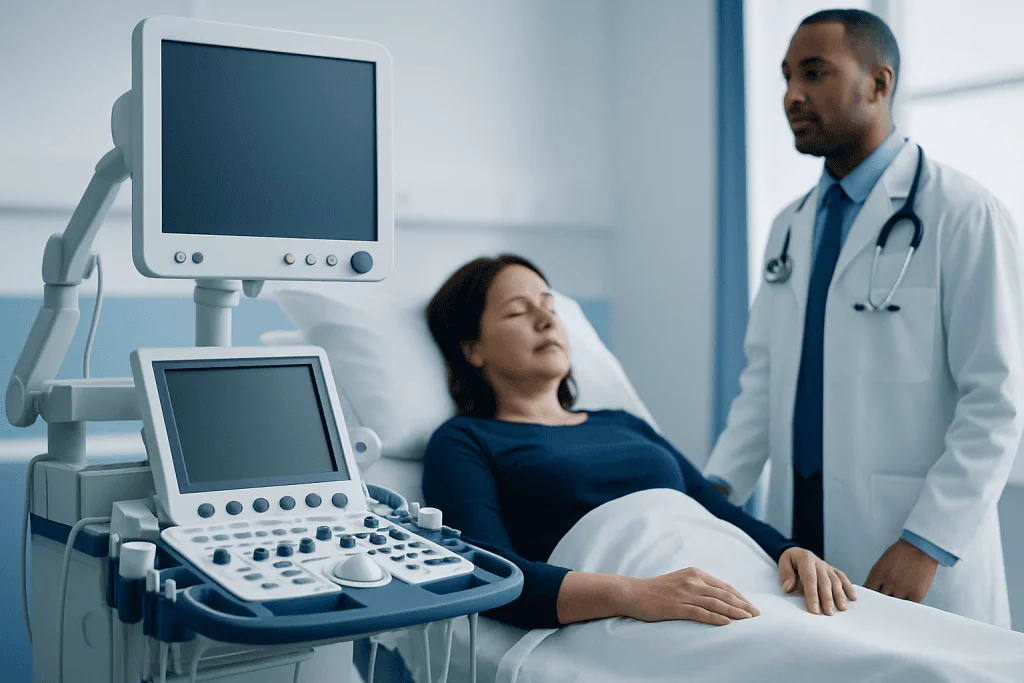
The hallmark feature of transient global amnesia is an abrupt disturbance of short-term memory. A person may seem alert but cannot retain new details for more than a brief period. They may ask where they are, what day it is, or what happened just moments earlier, even after receiving an answer.
Other thinking skills are usually preserved. People can typically follow simple instructions, recognize close family members, and perform familiar tasks. They do not lose consciousness, and they do not usually have weakness, major speech trouble, or severe confusion about personal identity.
Episodes often begin after a physically or emotionally intense event. Examples include sudden immersion in cold or hot water, vigorous exercise, acute emotional stress, pain, sexual activity, or a Valsalva-like strain such as heavy lifting. These associations do not prove a cause, but they are commonly described in medical reports.
Once the episode ends, memory formation returns to normal. The person may feel tired or unsettled, but they generally recover well. The memory gap for the event can remain, which is expected and does not by itself mean permanent brain injury.
Symptoms and Signs

The main symptom of transient global amnesia is sudden temporary memory loss. This usually affects the ability to create new memories, called anterograde amnesia, and sometimes also affects recall of recent events from before the episode. The person may appear distressed because they sense that something is wrong, even though they can still communicate.
Common features include repeated questioning, preserved alertness, intact sense of self, and otherwise normal behavior. People can usually name objects, speak clearly, and move normally. Family members often notice that the person keeps asking the same question every few minutes.
Symptoms that are less typical for transient global amnesia and may suggest another diagnosis include:
- Weakness or numbness on one side of the body
- Difficulty speaking or understanding language
- Loss of consciousness
- Seizure-like movements
- Severe headache unlike usual headaches
- Recent head trauma
- Fever or signs of infection
Because these warning signs can point to neurologic emergencies, clinicians often consider conditions such as stroke early in the evaluation. Even when the pattern seems classic for transient global amnesia, sudden memory loss should still be assessed promptly rather than observed at home without guidance.
Causes and Risk Factors
The exact cause of transient global amnesia is not fully understood. Several mechanisms have been proposed, including temporary disruption of blood flow or metabolism in memory-related areas of the brain, especially the hippocampus. Some experts also consider links with migraine biology, venous congestion, or brief functional changes in brain networks involved in memory.
Transient global amnesia is not usually caused by a classic stroke, but its symptoms can overlap with vascular events. This is one reason urgent assessment is recommended, particularly during a first episode. Some patients with recurrent or atypical symptoms may need more detailed neurologic evaluation.
Factors that appear to be associated with a higher chance of transient global amnesia include older age, especially later middle age, and a personal history of migraine. Emotional stress and physical exertion are frequent triggers, though many people have no obvious trigger at all.
It is important to distinguish transient global amnesia from other causes of memory loss, such as epilepsy, intoxication, metabolic disturbances, or evolving neurodegenerative disease. A brief, isolated event is very different from the progressive decline seen in conditions such as Alzheimer’s disease, where memory problems gradually worsen over time rather than appearing suddenly and resolving the same day.
How Doctors Diagnose It
Diagnosis starts with a detailed history from both the patient and anyone who witnessed the episode. Because the person may not remember the event well, family observations are especially helpful. Doctors ask when symptoms started, how long they lasted, whether there were triggers, and whether there were any signs such as weakness, collapse, unusual movements, or head injury.
The physical and neurologic examination helps look for clues to other conditions. Doctors assess speech, strength, balance, sensation, coordination, attention, and orientation. Blood pressure, blood sugar, and general medical status may also be checked because metabolic or cardiovascular problems can sometimes mimic memory disorders.
Tests are often used to rule out other causes. Depending on the situation, these may include blood tests, electrocardiography, and brain imaging. In some patients, clinicians may recommend brain MRI because small temporary changes in the hippocampus can sometimes be seen after transient global amnesia, and MRI can also help exclude stroke or other structural problems. If seizure is suspected, additional neurologic testing may be considered.
Doctors usually diagnose transient global amnesia when the episode is witnessed, memory loss is the main symptom, personal identity remains intact, there are no focal neurologic deficits, and the event resolves within 24 hours. If the presentation is unusual or recurring, a specialist in neurology care may guide further assessment.
Treatment and Recovery
There is no specific drug that treats transient global amnesia itself. Management mainly involves observation, reassurance, and making sure another urgent problem is not being missed. If tests suggest a different diagnosis, treatment is directed toward that cause.
During the episode, a calm environment can help reduce distress. Family members may be encouraged to stay with the person, answer questions simply, and avoid arguing if the same questions are repeated. Once the memory problem lifts, most people can return gradually to normal activities as advised by their doctor.
Recovery is usually excellent. Most patients return to their usual level of thinking and function without ongoing treatment. Some people feel tired or emotionally shaken afterward, which is understandable after a sudden neurologic event.
If a person has vascular risk factors or symptoms that raise concern about a circulation problem, clinicians may arrange further evaluation through services such as stroke assessment and follow-up. For international patients who need coordinated care, Acibadem International’s multidisciplinary specialists and JCI-accredited hospitals evaluate and treat neurologic conditions with individualized planning.
Prevention, Self-care, and Outlook
Because the exact cause of transient global amnesia is uncertain, there is no guaranteed way to prevent it. However, general brain and vascular health measures remain sensible. These include managing blood pressure, diabetes, and cholesterol, avoiding tobacco, staying physically active, sleeping adequately, and following medical advice for migraine or other chronic conditions.
After an episode, many people want to know whether it will happen again. Recurrence is possible, but many individuals never have a second event. A doctor can explain whether the features of the episode were typical and whether any further follow-up is needed.
Self-care after recovery focuses on rest, hydration, medication review, and attention to any future symptoms. It can also be helpful to write down details of the event while they are fresh for family members, since the person affected may not remember much about it later.
The long-term outlook is generally reassuring when the diagnosis is confirmed. Transient global amnesia does not usually lead to permanent disability, and by itself it is not considered a form of dementia. Still, any new episode of sudden memory loss should be treated as a fresh medical event and discussed with a qualified clinician promptly.
When to Seek Medical Care
Sudden memory loss should be assessed urgently, especially the first time it happens. Even if the person seems otherwise well, it is important to seek immediate medical care because stroke, seizure, infection, or injury can sometimes present in a similar way.
Emergency evaluation is particularly important if memory loss occurs with weakness, facial drooping, trouble speaking, severe headache, collapse, fever, chest pain, recent head trauma, or seizure-like activity. A person who is not returning to normal within a few hours also needs prompt reassessment.
If the episode has already resolved, follow-up is still worthwhile. A doctor may review medications, check cardiovascular and neurologic risk factors, and decide whether specialist input or imaging is appropriate. Clear follow-up can also help reassure patients and families about what happened and what to watch for in the future.
Frequently asked questions
What is transient global amnesia?
Transient global amnesia is a sudden, temporary episode of memory loss that mainly affects the ability to form new memories. The person remains awake and usually knows who they are, and the episode typically resolves within 24 hours.
How long does transient global amnesia last?
Most episodes last a few hours, although the accepted definition allows symptoms to continue for up to 24 hours. After recovery, there is often a memory gap for the event itself.
Is transient global amnesia a stroke?
Transient global amnesia is not usually a stroke, but the symptoms can resemble other urgent neurologic conditions. That is why sudden memory loss should be evaluated promptly by a medical professional.
Can transient global amnesia happen more than once?
Yes, recurrence can happen, but many people experience only one episode in their lifetime. If episodes recur, doctors may look more closely for other causes such as seizure disorders or vascular problems.
Does transient global amnesia cause permanent memory loss?
In most cases, no. Memory function usually returns to normal, although the person may never fully remember what happened during the episode and shortly before it.
Who is more likely to develop transient global amnesia?
It is seen more often in middle-aged and older adults. A history of migraine and recent physical or emotional stress may be associated with a higher likelihood of an episode.
What should family members do during an episode?
They should stay calm, keep the person safe, and seek urgent medical evaluation. It helps to note when symptoms began, what the person was doing beforehand, and whether any other symptoms such as weakness, headache, or collapse were present.
This article is for general information only and is not a substitute for professional medical advice. Please consult a qualified doctor about your individual situation.
Explore treatments in Turkey — costs, top hospitals & a free quote
JCI-accredited · board-certified surgeons · reply within 24h
Add us as a Preferred Source to see more of our trusted health content across Google Search, AI Overviews and Discover.

More from the Health Library

Nurse Practitioner: What Patients Need to Know
Rolfing: An Evidence-Based Guide for Patients

Irritation of the Pennis — Explained by Medical Evidence, Not Myths

Sedentary: What Patients Need to Know

Retinol Eye Cream: A Complete Medical Overview