Transient Ischemic Attack: Early Warning Signs and How to Prevent a Major Stroke

A transient ischemic attack, or TIA, causes temporary stroke-like symptoms that often resolve within minutes to hours. A TIA is a medical emergency because it can be an early warning sign of a major stroke.
Key Takeaways
- A transient ischemic attack, or TIA, causes temporary stroke-like symptoms that often resolve within minutes to hours.
- A TIA is a medical emergency because it can be an early warning sign of a major stroke.
- Common symptoms include sudden weakness, speech difficulty, facial drooping, vision changes, dizziness, or numbness.
- Fast diagnosis helps identify the cause and lowers future stroke risk through medicines, procedures, and lifestyle changes.
- Controlling blood pressure, diabetes, cholesterol, smoking, and irregular heart rhythm is central to prevention.
A transient ischemic attack is a short-lived blockage of blood flow to part of the brain that can cause sudden stroke-like symptoms. Even when symptoms quickly improve, it should be treated as a medical emergency because it can warn of a future stroke.
Overview
A transient ischemic attack, often called a TIA or “mini stroke,” happens when blood flow to part of the brain is briefly interrupted. This causes sudden neurologic symptoms that resemble a stroke, such as trouble speaking, weakness on one side of the body, or vision changes. Unlike many strokes, the symptoms of a TIA go away completely, usually within minutes and always without lasting brain injury on routine definition.
Although the symptoms are temporary, the event is not harmless. A transient ischemic attack is a serious warning that a full stroke may happen in the near future. For this reason, anyone with possible TIA symptoms should seek urgent medical attention, even if they feel better soon after the episode.
A TIA may be caused by a small blood clot, narrowing in an artery, or a heart rhythm problem that sends material to the brain. Doctors evaluate TIAs quickly because early treatment can greatly reduce the risk of another event. In many cases, a TIA is managed similarly to an early stroke evaluation, including urgent imaging and risk-factor assessment.
Symptoms and Early Warning Signs
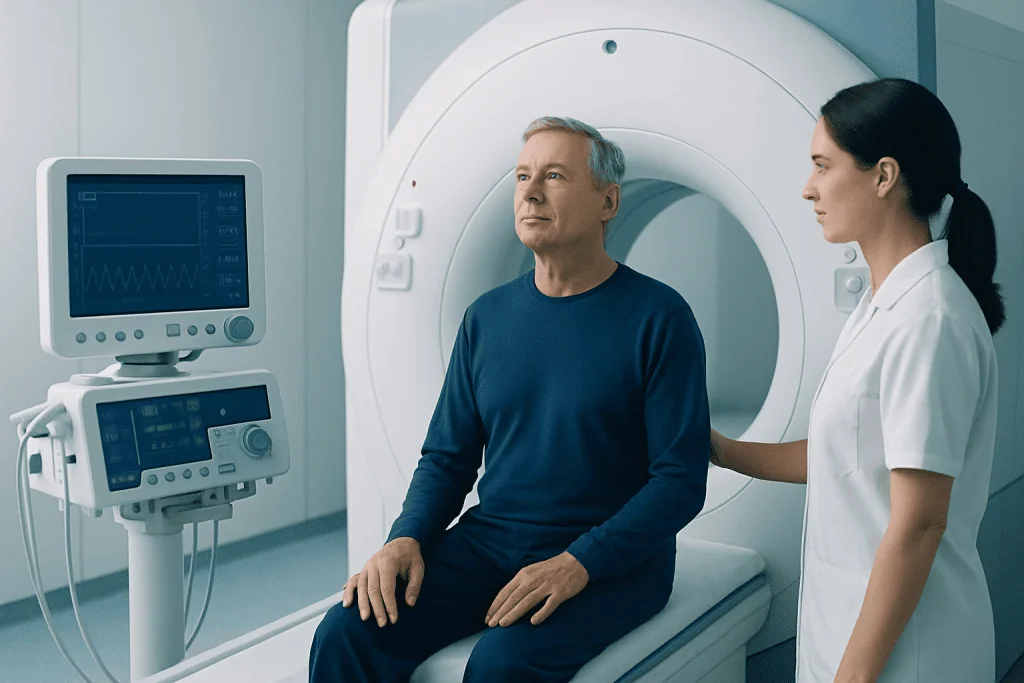
Symptoms of a transient ischemic attack begin suddenly. They depend on which part of the brain is affected, but they often match the classic warning signs of stroke. Because symptoms may last only a short time, some people ignore them or wait to see if they pass, which can delay important treatment.
Common TIA symptoms include:
- Sudden weakness or numbness in the face, arm, or leg, especially on one side
- Sudden facial drooping
- Trouble speaking or understanding speech
- Sudden vision loss, double vision, or blurred vision
- Sudden dizziness, loss of balance, or trouble walking
- Sudden severe confusion
The FAST message can help people recognize stroke and TIA symptoms: Face drooping, Arm weakness, Speech difficulty, Time to call emergency services. Even if the symptoms disappear before medical help arrives, emergency evaluation is still necessary. A transient episode may be the only warning before a larger stroke.
Some TIAs affect the back part of the brain and may cause vertigo, coordination problems, double vision, or difficulty swallowing. Because these symptoms can overlap with other conditions, professional assessment is important. Sudden onset is one of the strongest clues that the symptoms may be vascular rather than due to a gradual or long-standing problem.
Causes and Risk Factors

A transient ischemic attack usually occurs when a clot temporarily blocks blood flow in an artery supplying the brain, spinal cord, or retina. The clot may form in a narrowed artery in the neck or brain, or it may travel from the heart or another blood vessel. This is why TIA is closely linked to the same disease processes that cause ischemic stroke.
Several medical conditions raise the risk of TIA. High blood pressure is one of the most important, because it damages blood vessels over time. Other major risk factors include diabetes, high cholesterol, smoking, obesity, lack of exercise, and older age. A personal or family history of stroke or vascular disease can also increase risk.
Heart conditions are another key cause, especially atrial fibrillation, which can allow blood clots to form in the heart and travel to the brain. Carotid artery narrowing, vascular inflammation, and blood-clotting disorders may also contribute. Some people with a TIA are later found to have carotid artery disease or an underlying rhythm problem that requires targeted treatment.
Certain factors cannot be changed, such as age and prior stroke history, but many others can be managed effectively. Identifying the exact cause matters because prevention strategies differ from person to person. A TIA related to atrial fibrillation, for example, may need different medication than a TIA caused by atherosclerotic plaque in a neck artery.
How a Transient Ischemic Attack Is Diagnosed
Doctors diagnose a transient ischemic attack by combining the story of the symptoms, a neurologic examination, and urgent testing to look for the cause. Because symptoms may be gone by the time the patient is seen, a clear description of what happened is very helpful. Family members or witnesses can often provide important details about speech changes, facial droop, or weakness.
Brain imaging is commonly used to rule out bleeding and to look for signs of a recent small stroke. This may include a CT scan or MRI scan, depending on what is available and clinically appropriate. Imaging of the blood vessels in the head and neck can also help identify narrowing or blockage.
Additional tests may include an electrocardiogram to check heart rhythm, heart monitoring for atrial fibrillation, blood tests, and sometimes an echocardiogram. Doctors often assess short-term stroke risk and decide whether the person needs hospital admission or urgent outpatient follow-up. If symptoms are due to another condition, such as migraine, seizure, or low blood sugar, the evaluation helps guide the correct treatment.
Because TIA symptoms can mimic other disorders, accurate diagnosis is essential. It is also important to distinguish a transient ischemic attack from a completed stroke, where symptoms last longer or brain injury is seen on imaging. In both situations, rapid medical assessment improves the chance of preventing further harm.
Treatment Options and Stroke Prevention After a TIA
Treatment after a transient ischemic attack focuses on preventing a future stroke. The right plan depends on the cause, but it often includes medicines to reduce clotting, lower cholesterol, and control blood pressure. Some people are prescribed antiplatelet medicines, while others with atrial fibrillation or another heart-related clot source may need anticoagulants.
If significant narrowing is found in a carotid artery, a procedure may be recommended to improve blood flow and lower stroke risk. In selected cases, specialists may consider carotid endarterectomy or carotid angioplasty and stenting. The choice depends on the location and severity of narrowing, the patient’s overall health, and the judgment of the treating team.
Some people need treatment for an underlying heart condition, diabetes, sleep apnea, or another vascular problem. If the evaluation shows that symptoms were related to a different disorder, treatment is adjusted accordingly. Care is often coordinated by neurologists, cardiologists, vascular specialists, and primary care doctors.
For people who arrive with ongoing symptoms or a confirmed acute stroke rather than a TIA, emergency stroke therapies may be considered. In specialized settings, this may include mechanical thrombectomy for certain large-vessel blockages. Near the end of the care journey, some patients may seek evaluation at centers such as Acibadem International, where multidisciplinary specialists in JCI-accredited hospitals assess and treat stroke and TIA for international patients.
Prevention and Self-care
Preventing another transient ischemic attack or a full stroke starts with controlling the factors that damage blood vessels. Taking prescribed medicines consistently is important, especially those for blood pressure, cholesterol, diabetes, and clot prevention. Follow-up appointments help doctors check whether treatment is working and whether changes are needed.
Healthy daily habits can make a meaningful difference. These include not smoking, limiting alcohol, staying physically active, maintaining a healthy weight, and eating a balanced diet rich in vegetables, fruit, whole grains, and lean proteins. Reducing salt intake can also support better blood pressure control.
People with atrial fibrillation or other heart disease should work closely with their healthcare team. Home blood pressure monitoring, blood sugar checks when advised, and treatment of conditions such as sleep apnea can all be part of prevention. Self-care does not replace medical treatment, but it strongly supports it.
Learning the warning signs of stroke is also part of prevention. If symptoms return, it is safest to seek emergency care immediately rather than waiting to see if they pass. Acting early can protect the brain and may prevent permanent disability.
When to Seek Urgent Medical Care
Any sudden stroke-like symptom should be treated as an emergency, even if it lasts only a few minutes. A person should call emergency services right away for sudden facial drooping, arm or leg weakness, difficulty speaking, vision loss, severe balance problems, or sudden confusion. It is better to be evaluated and find another cause than to miss a TIA or stroke.
Medical help is especially urgent if symptoms are ongoing, repeated, or getting worse. Recurrent brief episodes can signal a high risk of a larger stroke. People should not drive themselves if they are having active symptoms, because neurologic changes can impair judgment, movement, and safety.
After emergency evaluation, timely follow-up still matters even if symptoms have resolved. Doctors may arrange additional testing, medication changes, or specialist referral. Prompt care gives the best chance to identify the cause and lower the risk of a major future stroke.
Frequently asked questions
Is a transient ischemic attack the same as a stroke?
No. A transient ischemic attack causes temporary stroke-like symptoms that resolve, while a stroke causes longer-lasting symptoms and may lead to permanent brain injury. Even so, a TIA should be treated as a medical emergency because it can be an early warning sign of stroke.
How long do TIA symptoms last?
Symptoms often last a few minutes, but they can sometimes continue for up to several hours. Even if they disappear quickly, the person still needs urgent medical assessment. The short duration does not mean the event was harmless.
Can TIA symptoms come and go?
Yes, symptoms may stop before medical evaluation, and some people may have more than one brief episode. Recurrent symptoms can mean the risk of stroke is higher. This is why it is important not to wait for symptoms to return before seeking care.
What is the most common cause of a transient ischemic attack?
A TIA is commonly caused by a temporary blockage of blood flow to the brain from a clot or narrowed artery. High blood pressure, atherosclerosis, and atrial fibrillation are frequent underlying contributors. The exact cause varies from person to person, so testing is important.
Can a younger person have a TIA?
Yes. TIAs are more common with older age, but they can also occur in younger adults, especially when there are risk factors such as smoking, migraine with certain features, clotting disorders, heart disease, or uncontrolled blood pressure. A sudden neurologic event at any age deserves urgent attention.
What can a person do after a TIA to lower stroke risk?
They should follow the treatment plan carefully, including prescribed medicines and follow-up visits. Managing blood pressure, diabetes, cholesterol, smoking, weight, and physical activity is also very important. These steps can substantially reduce the chance of a future stroke.
References
- World Stroke Organization
- American Stroke Association
- National Institute of Neurological Disorders and Stroke
- Centers for Disease Control and Prevention
- National Health Service
This article is for general information only and is not a substitute for professional medical advice. Please consult a qualified doctor about your individual situation.
Explore treatments in Turkey — costs, top hospitals & a free quote
JCI-accredited · board-certified surgeons · reply within 24h
Add us as a Preferred Source to see more of our trusted health content across Google Search, AI Overviews and Discover.
Check your numbers in seconds
BMI, calories, due date, blood pressure and 30+ more clinical calculators — free, instant, doctor-reviewed ranges.

More from the Health Library



Related Specialists
Prof. Dr. Muzaffer Olcay Çizmeli
Interventional Neuroradiology
Dt. Maide Deniz Zincirkıran
Dentistry
Gizem Adlı
Physical Medicine & Rehabilitation
Dr. Edis Kahraman
Gynecology & Obstetrics