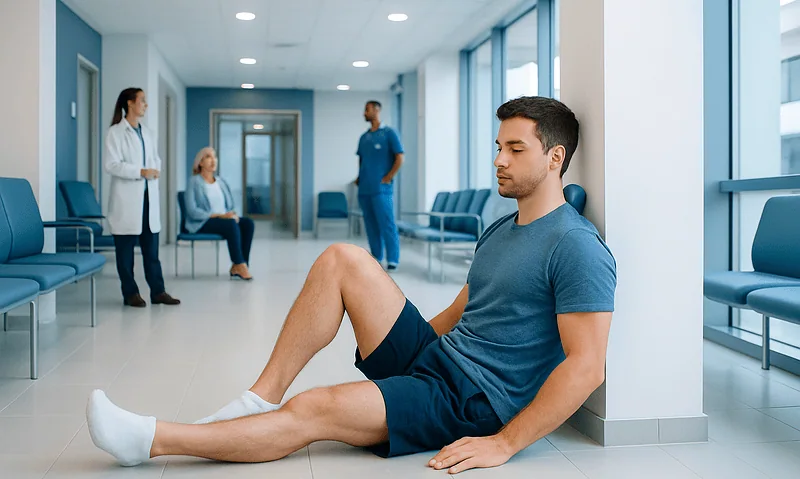
Treatment for Brachial Plexus Nerve Injury: How It Works, Results and What to Expect

Treatment depends on whether nerves are stretched, torn, ruptured, or pulled away from the spinal cord. Early specialist assessment helps identify injuries that may benefit from nerve reconstruction.
Key Takeaways
- Treatment depends on whether nerves are stretched, torn, ruptured, or pulled away from the spinal cord.
- Early specialist assessment helps identify injuries that may benefit from nerve reconstruction.
- Rehabilitation is important for every stage of recovery, whether or not surgery is needed.
- Nerve healing is slow, and functional recovery may continue for many months or longer.
- Surgery aims to improve useful function, but the degree of recovery varies with injury severity, timing, age, and rehabilitation.
Treatment for brachial plexus nerve injury is tailored to the type, location, and timing of nerve damage. Some injuries improve with observation and rehabilitation, while severe tears or nerve root avulsions may require specialized reconstructive surgery to restore as much movement and sensation as possible.
Overview: How Treatment for Brachial Plexus Nerve Injury Works
Treatment for brachial plexus nerve injury aims to protect the shoulder and arm, relieve symptoms, and restore as much movement and feeling as possible. The brachial plexus is a network of nerves that travels from the neck into the shoulder, arm, and hand. These nerves control muscles and carry sensation, so an injury may cause weakness, numbness, pain, or loss of arm function.
The best approach depends on the exact pattern of damage. A nerve that has been stretched or bruised may recover without an operation, while a fully torn nerve may need repair. When a nerve has been pulled away from the spinal cord, known as an avulsion, direct repair is usually not possible; surgeons may instead use nerve transfers or later reconstructive procedures.
Care is commonly coordinated by specialists in peripheral nerve surgery, neurology, orthopedics, plastic and reconstructive surgery, pain medicine, and physical and occupational therapy. The central goal is practical: improving the functions that matter most, such as stabilizing the shoulder, bending the elbow, moving the hand, or managing daily activities independently.
Understanding the Injury and Who May Need Surgery
Brachial plexus injuries can follow motorcycle or vehicle collisions, falls, sports injuries, penetrating trauma, shoulder dislocation, or birth-related stretching of the neck and shoulder. The injury may involve one branch of the plexus or several levels. It may also occur alongside fractures, vascular injury, spinal trauma, or other serious injuries that need immediate attention.
Doctors describe nerve damage in several ways. Neuropraxia is a temporary interruption of nerve signaling and often improves over weeks to months. More severe injuries can involve damage to nerve fibers, a rupture of the nerve, or avulsion of nerve roots from the spinal cord. The location of damage and the muscles affected help guide treatment planning.
Surgery may be considered when there is evidence of nerve rupture or avulsion, when meaningful recovery is not appearing during follow-up, or when weakness is severe enough to significantly limit arm function. The ideal timing varies, but prompt referral after a major injury is important because certain nerve reconstruction options are generally most effective before muscles have been denervated for too long.
Not every person with a brachial plexus injury needs surgery. A specialist will consider injury findings, overall health, wound healing, associated injuries, previous treatment, goals for recovery, and the person’s ability to take part in rehabilitation. This individualized assessment is an essential part of brachial plexus injury care.
Assessment and Planning Before Treatment
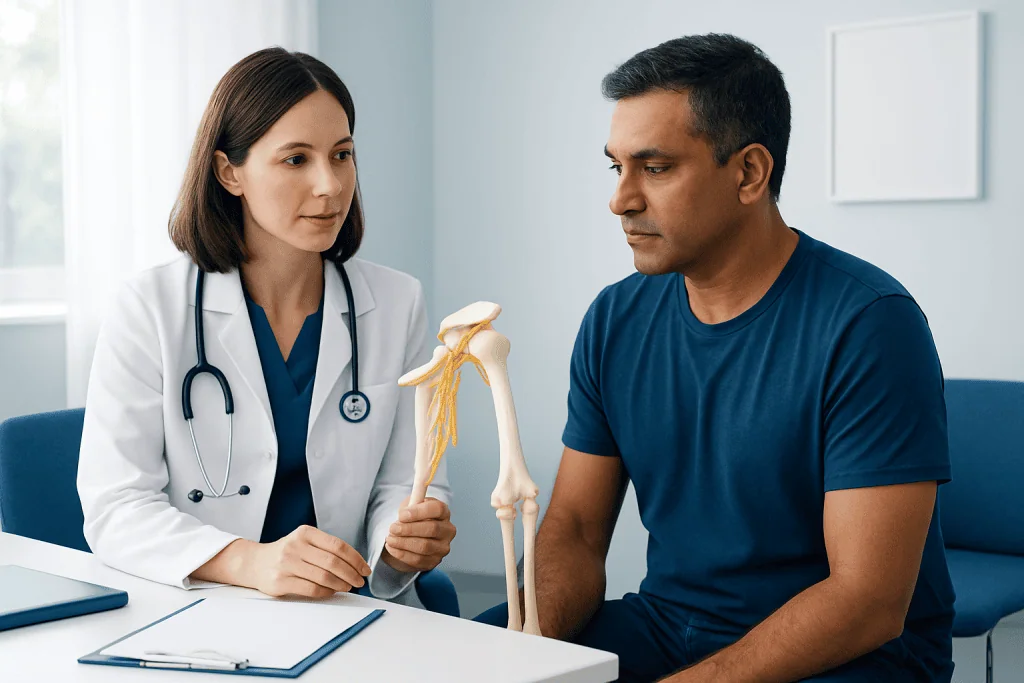
Evaluation begins with a detailed history and physical examination. The clinician checks strength in individual muscle groups, sensation, reflexes, shoulder stability, range of motion, pain, and signs of recovering nerve activity. Repeated examinations are valuable because the pattern of recovery over time can reveal how the injury is healing.
Tests may include nerve conduction studies and electromyography (EMG), which assess electrical activity in nerves and muscles. Imaging such as MRI, CT myelography, ultrasound, or X-rays may help identify nerve root avulsion, swelling, fractures, or other structures affected by the injury. No single test tells the entire story, so results are interpreted together.
Before reconstructive surgery, the surgical team discusses realistic priorities. In an extensive injury, restoring elbow bending and a stable shoulder may take precedence over fine hand movement. In a more localized injury, the plan may focus on a particular weak muscle group or painful neuroma. A therapist may record baseline movement and establish preoperative exercises to protect joints and preserve flexibility.
Medication, guided pain management, splints, and therapy can be used while assessment is ongoing. Severe burning or shooting nerve pain should be discussed with the treating team, as it may need a structured pain-management plan alongside treatment for loss of movement.
Procedure Options: Step by Step
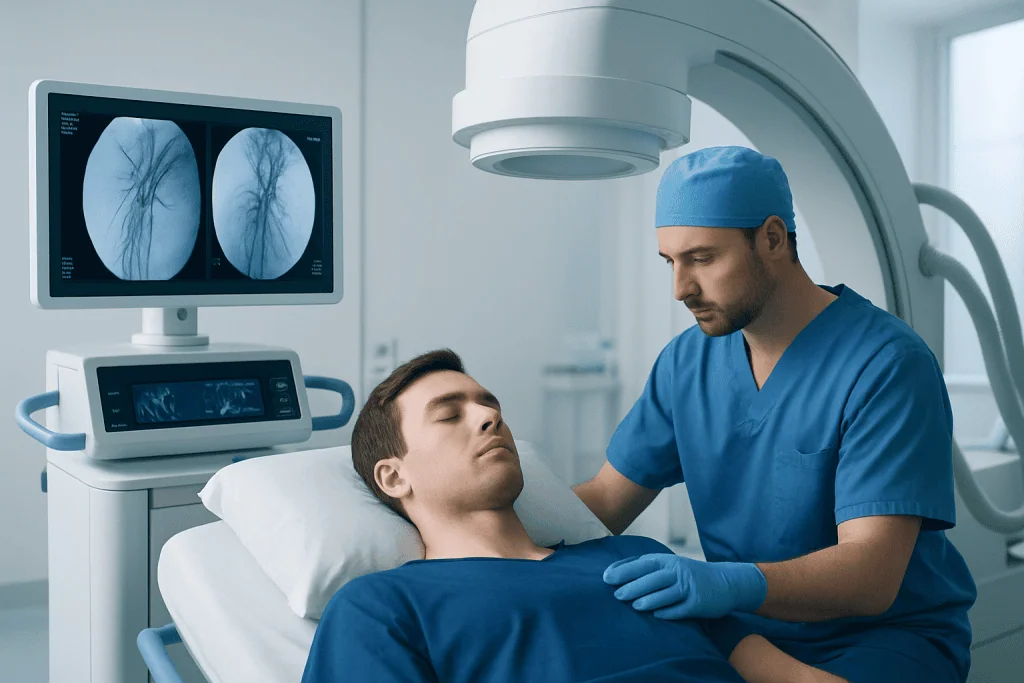
When an operation is recommended, it is performed under general anesthesia. The surgeon makes an incision that provides access to the injured nerves, often in the neck, above or below the collarbone, shoulder, arm, or another area depending on the reconstruction plan. During exploration, the team identifies healthy nerve tissue and assesses whether nerves are in continuity, scarred, ruptured, or avulsed.
If a nerve is sharply damaged and the ends can be brought together without excessive tension, a direct nerve repair may be possible. When there is a gap, the surgeon may bridge it with a nerve graft, usually using a sensory nerve from another part of the body. The graft provides a pathway through which regenerating nerve fibers may grow toward the target muscles.
A nerve transfer uses a nearby working nerve or a small branch of it to reconnect with a more important nonfunctioning nerve. This can shorten the distance that regenerating fibers must travel. The approach may be used to help restore functions such as elbow bending or shoulder movement. In selected cases, a nerve transfer procedure is combined with other reconstructive techniques.
If nerve reconstruction is no longer likely to produce enough muscle recovery, surgeons may consider tendon transfer, muscle transfer, joint stabilization, or procedures to improve positioning and function. These operations use functioning muscles or tendons to compensate for lost movement. The plan is based on what muscles remain strong and which functions are most important for daily life.
Recovery Timeline, Rehabilitation, and Expected Results
Recovery after treatment for brachial plexus nerve injury is gradual. After surgery, the arm may be supported in a sling, brace, or other protective position for a period determined by the procedure. Wound care, pain control, and follow-up appointments help the team monitor healing and identify concerns early.
Physical and occupational therapy are central to recovery. Early therapy may focus on maintaining joint motion, preventing stiffness, protecting repairs, reducing swelling, and learning safe ways to use the arm. As healing progresses, therapy may add stretching, strengthening of available muscles, training in new movement patterns, sensory re-education, and practical strategies for dressing, work, or school.
Nerves regenerate slowly, and it may take several months before new muscle activity becomes noticeable after nerve surgery. Improvement can continue over a year or longer. Results vary widely: people with milder injuries may recover substantial function without surgery, while severe high-energy injuries may leave lasting weakness despite expert reconstruction and rehabilitation.
Follow-up testing and clinical examinations help measure progress. A care team may adjust therapy goals, recommend braces or adaptive devices, address pain, and discuss later reconstructive options if a key function has not returned as hoped. Recovery often requires patience, but steady rehabilitation can make an important difference in comfort and independence.
Benefits, Limitations, and Possible Risks
The potential benefit of treatment is improved useful arm function, reduced instability, better positioning of the shoulder or hand, and greater independence in daily activities. Rehabilitation may also help prevent secondary problems such as joint stiffness, muscle shortening, and poor posture. Pain treatment can improve sleep, activity, and overall well-being.
It is important to have realistic expectations. Surgery cannot always restore normal strength, sensation, coordination, or fine hand control. The outcome is influenced by the severity and level of the injury, whether nerve roots are avulsed, the time between injury and reconstruction, the condition of muscles and joints, age, smoking status, associated trauma, and engagement with rehabilitation.
As with other operations, potential risks include bleeding, infection, blood vessel injury, scarring, wound-healing problems, anesthesia-related complications, persistent pain, and the need for further treatment. Nerve procedures also carry a possibility of incomplete recovery or no meaningful improvement. When a nerve graft or transfer is used, there may be numbness, weakness, or other effects at the donor site, although teams select donor nerves carefully to minimize functional impact.
The surgeon explains the specific risks and expected benefits for the proposed procedure. Asking which functions are most likely to improve, how long rehabilitation may take, and what alternatives exist can help people make an informed decision.
Daily Care and When to Seek Medical Care
During recovery, people should follow their surgeon’s and therapist’s instructions about splinting, wound care, lifting, exercises, and return to driving, work, sport, or other activities. Avoiding tobacco and nicotine is often advised because these can impair wound healing and may affect recovery. Adequate nutrition, sleep, and regular therapy attendance support general healing.
Medical review is needed promptly after a significant neck, shoulder, or arm injury that causes persistent weakness, numbness, severe pain, loss of movement, or an arm that feels unusually cold or changes color. Urgent assessment is particularly important after high-energy trauma, deep cuts, suspected fracture or dislocation, or symptoms involving breathing, swallowing, or the face.
After an operation, patients should contact their surgical team for fever, increasing redness or drainage from the wound, worsening swelling, uncontrolled pain, new weakness, color changes in the hand, or other unexpected symptoms. Emergency care is appropriate for chest pain, breathing difficulty, fainting, or signs of a serious circulation problem.
Acibadem International’s multidisciplinary specialists and JCI-accredited hospitals assess and treat brachial plexus injuries for international patients, with surgical care coordinated alongside rehabilitation when appropriate.
Frequently asked questions
Can a brachial plexus nerve injury heal without surgery?
Some injuries, especially mild stretching or bruising injuries, can improve without surgery. Regular specialist follow-up is important because recovery patterns help determine whether observation and rehabilitation remain appropriate or whether reconstruction should be considered.
How soon should brachial plexus surgery be performed?
The timing depends on the injury type, associated trauma, and signs of spontaneous recovery. Severe injuries should be assessed by a peripheral nerve specialist promptly, as some reconstructive procedures are more useful when performed before prolonged loss of nerve supply affects the muscles.
What is the difference between nerve grafting and nerve transfer?
Nerve grafting uses a segment of nerve to bridge a gap between injured nerve ends. A nerve transfer redirects a nearby functioning nerve branch to a damaged nerve, often reducing the distance that nerve fibers need to grow to reach a target muscle.
How long does recovery take after brachial plexus surgery?
Recovery commonly takes many months because nerve regeneration is slow. Therapy begins according to the procedure and may continue for a year or longer, while the final degree of recovery depends on the injury and the reconstruction performed.
Will treatment restore normal hand and arm function?
Complete recovery is not always possible, especially after severe nerve rupture or root avulsion. Treatment aims to restore the most useful functions possible, such as shoulder stability or elbow movement, while therapy and adaptive strategies help support independence.
Is pain common after a brachial plexus injury?
Pain can occur and may feel burning, shooting, electric, or aching. It should be discussed with the treating team because pain management may include rehabilitation approaches, medicines, and specialist support alongside treatment for nerve and muscle function.
References
- American Academy of Orthopaedic Surgeons
- American Society for Surgery of the Hand
- Mayo Clinic
- National Institute of Neurological Disorders and Stroke
- Merck Manual Consumer Version
This article is for general information only and is not a substitute for professional medical advice. Please consult a qualified doctor about your individual situation.
Joint and spine care in Turkey — expert assessment & treatment
JCI-accredited · board-certified surgeons · reply within 24h
Add us as a Preferred Source to see more of our trusted health content across Google Search, AI Overviews and Discover.