Treatment for Dilated Pupils: How It Works, Results and What to Expect

Most pupil dilation after an eye examination is temporary and improves without treatment within several hours. The safest treatment for dilated pupils depends on the underlying cause, such as eye drops, medication effects, injury, or a neurological condition.
Key Takeaways
- Most pupil dilation after an eye examination is temporary and improves without treatment within several hours.
- The safest treatment for dilated pupils depends on the underlying cause, such as eye drops, medication effects, injury, or a neurological condition.
- Dark glasses, reduced screen use, and avoiding driving until vision is clear can make temporary dilation more comfortable.
- Sudden pupil changes with severe headache, eye pain, weakness, confusion, or vision loss require urgent medical care.
- Do not use eye drops or home remedies to reverse pupil dilation unless a qualified clinician recommends them.
Treatment for dilated pupils focuses on identifying why the pupils are enlarged. Dilation caused by an eye examination usually resolves on its own, while persistent, unequal, painful, or sudden dilation may require urgent evaluation and cause-specific care.
Overview: Treatment for Dilated Pupils
Treatment for dilated pupils depends on the cause. In many cases, enlarged pupils are an expected temporary effect of dilating eye drops used during an eye examination, and they return to normal as the medication wears off. Comfort measures, such as wearing sunglasses and avoiding visually demanding tasks, are usually all that is needed.
However, dilated pupils can also be associated with medication side effects, recreational substances, eye injury, inflammation, nerve problems, or less commonly a serious neurological condition. A clinician may assess whether both pupils are affected equally, whether they react to light, and whether symptoms such as pain, headache, drooping eyelids, double vision, or weakness are present.
There is no single procedure that is appropriate for every person with dilated pupils. Effective care means addressing the reason for the change while protecting vision and identifying situations that need prompt treatment.
How Pupil Dilation Happens and How Treatment Works
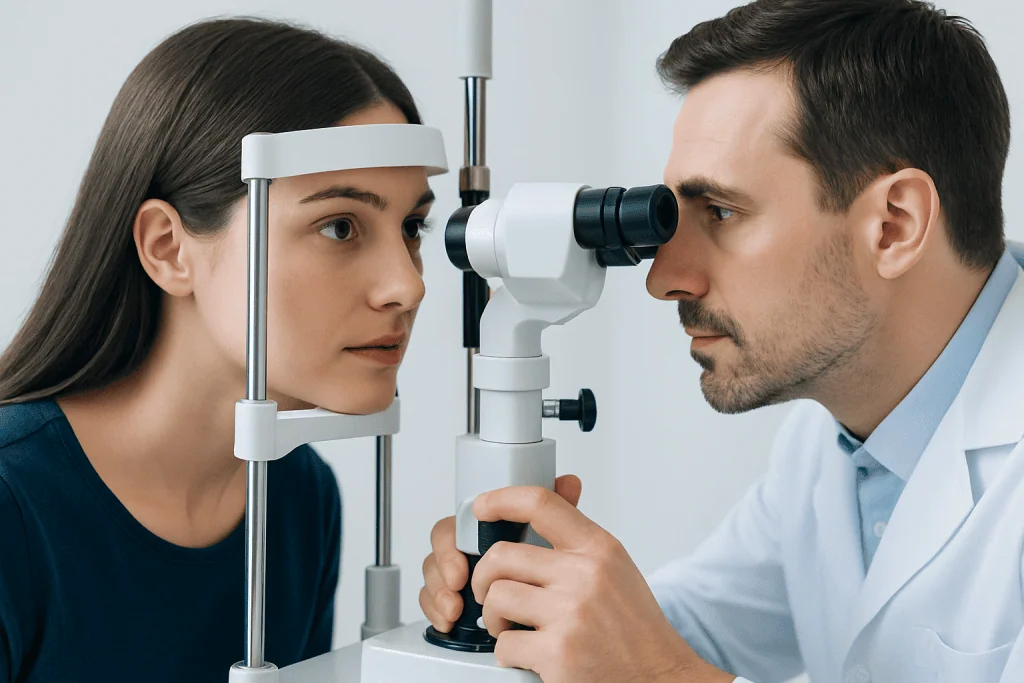
The pupil is the dark opening in the center of the iris, the colored part of the eye. Muscles in the iris control pupil size in response to light, focusing needs, emotional states, and signals from the nervous system. A dilated pupil, also called mydriasis, is larger than usual and lets more light enter the eye.
During a comprehensive eye examination, ophthalmic drops may temporarily relax the muscle that constricts the pupil. This helps an eye specialist examine the retina, optic nerve, and blood vessels at the back of the eye. Some drops also temporarily affect the eye’s focusing ability, which can make near vision blurry.
When dilation is medication-related and expected, the medication is usually allowed to clear naturally. When the cause is another medicine, a toxin, an eye condition, or a nerve-related problem, treatment may involve stopping or changing a causative medicine under medical supervision, treating inflammation or injury, or arranging neurological or ophthalmological care. The goal is not simply to make the pupil smaller; it is to treat the underlying problem safely.
Who May Need Assessment and What Diagnosis Involves

A person may need assessment if the pupils remain enlarged longer than expected after an examination, if only one pupil is enlarged, or if dilation occurs without an obvious reason. An assessment is particularly important when there is recent head or eye trauma, a new medication or chemical exposure, or a change in vision.
An ophthalmologist or emergency clinician will ask about the timing of symptoms, use of prescription or non-prescription medicines, eye drops, possible exposure to substances, recent procedures, and injury. The examination may include checking visual acuity, eye movements, eyelid position, pupil responses to light and near focus, eye pressure, and the health of the front and back of the eye.
Depending on the findings, testing may include a detailed eye examination, imaging, or blood tests. A sudden difference in pupil size can sometimes reflect a problem affecting the eye or the nerves that control it, so clinicians consider neurological symptoms carefully. Evaluation may also identify related eye conditions, including glaucoma, when appropriate.
- Expected dilation after prescribed examination drops usually needs observation rather than additional treatment.
- Persistent or unexplained dilation needs a tailored assessment.
- New neurological symptoms or eye pain change the urgency of care.
What to Expect During Treatment for Dilated Pupils
If a person has planned pupil dilation for an eye examination, the process is straightforward. The clinician places one or more drops in each eye, waits for the pupils to enlarge, and then performs the examination. The drops may sting briefly, and vision can become light-sensitive or blurred, especially for reading and other close work.
If dilation is not expected, the first step is usually diagnosis rather than an immediate procedure to constrict the pupil. The clinician checks for urgent eye and neurological causes, reviews medicines, and may perform tests based on the examination. Treatment is then directed to the identified cause; for example, an injury may need eye-specific treatment, while medication-related effects may improve after a prescribing clinician adjusts the medicine.
Some pupil-constricting medicines exist, but they are not routinely used to reverse standard diagnostic dilation. They can cause side effects and may be unsuitable in some eye conditions. A specialist may recommend them only in selected circumstances after assessing the eye and the reason for the dilation.
Acibadem International’s multidisciplinary specialists and JCI-accredited hospitals can assess eye and neurological causes of pupil changes for international patients when coordinated care is needed.
Recovery Timeline, Benefits and Possible Risks
After routine examination drops, many people notice improvement within a few hours. The exact recovery time varies with the type and strength of drops, the person’s age, eye color, and individual response. Near blur and sensitivity to bright light can sometimes last into the next day, particularly after stronger or longer-acting drops.
The main benefit of planned dilation is that it allows a more complete evaluation of eye health. It can help an ophthalmologist identify changes in the retina, optic nerve, lens, and blood vessels that may not be visible through an undilated pupil. When an underlying cause is found, timely treatment may help protect comfort and vision.
Temporary blurred vision and light sensitivity are common after dilating drops. Rarely, dilation can trigger a sudden rise in eye pressure in people with anatomically narrow drainage angles, causing marked eye pain, redness, halos around lights, nausea, or vomiting. These symptoms need urgent assessment. Risks and expected effects should be discussed with the clinician, especially for people with glaucoma risk or a history of eye surgery.
What Should You Not Do After Eye Dilation?
After eye dilation, a person should avoid driving, cycling in traffic, operating machinery, or doing tasks that require sharp vision until the effects have clearly worn off. Near vision may be impaired even when distance vision feels reasonably good, and bright light can be uncomfortable.
It is sensible to postpone detailed reading, prolonged computer work, needlework, and other close-up activities if vision is blurry. Wearing sunglasses outdoors can reduce glare and improve comfort. People who wear contact lenses should follow the eye clinician’s specific advice, particularly if their eyes feel dry or irritated after the examination.
Do not use over-the-counter eye drops, borrowed prescription drops, or remedies advertised to reverse dilation without medical guidance. A person should also avoid rubbing the eyes, especially after drops have been administered, and should wash their hands to reduce the chance of transferring medication to another person or surface.
How Long Does It Take to Recover From Dilated Pupils?
Recovery from dilated pupils after a routine eye examination often takes several hours, but some people continue to have light sensitivity or difficulty focusing on nearby objects until the following day. The duration depends on the specific drops used and individual factors, so the clinician performing the examination can give the most relevant estimate.
When dilation is caused by a medicine, substance, injury, or health condition, recovery is less predictable. It may improve after the cause is addressed, but the timeline can range from hours to longer depending on the diagnosis. Persistent enlargement, one enlarged pupil, or worsening symptoms should not be managed by waiting alone without professional advice.
Vision should be comfortable and clear enough for normal activities before a person resumes driving or tasks that require accurate focus. If symptoms last beyond the timeframe explained by the eye clinic, contacting the clinic is appropriate.
What Helps Dilated Pupils Go Away and When to Seek Medical Care
For expected dilation after an eye examination, time is the main remedy. Resting the eyes, using sunglasses in bright settings, choosing softer indoor lighting, and limiting near work can help manage discomfort while the drops wear off. Drinking extra water, sleeping, or using unprescribed eye drops does not reliably make pupils return to normal faster.
If a medicine may be contributing, the person should not stop a prescribed treatment abruptly. Instead, they should contact the prescribing clinician or pharmacist for advice. If exposure to a chemical or unknown substance is suspected, urgent medical or poison-control guidance may be needed, depending on the circumstances and symptoms.
Medical care should be sought urgently for sudden pupil dilation or unequal pupils accompanied by severe headache, eye pain, red eye, nausea or vomiting, double vision, eyelid drooping, weakness, numbness, confusion, fainting, new difficulty speaking, or loss of vision. Prompt assessment is also important after a head injury or direct injury to the eye.
Frequently asked questions
Can I drive after a dilated eye exam?
A person should not drive until vision is clear, comfortable, and safe for driving. Dilating drops can cause glare sensitivity and blurred near vision, and some people may have reduced visual comfort for several hours. It is often wise to arrange transport home or confirm driving advice with the eye clinic before the appointment.
Is treatment for dilated pupils always necessary?
No. Pupils enlarged by examination drops usually return to normal without treatment. Treatment or further assessment is needed when dilation is unexplained, persistent, unequal, associated with injury, or accompanied by concerning eye or neurological symptoms.
Why are my pupils still dilated after eye drops?
Some dilating drops are designed to last longer than others, and the duration differs among individuals. Blurry near vision and light sensitivity may continue after the pupil begins to get smaller. Contact the eye clinic if the effects last longer than expected or symptoms become more severe.
Can anxiety cause dilated pupils?
Yes. Stress, anxiety, excitement, and fear can temporarily activate the body's fight-or-flight response, which may enlarge the pupils. This usually settles as the person becomes calmer, but new or persistent pupil changes should still be evaluated if there is no clear explanation.
Are unequal pupils always dangerous?
No. Some people naturally have a small, stable difference in pupil size, known as physiologic anisocoria. However, a new or increasing difference, especially with headache, eye pain, drooping eyelid, double vision, injury, or weakness, needs prompt medical assessment.
Can I make dilated pupils shrink faster at home?
There is no proven home method that safely reverses dilation from examination drops. Sunglasses and reduced close-up work can improve comfort while the effect fades. Do not use constricting eye drops or other medicines unless a clinician has specifically advised them.
References
- American Academy of Ophthalmology
- National Eye Institute
- Mayo Clinic
- Merck Manual Consumer Version
This article is for general information only and is not a substitute for professional medical advice. Please consult a qualified doctor about your individual situation.
Explore treatments in Turkey — costs, top hospitals & a free quote
JCI-accredited · board-certified surgeons · reply within 24h
Add us as a Preferred Source to see more of our trusted health content across Google Search, AI Overviews and Discover.

More from the Health Library



Related Specialists

Dr. Ali Doruk Hacıoğlu
General Surgery
Dr. Yalda Kargar
Inpatient Clinic Physicians Clinical Service
Prof. Dr. Yusuf Serdar Sakın
Gastroenterology
Dr. Nevin Çokpınar
Neurology