

Treatment for Ischemic Changes in the Brain: How It Works, Results and What to Expect
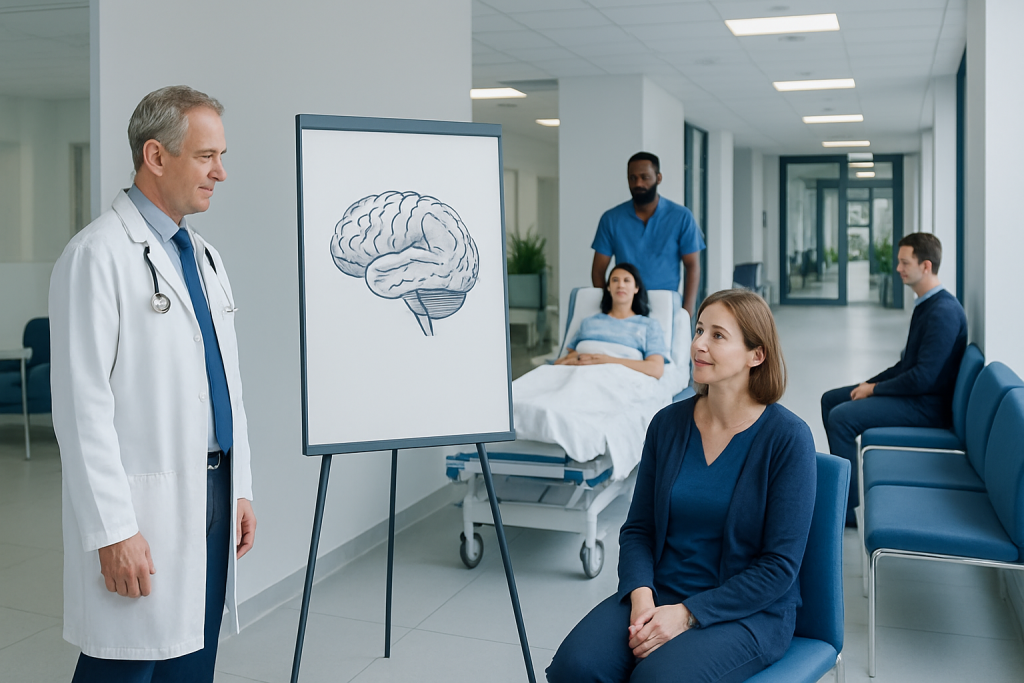
Sudden symptoms of brain ischemia are a medical emergency because fast treatment can protect brain tissue. Treatment is tailored to the cause, such as a blood clot, narrowed artery, irregular heartbeat, or small-vessel disease.
Key Takeaways
- Sudden symptoms of brain ischemia are a medical emergency because fast treatment can protect brain tissue.
- Treatment is tailored to the cause, such as a blood clot, narrowed artery, irregular heartbeat, or small-vessel disease.
- Some effects of ischemia can improve with timely treatment and rehabilitation, but established brain injury may not fully reverse.
- Preventing another ischemic event is a central part of care and often involves medicines plus lifestyle measures.
- Recovery varies according to the affected brain area, the severity and duration of reduced blood flow, and a person's overall health.
Treatment for ischemic changes in the brain depends on whether reduced blood flow is happening suddenly or reflects older, chronic small-vessel damage. Care may include emergency stroke treatment, medicines and procedures to reduce future risk, rehabilitation, and long-term management of blood pressure, diabetes, cholesterol, and other vascular risks.
Overview: What Treatment for Ischemic Changes in the Brain Involves
Treatment for ischemic changes in the brain aims to address reduced blood flow to brain tissue, limit further injury, and lower the likelihood of future stroke. The right approach depends on whether the changes are acute, meaning they are occurring now, or chronic, meaning they are seen as older changes on a brain scan. Acute ischemia requires urgent assessment; chronic ischemic changes usually call for planned evaluation and vascular risk reduction.
Brain ischemia can occur when an artery is blocked by a clot, narrowed by atherosclerosis, or affected by poor circulation in very small vessels. It may also be linked to conditions that allow clots to form in the heart and travel to the brain, including atrial fibrillation. A scan report may describe “chronic ischemic changes,” “white matter changes,” or “small-vessel ischemic disease”; these phrases should be interpreted alongside symptoms, examination findings, and medical history.
Care commonly involves a coordinated team that may include emergency physicians, neurologists, stroke specialists, interventional neuroradiologists, cardiologists, vascular specialists, rehabilitation professionals, and primary care clinicians. The goals are both immediate protection of brain function and practical long-term prevention.
How Treatment Works: Restoring Flow and Preventing Further Injury
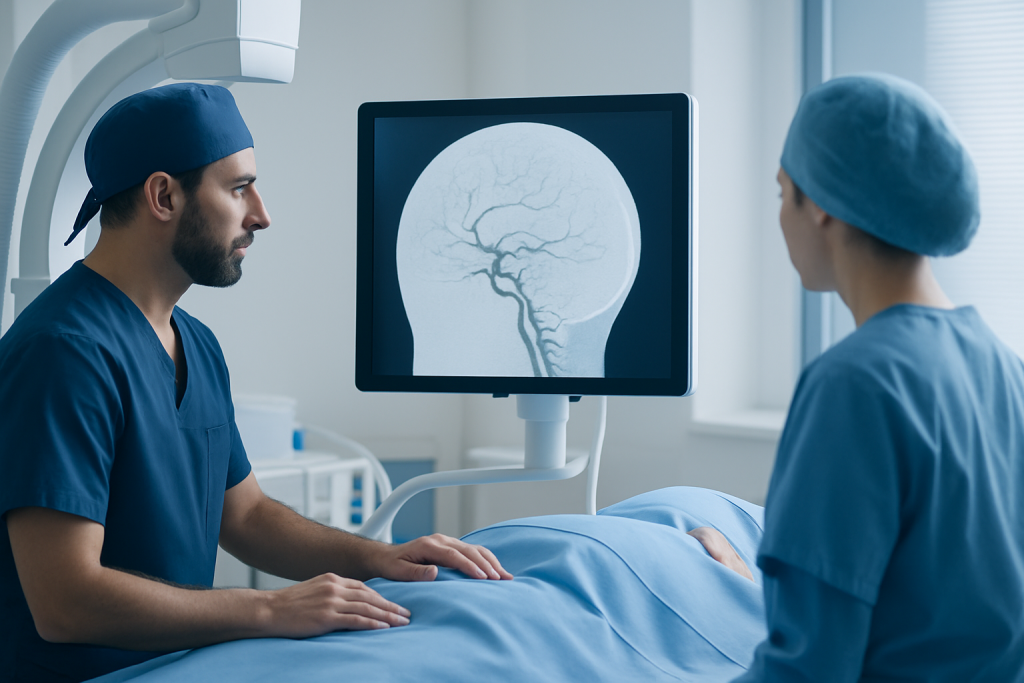
When a person has an acute ischemic stroke, the first priority is to determine whether blood flow can be restored safely and quickly. Brain imaging helps distinguish an ischemic stroke from bleeding in the brain and can identify which blood vessel is affected. Depending on the timing, scan findings, symptoms, and individual health factors, doctors may consider clot-dissolving medicine or a catheter-based procedure to remove a clot from a large brain artery.
For selected people with a large-vessel blockage, mechanical thrombectomy may be used. During this minimally invasive procedure, a specialist guides a catheter through an artery to the blocked vessel and removes the clot. It is not suitable for every stroke, but it can be particularly important for eligible patients with certain major artery blockages.
After the acute phase, treatment focuses on the cause. Antiplatelet medicines may be appropriate for some forms of ischemic stroke, while anticoagulant medicines are often considered when atrial fibrillation or another cardiac source of embolism is present. Cholesterol-lowering therapy, blood pressure treatment, diabetes care, smoking cessation support, and management of sleep apnea can all contribute to lowering vascular risk. Doctors select treatment carefully because blood-thinning medicines can increase bleeding risk in some circumstances.
In some people, significant narrowing in an artery of the neck or brain requires specialist assessment. Options may include intensive medical treatment and, in carefully selected cases, procedures to treat carotid artery narrowing. The most appropriate plan is based on imaging, symptoms, the location of narrowing, and the balance of expected benefit and risk.
Who May Need Urgent Care, Testing, or a Procedure?
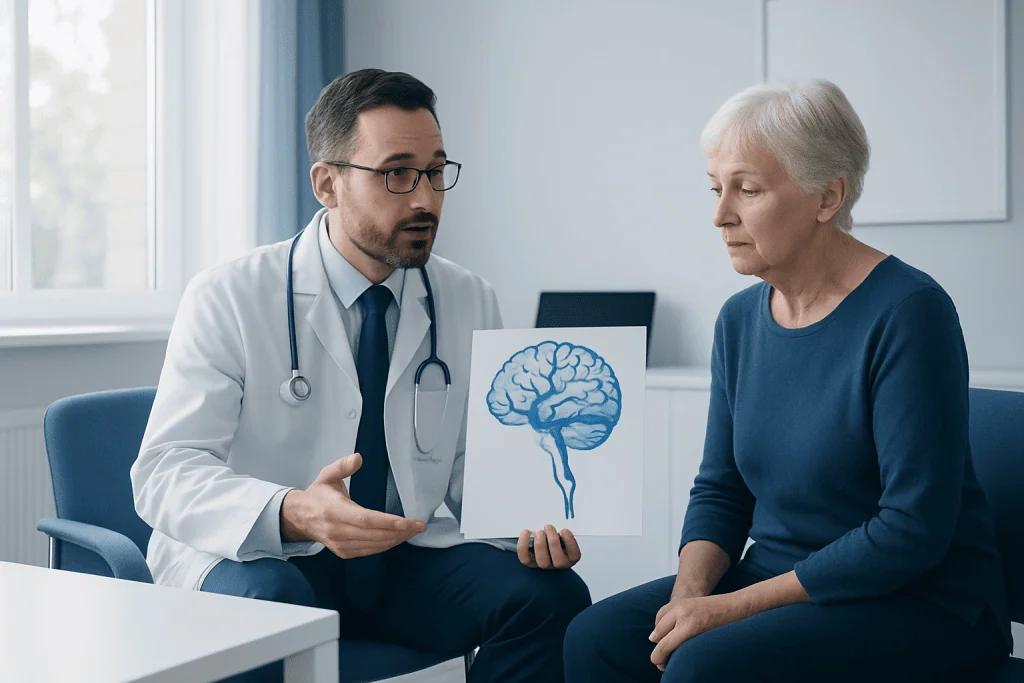
Anyone with new symptoms suggesting a stroke needs immediate emergency evaluation. Warning signs can include sudden weakness or numbness of the face, arm, or leg, especially on one side; difficulty speaking or understanding speech; sudden vision loss or double vision; sudden severe imbalance; or a sudden, unusual headache. Even if symptoms disappear within minutes, they may represent a transient ischemic attack (TIA), sometimes called a mini-stroke, and still require urgent assessment.
People with ischemic changes found incidentally on MRI may not need an emergency procedure, especially if they have no new neurological symptoms. However, they should discuss the finding with a qualified clinician. The evaluation may review blood pressure, blood sugar, cholesterol, heart rhythm, smoking history, kidney function, medications, and symptoms involving memory, walking, balance, or prior transient neurological episodes.
Candidacy for advanced stroke treatment is determined rapidly in hospital and cannot be decided from symptoms alone. Doctors consider the time symptoms began or when the person was last known well, the severity of deficits, brain and vessel imaging, the location of a blockage, current medicines, bleeding risks, and overall health. The same individualized assessment applies to procedures for narrowed arteries.
- Acute treatments are most relevant when symptoms have started suddenly and imaging shows a treatable blockage.
- Preventive treatment is important after a stroke or TIA and for people with substantial vascular risk factors.
- Rehabilitation is considered when ischemia has affected movement, speech, swallowing, vision, thinking, or daily activities.
What to Expect: Assessment, Treatment Steps, and Recovery Timeline
In an emergency setting, assessment begins with stabilization and a focused neurological examination. Clinicians check blood pressure, blood glucose, oxygen level, heart rhythm, and medication history. CT or MRI brain imaging is used to identify bleeding or ischemic injury, while CT angiography, MR angiography, or other tests may examine brain and neck arteries. Blood tests and heart tests, such as an electrocardiogram and sometimes echocardiography, can help identify the underlying cause.
If an acute blockage is found and a person is eligible, treatment is delivered without unnecessary delay. Clot-dissolving medication may be given intravenously in suitable cases. Mechanical thrombectomy is performed in a specialized angiography suite under carefully monitored sedation or anesthesia when indicated. Afterward, patients are monitored closely for neurological changes, blood pressure control, bleeding, swallowing safety, and complications.
Recovery starts in hospital but may continue for months or longer. Early rehabilitation can include physiotherapy for mobility and strength, occupational therapy for everyday activities, speech and language therapy, swallowing assessment, neuropsychological support, and emotional care. Some people return home quickly with outpatient follow-up, while others benefit from inpatient rehabilitation or home-based therapy.
Follow-up appointments review recovery, medication tolerance, blood pressure and cholesterol targets, and the likely cause of ischemia. The care plan may change as new test results become available. Keeping a clear list of medicines and attending rehabilitation sessions can help people and families take an active role in recovery.
Benefits, Limits, and Possible Risks of Treatment
The principal benefit of early acute treatment is the possibility of saving brain tissue that is at risk but not yet permanently damaged. When appropriate therapies are given quickly to eligible patients, they may improve the chance of retaining independence and reduce disability. Preventive treatment can lower the risk of another stroke or TIA by addressing the mechanisms that reduce blood flow or promote clot formation.
No treatment is risk-free. Clot-dissolving medicines and anticoagulants can cause bleeding, including rare but serious bleeding in the brain. Catheter procedures can carry risks such as bleeding at the access site, blood vessel injury, contrast-related complications, stroke progression, or complications related to sedation or anesthesia. These risks are weighed against the potential harms of leaving a serious blockage untreated.
Long-term medicines may also require monitoring. For example, blood pressure medication can cause dizziness in some people, and anticoagulants require careful review of other medicines and bleeding symptoms. A clinician should be consulted before stopping antiplatelet or anticoagulant treatment, since stopping suddenly may increase clotting risk in some situations.
Chronic ischemic changes on imaging cannot always be linked to a specific symptom, and treatment cannot erase every scan finding. Nevertheless, controlling vascular risks remains valuable because it may slow further small-vessel injury and supports heart and brain health overall.
Can You Recover From Brain Ischemia?
Many people can recover some or all lost function after brain ischemia, especially when treatment is prompt and rehabilitation begins early. Recovery differs widely: some people have mild, short-lived symptoms, while others need ongoing help with movement, communication, memory, vision, or swallowing. Improvement often occurs most rapidly in the first weeks and months, but meaningful progress can continue over a longer period.
The brain can adapt through neuroplasticity, meaning healthy neural networks may help support functions affected by injury. Rehabilitation uses repeated, meaningful practice to encourage this process. Sleep, nutrition, emotional support, treatment of depression or anxiety when present, and consistent management of vascular risks are also important parts of recovery.
Families and caregivers can assist by supporting therapy goals while encouraging independence where safe. New or worsening neurological symptoms should not be assumed to be part of recovery; they should be assessed urgently because they could signal another ischemic event or another medical problem.
Can Ischemia in the Brain Be Reversed? Is It Serious? What Is the Prognosis?
Can ischemia in the brain be reversed? Reduced blood flow itself may be reversible if it is recognized and treated before brain cells are permanently injured. This is why suspected stroke is an emergency. Once an area of brain tissue has died, it cannot simply be restored, but treatment and rehabilitation may improve function and help prevent additional injury.
Is ischemia in the brain serious? Yes. Acute brain ischemia can cause stroke, permanent disability, or death if not treated promptly. Chronic ischemic changes are also clinically important because they can reflect long-term blood vessel disease and may be associated with higher risk of stroke, walking difficulties, mood changes, or cognitive decline, although the effect varies greatly between individuals.
What is the prognosis for ischemic changes? Prognosis depends on the cause, the amount and location of affected brain tissue, how quickly acute care was received, age, general health, and success in controlling risk factors. Small chronic changes may remain stable for years with good vascular care, while extensive changes or recurrent strokes can have greater effects. A treating neurologist can provide the most meaningful outlook after reviewing imaging, symptoms, and progress over time.
For international patients, Acibadem International’s multidisciplinary specialists and JCI-accredited hospitals can assess ischemic brain conditions, coordinate stroke care, and support rehabilitation planning where appropriate.
When to Seek Medical Care and How to Reduce Future Risk
Seek emergency medical care immediately for sudden facial drooping, arm or leg weakness, numbness, trouble speaking, confusion, loss of vision, severe unsteadiness, or any sudden neurological change. Do not wait to see if symptoms improve, and do not drive yourself if emergency transport is available. A TIA can resolve quickly but still needs urgent assessment because it may be a warning sign of a future stroke.
For non-urgent concerns, arrange a medical appointment if a scan has reported ischemic changes, if there are gradually worsening problems with balance or thinking, or if there are risk factors such as high blood pressure, diabetes, high cholesterol, smoking, atrial fibrillation, or previous stroke. A clinician can clarify what the imaging result means in context and develop a prevention plan.
Self-care supports, but does not replace, medical treatment. Helpful steps include taking prescribed medicines consistently, monitoring blood pressure as advised, avoiding tobacco, choosing a heart-healthy eating pattern, staying physically active within personal ability, limiting alcohol, maintaining regular sleep, and attending follow-up care. People with a history of stroke should also ask about rehabilitation, swallowing safety, and individualized exercise guidance.
Frequently asked questions
What does ischemic changes in the brain mean on an MRI report?
It usually means that imaging shows areas that may have had reduced blood supply, often related to small blood vessel changes over time. The significance depends on the appearance and extent of the changes, symptoms, age, and vascular risk factors. A doctor should interpret the report together with the full clinical picture.
Are chronic ischemic changes the same as a stroke?
Not necessarily. Chronic ischemic changes often describe older small-vessel changes rather than a new, large stroke. However, they can indicate underlying vascular disease and should prompt discussion of stroke risk reduction with a healthcare professional.
Can high blood pressure cause ischemic changes in the brain?
Yes. Long-standing high blood pressure can damage small blood vessels in the brain and is an important contributor to small-vessel ischemic changes. Managing blood pressure safely and consistently is one of the most effective ways to protect brain and cardiovascular health.
How long does recovery from brain ischemia take?
Recovery varies substantially. Some people improve within days or weeks, while others require months or longer of rehabilitation. The timeline depends on the severity and location of injury, treatment timing, other health conditions, and access to ongoing support.
Will I need blood thinners for ischemic changes in the brain?
Not everyone needs a blood thinner. The choice between antiplatelet medicines, anticoagulants, or neither depends on the cause of ischemia and personal bleeding risk. A doctor should make this decision after reviewing medical history, imaging, and heart rhythm findings.
Can lifestyle changes help prevent more ischemic changes?
Lifestyle measures can make an important difference, particularly alongside prescribed medical care. Avoiding tobacco, managing blood pressure and diabetes, following a balanced diet, being physically active as advised, and treating sleep problems can lower vascular risk. Regular follow-up is important because prevention plans may need adjustment over time.
References
- American Stroke Association
- National Institute of Neurological Disorders and Stroke
- Centers for Disease Control and Prevention
- World Stroke Organization
- National Health Service
This article is for general information only and is not a substitute for professional medical advice. Please consult a qualified doctor about your individual situation.
Explore treatments in Turkey — costs, top hospitals & a free quote
JCI-accredited · board-certified surgeons · reply within 24h
Add us as a Preferred Source to see more of our trusted health content across Google Search, AI Overviews and Discover.
Check your numbers in seconds
BMI, calories, due date, blood pressure and 30+ more clinical calculators — free, instant, doctor-reviewed ranges.

More from the Health Library



Related Specialists

Psk. Elvan Memiç
Psychology
Fzt. Gizem Adlı
Physical Medicine & Rehabilitation
Dr. Uğur Öner
Aesthetic Plastic & Reconstructive Surgery
Dt. Beyhan Kasapoğlu
Oral & Dental Health