Treatment for Pancreatitis after Gallbladder Removal: Procedure, Recovery and Results

Pancreatitis can occur after gallbladder removal, but it is uncommon and should be assessed promptly. A retained or newly formed bile duct stone is one possible cause, but alcohol, medicines, high triglycerides and other conditions may also be involved.
Key Takeaways
- Pancreatitis can occur after gallbladder removal, but it is uncommon and should be assessed promptly.
- A retained or newly formed bile duct stone is one possible cause, but alcohol, medicines, high triglycerides and other conditions may also be involved.
- Treatment commonly includes intravenous fluids, pain control, nutrition support and monitoring for complications.
- ERCP may be used to remove a bile duct stone or relieve blockage when imaging and blood tests indicate this is needed.
- Alcohol should be avoided during recovery, and returning to normal eating should follow the care team's advice.
- Severe or worsening upper-abdominal pain, fever, vomiting or jaundice needs urgent medical care.
Treatment for pancreatitis after gallbladder removal depends on its cause and severity. Most people need prompt medical assessment, supportive hospital treatment and, when a bile duct stone or obstruction is found, a procedure to restore bile flow.
Overview: treatment for pancreatitis after gallbladder removal
Treatment for pancreatitis after gallbladder removal usually begins with urgent medical assessment, fluids given through a vein, pain relief, anti-nausea treatment and careful monitoring. If tests show a stone, narrowing or other blockage in the bile duct, a procedure may be needed to remove the obstruction; treatment also addresses non-gallbladder causes such as alcohol use, very high triglycerides or medication effects.
The pancreas is an organ behind the stomach that produces digestive enzymes and hormones involved in blood sugar control. Pancreatitis means inflammation of this organ. It may develop suddenly, called acute pancreatitis, and can range from a mild illness that improves within days to a more serious condition requiring close hospital care.
Gallbladder removal, also called cholecystectomy, prevents future gallbladder attacks but does not remove the entire bile duct system. Rarely, a stone may remain in the common bile duct, or another cause of pancreatitis may become apparent after surgery. A careful evaluation is therefore more useful than assuming the operation itself caused the inflammation.
How likely is it to get pancreatitis after gallbladder removal?
Pancreatitis after gallbladder removal is not common. Cholecystectomy is generally performed to prevent repeated gallstone-related problems, including pancreatitis caused by stones leaving the gallbladder and entering the bile duct. However, pancreatitis can occur shortly after surgery or months to years later in a small number of people.
Early after surgery, clinicians consider possibilities such as a retained bile duct stone, swelling around the bile duct opening, a surgical complication or, less commonly, pancreatitis related to a procedure used to investigate the bile ducts. Later episodes may be caused by stones that were not previously visible, bile duct narrowing, alcohol, high triglycerides, certain medicines, inherited factors or unexplained pancreatic inflammation.
Symptoms alone cannot identify the cause. Blood tests, imaging and a review of the person’s medical history help determine whether there is an ongoing blockage or another trigger that needs specific treatment.
Why do I have pancreatitis with no gallbladder?
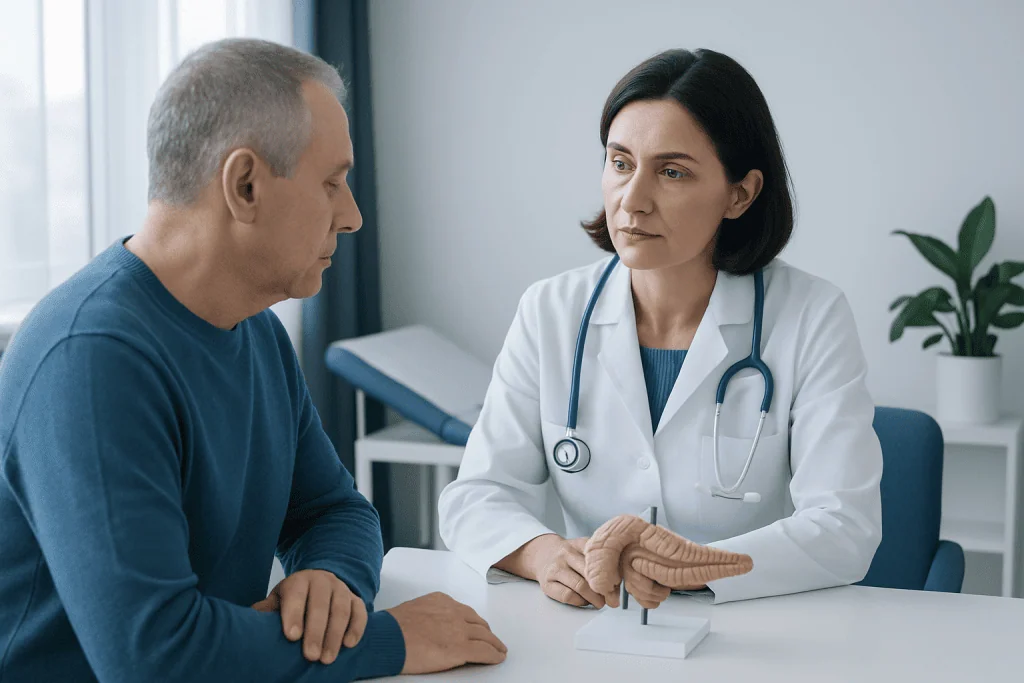
Having no gallbladder does not completely rule out bile-related pancreatitis. The liver continues to make bile, which travels through the bile ducts into the intestine. A stone can occasionally remain in the common bile duct after gallbladder surgery, or stones can form within the ducts later. If a stone temporarily blocks the shared drainage area for bile and pancreatic fluid, it can trigger pancreatic inflammation.
There are also many causes unrelated to the gallbladder. These include alcohol exposure, markedly raised triglyceride levels, high calcium levels, some medications, abdominal injury, infections, autoimmune disease and structural differences in the pancreatic or bile ducts. In some people, even thorough testing does not identify a definite cause; this is known as idiopathic pancreatitis.
Doctors may use liver-function blood tests, pancreatic enzyme tests, abdominal ultrasound, CT, MRI or magnetic resonance cholangiopancreatography (MRCP) to look for a cause. Depending on the situation, endoscopic ultrasound can detect very small stones or changes in the pancreas and bile ducts that may not be seen on standard imaging.
How to fix pancreatitis after gallbladder removal
Acute pancreatitis is treated according to its severity and underlying cause. Mild cases are often managed in hospital with intravenous fluids, pain control, anti-nausea medicine, blood tests and gradual reintroduction of food when symptoms improve. Early, appropriate nutrition is important; prolonged fasting is not routinely needed when a person can safely eat.
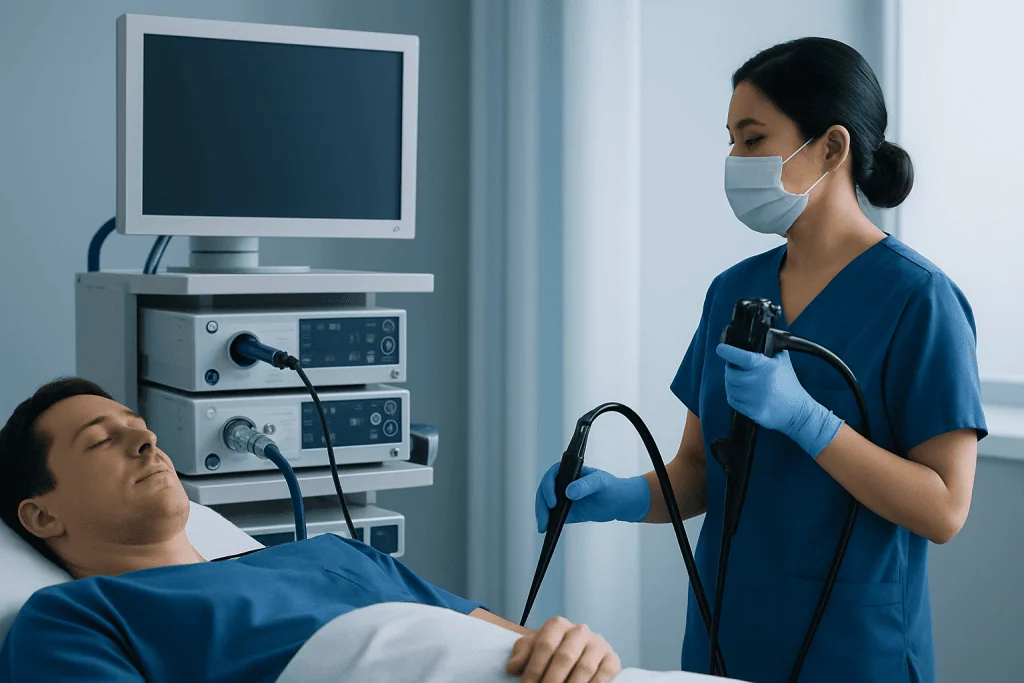
If there is evidence of cholangitis, persistent bile duct obstruction or a stone lodged in the common bile duct, doctors may recommend endoscopic retrograde cholangiopancreatography (ERCP). During this procedure, a flexible camera is passed through the mouth into the first part of the small intestine. Contrast imaging and small instruments can then help remove a stone, widen the duct opening or place a temporary stent when appropriate. ERCP treatment may provide relief when bile drainage is blocked.
Antibiotics are not routinely used for uncomplicated pancreatitis, because inflammation is often not caused by infection. They may be prescribed when there is suspected or confirmed infection, such as cholangitis. Severe pancreatitis may require monitoring in a high-dependency or intensive-care setting, treatment for organ dysfunction and specialist care for complications such as fluid collections or infected pancreatic tissue.
For recurrent attacks, management focuses on preventing another episode. This can include stopping alcohol, treating high triglycerides, changing a causative medicine under medical supervision, managing structural duct problems or arranging follow-up imaging. Pancreatitis care should be individualized because the best approach depends on why the inflammation occurred.
Procedure pathway: candidacy and step-by-step ERCP
ERCP is not needed for every person with pancreatitis after gallbladder removal. It is generally considered when symptoms, liver blood tests and imaging suggest a bile duct stone, active obstruction or infection in the bile ducts. In uncomplicated pancreatitis without signs of ongoing blockage, noninvasive imaging and supportive treatment may be safer and sufficient.
Before ERCP, the team reviews allergies, medications, heart and lung conditions, blood-thinning medicines and the ability to receive sedation. People are usually asked not to eat or drink for a specified period beforehand. Imaging such as ultrasound, MRCP or endoscopic ultrasound may be performed first to clarify whether intervention is likely to help.
During ERCP, sedation or anesthesia helps the patient remain comfortable. The specialist guides an endoscope through the mouth, stomach and duodenum to the opening of the bile duct. X-ray guidance can identify a blockage; the specialist may make a small opening enlargement, retrieve stones with a balloon or basket, or place a stent to support drainage.
After the procedure, the patient is observed while sedation wears off and monitored for abdominal pain, fever, bleeding or other concerns. The care team explains when to restart fluids and food, which medicines to take and what follow-up testing is required. In complex cases, gastroenterologists, surgeons, radiologists, nutrition specialists and critical-care clinicians may work together.
Recovery timeline, benefits and possible risks
Recovery from mild acute pancreatitis often begins over several days, although fatigue, appetite changes and digestive discomfort can take longer to settle. The timing varies with the cause, the degree of inflammation, hydration, nutritional status and whether a procedure was required. People should follow their clinician’s instructions about activity, diet and follow-up rather than relying on a fixed timeline.
The main benefits of prompt treatment are symptom relief, correction of dehydration, identification of the trigger and prevention of complications. When ERCP removes an obstructing bile duct stone, it can restore bile drainage and reduce the risk of continuing obstruction or bile duct infection. It does not treat every cause of pancreatitis, which is why accurate diagnosis remains essential.
Pancreatitis itself can lead to complications, particularly when severe, including fluid collections, infection, breathing problems, kidney injury or problems with blood sugar regulation. ERCP is also an invasive procedure and has risks, including bleeding, infection, perforation, reactions to sedation and procedure-related pancreatitis. Specialists weigh these risks against the expected benefit and use preventive measures when appropriate.
After discharge, follow-up may include repeat blood tests, imaging or review of cholesterol and triglyceride levels. People with recurrent symptoms, ongoing weight loss, persistent diarrhea or difficulty controlling blood sugar should tell their care team, as these concerns may require further pancreatic assessment.
What drink is good for pancreatitis?
For most people recovering from acute pancreatitis, water is the best routine drink once oral fluids are permitted. Clear liquids may be introduced first in some situations, followed by a balanced diet as tolerated. The treatment team may adjust this plan for people who are vomiting, dehydrated, have diabetes, kidney disease or more severe pancreatitis.
Alcohol should be avoided completely during recovery and afterward unless a clinician specifically advises otherwise. Alcohol can trigger pancreatitis and increase the likelihood of recurrence, even when it was not confirmed as the original cause. Sugary beverages and very large amounts of caffeinated drinks are also best limited, particularly for people with high triglycerides or blood sugar concerns.
No juice, tea, supplement drink or “detox” product can cure pancreatitis or replace medical treatment. A registered dietitian can provide practical nutrition advice if appetite remains low, weight has changed or a person needs support reducing dietary fat while maintaining enough calories and protein.
When to seek medical care
New or worsening pain in the upper abdomen, especially pain that is severe, persistent, spreads to the back or occurs with repeated vomiting, should be assessed urgently. Pancreatitis cannot be safely diagnosed at home. People who have recently had gallbladder surgery should not assume that severe pain is a normal part of recovery.
Emergency assessment is particularly important for fever or chills, yellowing of the skin or eyes, dark urine, pale stools, fainting, confusion, shortness of breath, a fast heartbeat or an inability to keep fluids down. These signs can indicate dehydration, a bile duct blockage, infection or another condition requiring prompt care.
For ongoing but less severe digestive symptoms after gallbladder removal, a scheduled review with a doctor is appropriate. Acibadem International’s multidisciplinary specialists and JCI-accredited hospitals can assess pancreatic and biliary conditions for international patients, including investigation and endoscopic treatment when indicated.
Frequently asked questions
Can pancreatitis happen years after gallbladder removal?
Yes. Although gallbladder removal reduces the risk of gallstone pancreatitis, pancreatitis can still occur years later. Possible reasons include bile duct stones, alcohol, high triglycerides, medications, structural duct conditions or causes that cannot be identified immediately.
Do all retained bile duct stones need ERCP?
Not always. The decision depends on symptoms, blood tests, imaging findings and whether there is evidence of persistent blockage or infection. A gastroenterologist may use MRCP or endoscopic ultrasound before recommending ERCP in selected cases.
Can pancreatitis after gallbladder surgery be treated at home?
Suspected acute pancreatitis should be medically assessed, as it can worsen or be caused by a bile duct blockage. Mild cases may improve after hospital evaluation and discharge, but home care should follow a clinician's specific plan.
How long does pancreatitis take to heal after gallbladder removal?
Mild acute pancreatitis often improves within several days, but full recovery can take longer. Severe pancreatitis, complications or an untreated underlying cause can extend recovery, so follow-up is important.
What foods should be avoided during pancreatitis recovery?
Alcohol should be avoided. Clinicians often recommend limiting fried, greasy and very high-fat foods initially, while gradually returning to balanced meals as tolerated. Individual advice may differ depending on nutritional needs, diabetes, triglyceride levels and the severity of pancreatitis.
Can gallbladder removal itself cause pancreatitis?
Pancreatitis soon after surgery is uncommon but can occur. Possible explanations include a retained stone, temporary swelling or a less common surgical or procedural complication; however, unrelated causes must also be considered through appropriate testing.
References
- National Institute of Diabetes and Digestive and Kidney Diseases
- American College of Gastroenterology
- National Health Service
- Mayo Clinic
- World Gastroenterology Organisation
This article is for general information only and is not a substitute for professional medical advice. Please consult a qualified doctor about your individual situation.
Pancreatitis in Turkey — costs, top hospitals & a free quote
JCI-accredited · board-certified surgeons · reply within 24h
Add us as a Preferred Source to see more of our trusted health content across Google Search, AI Overviews and Discover.

Gastroenterology
Diagnosis and treatment of the digestive system and liver, with advanced endoscopy.
46 specialists in this unit