Treatment for Swelling in Legs and Feet: Symptoms, Causes, and Treatment Options

Swelling in the legs and feet is a symptom, not a diagnosis, so treatment starts with finding the cause. Common causes include fluid retention, venous insufficiency, lymphedema, injury, medicines, pregnancy, and heart, kidney, or liver conditions.
Key Takeaways
- Swelling in the legs and feet is a symptom, not a diagnosis, so treatment starts with finding the cause.
- Common causes include fluid retention, venous insufficiency, lymphedema, injury, medicines, pregnancy, and heart, kidney, or liver conditions.
- Self-care measures such as leg elevation, walking, compression stockings, and limiting excess salt may help some people.
- Sudden, painful, one-sided swelling or swelling with chest pain or shortness of breath needs urgent medical attention.
- Doctors may use blood tests, ultrasound, heart evaluation, and kidney or liver tests to guide treatment.
Treatment for swelling in legs and feet depends on why the swelling is happening. Mild cases may improve with elevation, movement, compression, and reducing salt, while persistent, one-sided, painful, or sudden swelling needs medical evaluation to identify and treat the underlying cause.
Overview: what treatment usually involves
Treatment for swelling in legs and feet usually focuses on two goals: easing fluid buildup and treating the condition causing it. For some people, symptoms improve with practical measures such as raising the legs, walking regularly, wearing compression stockings, and reducing excess salt. Others may need treatment for vein disease, lymphatic blockage, medication side effects, or conditions affecting the heart, kidneys, or liver.
Doctors often describe this swelling as edema, meaning excess fluid has collected in the tissues. The swelling may affect the feet, ankles, lower legs, or all three. It can happen in one leg or both, and that pattern gives important clues about the cause.
A helpful way to think about leg and foot swelling is to separate temporary causes from ongoing medical problems. Swelling after a long flight, standing all day, hot weather, or a minor injury may settle with rest and simple care. Swelling that keeps returning, gradually worsens, or comes with other symptoms deserves a medical assessment so that treatment is matched to the source rather than just the symptom.
Symptoms and patterns that can help identify the cause
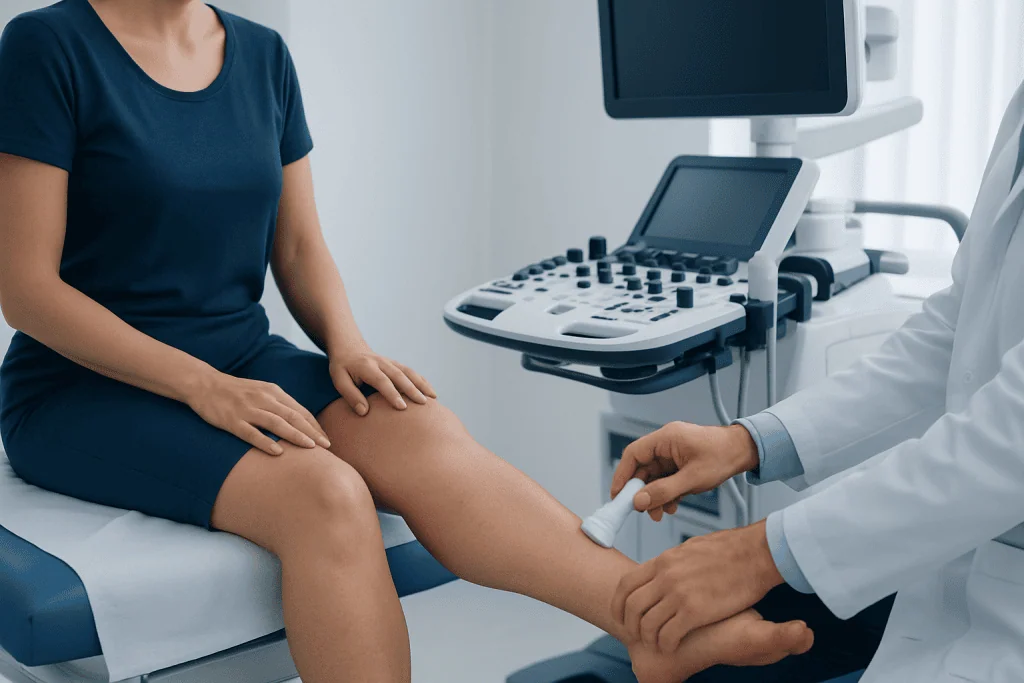
Leg and foot swelling can feel tight, heavy, or uncomfortable. Shoes may suddenly fit poorly, socks may leave deep marks, and the skin may look shiny or stretched. Some people notice pitting edema, where pressing a finger into the swollen area leaves a small dent for a few seconds.
The pattern of swelling matters. Swelling in both legs is often linked to fluid retention, vein problems, pregnancy, certain medicines, or medical conditions affecting the whole body. Swelling in one leg is more suggestive of a local problem such as an injury, infection, a blocked vein, or lymphatic obstruction.
Other symptoms can point toward the underlying cause. Pain, warmth, and redness may suggest inflammation, infection, or a blood clot. Heaviness with visible varicose veins may be related to chronic vein disease such as varicose veins. Swelling with breathlessness, tiredness, or trouble lying flat may need assessment for heart-related causes, while swelling with reduced urination or facial puffiness can raise concern about kidney problems.
- Mild swelling that improves overnight may be linked to standing or sitting for long periods.
- Firm, persistent swelling with skin thickening may suggest lymphedema.
- Sudden swelling after an injury may point to a sprain, fracture, or soft tissue damage.
- Swelling during pregnancy is common, but sudden or severe swelling should be checked promptly.
Common causes and risk factors
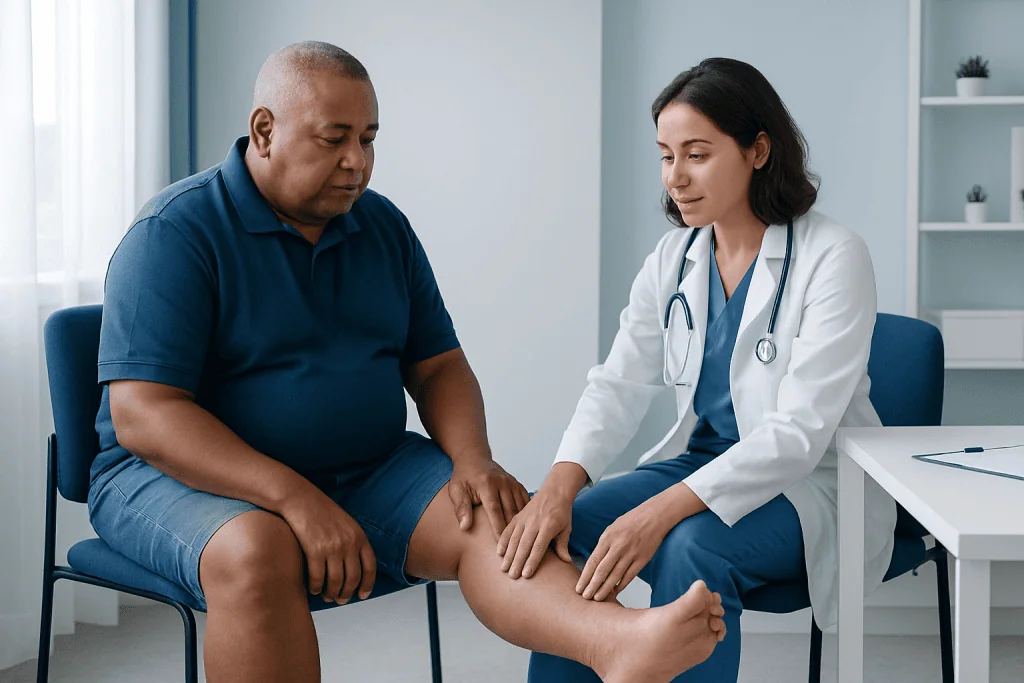
There are many possible causes of swollen legs and feet. Everyday triggers include prolonged sitting, long travel, standing for many hours, hot weather, and eating more salt than usual. These situations can lead to temporary fluid pooling, especially in the ankles.
Medical causes are broader and often fall into a few main categories. Problems with the veins can make it harder for blood to return to the heart, leading to swelling, heaviness, and skin changes. Lymphatic problems can cause lymphedema, in which fluid builds up because lymph drainage is impaired. Injury, infection, arthritis, and inflammation can also cause localized swelling.
Systemic illnesses can affect both legs. Heart failure may reduce the body’s ability to move fluid effectively, while kidney disease can impair fluid balance and liver disease can lower proteins that help keep fluid inside blood vessels. Some medications, including certain blood pressure medicines, hormones, anti-inflammatory drugs, and steroids, may contribute to swelling. Pregnancy and excess body weight can also increase pressure in the leg veins and raise the risk of edema.
Risk factors include older age, limited mobility, obesity, previous blood clots, varicose veins, chronic kidney or heart disease, and a history of cancer treatment or surgery that affects lymph nodes. Because causes range from harmless to serious, lasting or unexplained swelling should be assessed rather than self-treated indefinitely.
How doctors diagnose swelling in the legs and feet
Diagnosis starts with a careful history and physical examination. A doctor will ask when the swelling began, whether it affects one or both legs, what makes it better or worse, and whether there are associated symptoms such as pain, redness, fever, shortness of breath, chest discomfort, or weight gain. A medication review is especially important because common prescriptions can contribute to edema.
During the examination, the doctor checks the extent of swelling, skin color and temperature, pulses, tenderness, and whether the edema pits when pressed. They may also look for varicose veins, skin thickening, ulcers, signs of infection, or features that suggest lymphedema. The heart, lungs, and abdomen may be examined as well if a whole-body cause is suspected.
Tests depend on the likely cause. Blood tests may assess kidney function, liver function, thyroid function, blood protein levels, and signs of infection. Urine tests can help detect kidney disease. If a blood clot is a concern, an urgent leg ultrasound may be needed. In people with symptoms suggesting vein disease, venous ultrasound can help evaluate blood flow and valve function.
Some people also need heart tests such as an electrocardiogram or echocardiogram. If lymphedema is suspected, imaging of the lymphatic system may be considered in selected cases. The aim is to identify whether treatment should target the veins, lymphatic system, an injured area, or a broader medical condition.
Treatment options based on the cause
Because swelling is a symptom, effective treatment is tailored to the diagnosis. General supportive care may include resting with the legs raised above heart level when possible, staying active to encourage calf muscle pumping, avoiding long periods of sitting or standing, and wearing properly fitted compression stockings if recommended by a clinician. These measures can improve circulation and reduce fluid pooling in many non-emergency situations.
When chronic venous insufficiency is the cause, treatment may focus on compression therapy, exercise, weight management, skin care, and sometimes procedures to treat faulty veins. For some patients, doctors may discuss options used in the management of varicose veins treatment when vein reflux is contributing to swelling and discomfort. If a blood clot is found, treatment is different and may include blood-thinning medication and urgent follow-up.
If lymphedema is present, care may involve compression garments, specialized massage, exercise, skin protection, and physical therapy approaches designed to support lymph drainage. If an infection is causing swelling, antibiotics may be needed. Swelling caused by an injury may improve with protection, rest, cold therapy, elevation, and, when needed, orthopedic evaluation. In some cases, advanced imaging such as MRI helps assess soft tissue or joint problems contributing to persistent swelling.
For swelling related to heart, kidney, or liver conditions, treatment focuses on the underlying illness. Some people may need medicines that help the body remove excess fluid, but these are not right for every cause of edema and should only be used under medical guidance. If a medication side effect is suspected, a doctor may adjust or change the medicine rather than adding more treatment on top of it.
Prevention and self-care that may help
Not all leg and foot swelling can be prevented, but a few daily habits may reduce the chance of fluid buildup. Regular movement is one of the most useful steps. Short walks, ankle circles, and calf raises help blood return from the legs, especially during desk work, long car trips, or flights.
Leg elevation can help when swelling is mild and linked to gravity. Many people benefit from raising the legs several times a day and avoiding crossing the legs for long periods. Choosing comfortable footwear, protecting the skin from cuts or irritation, and maintaining a healthy body weight can also support circulation and tissue health.
Some people are advised to wear compression stockings, but these should fit correctly and are not ideal for everyone, especially if there is certain arterial disease. Salt reduction may be helpful for those who retain fluid easily, though nutrition advice should be individualized. It is also sensible to review medicines with a doctor if swelling appeared after starting a new prescription.
People with ongoing venous or lymphatic problems may need a longer-term plan that includes skin care, exercise, compression, and follow-up. If swelling is recurrent, it is best not to assume it is simply due to age or tiredness. An accurate diagnosis can prevent complications and lead to more effective treatment.
When to seek medical care
Medical care is important if swelling lasts more than a few days, keeps returning, or does not improve with simple measures. A doctor should also assess swelling that is mainly in one leg, is getting worse, or is associated with skin discoloration, ulcers, or increasing pain. These features may suggest a vein, lymphatic, or inflammatory problem that needs targeted treatment.
Urgent medical attention is needed for swelling that starts suddenly, especially if one leg becomes painful, warm, or red. Emergency care is also important if leg swelling occurs with chest pain, shortness of breath, fainting, or coughing up blood, because these symptoms can indicate a blood clot or heart and lung emergency.
Pregnant patients should contact a clinician promptly if swelling is sudden, severe, or accompanied by headache, vision changes, abdominal pain, or high blood pressure. People with known heart, kidney, or liver disease should seek review if they notice rapidly increasing swelling, sudden weight gain, or a clear change from their usual baseline.
At Acibadem International, multidisciplinary specialists in JCI-accredited hospitals evaluate causes of leg swelling for international patients, using vascular, cardiac, kidney, and imaging expertise when needed.
Frequently asked questions
What is the best treatment for swelling in legs and feet?
The best treatment depends on the cause. Mild swelling may improve with leg elevation, movement, compression stockings, and reducing excess salt, while persistent swelling may need treatment for vein disease, lymphedema, medication side effects, or heart, kidney, or liver conditions.
When is leg or foot swelling a sign of something serious?
Swelling can be more serious if it starts suddenly, affects only one leg, or happens with pain, redness, warmth, chest pain, or shortness of breath. These symptoms need prompt medical evaluation because they may signal a blood clot, infection, or a heart or lung problem.
Can dehydration cause swelling in the feet and legs?
Dehydration does not usually directly cause classic leg edema, but the body's fluid regulation can become unbalanced in some situations. Swelling is more often linked to fluid retention, circulation problems, medications, or medical conditions affecting the veins, heart, kidneys, liver, or lymphatic system.
Do compression stockings help swollen legs and feet?
Compression stockings can help many people, especially when swelling is related to prolonged standing or chronic venous insufficiency. They should be properly fitted, and a doctor may advise against them in some people with poor arterial circulation or certain skin conditions.
Should a person take water pills for swollen feet without seeing a doctor?
No. Water pills, also called diuretics, are useful for some causes of edema but can be unhelpful or unsafe for others. They should only be used under medical advice after the reason for swelling has been evaluated.
Why are both feet swollen at the end of the day?
Swelling in both feet later in the day often happens because gravity allows fluid to pool in the lower legs, especially after long periods of sitting or standing. It can also be linked to venous insufficiency, pregnancy, certain medicines, excess salt intake, or medical conditions that affect fluid balance.
References
- National Heart, Lung, and Blood Institute
- American Academy of Family Physicians
- National Institute for Health and Care Excellence
- Centers for Disease Control and Prevention
- Society for Vascular Surgery
This article is for general information only and is not a substitute for professional medical advice. Please consult a qualified doctor about your individual situation.
Explore treatments in Turkey — costs, top hospitals & a free quote
JCI-accredited · board-certified surgeons · reply within 24h
Add us as a Preferred Source to see more of our trusted health content across Google Search, AI Overviews and Discover.
Check your numbers in seconds
BMI, calories, due date, blood pressure and 30+ more clinical calculators — free, instant, doctor-reviewed ranges.

More from the Health Library



Related Specialists

Psk. Duygu Gökyıldırım Uslu
Psychology
Dr. Ayşe Esra Sirmagül
Physical Medicine & Rehabilitation
Prof. Dr. Sertaç Arslan
Pulmonology
Dr. Fatih Coşkun
Emergency Service