Treatment of Breast Cancer Recurrence: How It Works, Results and What to Expect

A suspected recurrence needs prompt medical assessment, but symptoms do not always mean cancer has returned. A biopsy is often needed to confirm recurrence and reassess hormone receptors and HER2 status.
Key Takeaways
- A suspected recurrence needs prompt medical assessment, but symptoms do not always mean cancer has returned.
- A biopsy is often needed to confirm recurrence and reassess hormone receptors and HER2 status.
- Local or regional recurrence may sometimes be treated with the aim of long-term disease control or cure.
- Distant recurrence is usually treated with systemic medicines, often alongside treatments to control symptoms or specific sites of disease.
- Healthy lifestyle habits and regular follow-up support overall health but cannot completely prevent recurrence.
Treatment of breast cancer recurrence depends on whether cancer returns in the breast or nearby lymph nodes, or in a distant part of the body. A multidisciplinary team uses biopsy results, imaging, previous treatments, and tumor biology to create an individualized plan that may include surgery, radiation therapy, medicines, and supportive care.
Overview: How treatment of breast cancer recurrence works
Treatment of breast cancer recurrence begins with confirming whether cancer has returned, identifying its location, and understanding the biology of the recurrent tumor. Recurrence can be local, meaning it returns in the same breast or chest wall; regional, involving nearby lymph nodes; or distant, also called metastatic recurrence, when it is found in organs or bones away from the breast.
The treatment of breast cancer recurrence is not the same for every person. Doctors consider the original cancer, previous surgery, radiation and medicines, the time since treatment, current health, and the recurrent cancer’s estrogen receptor, progesterone receptor, and HER2 status. This information helps the team select treatment that is both appropriate and practical for the person’s circumstances.
For local or regional recurrence, treatment may include surgery, radiation therapy, systemic treatment, or a combination. For distant recurrence, systemic medicines are commonly the main approach, with local treatments used when helpful for symptom relief, disease control in a particular area, or prevention of complications. Care also includes management of pain, fatigue, emotional wellbeing, and treatment side effects.
Confirming recurrence and deciding who may benefit from treatment
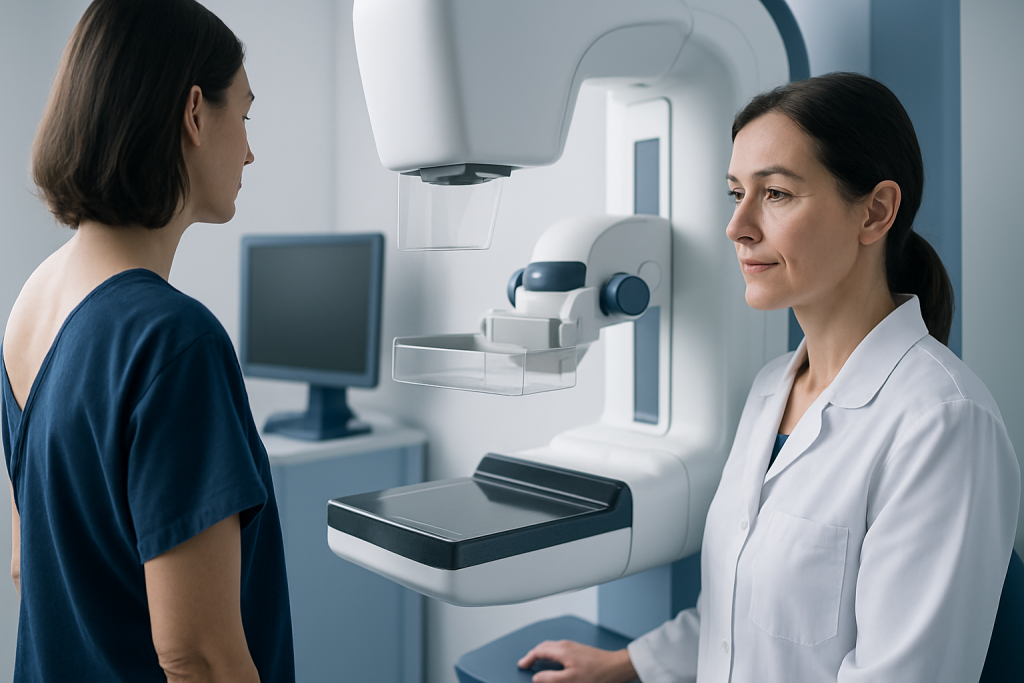
A new lump, skin change, persistent pain, unexplained weight loss, ongoing cough, severe headache, or other concerning symptom should be assessed rather than assumed to be recurrence. Imaging such as mammography, ultrasound, MRI, CT, PET-CT, or bone scans may be used depending on the symptom and the clinical situation. Blood tests can add useful information but do not diagnose recurrence on their own.
When feasible, doctors usually recommend a biopsy of the suspicious area. A biopsy confirms whether cancer is present and can show whether the tumor’s hormone receptor or HER2 status has changed since the first diagnosis. These changes can affect which medicines are likely to work best.
Most people with confirmed recurrence are candidates for some form of treatment, although the goals can differ. A person with a small local recurrence may be offered treatment intended to remove or eradicate all visible disease. For metastatic recurrence, treatment commonly focuses on controlling cancer for as long as possible, preserving quality of life, and managing symptoms. Decisions should be made jointly with an oncology team after a clear discussion of expected benefits, possible risks, and personal priorities.
Step by step: treatment options for recurrent breast cancer
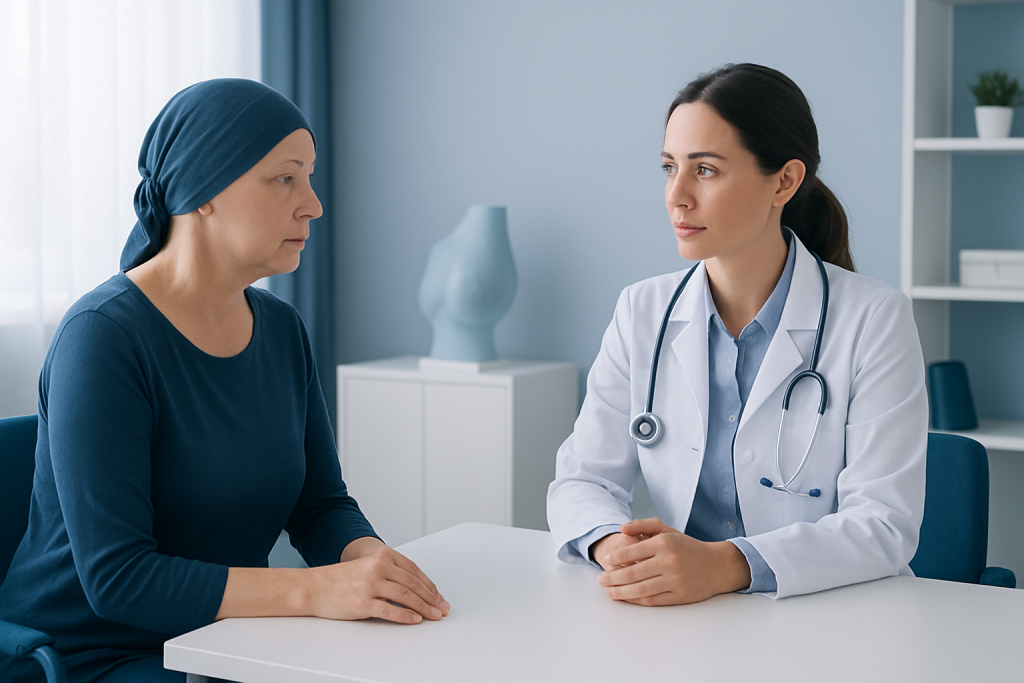
The first step is a review by a multidisciplinary team, which may include a breast surgeon, medical oncologist, radiation oncologist, radiologist, pathologist, reconstructive surgeon, specialist nurse, and supportive-care professionals. The team reviews prior records and test results, stages the recurrence, and discusses whether treatment should start with local therapy, systemic treatment, or both.
For a recurrence in the breast after breast-conserving surgery, surgery may involve mastectomy, particularly if radiation therapy was already given to that breast. If cancer returns on the chest wall after mastectomy, surgery may be possible in selected cases. Radiation may be recommended if it was not given previously, and sometimes carefully planned repeat radiation can be considered at experienced centers.
Systemic treatment travels through the bloodstream and can treat cancer cells beyond the visible tumor. Options may include endocrine therapy for hormone receptor-positive cancer, HER2-targeted therapy for HER2-positive cancer, chemotherapy, immunotherapy in appropriate settings, and other targeted medicines based on tumor testing. Breast cancer treatment may combine these approaches according to the cancer subtype and extent of recurrence.
If recurrence involves bone, brain, lungs, liver, or another distant site, treatment is planned around the cancer’s biology, symptoms, previous therapies, and overall health. Surgery, focused radiation, or other local procedures may be used for selected areas alongside systemic therapy. Clinical trials can also be a suitable option for some people and may be discussed by the oncology team.
Benefits, risks and recovery timeline
The potential benefit of treatment depends on the type and extent of recurrence. For local or regional recurrence, combined treatment can sometimes provide durable control and, in selected situations, may be given with curative intent. In metastatic disease, modern therapies can often slow or shrink cancer, relieve symptoms, and help people maintain daily activities, although treatment plans may need to change over time.
Risks vary by treatment. Surgery can cause pain, infection, bleeding, wound healing problems, numbness, limited shoulder movement, or lymphedema, especially when lymph nodes are treated. Radiation can cause temporary skin reactions and fatigue, with some longer-term effects depending on the treated area. Systemic medicines may cause fatigue, nausea, changes in blood counts, menopausal symptoms, nerve symptoms, heart effects, or immune-related inflammation, depending on the medicine used.
Recovery is individual. After a biopsy, many people resume light activities within a few days. Recovery after breast or chest-wall surgery often takes several weeks, while larger reconstructive procedures can require longer. Radiation is generally delivered over a planned course, and fatigue or skin changes may build gradually and improve in the weeks after treatment. Systemic therapy may be given in cycles or continuously, with regular monitoring and supportive treatment for side effects.
Rehabilitation can be an important part of recovery. Gentle shoulder exercises, physiotherapy, lymphedema assessment, nutrition support, psychological care, and help returning to work or daily routines can improve comfort and function. Symptoms or treatment side effects should be reported early, as many can be managed effectively.
Follow-up, prevention and supportive self-care
Follow-up after breast cancer is designed to identify concerns, monitor treatment effects, and support long-term health. The schedule is individualized, but visits are often more frequent in the first years after active treatment and then become less frequent if there are no concerns. People should ask their oncology team which symptoms to report between appointments and which breast imaging tests remain appropriate.
There is no proven diet, supplement, or lifestyle practice that can guarantee prevention of breast cancer recurrence. However, regular physical activity suited to the person’s abilities, maintaining a weight that is healthy for them, limiting or avoiding alcohol, not smoking, and following a balanced eating pattern support general health. It is sensible to discuss vitamins, herbal products, and supplements with an oncology clinician because some may interact with treatment.
Emotional support is also part of care. Fear of recurrence is common and can affect sleep, concentration, relationships, and confidence. Counseling, patient support groups, psychiatric care when needed, and open conversations with the cancer team can help. Acibadem International’s multidisciplinary specialists and JCI-accredited hospitals support diagnosis and treatment planning for international patients with recurrent breast cancer.
What foods can help prevent breast cancer recurrence?
No individual food has been shown to prevent breast cancer recurrence. The most useful approach is an overall eating pattern that supports adequate nutrition, a healthy body weight where possible, heart health, and energy during or after treatment. A registered dietitian with oncology experience can adapt advice for appetite changes, digestive symptoms, diabetes, weight loss, or other medical needs.
A balanced pattern often includes vegetables, fruits, beans, lentils, whole grains, nuts, seeds, and protein sources such as fish, poultry, eggs, dairy foods, soy foods, or other foods that fit personal preferences and medical advice. Limiting highly processed foods, processed meats, and alcohol may support general health. For people who drink alcohol, avoiding it is the lowest-risk option in relation to breast cancer.
Foods such as soy are often a source of concern. Whole soy foods, including tofu, edamame, and soy milk, can generally be part of a balanced diet for many breast cancer survivors, but personal advice may be appropriate during active treatment. High-dose supplements should not be started to prevent recurrence without discussion with the oncology team.
How often do you see your oncologist after breast cancer?
Follow-up schedules vary according to the cancer stage, treatment received, current medicines, symptoms, and personal needs. In general, appointments are more frequent during active treatment and in the first few years afterward, then may move to every six to twelve months and eventually to annual follow-up for some people. Those receiving ongoing endocrine therapy, HER2-targeted therapy, or treatment for metastatic cancer may need different monitoring schedules.
At follow-up visits, the clinician reviews symptoms, treatment effects, medications, emotional wellbeing, and general health. A physical examination and recommended breast imaging may be performed. Routine scans or blood tests to look for recurrence are not always needed in people without symptoms; the appropriate plan should be explained by the treating team.
People should not wait for a routine appointment if they notice a new breast or chest-wall lump, persistent bone pain, unexplained shortness of breath, jaundice, neurological symptoms, or other changes that concern them. Early communication allows the oncology team to decide whether an examination or testing is needed.
What is the risk of recurrence for triple-negative breast cancer after 5 years?
Triple-negative breast cancer has a recurrence pattern that differs from hormone receptor-positive breast cancer. Its risk of recurrence is generally highest in the first few years after diagnosis and decreases substantially after five years without recurrence. However, the individual risk cannot be determined from the cancer subtype alone.
Risk after five years depends on the original tumor size, lymph node involvement, cancer grade, response to treatment before surgery when given, whether all recommended treatment was completed, inherited genetic factors, and other clinical details. Some people have a low ongoing risk, while others need closer individualized discussion with their oncology team.
Completing scheduled follow-up and reporting new persistent symptoms remain important. A clinician can review the original pathology and treatment history to provide a more meaningful estimate and explain whether genetic counseling, additional surveillance, or other measures are appropriate.
Does mastectomy prevent breast cancer recurrence?
Mastectomy substantially reduces the chance of cancer returning in the removed breast tissue, but it does not eliminate recurrence risk. Small amounts of breast tissue can remain after surgery, and breast cancer cells may already have moved outside the breast before surgery even when they cannot be detected at that time.
After mastectomy, recurrence can occur in the chest wall, nearby lymph nodes, or distant organs. The likelihood depends on features of the original cancer, including tumor size, lymph node status, tumor biology, surgical margins, and whether recommended systemic therapy or radiation was used. Mastectomy and breast-conserving surgery followed by radiation can offer similar survival outcomes for many people with early-stage breast cancer.
For people at very high inherited risk, risk-reducing mastectomy may lower the chance of developing a new breast cancer, but it does not reduce risk to zero. Surgical choices should be discussed with a breast surgeon, oncologist, and, where relevant, a genetic counselor.
When to seek medical care
Medical care should be sought promptly for a new lump or thickening in the breast, underarm, chest wall, or near a surgical scar; new skin dimpling, redness, swelling, or nipple changes; or a persistent change in the shape of the breast. These symptoms often have non-cancer causes, but they should be assessed, particularly after previous breast cancer.
People should also contact their clinician for persistent or worsening bone pain, unexplained breathlessness, a cough that does not settle, ongoing abdominal pain or swelling, jaundice, severe or persistent headaches, new weakness or numbness, seizures, or unexplained weight loss. Urgent medical assessment is needed for sudden neurological symptoms, severe breathing difficulty, chest pain, or signs of spinal cord compression such as new leg weakness or loss of bladder or bowel control.
Anyone experiencing a possible treatment side effect, including fever during chemotherapy, rapidly increasing redness around a surgical wound, severe diarrhea, dehydration, or unusual bleeding, should contact their treating team without delay. A timely assessment can clarify the cause and provide appropriate care.
Frequently asked questions
Can breast cancer recurrence be cured?
Some local or regional recurrences can be treated with the aim of long-term control or cure, especially when all visible disease can be treated. Distant, or metastatic, recurrence is usually managed as a long-term condition, with treatment focused on controlling cancer and maintaining quality of life. The outlook depends on the location of recurrence, tumor biology, previous treatment, and response to therapy.
Why is a biopsy needed if breast cancer has returned?
A biopsy confirms that a suspicious finding is cancer rather than scar tissue, inflammation, or another condition. It also checks estrogen receptor, progesterone receptor, and HER2 status, which can change over time and affect treatment choices. In some situations, a biopsy may not be possible or safe, and the team will explain other options.
Can recurrent breast cancer have a different subtype from the first cancer?
Yes. Recurrent cancer can show changes in hormone receptor or HER2 status compared with the original tumor. This is one reason doctors often recommend testing recurrent disease when possible. Updated results help guide selection of endocrine therapy, HER2-targeted medicines, chemotherapy, immunotherapy, or other treatments.
Are routine whole-body scans needed after breast cancer treatment?
Routine whole-body scans are not usually recommended for people without symptoms after treatment for early breast cancer. Imaging is generally performed when symptoms, examination findings, or other tests suggest a possible problem. Regular breast imaging and follow-up are tailored to the type of surgery and individual risk.
Can exercise reduce the risk of breast cancer recurrence?
Regular physical activity is associated with better overall health and may help lower recurrence risk for some breast cancer survivors. The safest plan depends on current treatment, fitness, surgery, lymphedema risk, and other health conditions. Starting gradually and asking the care team or a physiotherapist for guidance is sensible.
What should a person bring to a recurrence consultation?
Helpful records include pathology reports, imaging reports and images when available, operation notes, radiation summaries, medication history, and details of previous side effects. A written list of symptoms, questions, current medicines, supplements, and personal priorities can also make the appointment more productive. Bringing a trusted relative or friend may provide practical and emotional support.
References
- National Cancer Institute
- American Cancer Society
- European Society for Medical Oncology
- American Society of Clinical Oncology
- World Health Organization
This article is for general information only and is not a substitute for professional medical advice. Please consult a qualified doctor about your individual situation.
Breast Cancer in Turkey — costs, top hospitals & a free quote
JCI-accredited · board-certified surgeons · reply within 24h
Add us as a Preferred Source to see more of our trusted health content across Google Search, AI Overviews and Discover.

Medical Oncology Department
Medical treatment of cancer with chemotherapy, immunotherapy and targeted therapies under a multidisciplinary tumor board.
60 specialists in this unit