Treatment of High Bp: How It Works, Results and What to Expect

High blood pressure often causes no symptoms, so regular measurement is essential. Treatment may include nutrition, activity, weight management, reduced alcohol intake, stopping smoking and medication.
Key Takeaways
- High blood pressure often causes no symptoms, so regular measurement is essential.
- Treatment may include nutrition, activity, weight management, reduced alcohol intake, stopping smoking and medication.
- Blood pressure medicines control hypertension safely for many people, but they must be taken as prescribed and reviewed regularly.
- There is no single recovery timeline: readings may improve within days to weeks, while long-term control requires ongoing care.
- Very high blood pressure with concerning symptoms needs urgent medical assessment.
Treatment of high BP usually involves personalised lifestyle measures, blood pressure monitoring and, when needed, medication. Most people can achieve good long-term control, helping to lower the risk of heart disease, stroke and kidney problems.
Overview: How Treatment of High BP Works
Treatment of high BP, also called hypertension treatment, aims to lower blood pressure to a safer range and keep it controlled over time. It usually combines practical lifestyle changes with regular blood pressure checks and, for many people, medicines prescribed by a clinician. The best approach depends on the person’s readings, age, overall health, other medical conditions and risk of cardiovascular disease.
Blood pressure is the force of blood against artery walls. When it remains high over time, the heart has to work harder and blood vessels can become damaged. Effective treatment helps protect the heart, brain, kidneys and eyes, even when a person feels well.
Hypertension is commonly a long-term condition rather than a one-time illness. This means treatment focuses on sustained control, not simply lowering one reading. A clinician may adjust the plan gradually after reviewing home measurements, laboratory tests, medication effects and lifestyle factors.
How Do You Feel When BP Is High?
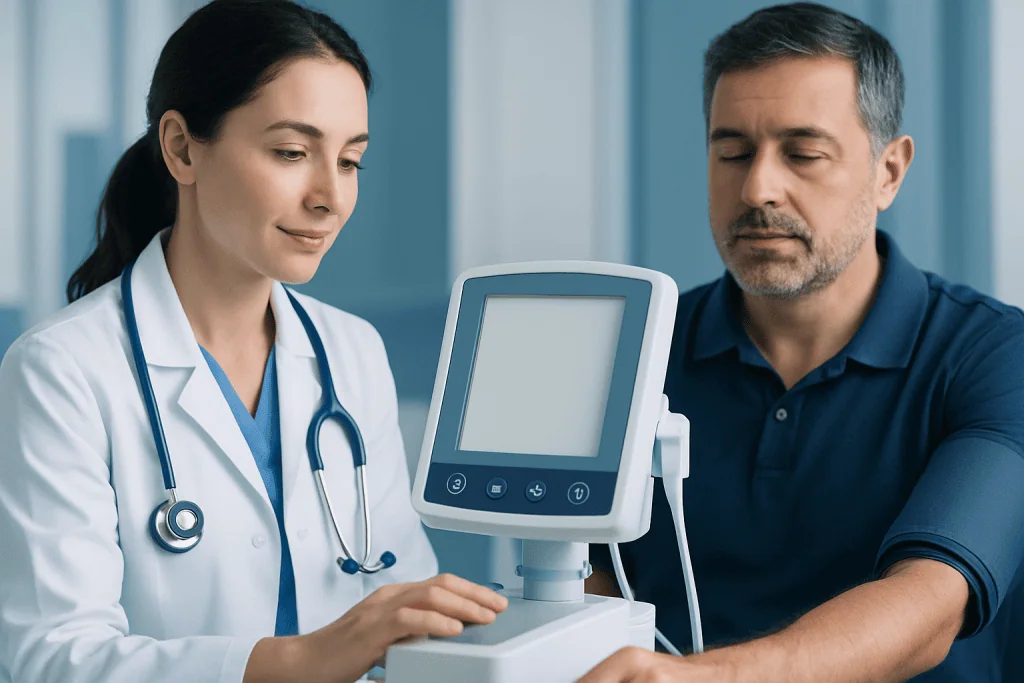
Most people do not feel any different when their blood pressure is high. This is why hypertension is sometimes described as a silent condition: important blood vessel and organ damage can occur without warning symptoms. Feeling well does not mean that blood pressure is within a healthy range.
Some people may report nonspecific symptoms such as headaches, dizziness, blurred vision, palpitations, tiredness or shortness of breath. However, these symptoms have many possible causes and cannot reliably diagnose high blood pressure. Measuring blood pressure correctly is the only way to know whether it is elevated.
Severely elevated blood pressure can sometimes occur alongside chest pain, severe headache, confusion, weakness, difficulty speaking, vision changes or shortness of breath. These symptoms require urgent medical assessment because they may signal a medical emergency.
Who May Need Treatment and How Diagnosis Is Confirmed

A clinician may recommend treatment when repeated blood pressure measurements are above the appropriate target for the individual. One high reading does not always confirm hypertension, since stress, pain, caffeine, activity and an incorrectly sized cuff can temporarily affect results. Readings are often checked on more than one occasion, at home, in the clinic or with a 24-hour ambulatory monitor.
Assessment typically includes a medical history, physical examination and review of medicines, supplements and lifestyle habits. Blood and urine tests may assess kidney function, blood sugar, cholesterol and electrolyte levels. Depending on the situation, the clinician may also request an electrocardiogram or other heart assessment.
Some people have primary hypertension, which develops through a combination of genetic, lifestyle and age-related factors. Others may have secondary hypertension related to kidney disease, hormone conditions, sleep apnea or particular medicines. Identifying an underlying cause can affect the treatment plan.
- Adults with repeatedly raised clinic or home readings may need further evaluation.
- People with diabetes, kidney disease, cardiovascular disease or pregnancy need particularly individualised assessment.
- Medication review is important, as some anti-inflammatory medicines, decongestants, stimulants and hormonal treatments can influence blood pressure.
Treatment Plan: Step by Step
Treatment of high BP is not usually a procedure with a single appointment or recovery period. It is a structured care process that begins with accurate measurements and an assessment of overall cardiovascular risk. A clinician then agrees on realistic targets and chooses lifestyle measures, medication or both.
Lifestyle changes are recommended for nearly everyone. These may include eating a diet rich in vegetables, fruit, whole grains and other minimally processed foods; reducing excess salt; being physically active regularly; achieving or maintaining a healthy weight; limiting alcohol; avoiding tobacco; and improving sleep. For some people with mild elevation, these changes may significantly improve readings. For others, they work alongside medication.
If medicine is needed, clinicians commonly select from several established drug groups that relax blood vessels, reduce fluid retention or modify hormones involved in blood pressure control. The initial medicine and dose are chosen according to the person’s health profile. Some people need more than one medicine because blood pressure is regulated by several body systems.
Follow-up appointments and home readings guide adjustments. People should not stop, skip or change a prescribed blood pressure medicine without speaking to their clinician, even if home readings improve. Sudden discontinuation of certain medicines can cause blood pressure to rise quickly.
Benefits, Possible Risks and Recovery Timeline
The main benefit of well-managed hypertension is lower long-term risk of complications such as heart attack, heart failure, stroke, kidney disease and vision damage. Treatment can also improve confidence by giving people a clear plan for monitoring and reducing risk. Benefits are strongest when treatment is followed consistently over time.
Lifestyle changes are generally safe, although exercise, weight-loss plans and dietary changes may need adaptation for people with heart disease, mobility limitations, pregnancy, eating disorders or other health concerns. A clinician or dietitian can help ensure changes are suitable and sustainable.
Blood pressure medicines can cause side effects, but these are often mild and manageable through dose adjustment or a different medicine. Possible effects vary by drug type and can include dizziness, ankle swelling, cough, changes in potassium levels, fatigue or more frequent urination. Regular review and, when appropriate, blood tests help clinicians monitor safety.
There is no fixed recovery timeline. Blood pressure may begin to improve within days or weeks after starting treatment, but finding the right long-term plan can take several follow-up visits. The goal is stable control rather than a short recovery, and home monitoring can provide useful information between appointments.
Is High BP Completely Curable?
High blood pressure is not always completely curable, particularly primary hypertension, which often has several contributing causes and tends to be long term. However, it is usually highly manageable. Many people reach healthy or near-target readings with a combination of sustainable habits and appropriate medication.
When hypertension has an identifiable reversible cause, such as a medicine effect or certain hormone-related conditions, treating that cause may substantially improve blood pressure. Even then, ongoing monitoring remains important because blood pressure can change with age, weight, stress, sleep, activity and other health conditions.
Some people can reduce or stop medication after substantial lifestyle improvements, but this decision should only be made with a clinician. Normal readings while taking medication usually mean the treatment is working; they do not necessarily mean hypertension has gone away.
Can You Live 20 Years With High Blood Pressure?
Many people live for decades with high blood pressure, especially when it is identified early and controlled consistently. The important issue is not simply how long a person has hypertension, but whether it remains elevated and causes cumulative strain on the arteries and organs.
Untreated or poorly controlled hypertension increases the likelihood of serious cardiovascular and kidney complications over time. In contrast, regular monitoring, prescribed treatment and attention to lifestyle factors can meaningfully reduce those risks. Ongoing care matters even when there are no symptoms.
Routine reviews allow clinicians to check whether treatment targets remain appropriate and to look for effects on the heart, kidneys and other organs. People with a history of stroke, heart disease, diabetes, chronic kidney disease or pregnancy-related hypertension may need closer follow-up.
How Many Days Does It Take to Recover From High Blood Pressure?
There is no set number of days to recover from high blood pressure because hypertension is usually managed over the long term. Some readings may decrease within a few days of starting medication or reducing factors such as excess salt and alcohol, but the response differs from person to person.
A clinician may wait several weeks between treatment changes to see the full effect and avoid lowering blood pressure too quickly. Home readings, taken at consistent times using a validated upper-arm monitor, can help show patterns. It is useful to bring a written or digital record to follow-up appointments.
Long-term success means maintaining an effective plan rather than reaching a single normal reading. If blood pressure remains above the agreed target despite treatment, a clinician can assess adherence, measurement technique, medication interactions, lifestyle contributors and possible secondary causes.
When to Seek Medical Care
Anyone with repeatedly elevated readings should arrange a routine appointment with a qualified clinician, even if they have no symptoms. Early assessment can confirm the diagnosis and identify a safe treatment plan. People already receiving treatment should seek review if home readings stay above their agreed target, side effects are troublesome or medication access is interrupted.
Urgent medical care is needed for very high blood pressure readings accompanied by symptoms such as chest pain, severe shortness of breath, fainting, new confusion, severe headache, weakness or numbness on one side, trouble speaking, or sudden vision changes. These symptoms may indicate a serious problem that requires immediate evaluation.
For international patients, Acibadem International’s multidisciplinary specialists and JCI-accredited hospitals can assess and manage hypertension, including associated heart, kidney and metabolic health needs. Care plans should always be tailored by a qualified healthcare professional after an individual evaluation.
Frequently asked questions
What is the most effective treatment of high BP?
The most effective treatment is the one that safely controls blood pressure over time for the individual. This often includes lifestyle changes and, when indicated, one or more prescribed medicines. Regular follow-up is important because treatment may need adjustment.
Can high blood pressure go down without medicine?
Some people with mildly elevated blood pressure can improve readings through weight management, healthier eating, lower salt intake, regular activity, reduced alcohol intake and better sleep. Many others still need medication, especially when readings are higher or cardiovascular risk is increased. A clinician can advise whether lifestyle measures alone are appropriate.
Should blood pressure medicine be taken for life?
Many people need long-term medication because hypertension often persists. Some may be able to reduce treatment after sustained lifestyle improvements or treatment of an underlying cause, but only with medical supervision. Medication should never be stopped independently.
What should a person do if a home blood pressure reading is high?
They should sit quietly for several minutes and repeat the reading using correct technique, unless they have concerning symptoms. Keeping a record of repeated readings and contacting a clinician is helpful. Very high readings with chest pain, neurological symptoms, severe breathlessness or vision changes require urgent care.
Can stress cause high blood pressure?
Stress can temporarily raise blood pressure and may contribute to habits that affect long-term control, such as poor sleep, less activity, smoking or excess alcohol use. However, persistent hypertension usually has multiple causes. Stress management can be a helpful part of a wider treatment plan.
How often should blood pressure be checked at home?
The schedule depends on the treatment stage and a clinician’s advice. People starting or changing treatment may be asked to check more often, while those with stable control may check less frequently. Measurements should be taken with a validated monitor and recorded consistently.
References
- World Health Organization
- American Heart Association
- Centers for Disease Control and Prevention
- European Society of Cardiology
- National Heart, Lung, and Blood Institute
This article is for general information only and is not a substitute for professional medical advice. Please consult a qualified doctor about your individual situation.
Heart care in Turkey — expert evaluation and treatment
JCI-accredited · board-certified surgeons · reply within 24h
Add us as a Preferred Source to see more of our trusted health content across Google Search, AI Overviews and Discover.
Check your numbers in seconds
BMI, calories, due date, blood pressure and 30+ more clinical calculators — free, instant, doctor-reviewed ranges.

More from the Health Library



Related Specialists

Dt. Tuğçe Atçakan
Dentistry
Dr. Ayten Güner Akbıyık
Thoracic Surgery
Prof. Dr. Süleyman Özyalçin
Treatment of Pain Algology
Dr. Ahmet Emin Yeğinboy
General Surgery