Treatment Rashes: How It Works, Results and What to Expect

A rash is a skin sign rather than a single diagnosis, so effective treatment begins with finding its cause. Gentle cleansing, fragrance-free moisturizers and avoiding suspected irritants can help many mild rashes.
Key Takeaways
- A rash is a skin sign rather than a single diagnosis, so effective treatment begins with finding its cause.
- Gentle cleansing, fragrance-free moisturizers and avoiding suspected irritants can help many mild rashes.
- Itch, redness and scaling may improve gradually; improvement should be judged by the overall trend rather than hour by hour.
- New medicines, infections, allergies and inflammatory skin conditions can all cause rashes and may require different care.
- Urgent assessment is needed for a rash with breathing difficulty, facial swelling, widespread blisters, severe pain or signs of serious illness.
Treatment rashes are managed by identifying the likely cause, protecting the skin barrier and using medicines only when appropriate. Many mild rashes improve within days to a few weeks, but a rash with breathing problems, facial swelling, fever or painful blistering needs urgent medical assessment.
Overview: how treatment rashes works
Treatment rashes means caring for a skin eruption according to its cause. A rash may involve redness, small bumps, dryness, scaling, itch, pain, swelling or blisters. It can result from irritation, allergy, infection, heat, an inflammatory condition such as eczema, or a reaction to a medicine. Because these causes can look similar, there is no single treatment rash that is right for everyone.
The first aim of treatment is to reduce discomfort and protect the skin while identifying triggers. This may include stopping exposure to a suspected irritant, using bland moisturizers, avoiding scratching and, when a clinician recommends it, using a topical or oral medicine. A doctor may also advise whether a new prescribed medicine could be involved; patients should not stop essential medication without medical advice unless they have been told to do so in an emergency.
Most uncomplicated rashes are not dangerous and settle with appropriate care. However, the appearance, distribution, timing and accompanying symptoms all matter. A clinician can distinguish common problems such as contact dermatitis, hives, fungal infection and eczema from rashes that need more immediate investigation.
Symptoms, causes and who may benefit from assessment
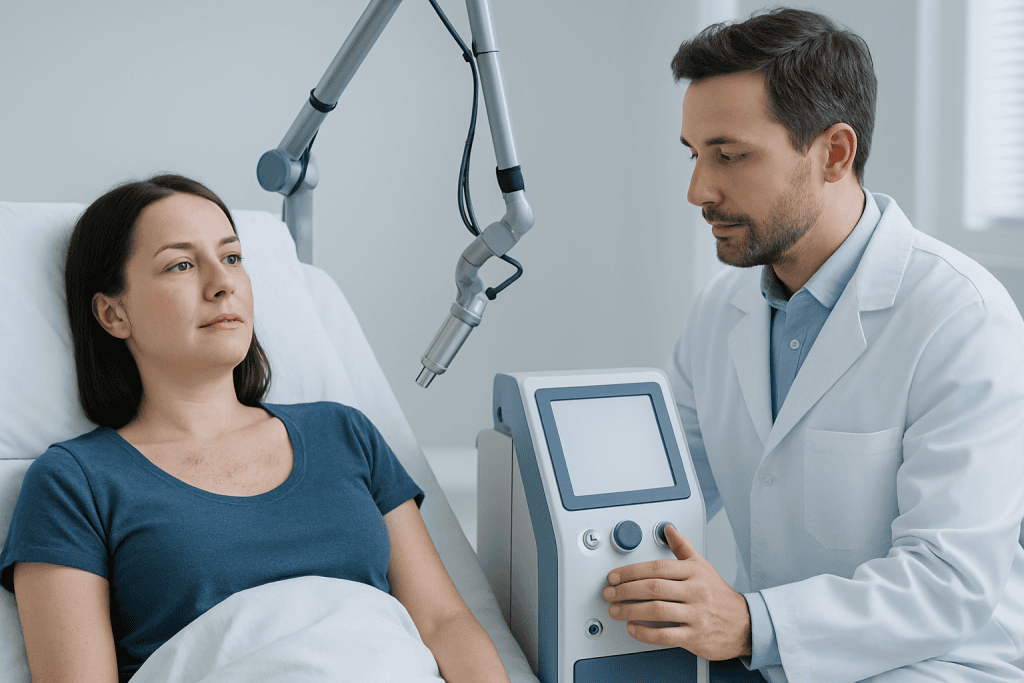
A rash may be localized to one area or spread across large areas of the body. It may be itchy, burning, sore, warm, dry, scaly, raised or blistered. An itchy rash can interfere with sleep and daily activities, while a painful or rapidly spreading rash may suggest a different cause and should be assessed sooner.
Common triggers include fragranced cosmetics, soaps, detergents, metals, plants, latex, heat, sweating and friction. Viral or bacterial illnesses, fungal infections, insect bites and chronic inflammatory conditions may also produce visible skin changes. Some people develop a rash after starting a new medicine, supplement or over-the-counter product, although timing alone cannot confirm that a medicine is the cause.
Children, older adults, people with sensitive skin, allergies, asthma, eczema, immune-system conditions or diabetes may be more prone to particular rashes or complications. Skin that is repeatedly washed, exposed to chemicals or rubbed by clothing can also develop irritation. Assessment is especially useful when a rash recurs, lasts longer than expected or has no clear trigger.
- Consider what changed in the days before the rash: skin products, clothing, work exposures, travel, foods, medicines or illness.
- Note whether the rash itches, hurts, spreads, forms blisters or appears with fever or other symptoms.
- Photographs taken in good light can help show a clinician how the rash has changed over time.
How is a rash diagnosed and who is a candidate for treatment?

Anyone with a troublesome, persistent, recurrent or unexplained rash may be a candidate for medical evaluation. A clinician usually begins with questions about onset, symptoms, recent illnesses, medications, allergies, exposures and previous skin conditions. They then examine the skin and may look at the scalp, nails, mouth or other areas depending on the pattern.
Many rashes can be diagnosed clinically. When the cause is uncertain, tests may include a skin scraping to look for fungus, a swab for infection, blood tests in selected situations, allergy patch testing or, less commonly, a small skin biopsy. These tests are chosen based on the individual presentation rather than routinely required for every rash.
Diagnosis is important because treatment skin rash approaches can differ. A moisturizer and anti-inflammatory cream may be suitable for eczema, for example, whereas a fungal rash needs antifungal treatment and an infection may need a different approach. A rash caused by an allergen is best managed by identifying and avoiding the trigger whenever possible.
What happens during rash treatment?
Rash treatment is usually a care plan rather than a single procedure. At an appointment, the clinician reviews symptoms and potential causes, examines the affected skin and explains which findings support the likely diagnosis. If testing is needed, it may be performed during the visit or arranged separately; a skin scraping or swab is generally quick, while patch testing involves returning to have test areas read after a planned interval.
For many mild irritant or eczema-like rashes, the plan starts with gentle measures: short lukewarm showers, a mild fragrance-free cleanser, regular application of an emollient and avoidance of known triggers. Loose, breathable clothing and cool compresses may help relieve discomfort. Keeping fingernails short can reduce skin damage from scratching.
Depending on the diagnosis, clinicians may recommend a medicated cream, ointment, antihistamine for certain itch patterns, antifungal treatment, antibiotic treatment for a confirmed infection or other targeted therapy. The correct medicine, strength and duration depend on the body area, age, pregnancy status, other health conditions and suspected cause. Follow-up may be recommended if symptoms do not respond as expected.
A dermatologist can provide more specialized evaluation for difficult or persistent skin problems. Acibadem International’s multidisciplinary specialists and JCI-accredited hospitals support diagnosis and treatment planning for international patients with skin concerns.
How do I know if a rash is getting better?
A rash is generally getting better when the overall area becomes less red, less raised, less warm and less itchy or painful. The rash should stop spreading, and sleep, comfort and normal activity should gradually improve. With some rashes, dryness or mild peeling can remain temporarily after the inflammation has settled.
Healing is not always perfectly linear. Itch may fluctuate during the day, and skin can look darker or lighter for a period after redness improves, particularly in deeper skin tones. These color changes are often part of post-inflammatory pigment change and may fade slowly, but they should be reviewed if the rash is worsening or new symptoms appear.
It can be helpful to take a photograph every few days under similar lighting and to note new products, activities or medicines. Contact a clinician if the rash expands, becomes painful, develops pus or blisters, returns repeatedly, or does not improve within the timeframe advised for the suspected cause.
What are the stages of a rash healing?
There is no identical healing sequence for every rash because a rash can arise from many different conditions. In general, once the trigger or underlying cause is addressed, active inflammation begins to settle. Redness, swelling, bumps and itch often lessen first, followed by repair of dryness, cracking or surface scaling.
During the next phase, the skin barrier rebuilds. The skin may still feel sensitive, dry or mildly itchy, especially if it has been scratched. Consistent use of a simple moisturizer and avoidance of irritating products can support recovery during this stage.
Finally, temporary changes in skin color may remain after the rash itself has resolved. These changes can last longer than the original rash and are not necessarily a sign of ongoing inflammation. Ongoing thickening, persistent scaling, open areas, recurrent hives or a rash that leaves scars should be assessed by a qualified clinician.
How long does it usually take to get rid of a rash?
The time needed to get rid of a rash depends on the cause, how long it has been present and whether the trigger can be avoided. A mild irritant reaction may start improving within a few days after exposure stops, while eczema, fungal infections, medication-related eruptions and chronic inflammatory conditions may take longer or need ongoing management.
Treatment rash itchy symptoms may ease before the skin looks fully normal. It is important to use prescribed treatment for the recommended period and not to share creams or use leftover medicines, as the wrong product can mask symptoms or worsen certain infections. Repeated use of strong topical medicines without advice is also not appropriate.
If there is no clear improvement after a reasonable period of careful self-care, or after the expected response to clinician-directed treatment, reassessment is important. The original diagnosis may need to be reconsidered, testing may be useful, or an unrecognized trigger may still be affecting the skin.
When to seek medical care
Medical advice is recommended for a rash that is severe, widespread, recurrent, painful, rapidly spreading, associated with fever, or not improving with simple measures. A clinician should also assess a rash involving the eyes, mouth, genitals, hands or feet; a rash in a young baby; or a rash occurring after a new medicine. People with weakened immune systems should seek advice early for a new or unusual rash.
Urgent medical care is needed if a rash occurs with trouble breathing, wheezing, faintness, swelling of the lips, tongue or face, or signs of a severe allergic reaction. Immediate assessment is also important for widespread blistering or peeling skin, purple spots that do not fade when pressed, severe skin pain, confusion, neck stiffness, or a person who appears seriously unwell.
While waiting for advice, avoid introducing new skin products or taking nonessential remedies. Bring a list of all medicines, supplements and recent exposures to the appointment. This information can help the clinician identify the cause and choose safe treatment for treating rashes on skin.
Frequently asked questions
What is the best treatment for a rash?
The best treatment depends on why the rash developed. Gentle skin care and avoiding suspected irritants may help mild cases, but fungal, bacterial, allergic and inflammatory rashes need different treatments. A clinician can help identify the cause when a rash is persistent, painful or unclear.
Can I use moisturizer on an itchy rash?
A plain, fragrance-free moisturizer can be helpful for dry, irritated or eczema-prone skin. It should be applied gently without rubbing and should be stopped if it stings significantly or appears to worsen the rash. Moisturizer alone will not treat every cause, such as a fungal infection.
What disease starts with a rash?
Many illnesses can begin with a rash, including viral infections, allergic reactions, eczema, psoriasis, hives and some bacterial infections. The appearance of the rash and accompanying symptoms, such as fever, sore throat, joint pain or breathing symptoms, help guide diagnosis. A new rash with systemic symptoms should be assessed promptly.
Can a medication cause a rash?
Yes, some medicines can cause rashes ranging from mild eruptions to rare serious reactions. Anyone who develops a rash after starting a medicine should contact the prescribing clinician for advice. Emergency care is needed if the rash occurs with facial swelling, breathing difficulty, painful blisters or peeling skin.
Should a rash be kept dry or moisturized?
This depends on the cause and location. Dry, irritated skin often benefits from a simple moisturizer, while moist skin folds may need to be kept clean and dry to reduce friction or fungal growth. A clinician can advise on the most suitable care if the rash is persistent or in a sensitive area.
When should I worry about an itchy rash?
An itchy rash needs medical assessment if it is widespread, severe, persistent, infected-looking, associated with fever, or disrupting sleep and daily life. Urgent help is needed for itch with swelling of the face or throat, breathing problems, faintness, extensive hives or blistering. These symptoms can indicate a more serious reaction.
References
- American Academy of Dermatology
- American Academy of Allergy, Asthma & Immunology
- National Health Service
- Mayo Clinic
This article is for general information only and is not a substitute for professional medical advice. Please consult a qualified doctor about your individual situation.
Explore treatments in Turkey — costs, top hospitals & a free quote
JCI-accredited · board-certified surgeons · reply within 24h
Add us as a Preferred Source to see more of our trusted health content across Google Search, AI Overviews and Discover.

More from the Health Library



Related Specialists

Dr. Süreyya Işık Coşkun
Psychiatry
Assoc. Prof. Dr. Cüneyt Göçmez
Neurosurgery
Dr. Seval Eren
Inpatient Clinic Physicians
Prof. Dr. Seyit Ali Gümüştaş
Orthopedic Surgery & Traumatology