Treatment Staph Scalded Skin Syndrome: How It Works, Results and What to Expect

SSSS is caused by toxins made by certain Staphylococcus aureus bacteria, not by a burn or poor hygiene. Prompt medical assessment is important because widespread blistering and skin peeling can lead to fluid loss and infection complications.
Key Takeaways
- SSSS is caused by toxins made by certain Staphylococcus aureus bacteria, not by a burn or poor hygiene.
- Prompt medical assessment is important because widespread blistering and skin peeling can lead to fluid loss and infection complications.
- Treatment commonly includes anti-staphylococcal antibiotics, gentle wound care, pain relief and fluid support.
- Many children begin improving within 24 to 48 hours after effective treatment, while complete skin healing may take one to two weeks.
- SSSS usually heals without scarring when treated promptly, although follow-up is important if symptoms return or worsen.
Treatment for staphylococcal scalded skin syndrome (SSSS) focuses on promptly treating the underlying Staphylococcus aureus infection, protecting fragile skin and preventing dehydration. Most people improve quickly with appropriate medical care, but infants, young children and medically vulnerable adults may need hospital treatment and close monitoring.
Overview: how treatment for staph scalded skin syndrome works
Treatment staph scalded skin syndrome works by eliminating the toxin-producing bacterial infection while protecting the skin as it heals. Staphylococcal scalded skin syndrome, often shortened to SSSS, is an uncommon condition in which certain strains of Staphylococcus aureus release toxins that cause the upper layers of the skin to become tender, blister and peel.
It is most often seen in newborns and young children because their immune systems and kidneys are still developing. It can also affect adults with weakened immune defenses or reduced kidney function. Since the skin can become fragile over a large area, SSSS should be assessed urgently by a qualified clinician rather than managed with home remedies alone.
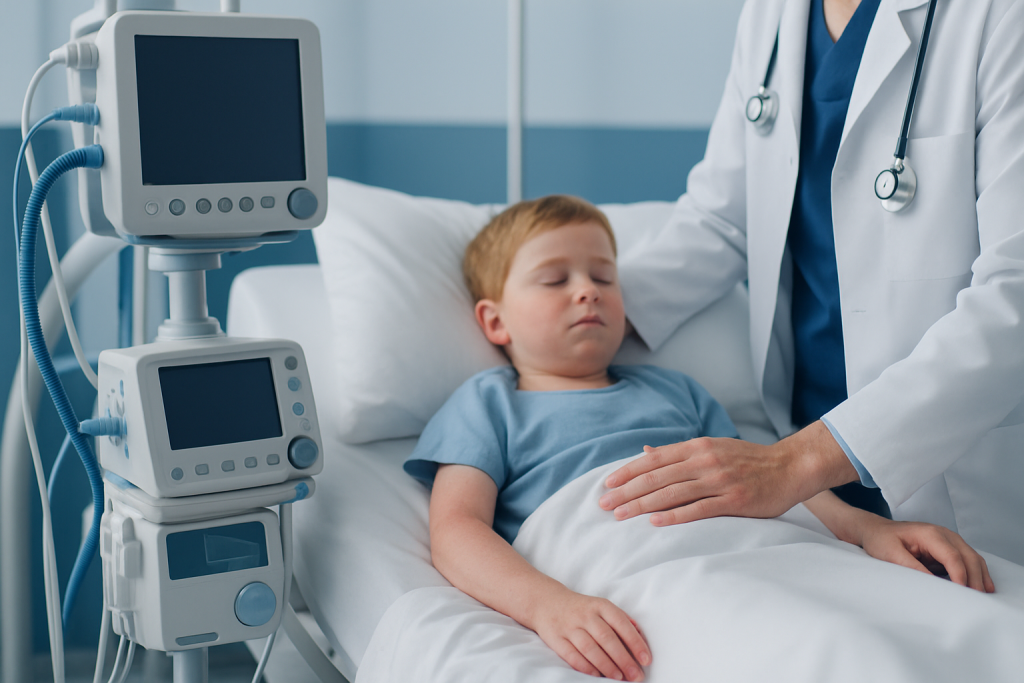
Care may take place in hospital, particularly for babies, people with extensive skin involvement or anyone unable to drink enough fluids. The care team identifies a possible site of infection, such as the nose, throat, eyes, umbilical area or a small skin wound, and treats it while providing supportive care for the skin and overall wellbeing.
How does one get staph scalded skin syndrome?
SSSS develops when a person becomes infected with a strain of Staphylococcus aureus that produces exfoliative toxins. These toxins travel through the bloodstream and separate the most superficial layer of skin from the layer beneath it. The result can resemble a scald injury, despite there being no heat-related burn.
The initial infection may be subtle and can occur in the nose, throat, eyes, diaper area, umbilicus or at a minor break in the skin. The bacteria themselves may remain localized, while the toxins cause skin symptoms elsewhere on the body. SSSS is not generally spread by contact with peeling skin; however, the underlying staph bacteria can be transmitted through close contact, especially where hand hygiene is poor.
Risk is higher in newborns, children younger than about five years, people with immune suppression and adults with significant kidney disease. Good hand hygiene, careful care of cuts and prompt evaluation of suspected skin infections can reduce the chance of staph transmission, but SSSS cannot always be prevented.
Who needs hospital care and how diagnosis guides treatment
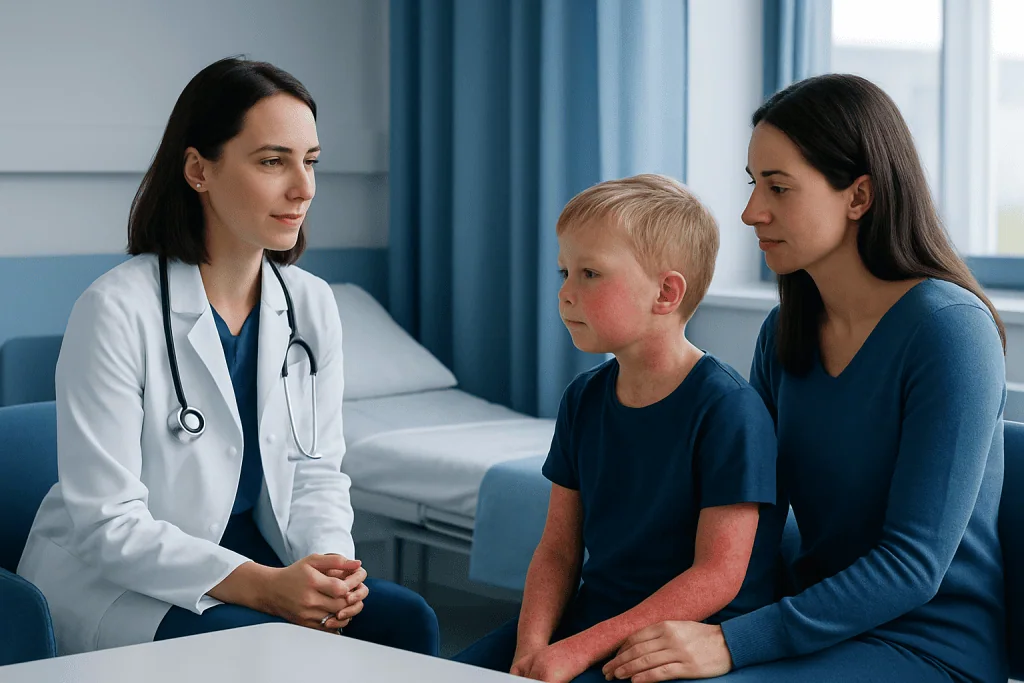
A clinician may suspect SSSS from the characteristic pattern of painful red skin, tenderness, fragile blisters and peeling. The skin often starts becoming red around the mouth, eyes, neck or skin folds before spreading. The mucous membranes inside the mouth and eyes are usually not affected, which helps distinguish SSSS from some other serious blistering disorders.
Diagnosis is primarily clinical, meaning it is based on the examination and symptom pattern. Swabs or cultures may be collected from the suspected infection site, such as the nose, throat, eye discharge or a wound. Blood tests may assess hydration, kidney function and signs of more widespread infection. A skin biopsy is rarely needed but may help when the diagnosis is uncertain.
Hospital admission is commonly recommended for newborns, young children with widespread skin changes, adults with significant health conditions, and anyone with dehydration, fever, poor feeding, severe pain or rapidly progressing symptoms. The team may involve pediatricians or internal medicine specialists, dermatologists, infectious disease specialists and wound-care clinicians.
- Appropriate candidates for inpatient care: people with extensive peeling, difficulty drinking, reduced urine output, marked weakness or a need for intravenous medication.
- Possible outpatient care: selected people with very mild disease who are stable, drinking well and can be reviewed closely, as determined by their treating clinician.
Step by step: antibiotics, skin support and monitoring
The first step is starting antibiotics that are active against likely strains of Staphylococcus aureus. When symptoms are significant, antibiotics are often given through a vein at first because this provides reliable treatment while the person is unwell. The antibiotic plan may be adjusted once culture results and local resistance patterns are known, and some patients can later switch to oral medicine to complete the prescribed course.
The next priority is supportive skin care. Fragile skin is handled gently, and non-adherent dressings may be used where needed. Clinicians aim to keep the skin clean, reduce pain and avoid adhesives or unnecessary rubbing that could remove more surface skin. Large blisters are managed by the care team; people should not attempt to pop, scrub or peel affected skin at home.
Fluids are especially important because damaged skin can lose water and the discomfort may make drinking difficult. Oral fluids may be sufficient for mild illness, while intravenous fluids may be needed for dehydration or extensive skin involvement. Pain relief, temperature monitoring and nutrition support are tailored to the individual.
Clinicians also look for and treat the original focus of infection. In newborns and young children, this may include examination of the eyes, nose, throat, umbilical stump and diaper area. Close observation helps confirm that redness, tenderness and peeling are settling after treatment begins.
Benefits, possible risks and recovery timeline
The main benefit of timely treatment is that it stops the bacterial infection from producing further toxin and supports the body during skin repair. Most patients show a clear improvement in general comfort, fever and spread of redness within 24 to 48 hours after effective antibiotics are started. Skin may continue to shed lightly for a short period as the damaged outer layer is replaced.
Possible complications of SSSS include dehydration, temperature instability, pain, secondary skin infection and, rarely, more serious illness in vulnerable people. Treatment also has potential side effects. Antibiotics can cause digestive upset, rash or allergic reactions, while intravenous lines and dressings require careful monitoring. The medical team balances these issues against the benefit of prompt infection control.
After discharge, families are usually advised to give medicines exactly as prescribed, keep follow-up appointments and continue gentle skin care. Loose, soft clothing and avoiding fragranced or irritating products may improve comfort. A clinician should be contacted if fever returns, redness spreads, fluid intake drops, urine output decreases, pain increases or the person appears unusually sleepy or unwell.
For international patients, Acibadem International’s multidisciplinary specialists and JCI-accredited hospitals can assess and treat infectious and dermatologic conditions, including cases requiring coordinated inpatient care.
How long does it take to recover from scalded skin syndrome?
Many people with SSSS begin to feel better within one to two days of starting effective treatment. Fever and skin tenderness often improve first, followed by slowing of the redness and peeling. The exact pace depends on age, the extent of skin involvement, hydration, the source of infection and any underlying health condition.
Complete skin healing commonly takes about one to two weeks. The new skin layer forms beneath the peeling surface, so shedding can be noticeable during early recovery. Follow-up is important for infants, people treated in hospital and anyone whose symptoms do not improve as expected.
Recovery may take longer when diagnosis or treatment is delayed, when there is an additional infection, or when the patient has impaired immunity or kidney function. A clinician can provide the most reliable recovery estimate after examining the person and reviewing their response to treatment.
What are the long-term effects of scalded skin syndrome?
With prompt treatment, SSSS usually resolves completely and does not cause permanent scarring. The toxins mainly affect the very top layer of the skin, unlike deeper burns or some other blistering illnesses. Temporary dryness, sensitivity or mild changes in skin color can occur while the skin barrier restores itself.
Long-term problems are uncommon, especially in otherwise healthy children. However, people who have had severe illness may need follow-up to ensure that the skin has healed, nutrition and hydration have recovered, and there is no ongoing source of staph infection. Recurrent episodes are unusual but should be assessed, particularly if they occur in an adult or a child with frequent infections.
SSSS is different from other staph-related skin problems, including localized boils and cellulitis. A clinician may assess for other conditions when the rash does not follow the expected course or when sores, mucosal involvement or deeper skin damage are present.
How long does SSSS typically last and when to seek medical care
SSSS typically lasts around one to two weeks from the start of appropriate treatment to full skin healing. Without treatment, symptoms can progress quickly, so waiting to see whether widespread blistering or peeling improves is not advised. The period of greatest discomfort and visible spreading often occurs before treatment takes effect or during the first day or two of care.
Medical care should be sought urgently for a baby, child or adult with painful red skin that is spreading, blistering, peeling or unusually tender to touch. The same applies if there is fever, reduced feeding or drinking, fewer wet diapers or less urine, vomiting, unusual sleepiness, confusion, breathing difficulty or rapid worsening.
Emergency assessment is particularly important for newborns and people with weakened immunity, kidney disease or serious chronic illness. Even when symptoms appear mild, a qualified doctor should determine whether antibiotics, cultures, hydration support or hospital observation are needed.
Frequently asked questions
What is the main treatment for staph scalded skin syndrome?
The main treatment is prompt antibiotic therapy directed at Staphylococcus aureus, combined with supportive care. Support may include fluids, pain relief, gentle skin care and monitoring for dehydration or complications. Significant cases are often treated in hospital.
How long does it take to recover from scalded skin syndrome?
Many patients start improving within 24 to 48 hours after effective treatment begins. Full skin healing commonly takes one to two weeks. Recovery can be longer in adults with kidney disease, immune suppression or more extensive illness.
What are the long-term effects of scalded skin syndrome?
Most people recover fully without permanent scarring because SSSS affects the outermost layer of skin. Temporary dryness, sensitivity or mild pigment changes may occur during healing. Long-term effects are uncommon when the condition is recognized and treated promptly.
How does one get staph scalded skin syndrome?
SSSS occurs when toxin-producing Staphylococcus aureus bacteria cause an infection, often in the nose, throat, eyes, umbilical area or a small skin break. The toxins can spread through the bloodstream and affect skin away from the original infection site. It is most common in newborns and young children, but vulnerable adults can also develop it.
How long does SSSS typically last?
The acute illness often starts improving within the first two days of treatment. Peeling and skin repair may continue for about one to two weeks. A healthcare professional should review symptoms that are worsening or not improving as expected.
Can staph scalded skin syndrome be treated at home?
SSSS needs prompt medical assessment because the skin can become fragile and fluid loss can occur. Some mild, stable cases may be followed outside hospital at a clinician’s discretion, but newborns and people with widespread symptoms commonly need inpatient treatment. Home skin remedies should not replace prescribed antibiotics or medical monitoring.
References
- American Academy of Pediatrics
- Centers for Disease Control and Prevention
- DermNet
- Merck Manual Professional Edition
- National Health Service
This article is for general information only and is not a substitute for professional medical advice. Please consult a qualified doctor about your individual situation.
Explore treatments in Turkey — costs, top hospitals & a free quote
JCI-accredited · board-certified surgeons · reply within 24h
Add us as a Preferred Source to see more of our trusted health content across Google Search, AI Overviews and Discover.

More from the Health Library



Related Specialists

Dr. Zühre Esra Kıvanç
Inpatient Clinic Physicians
Prof. Dr. Ayhan Çevik
Pediatric Cardiology
Dr. Dilara Akman
Infectious Diseases & Clinical Microbiology
Dr. İhsan Güney
Anesthesiology