Treatment Tmj Dysfunction: How It Works, Results and What to Expect

TMJ dysfunction describes disorders affecting the jaw joints, chewing muscles and surrounding tissues. A thorough assessment helps distinguish joint-related pain from dental, ear, nerve or headache conditions.
Key Takeaways
- TMJ dysfunction describes disorders affecting the jaw joints, chewing muscles and surrounding tissues.
- A thorough assessment helps distinguish joint-related pain from dental, ear, nerve or headache conditions.
- First-line treatment commonly includes education, gentle jaw exercises, physiotherapy and short-term symptom relief measures.
- Splints may help selected people, but they should be professionally fitted and monitored.
- Arthrocentesis, arthroscopy or open-joint surgery may be considered for severe, persistent structural TMJ disease.
- Sudden weakness, facial numbness, fever, major swelling or trouble opening the mouth needs prompt medical assessment.
Treatment TMJ dysfunction is usually conservative and tailored to the cause, combining jaw-protection habits, pain management, physiotherapy and, when appropriate, dental care. Most people do not need surgery; procedures are considered only when symptoms are persistent and imaging confirms a structural joint problem.
Treatment TMJ Dysfunction: How It Works
Treatment TMJ dysfunction aims to reduce pain, restore comfortable jaw movement and address contributing factors such as jaw overuse, muscle tension, joint inflammation, teeth grinding or structural changes within the temporomandibular joint (TMJ). The best plan depends on symptoms, examination findings, dental health, medical history and, in some cases, imaging. Treatment is usually gradual, beginning with low-risk, reversible approaches.
The TMJs connect the lower jaw to the skull on each side of the face. They work with chewing muscles, teeth and the soft cartilage disc inside each joint. Symptoms can develop when these structures become irritated, overloaded or less coordinated. TMJ disorders may overlap with headaches, neck pain, sleep problems or stress-related muscle clenching, so care may involve more than one specialty.
For many people, symptoms improve without invasive treatment. A clinician may recommend a period of jaw rest, soft-food adjustments, targeted physiotherapy and treatment for contributing dental or sleep-related concerns. Persistent locking, major limitation of movement, injury-related symptoms or confirmed internal joint disease may require referral to an oral and maxillofacial surgeon.
Symptoms, Causes and Candidacy for Treatment
TMJ dysfunction can cause pain in front of the ear, at the jaw angle, temple or cheek. Other symptoms include tenderness of the chewing muscles, clicking or grating sounds, reduced mouth opening, jaw locking, pain with chewing and changes in how the teeth meet. Joint noises alone are common and do not always need treatment when they are painless and jaw function is normal.
Potential contributors include clenching or grinding, chewing gum frequently, biting hard foods, nail biting, prolonged wide opening, jaw injury, arthritis, connective tissue conditions and stress-related muscle tension. A dental problem, ear condition, sinus illness, neuralgia or headache disorder can cause similar pain, which is why an accurate diagnosis matters before beginning treatment.
Conservative treatment is appropriate for most adults and children with mild to moderate symptoms. Procedures may be considered when well-guided non-surgical care has not improved significant pain or impaired function, and when clinical assessment and imaging suggest a treatable joint problem. Surgery is not generally used simply for clicking or for pain without clear joint findings.
- People with inflammatory arthritis or a history of facial injury may need more specialized assessment.
- Pregnancy, other medical conditions and current medicines can affect which pain-relief options are suitable.
- New jaw symptoms after a dental procedure should be reviewed, particularly if opening the mouth remains difficult.
Assessment and the Step-by-Step Treatment Pathway

Assessment typically starts with questions about pain, jaw noises, locking, injury, sleep, stress, chewing habits and dental history. The clinician examines jaw opening, side-to-side movement, joint sounds, bite and muscle tenderness. They may also examine the ears, teeth, neck and nerves to look for other sources of facial pain.
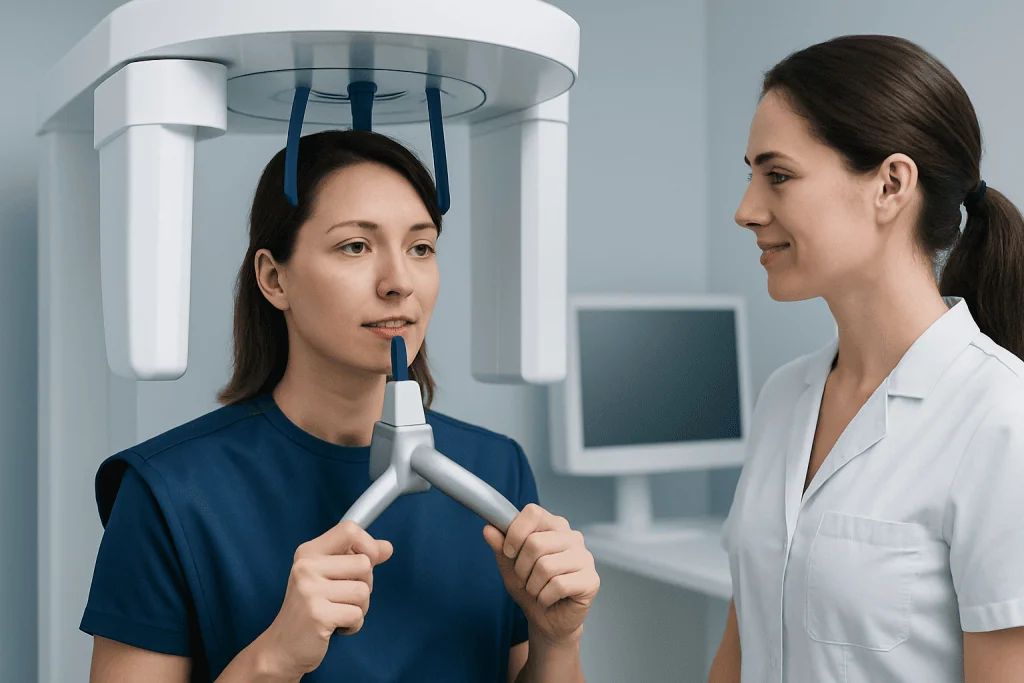
Imaging is not required for every person. Dental X-rays may identify tooth or bone concerns, while MRI can show the joint disc and inflammation. CT imaging can provide detailed information about bony changes. These tests are usually reserved for persistent symptoms, suspected arthritis or injury, locking, or when a procedure is being considered.
Care often follows a step-by-step pathway. First, the person learns how to limit jaw strain and may begin gentle exercises or physiotherapy. A clinician may then recommend short-term pain management, a professionally supervised oral appliance, or care for related conditions such as sleep bruxism. If symptoms remain severe and joint disease is confirmed, minimally invasive joint procedures or surgery may be discussed.
A coordinated plan can include dentists, oral and maxillofacial surgeons, physiotherapists, pain specialists and, when needed, ear, nose and throat or neurology specialists. This approach is useful because jaw pain can have overlapping causes rather than one single explanation.
Non-Surgical TMJ Treatment Options and Expected Results
Non-surgical measures are the foundation of treatment. During a painful flare, temporary soft foods, smaller bites and avoiding gum, hard foods, jaw stretching and leaning the chin on the hand can reduce mechanical strain. Regular meals with adequate nutrition remain important; very restrictive diets should not continue without clinical advice.
Physiotherapy may include gentle jaw-mobility exercises, posture work, neck and shoulder treatment, relaxation training and gradual return to normal jaw use. Exercises should be individualized, because forceful stretching can worsen some joint conditions. Stress-management techniques and attention to daytime clenching may also reduce muscle overload.
A dentist may recommend a removable stabilization splint for selected people, particularly where clenching or grinding contributes to symptoms. A splint should be monitored because an unsuitable appliance or unmonitored long-term use can alter the bite. Medication may sometimes be used for short-term symptom relief, but the right choice depends on the person’s health conditions and other medicines and should be discussed with a clinician.
Results vary according to the cause and duration of symptoms. Many people notice gradual improvement over weeks to months with consistent self-care and rehabilitation. The goal is meaningful comfort and function, rather than a promise that every joint sound will disappear.
TMJ Procedures and Surgery: Benefits, Risks and Recovery
When conservative care has not helped and there is a clearly defined joint problem, an oral and maxillofacial surgeon may discuss procedures. Arthrocentesis uses small needles to wash fluid through the joint space and may help selected people with painful restricted movement. Arthroscopy uses a small camera and instruments to assess and treat certain internal joint problems through small incisions.
Open-joint surgery is less common and may be considered for severe joint damage, significant structural abnormality, tumors, ankylosis or problems that cannot be managed with less invasive methods. The exact operation and expected outcome depend on the diagnosis. Patients should understand why a procedure is recommended, what alternatives exist and what rehabilitation will be required.
Benefits may include improved jaw opening, less pain and better ability to eat or speak comfortably. Risks can include temporary swelling and bruising, infection, bleeding, bite changes, persistent symptoms, scarring, limited movement, injury to nearby nerves and the need for further treatment. These risks are individual and should be reviewed directly with the surgeon before consent.
Recovery after minimally invasive treatment may involve a short period of swelling and a gradual return to normal eating, often with prescribed exercises. Recovery after open surgery is longer and may require a modified diet, physiotherapy and repeated follow-up visits. Oral and maxillofacial surgery is considered only after a careful discussion of diagnosis, likely benefit and recovery needs.
Can You Live With TMJ Without Surgery?
Yes. Most people with TMJ dysfunction can live well without surgery, and many improve with conservative treatment. Jaw symptoms can fluctuate, so learning how to manage flare-ups, reduce excessive strain and maintain gentle jaw movement is often more useful than pursuing invasive care early.
It is important not to ignore ongoing pain, recurrent locking or worsening limitation of mouth opening. A clinician can check for dental disease, arthritis, injury or another cause of facial pain and can guide appropriate treatment. Surgery may be helpful for a small group of people with persistent, function-limiting symptoms and a confirmed structural joint disorder.
Heat or ice can be used as a simple short-term comfort measure. Heat may ease tight chewing muscles and stiffness, while a wrapped cold pack may help after a recent flare, injury or visible swelling. Applying either for short intervals with a cloth barrier protects the skin; the more comfortable option is generally reasonable unless a clinician advises otherwise.
What Are the Symptoms of TMJ Nerve Damage?
TMJ dysfunction itself does not usually cause nerve damage. However, facial nerve symptoms should be assessed because numbness, tingling, burning pain, altered sensation, facial weakness or a new inability to move part of the face can have causes outside the jaw joint. These may include dental disease, injury, nerve irritation or neurological conditions.
Jaw pain that is electric-shock-like, triggered by light touch, or accompanied by a rash, hearing change, dizziness or significant headache should not automatically be assumed to be TMJ dysfunction. A doctor or dentist can determine whether a dental, ear, neurological or musculoskeletal evaluation is needed.
After a jaw procedure, temporary altered sensation can occasionally occur because nerves are close to the treatment area. New or persistent numbness should be reported to the treating team promptly. Acibadem International’s multidisciplinary specialists and JCI-accredited hospitals can assess TMJ disorders and related facial pain concerns for international patients.
Is TMJ Pain on Both Sides and When to Seek Medical Care
TMJ pain can occur on one side or both sides. Bilateral pain is often linked with muscle tension, clenching, grinding or widespread joint strain, but it still deserves assessment if it persists. One-sided pain may also arise from a tooth, ear, sinus or headache condition, so location alone cannot confirm the cause.
Medical or dental review is advisable when jaw pain lasts more than a few weeks, affects eating or sleep, returns frequently, or causes recurrent locking. Prompt assessment is important after facial trauma or if there is marked swelling, fever, difficulty swallowing, inability to open the mouth, a changing bite, unexplained weight loss, numbness or facial weakness.
Emergency care is appropriate for trouble breathing or swallowing, severe facial swelling, uncontrolled bleeding, or symptoms suggesting a serious infection. These symptoms are uncommon, but timely evaluation can help identify problems needing urgent treatment.
Frequently asked questions
How long does TMJ dysfunction treatment take to work?
The timeline depends on the cause, severity and how consistently the plan is followed. Muscle-related symptoms may begin improving over several weeks, while longstanding joint problems can take months and may require ongoing rehabilitation. A clinician should reassess symptoms that are not improving or are getting worse.
Can a mouthguard cure TMJ dysfunction?
A professionally prescribed oral appliance may help some people, especially when clenching or grinding is contributing to symptoms. It does not cure every form of TMJ dysfunction, and it should be checked regularly by a dentist. Over-the-counter devices may not fit correctly and are not suitable for everyone.
Which is better for TMJ pain, heat or ice?
Heat is often more comfortable for muscle tightness and stiffness, while ice may help a recent painful flare or swelling. Both should be used with a cloth barrier and for short periods to protect the skin. If either approach increases pain, it should be stopped and discussed with a clinician.
Is TMJ pain on both sides?
TMJ pain may be on one side or both sides. Pain on both sides can occur with clenching, grinding or overworked chewing muscles, but it does not confirm a TMJ diagnosis. Persistent pain should be assessed to rule out dental, ear, headache or other causes.
What are the symptoms of TMJ nerve damage?
TMJ dysfunction does not commonly cause nerve damage. Numbness, tingling, burning sensations, facial weakness or altered facial sensation should be evaluated because these symptoms can have other causes. Urgent care is needed for sudden weakness or other new neurological symptoms.
Can you live with TMJ without surgery?
Yes, most people with TMJ dysfunction manage successfully without surgery. Conservative care, including habit changes, physiotherapy and treatment of contributing factors, is usually tried first. Surgery is reserved for selected cases with persistent functional problems and confirmed structural joint disease.
References
- National Institute of Dental and Craniofacial Research
- American Dental Association
- American Association of Oral and Maxillofacial Surgeons
- Mayo Clinic
- NHS
This article is for general information only and is not a substitute for professional medical advice. Please consult a qualified doctor about your individual situation.
Joint and spine care in Turkey — expert assessment & treatment
JCI-accredited · board-certified surgeons · reply within 24h
Add us as a Preferred Source to see more of our trusted health content across Google Search, AI Overviews and Discover.