Trichiasis — Explained by Medical Evidence, Not Myths

Trichiasis means eyelashes are misdirected inward and touch the eye. It can happen after eyelid inflammation, scarring, infection, trauma, or age-related eyelid changes.
Key Takeaways
- Trichiasis means eyelashes are misdirected inward and touch the eye.
- It can happen after eyelid inflammation, scarring, infection, trauma, or age-related eyelid changes.
- Symptoms may range from mild irritation to pain, blurred vision, and sensitivity to light.
- Treatment may include temporary lash removal or procedures that prevent lashes from growing inward again.
- Prompt eye care helps protect the cornea and reduce the risk of ongoing discomfort or vision problems.
Trichiasis is a condition in which eyelashes grow toward the eye instead of away from it. This can cause irritation, watering, light sensitivity, and, if persistent, damage to the clear front surface of the eye, so proper evaluation and treatment are important.
What trichiasis is and why it matters
Trichiasis is a common eyelid problem in which one or more eyelashes grow in the wrong direction and rub against the surface of the eye. Although it may sound minor, these misdirected lashes can repeatedly scrape the conjunctiva or cornea, leading to irritation and, over time, injury to the eye’s delicate tissues.
The condition is different from simply having long eyelashes or temporary eye discomfort. In trichiasis, the issue is the direction of lash growth rather than the amount of hair. Some people have only a few eyelashes affected, while others have a larger area involved. Symptoms may come and go, especially if a lash falls out and later grows back inward again.
Trichiasis can affect one or both eyes and may occur at any age, though it is more often seen in adults. Because the underlying cause can vary, proper examination matters. The main goals of care are to relieve irritation, protect the cornea, and treat any eyelid disease or scarring that is causing the lashes to turn inward.
How trichiasis feels: common symptoms and possible complications
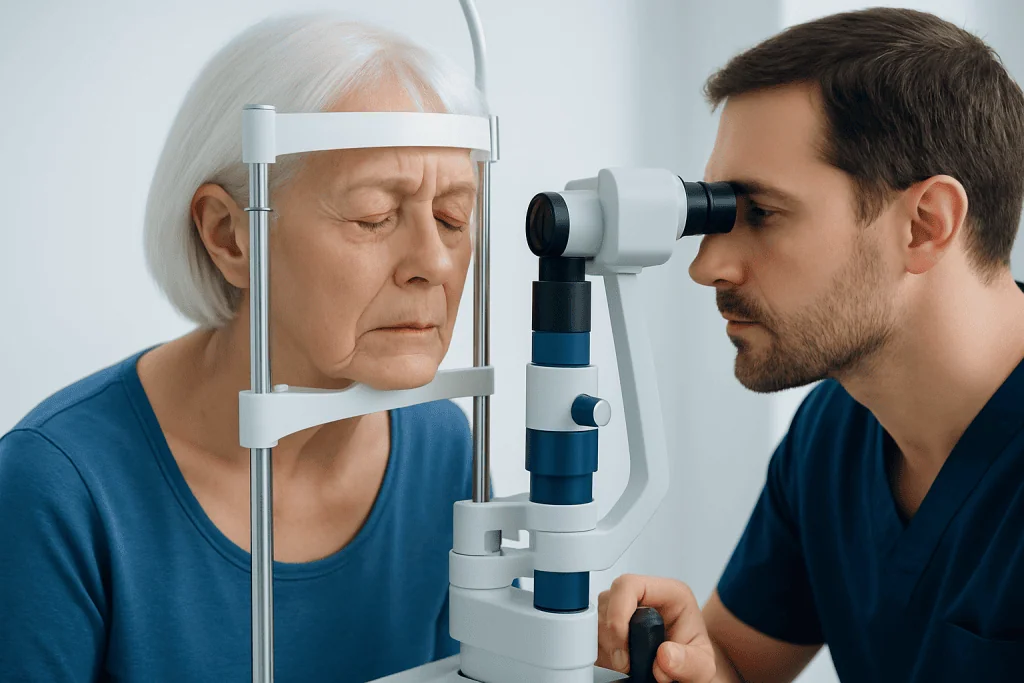
People with trichiasis often describe a constant feeling that something is in the eye. Common symptoms include redness, tearing, burning, itching, discomfort when blinking, and sensitivity to light. Some people also notice mucus discharge or feel that the eye is more tired than usual by the end of the day.
If the lashes continue to rub the eye, symptoms can become more intense. Repeated friction may cause pain, blurred vision, or a strong urge to rub the eye. In some cases, the problem is subtle, especially if only one or two fine lashes are involved, but even a single misdirected lash can be very uncomfortable.
Without treatment, trichiasis can lead to scratches on the cornea, recurrent surface irritation, and inflammation. In more severe or long-standing cases, corneal infection, scarring, or reduced vision may occur. This is why trichiasis should not be dismissed as only a cosmetic issue.
- Foreign-body sensation
- Redness and watering
- Light sensitivity
- Eye pain or discomfort when blinking
- Blurred vision if the cornea becomes affected
Why trichiasis happens: causes and risk factors

Trichiasis develops when the position of the eyelid margin or the direction of eyelash growth changes. A common reason is chronic inflammation of the eyelids, such as blepharitis, which can alter the lash follicles over time. In other cases, scarring on the inner eyelid changes the way the lashes point.
Past infections, trauma, burns, autoimmune disease affecting the eye surface, and previous eye or eyelid surgery can all contribute. Age-related changes may also play a role, as the eyelid tissues can loosen and shift. Some people have a condition called entropion, in which the eyelid itself turns inward; this can cause the lashes to rub the eye as well. This related problem may need separate treatment, such as entropion evaluation and care.
Less commonly, lashes can grow from an abnormal extra row or from irritated follicles. A clinician will also look for associated eye surface disorders such as chronic dry eye, which can make symptoms feel worse and increase surface damage. If dryness is part of the picture, an assessment for dry eye may help guide treatment and ongoing comfort.
- Chronic eyelid inflammation, especially blepharitis
- Scarring from infection, injury, or autoimmune conditions
- Entropion or other eyelid-position changes
- Previous eyelid or eye surgery
- Age-related tissue laxity
How doctors diagnose trichiasis
Diagnosis usually begins with a careful history and an eye examination. The doctor asks about symptoms, how long they have been present, whether they come and go, and whether there has been prior infection, trauma, surgery, or eyelid disease. Even when symptoms seem straightforward, identifying the cause is important because treatment may differ depending on whether the problem is isolated lashes, eyelid turning, or scarring.
During the exam, the clinician looks closely at the eyelid margin, eyelash direction, and eye surface. A slit-lamp examination allows detailed inspection of the cornea and conjunctiva for scratches, irritation, ulceration, or scarring. Fluorescein dye may be used to highlight areas of corneal injury.
The doctor may also evaluate tear film quality, signs of blepharitis, and eyelid anatomy. This helps distinguish trichiasis from other causes of a gritty eye sensation. In some cases, further management overlaps with broader ophthalmology care, especially when corneal health or underlying inflammatory eye disease needs ongoing follow-up.
Treatment options for trichiasis
Treatment depends on how many lashes are affected, how often the problem returns, and whether the cornea is being injured. If only a few lashes are involved, a doctor may remove them with forceps, a procedure called epilation. This often relieves symptoms quickly, but the lashes may grow back, so it is usually a temporary measure rather than a permanent solution.
For recurrent trichiasis, treatments that target the lash follicle may be recommended. These can include electrolysis, laser treatment, or cryotherapy to reduce or stop regrowth of problematic lashes. If the underlying problem is eyelid malposition, treating the eyelid structure itself may be more effective than repeatedly removing lashes.
When the eyelid turns inward or scarring has changed the eyelid margin, surgery may be the best long-term option. In selected cases, the doctor may discuss entropion surgery or other eyelid procedures to restore normal lash position and protect the eye surface. Lubricating drops or ointments may be used to reduce friction and support comfort, but these do not correct the direction of lash growth.
If there is infection, significant inflammation, or corneal injury, treatment may also include medications prescribed by an eye specialist. Management should be individualized, as the safest and most effective approach depends on the cause, severity, and overall eye health of the person.
Self-care, prevention, and everyday eye protection
There is no guaranteed way to prevent every case of trichiasis, but good eyelid hygiene and prompt treatment of eye inflammation can lower risk. People with recurrent blepharitis may benefit from regular lid cleansing as advised by a clinician. Avoiding unnecessary eye rubbing is also helpful, since rubbing can worsen irritation and inflammation.
It is best not to try to pull lashes out at home with unclean tools. This may injure the eyelid, increase infection risk, or miss the underlying cause. Over-the-counter lubricating eye drops may temporarily ease symptoms, but they should not replace an eye examination if lashes are touching the eye.
Protecting the eyes from smoke, dust, and other irritants can reduce discomfort. If a person already has a diagnosed eyelid or ocular surface condition, keeping follow-up appointments is important. In centers with multidisciplinary eye services, including Acibadem International’s JCI-accredited hospitals, specialists evaluate trichiasis and related eyelid disorders for international patients when more advanced treatment is needed.
When to seek medical care
Medical care is advisable whenever eyelashes are visibly rubbing the eye or when symptoms such as tearing, redness, and a gritty sensation do not improve promptly. An eye doctor should assess the situation because repeated contact between lashes and the cornea can lead to avoidable injury.
Urgent evaluation is especially important if there is significant eye pain, sudden worsening of light sensitivity, blurred vision, marked redness, or discharge. These symptoms can suggest corneal damage or infection and should not be managed with home remedies alone.
People who have a history of eyelid scarring, autoimmune eye disease, prior eye surgery, or recurrent episodes should also seek professional assessment. Early treatment is usually simpler and may help prevent repeated irritation and long-term surface damage.
Frequently asked questions
Is trichiasis the same as an ingrown eyelash?
In everyday language, trichiasis is often described as an ingrown eyelash, but medically it means eyelashes are misdirected toward the eye. The lash may not be trapped under the skin; instead, it points inward and rubs the eye surface.
Can trichiasis go away on its own?
Sometimes symptoms improve temporarily if an offending eyelash falls out. However, the lash may grow back in the same wrong direction, and the underlying cause often remains. Persistent or recurrent symptoms should be checked by an eye doctor.
Is trichiasis dangerous for vision?
It can be if it is left untreated and lashes continue to scratch the cornea. Repeated irritation may lead to corneal injury, scarring, or infection, which can affect vision. Early treatment greatly reduces this risk.
What is the difference between trichiasis and entropion?
Trichiasis refers to eyelashes growing or pointing toward the eye. Entropion means the eyelid itself turns inward, which can make the lashes rub the eye even if the lashes are otherwise normal. A person can have trichiasis with or without entropion.
Can I remove the eyelash myself?
It is safer to have this done by a qualified clinician, especially if the problem keeps returning. Home removal with unclean tools may injure the eyelid or eye and does not address the reason the lash is growing inward.
Will I need surgery for trichiasis?
Not everyone does. A few isolated lashes may be managed with temporary removal or follicle-based treatments, while surgery is more often considered when the problem recurs frequently or when eyelid position is abnormal.
This article is for general information only and is not a substitute for professional medical advice. Please consult a qualified doctor about your individual situation.
Explore treatments in Turkey — costs, top hospitals & a free quote
JCI-accredited · board-certified surgeons · reply within 24h
Add us as a Preferred Source to see more of our trusted health content across Google Search, AI Overviews and Discover.

More from the Health Library

Dpt: An Evidence-Based Guide for Patients

Chlorophyll Drops: A Complete Medical Overview

Anal Stretching: What Patients Need to Know
Ear Acupuncture: What Patients Need to Know

Hibiscus Tree: A Complete Medical Overview