Trisomy: An Evidence-Based Guide for Patients

Trisomy means there is an extra chromosome in some or all of the body's cells. The best-known forms are trisomy 21, trisomy 18, and trisomy 13.
Key Takeaways
- Trisomy means there is an extra chromosome in some or all of the body's cells.
- The best-known forms are trisomy 21, trisomy 18, and trisomy 13.
- Symptoms and long-term outlook differ greatly depending on the type of trisomy and the organs affected.
- Diagnosis may happen before birth through screening and confirmatory testing, or after birth through physical findings and genetic tests.
- Treatment does not remove the extra chromosome but can address medical needs, development, and quality of life.
- Genetic counseling can help families understand testing, recurrence risk, and care planning.
Trisomy is a genetic condition in which a person has an extra copy of a chromosome, leading to a total of three instead of the usual two. Its effects vary widely depending on which chromosome is involved, so care focuses on accurate diagnosis, monitoring, and individualized support.
Overview: what trisomy means
Trisomy is a genetic condition in which there are three copies of a chromosome instead of the usual two. Humans typically have 46 chromosomes arranged in 23 pairs. In trisomy, one chromosome is present in an extra copy, which changes how the body grows and functions.
This can happen in all cells of the body, called full trisomy, or only in some cells, called mosaic trisomy. Another form, translocation trisomy, happens when extra chromosome material attaches to a different chromosome. These differences matter because they can influence symptoms, health needs, and sometimes how the condition is inherited.
The most recognized type is trisomy 21, also called Down syndrome. Other important types include trisomy 18 and trisomy 13. Each form has its own pattern of medical and developmental features, so a careful and personalized approach is essential.
Common types of trisomy and how they differ
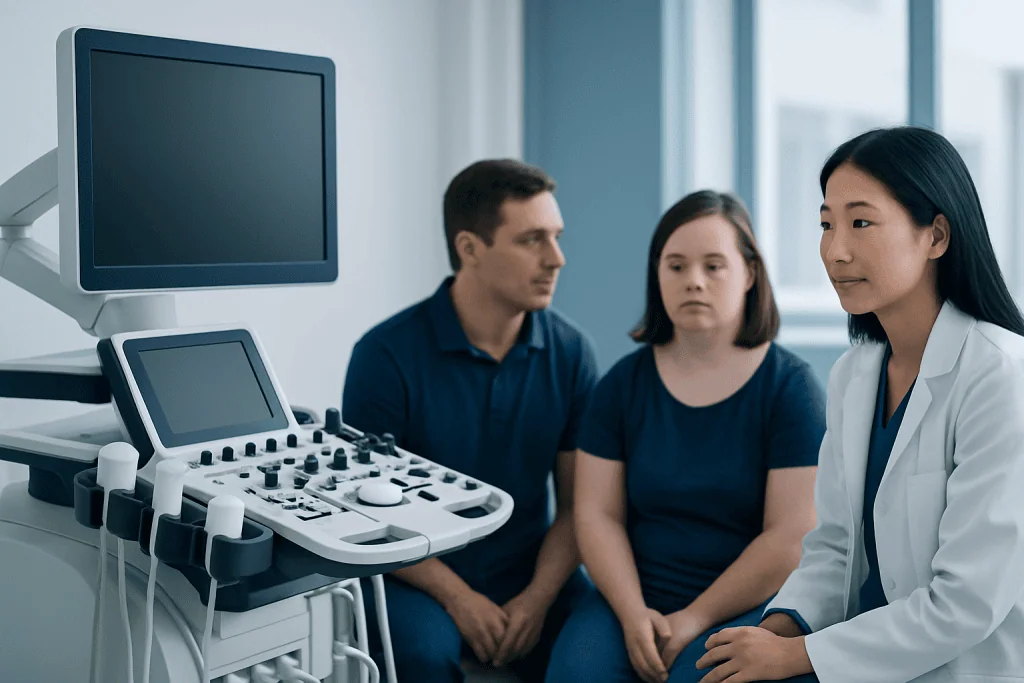
Not all trisomies affect health in the same way. Some are identified before birth because they are linked to major differences in fetal development. Others are compatible with longer survival and may be recognized after birth through developmental or physical features.
Trisomy 21 is associated with a wide range of abilities and health needs. Many people with trisomy 21 benefit from early developmental support and regular checks for heart, hearing, vision, thyroid, and growth-related concerns. Trisomy 18 and trisomy 13 are often associated with more complex medical needs involving the heart, brain, feeding, and breathing.
Healthcare teams also consider whether the extra chromosome is full, mosaic, or due to translocation. Mosaic forms may be milder in some people, although severity can still vary. Because the effects are so individual, families usually need information that goes beyond the chromosome number alone.
- Trisomy 21: commonly linked with developmental differences and some treatable medical conditions
- Trisomy 18: often associated with serious congenital and growth-related problems
- Trisomy 13: often associated with complex organ involvement and significant care needs
- Mosaic or translocation forms: may alter symptom pattern, inheritance, or both
Symptoms and possible health effects

Symptoms of trisomy depend on which chromosome is affected and whether all or only some cells carry the change. Some babies are diagnosed because of differences seen on prenatal ultrasound. Others may show physical features, low muscle tone, feeding difficulty, slower development, or congenital conditions after birth.
Possible health effects can involve several body systems. These may include congenital heart problems, hearing or vision differences, growth concerns, breathing or feeding difficulties, and learning or developmental delays. In some children, repeated ear infections, thyroid problems, or gastrointestinal issues become part of ongoing care.
It is important to remember that symptoms vary widely. Two people with the same trisomy may not have the same strengths, challenges, or medical needs. A full assessment usually includes developmental, cardiac, hearing, vision, and neurological evaluation to understand the child’s individual profile.
When concerns involve the brain, development, or seizures, doctors may recommend specialist review through services such as neurology care to guide monitoring and support.
Causes, risk factors, and inheritance
Most trisomies happen because of a random error in cell division, usually when egg or sperm cells are forming. This process is called nondisjunction. It leads to an embryo receiving an extra chromosome, even though neither parent caused it intentionally or could have prevented it.
Advanced maternal age is associated with a higher chance of some trisomies, especially trisomy 21. However, trisomy can occur in pregnancies at any maternal age. A less common cause is translocation, in which extra chromosome material is rearranged. In some families, a parent may carry a balanced translocation without symptoms, which can increase the chance of certain chromosomal conditions in a pregnancy.
Because the cause is not always the same, genetic counseling is often recommended. It can help explain whether the trisomy appears random, mosaic, or translocation-related, and whether any parental chromosome testing may be useful for future family planning.
How trisomy is diagnosed
Diagnosis can happen before or after birth. During pregnancy, screening tests may estimate the chance of certain trisomies. These can include blood tests and ultrasound findings. A high-risk screening result does not confirm trisomy, but it shows that further evaluation may be helpful.
Confirmatory prenatal tests examine fetal cells or genetic material more directly. Depending on the clinical situation, this may involve chorionic villus sampling or amniocentesis. After birth, doctors may suspect trisomy based on examination findings, developmental differences, or congenital anomalies, and then confirm it with chromosomal testing such as a karyotype or chromosomal microarray where appropriate.
Imaging and organ-specific tests are often used to look for associated conditions. For example, clinicians may request genetic testing together with an echocardiogram, hearing assessment, vision checks, or other studies based on symptoms and the likely trisomy type. The goal is not only to name the condition, but also to identify medical needs early.
Treatment, supportive care, and long-term management
There is no treatment that removes the extra chromosome itself. Care focuses on the person’s specific symptoms, medical conditions, and developmental needs. Many people with trisomy benefit from coordinated follow-up involving pediatrics, genetics, cardiology, neurology, speech and language therapy, physical therapy, occupational therapy, nutrition, and social support.
Medical treatment may include management of congenital heart disease, feeding support, treatment for hearing or vision problems, and monitoring for thyroid or growth issues. Some children need surgery or hospital-based treatment for associated conditions. Developmental therapies often begin early and can help improve communication, mobility, daily living skills, and participation in school and family life.
Because some forms of trisomy are linked to congenital heart differences, specialists may recommend assessment through pediatric cardiology when needed. Care plans are usually reviewed regularly because needs can change with age, growth, and development.
Near the end of diagnosis and treatment planning, some families seek care at centers experienced in multidisciplinary genetic and pediatric medicine. Acibadem International’s JCI-accredited hospitals support international patients with coordinated assessment and treatment for complex chromosomal conditions.
Living with trisomy: family support and daily care
Families often need both medical information and practical support. Daily care may involve feeding guidance, developmental exercises, school planning, hearing and vision follow-up, and emotional support for parents and siblings. Building a trusted care team can make the experience more manageable.
Regular checkups help detect treatable concerns early. Depending on the type of trisomy, doctors may recommend scheduled heart evaluations, hearing tests, eye exams, growth checks, and developmental reviews. Vaccination, nutrition, sleep, and routine preventive care remain important parts of overall health.
It can also help to connect with early intervention programs, therapists, social workers, and patient support groups. These resources may assist with education planning, home routines, access to services, and coping with uncertainty. Families should feel comfortable asking clinicians to explain each test and recommendation in clear terms.
When to seek medical care
Medical care should be sought promptly if a baby or child with known or suspected trisomy has trouble breathing, poor feeding, vomiting, unusual sleepiness, blue lips, fever, seizures, or signs of dehydration. New concerns about growth, hearing, vision, movement, or regression in development also deserve timely medical review.
During pregnancy, medical advice is important if screening suggests an increased chance of trisomy, if ultrasound findings raise concern, or if parents want to discuss confirmatory testing and genetic counseling. Families do not need to wait for an emergency to ask questions; early assessment often helps with planning, support, and reassurance.
Even when symptoms seem mild, regular follow-up matters because some associated conditions are easier to treat when found early. A qualified doctor or genetics specialist can explain what monitoring is appropriate for the specific trisomy type and the individual’s age.
Frequently asked questions
What is trisomy in simple terms?
Trisomy means a person has an extra copy of one chromosome. Instead of the usual pair, there are three copies of that chromosome in some or all cells. This can affect development and health in different ways depending on the chromosome involved.
Is trisomy the same as Down syndrome?
Down syndrome is one type of trisomy, specifically trisomy 21. However, not all trisomies are Down syndrome. Other examples include trisomy 18 and trisomy 13, which have different medical and developmental effects.
Can trisomy be detected before birth?
Yes. Prenatal screening tests can estimate whether a pregnancy has a higher chance of certain trisomies, and diagnostic tests can confirm the diagnosis. A doctor or genetic counselor can explain the benefits and limitations of each option.
Does trisomy always come from a parent?
Usually, no. Most trisomies happen because of a random error in cell division during the formation of egg or sperm cells. In a smaller number of cases, a translocation can be inherited from a parent who carries a balanced chromosome rearrangement.
Can trisomy be cured?
There is no cure that removes the extra chromosome. Treatment focuses on the medical, developmental, and supportive needs of the individual. Many associated problems can be monitored and managed with appropriate care.
Do all people with trisomy have severe symptoms?
No. Severity varies widely depending on the type of trisomy and whether it is full, mosaic, or translocation-related. Some people have milder effects, while others have complex medical needs that require close follow-up.
This article is for general information only and is not a substitute for professional medical advice. Please consult a qualified doctor about your individual situation.
Explore treatments in Turkey — costs, top hospitals & a free quote
JCI-accredited · board-certified surgeons · reply within 24h
Add us as a Preferred Source to see more of our trusted health content across Google Search, AI Overviews and Discover.

More from the Health Library

Pizza Causes — Explained by Medical Evidence, Not Myths

Obinutuzumab: A Complete Medical Overview

Schizophrenia — Explained by Medical Evidence, Not Myths

Jump Rope Benefits: What Patients Need to Know

Eye Boogers: An Evidence-Based Guide for Patients