Tuberculosis: Symptoms, Testing, and Treatment Duration

Tuberculosis spreads through the air when a person with infectious lung or throat TB coughs, speaks, or sneezes. Common active TB symptoms include a persistent cough, fever, night sweats, weight loss, tiredness, and sometimes coughing up blood.
Key Takeaways
- Tuberculosis spreads through the air when a person with infectious lung or throat TB coughs, speaks, or sneezes.
- Common active TB symptoms include a persistent cough, fever, night sweats, weight loss, tiredness, and sometimes coughing up blood.
- Testing may include a TB skin test or blood test, chest imaging, and sputum tests to confirm active disease and guide treatment.
- Drug-susceptible active TB is commonly treated for about 6 months, while latent TB and drug-resistant TB require different treatment durations.
- Completing the full treatment course is essential, even when symptoms improve, to prevent relapse and drug resistance.
Tuberculosis is a bacterial infection that most often affects the lungs, but it can also involve other organs. With timely testing, the right medicines, and careful follow-up, most people with TB can be treated effectively.
Overview
Tuberculosis, often called TB, is an infection caused by the bacterium Mycobacterium tuberculosis. It most commonly affects the lungs, which is known as pulmonary TB, but it can also affect the lymph nodes, bones, kidneys, brain coverings, spine, or other parts of the body. TB is a serious but treatable condition when it is diagnosed accurately and managed with the correct medicines.
TB spreads through tiny airborne particles released by a person who has infectious TB in the lungs or throat. It is not usually spread by sharing dishes, shaking hands, touching surfaces, or casual brief contact. Transmission is more likely after close or prolonged indoor exposure, especially where ventilation is poor.
There are two main forms of TB infection. Latent TB infection means the bacteria are present in the body but inactive, causing no symptoms and not spreading to others. Active TB disease means the bacteria are multiplying and causing illness; when active TB affects the lungs or throat, it can be contagious until treatment has reduced infectiousness.
TB Symptoms
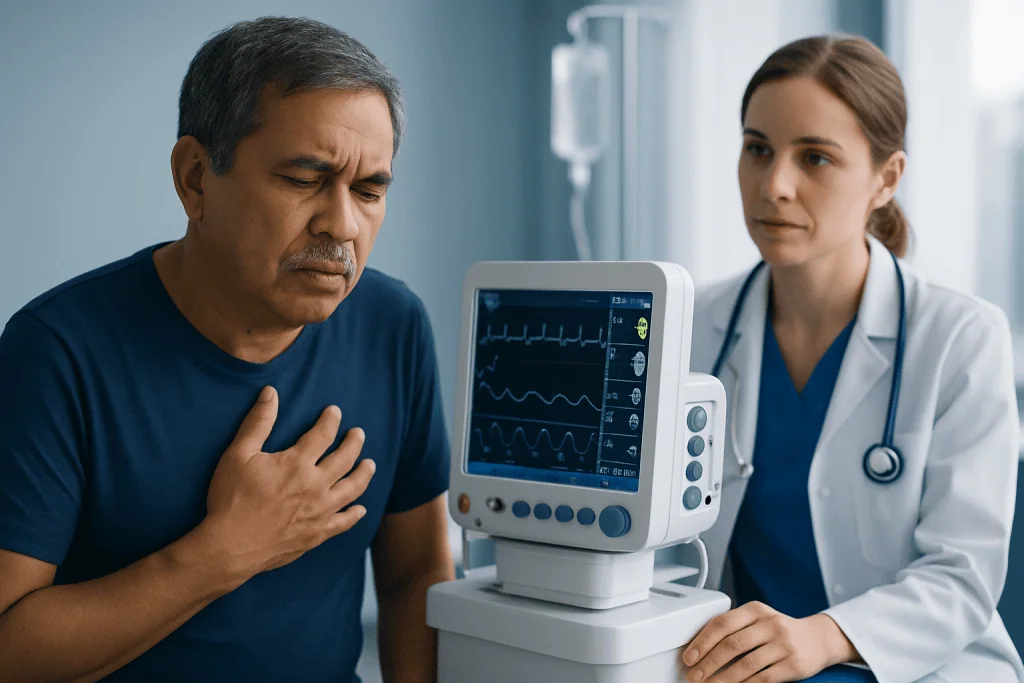
Symptoms of active pulmonary TB often develop gradually over several weeks or months. Because early symptoms can feel like a lingering respiratory infection, people may delay seeking care. A persistent cough lasting three weeks or longer is one of the most important warning signs, particularly when it is accompanied by fever, night sweats, or unexplained weight loss.
Common symptoms of active TB may include:
- Cough that does not go away, sometimes with mucus or blood
- Chest pain or discomfort with breathing or coughing
- Fever, chills, or night sweats
- Unexplained weight loss and loss of appetite
- Fatigue, weakness, or reduced ability to do daily activities
- Swollen lymph nodes or symptoms related to other affected organs
Latent TB infection does not cause symptoms. A person with latent TB feels well and cannot spread TB to others, but the infection can become active later, especially if the immune system becomes weakened. This is why screening and preventive treatment may be recommended for people at higher risk.
Causes and Risk Factors

TB is caused by inhaling airborne droplets that contain Mycobacterium tuberculosis. After entering the body, the immune system may control the bacteria, leading to latent infection, or the bacteria may multiply and cause active disease. Active TB can occur soon after exposure or many years later if immune defenses decline.
Certain situations increase the chance of TB exposure or progression from latent infection to active disease. These include close contact with someone who has infectious TB, living or working in crowded settings, previous residence in or travel from areas where TB is more common, and limited access to healthcare. Healthcare workers and caregivers may also need screening depending on their exposure risk.
Medical factors can also raise risk. People with HIV, those taking immune-suppressing medicines, transplant recipients, people with certain cancers, chronic kidney disease, diabetes, or malnutrition, and people who smoke are more vulnerable to active TB. Infants, young children, and older adults may also be at higher risk of complications and need prompt medical assessment.
How Tuberculosis Is Tested and Diagnosed
TB testing is chosen according to symptoms, exposure history, immune status, age, and local medical guidance. A doctor will usually ask about cough duration, fever, weight changes, previous TB exposure, travel or residence history, and medical conditions that may affect immunity. Physical examination may look for lung findings, enlarged lymph nodes, or signs of TB outside the lungs.
Two common screening tests are the tuberculin skin test and interferon-gamma release assay blood tests. These tests show whether the immune system has been exposed to TB bacteria, but they do not by themselves prove active disease. A positive result usually requires further evaluation to determine whether infection is latent or active.
If active pulmonary TB is suspected, chest X-ray or other imaging may be used to look for lung changes. Sputum samples are important because laboratory testing can detect TB bacteria, confirm the diagnosis, and check whether the bacteria are resistant to key medicines. Tests may include microscopy, culture, molecular tests, and drug susceptibility testing; culture can take longer but provides valuable treatment information.
TB outside the lungs may require additional tests, such as analysis of fluid or tissue samples, ultrasound, CT or MRI imaging, or biopsy depending on the affected area. Diagnosis can sometimes be complex, so results are interpreted together rather than from one test alone.
Treatment Options and Treatment Duration
TB treatment depends on whether the infection is latent, active drug-susceptible TB, or drug-resistant TB. For active drug-susceptible pulmonary TB, treatment commonly lasts about 6 months and uses a combination of antibiotics. Several medicines are given together because TB bacteria can survive if treatment is incomplete or if only one drug is used.
The first part of treatment usually uses multiple medicines to quickly reduce the number of bacteria. The later part continues treatment to kill remaining bacteria and reduce the chance of relapse. Symptoms often improve within weeks, but stopping early can allow TB to return and may contribute to drug resistance, so the full prescribed course is essential.
Latent TB infection is treated to reduce the risk of future active disease. Depending on the person and the regimen chosen, preventive treatment may last from a few months to longer courses. Drug-resistant TB requires specialist care and may involve different medicine combinations and a longer treatment duration, sometimes many months beyond standard treatment.
During treatment, follow-up visits and laboratory monitoring are important. The care team may check symptoms, sputum results, liver function, vision or hearing when relevant, possible side effects, and medicine interactions. Patients should tell their doctor promptly about severe nausea, yellowing of the skin or eyes, dark urine, rash, vision changes, numbness, or other concerning symptoms.
Preventing Spread and Self-Care During TB Treatment
People with infectious pulmonary or throat TB may need to take temporary precautions until their doctor confirms they are no longer likely to spread TB. This may include staying home from work, school, or travel, sleeping in a separate room if possible, wearing a mask when around others, covering coughs, and improving ventilation by opening windows when safe. These measures are usually temporary and should be guided by the treating clinician or public health team.
Taking medicines exactly as prescribed is the most important self-care step. Some patients benefit from directly observed therapy or digital adherence support, where healthcare staff help confirm that doses are taken correctly. Using reminders, pill organizers, and a written treatment plan can also help patients complete therapy.
Good general health habits support recovery but do not replace antibiotics. Patients are encouraged to rest, eat balanced meals, avoid smoking, limit or avoid alcohol as advised, and discuss all other medicines or supplements with their doctor. Household and close contacts may need TB screening, even if they feel well.
When to See a Doctor
A person should seek medical advice if they have a cough lasting three weeks or longer, coughing up blood, unexplained fever, night sweats, weight loss, chest pain, or close contact with someone diagnosed with TB. People with weakened immune systems should seek care earlier, even if symptoms are mild, because TB can progress more quickly.
Anyone with a positive TB skin or blood test should have a medical evaluation to determine whether the infection is latent or active. This usually includes symptom review and chest imaging, and may include sputum testing. People who have been exposed to TB should follow the testing schedule recommended by their doctor or public health authority, as early tests can sometimes be negative soon after exposure.
Urgent care is appropriate for severe shortness of breath, significant coughing up of blood, confusion, severe weakness, or symptoms of TB meningitis such as severe headache, stiff neck, or neurological changes. For international patients, Acibadem International provides access to multidisciplinary specialists and JCI-accredited hospitals that diagnose and treat TB and related conditions, with care plans based on clinical evaluation and current medical standards.
Frequently asked questions
How long does tuberculosis treatment take?
Drug-susceptible active pulmonary TB is commonly treated for about 6 months with a combination of antibiotics. Latent TB treatment may be shorter or longer depending on the regimen. Drug-resistant TB usually requires specialist treatment and can take longer.
Is tuberculosis contagious?
TB can be contagious when it is active in the lungs or throat and the person releases bacteria into the air by coughing, speaking, or sneezing. Latent TB is not contagious. After effective treatment begins, infectiousness usually decreases, but a doctor should decide when normal activities can safely resume.
Can a blood test diagnose active TB?
TB blood tests can show that the immune system has been exposed to TB bacteria, but they cannot confirm active disease on their own. Active TB diagnosis usually requires symptom assessment, chest imaging, and sputum or tissue testing. Doctors interpret all results together.
What happens if TB treatment is stopped early?
Stopping TB medicines early can allow bacteria to survive and the disease to return. It may also increase the risk of drug-resistant TB, which is harder to treat. Patients should speak with their doctor before stopping or changing any TB medicine.
What is the difference between latent TB and active TB?
Latent TB means TB bacteria are present but inactive, causing no symptoms and not spreading to others. Active TB means the bacteria are multiplying and causing illness. Active TB in the lungs or throat can be contagious and requires full treatment.
Do family members need testing if someone has TB?
Close household and frequent contacts of a person with infectious TB often need screening, even if they feel healthy. Testing helps identify latent infection or early active disease. The timing and type of testing should be guided by healthcare professionals or public health authorities.
This article is for general information only and is not a substitute for professional medical advice. Please consult a qualified doctor about your individual situation.
Tuberculosis in Turkey — costs, top hospitals & a free quote
JCI-accredited · board-certified surgeons · reply within 24h
Add us as a Preferred Source to see more of our trusted health content across Google Search, AI Overviews and Discover.

More from the Health Library

Essential Tremor vs Parkinson’s Disease: Which Features Point to Each?

ITP in Adults: Bleeding Risks, Platelet Counts, and When Treatment Starts

Long QT Syndrome: Fainting, Palpitations, and Sudden Cardiac Risk

Pneumonia: Cough, Fever, Chest X-Ray Findings, and Recovery

Which Medical Conditions May Qualify for Disability? A Patient Guide