Tumor in Pancreas Surgery: Procedure, Recovery and Results

Pancreatic tumor surgery may involve removing the head, body or tail of the pancreas, sometimes with nearby organs or lymph nodes. Not every pancreatic tumor requires surgery; decisions are based on tumor type, size, location, symptoms and staging results.
Key Takeaways
- Pancreatic tumor surgery may involve removing the head, body or tail of the pancreas, sometimes with nearby organs or lymph nodes.
- Not every pancreatic tumor requires surgery; decisions are based on tumor type, size, location, symptoms and staging results.
- Recovery commonly includes a hospital stay, gradual return to eating and activity, pain control, and monitoring for digestive or blood-sugar changes.
- Potential complications include pancreatic leak, infection, bleeding, delayed stomach emptying and changes in digestion or diabetes risk.
- Care is best planned by a multidisciplinary team that includes pancreatic surgeons, gastroenterologists, radiologists, pathologists, oncologists and nutrition specialists.
Tumor in pancreas surgery is used to remove a pancreatic growth when it is cancerous, suspicious for cancer, causing symptoms, or likely to cause future problems. The type of operation, expected recovery and outlook depend on where the tumor is located, whether it has spread, and the person’s general health.
Overview: what tumor in pancreas surgery involves
Tumor in pancreas surgery is an operation to remove a growth in the pancreas and, when needed, nearby tissue or lymph nodes. It may be recommended for pancreatic cancer, certain cystic tumors, neuroendocrine tumors, or a mass that cannot be safely characterized without removal. The goal may be to cure a localized cancer, prevent a precancerous lesion from progressing, relieve symptoms, or obtain a definitive diagnosis.
The pancreas sits deep in the upper abdomen behind the stomach. It produces digestive enzymes and hormones, including insulin, that help regulate blood glucose. Because of its location and important functions, tumor pancreas surgery is complex and should be planned carefully using imaging, laboratory testing and specialist review.
Operations are tailored to the position of the tumor. A growth in the pancreatic head may require a pancreaticoduodenectomy, often called a Whipple procedure. Tumors in the body or tail are more often treated with distal pancreatectomy. In selected cases, surgeons may remove only the tumor or a limited portion of pancreas while preserving as much healthy tissue as possible.
Who may be a candidate for surgery

Whether tumor in pancreas removal is appropriate depends on more than the presence of a mass. The team considers the suspected diagnosis, the tumor’s size and location, whether it involves major blood vessels, whether there is evidence of spread outside the pancreas, and whether the person is well enough for a major operation.
For pancreatic cancer, surgery is most often considered when imaging suggests the cancer can be removed completely or may become removable after treatment. Some people receive chemotherapy, with or without radiation therapy, before surgery to treat microscopic disease and assess how the tumor responds. Others may have surgery first, followed by additional treatment based on the final pathology findings.
Some pancreatic cysts and neuroendocrine tumors grow slowly and can be monitored rather than removed. Surveillance may be reasonable when the risk of surgery outweighs the likely benefit. A multidisciplinary discussion helps ensure that surgery is offered only when its potential benefits are meaningful for the individual.
- Imaging may include pancreas-protocol CT, MRI or endoscopic ultrasound.
- Blood tests assess general health, liver function, nutrition and glucose control.
- A biopsy may be needed in some situations, particularly before chemotherapy, but is not always required before an operation.
- Heart, lung and anesthesia assessments help identify ways to prepare safely for surgery.
How the procedure is performed
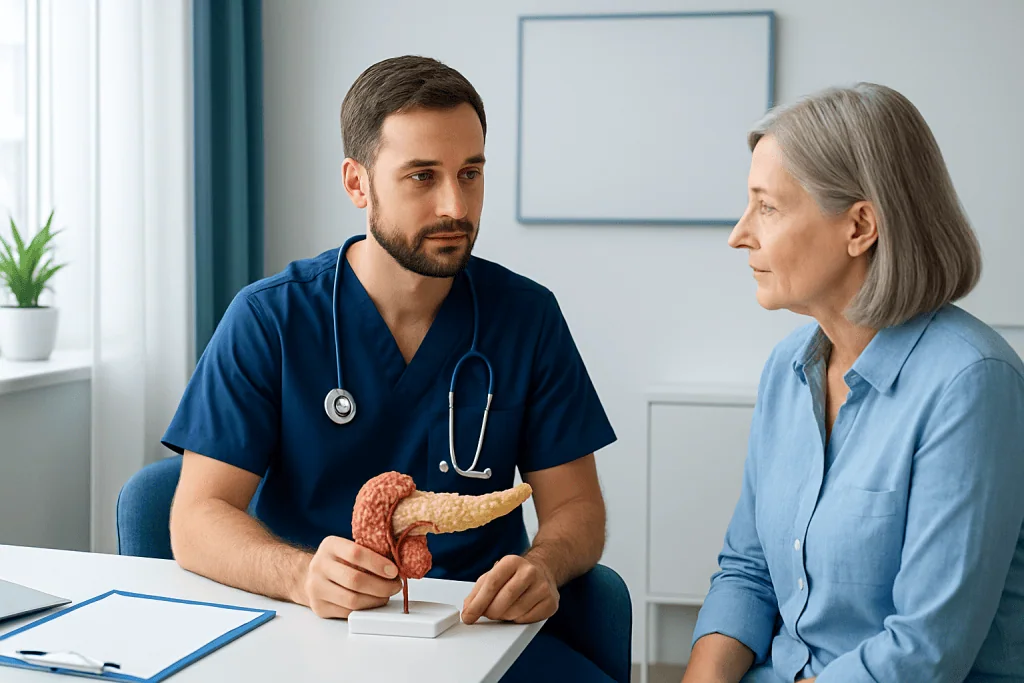
Before surgery, the care team reviews medications, nutrition, smoking status and any need for blood-sugar management. Some people with jaundice from a blocked bile duct need an endoscopic stent before definitive treatment. Patients are also advised about fasting, postoperative pain control, early mobility and expected changes in diet.
During a Whipple procedure, the surgeon removes the head of the pancreas along with the first part of the small intestine, the gallbladder and part of the bile duct. In some cases, a small portion of the stomach is also removed. The digestive tract is then reconstructed so bile, pancreatic enzymes and food can continue to flow into the intestine.
During a distal pancreatectomy, the body and tail of the pancreas are removed. The spleen may need to be removed as well, particularly when it is close to the tumor or involved with surrounding blood vessels. If the spleen is removed, the team discusses vaccinations and long-term infection precautions.
Operations may be performed through a traditional open incision or, for carefully selected tumors and patients, through minimally invasive laparoscopic or robotic techniques. The safest approach depends on the anatomy, tumor features and surgical expertise. Pancreatic cancer treatment may include surgery alongside systemic therapy and supportive care when cancer is diagnosed.
Recovery timeline after pancreatic tumor surgery
Pancreatic tumor surgery recovery begins in the hospital, where the team monitors pain, fluid balance, bowel function, wound healing and signs of complications. The length of stay varies with the operation and individual recovery. Early walking, breathing exercises and gradual nutrition are important parts of care and can reduce the risk of postoperative problems.
Eating is usually reintroduced step by step, beginning with liquids or light foods when the digestive system is ready. Some people need temporary nutritional support. Smaller, more frequent meals may be easier during the first weeks, especially if appetite is reduced or digestion has changed.
At home, fatigue is common and improves gradually. Many people need several weeks before resuming routine daily activities, while return to work, travel, driving and strenuous exercise may take longer. The surgical team gives individualized advice based on wound healing, pain medicines, energy level and the type of work involved.
Follow-up appointments review pathology results, nutrition, bowel habits, blood glucose and any need for additional cancer treatment. The team may recommend pancreatic enzyme replacement if stools become oily, pale, frequent or difficult to flush, which can indicate poor fat digestion. New or worsening thirst, urination or unexplained weight change should also be discussed because pancreatic surgery can affect insulin production.
Benefits, risks and possible long-term effects
For appropriately selected patients, surgery can remove a localized tumor, provide a precise diagnosis and reduce symptoms caused by blockage, bleeding or hormone production. In pancreatic cancer, complete removal offers the main opportunity for long-term disease control when the tumor has not spread and can be safely resected. However, results vary substantially according to tumor type, stage, surgical margins, lymph-node findings and response to any additional treatment.
All major abdominal operations carry risks. These include bleeding, blood clots, pneumonia, urinary infection, wound infection and reactions to anesthesia. Pancreatic procedures have additional risks such as a pancreatic fistula or leak, collection of fluid near the surgical site, delayed emptying of the stomach, bile leak, abscess and need for drainage or further procedures.
Removing pancreatic tissue can reduce the production of digestive enzymes or insulin. Some people develop exocrine pancreatic insufficiency and benefit from enzyme capsules with meals. Others develop diabetes or need changes to existing diabetes treatment. These issues can often be managed with follow-up from surgery, endocrinology and nutrition specialists.
The final pathology report is central to planning next steps. It identifies the tumor type, grade, margins and lymph-node status, which helps the oncology team discuss monitoring, chemotherapy or other treatments. Pancreatic cancer is one possible diagnosis, but pancreatic masses can also be benign, cystic or neuroendocrine in origin.
Preparing for recovery and supporting long-term health
Good preparation can support a smoother recovery. Patients are encouraged to ask about nutrition before surgery, expected activity restrictions, help needed at home and the warning signs that should prompt a call to the surgical team. If possible, stopping smoking and limiting alcohol before surgery can support wound healing, lung function and overall recovery.
After discharge, a balanced diet with enough protein and fluids supports healing. A dietitian can help adapt meals to nausea, early fullness, diarrhea, weight loss or enzyme needs. There is no single “pancreas diet”; the most helpful plan is individualized and adjusted as appetite and digestion recover.
Follow-up care may include surveillance imaging, laboratory testing and consultations with oncology or endocrinology. People who have had their spleen removed should follow the vaccine and infection-prevention plan provided by their medical team. It is also important to attend follow-up even when recovery feels uncomplicated, as treatment plans may change after the pathology review.
Acibadem International’s multidisciplinary specialists and JCI-accredited hospitals evaluate and treat pancreatic conditions for international patients, coordinating surgical, oncology, gastroenterology, pathology, imaging and nutrition care when appropriate.
When to seek medical care
Anyone with a newly identified pancreatic mass should arrange timely assessment with a qualified doctor, even if there are no symptoms. A specialist review is particularly important for persistent upper abdominal or back pain, unexplained weight loss, jaundice, dark urine, pale stools, itching, loss of appetite, new diabetes in adulthood, or recurrent pancreatitis.
After surgery, the surgical team should be contacted promptly for fever, worsening abdominal pain, persistent vomiting, increasing redness or drainage from the wound, shortness of breath, chest pain, leg swelling, jaundice, inability to keep fluids down, or rapidly worsening weakness. These symptoms do not always indicate a serious complication, but they need medical assessment.
Emergency care is appropriate for severe chest pain, major breathing difficulty, fainting, uncontrolled bleeding, confusion, or sudden severe abdominal pain. Patients should follow the discharge instructions provided by their own surgical team, as they are tailored to the operation and medical history.
Frequently asked questions
What surgery is used to remove a tumor in the pancreas?
The operation depends mainly on where the tumor is located. A Whipple procedure is commonly used for tumors in the pancreatic head, while a distal pancreatectomy is used for tumors in the body or tail. Some small, selected tumors may be removed with a pancreas-preserving approach.
How long does pancreatic tumor surgery recovery take?
Recovery varies according to the operation, overall health and whether complications occur. Hospital recovery is followed by several weeks of gradually increasing activity at home, while full recovery can take longer. Follow-up is important because nutrition, digestion and blood glucose may need ongoing adjustment.
Can a pancreatic tumor be removed with minimally invasive surgery?
Some tumors can be treated through laparoscopic or robotic surgery, particularly in carefully selected distal pancreas procedures. However, open surgery remains the safest option for many complex tumors. The surgical approach should be chosen based on tumor anatomy and the experience of the specialist team.
Will a person need chemotherapy after pancreatic surgery?
Not everyone will need chemotherapy, but it is often considered for pancreatic cancer after surgery or before surgery in certain cases. The recommendation depends on the final pathology report, imaging findings, tumor stage and the person’s fitness for treatment. An oncology team can explain the potential role and timing of treatment.
Can pancreatic surgery cause diabetes?
Yes. Removing part of the pancreas can reduce insulin production and may lead to diabetes or make existing diabetes more difficult to manage. Blood glucose is checked during recovery and follow-up, and treatment can be arranged if needed.
What are signs of poor digestion after pancreas removal?
Oily, floating, pale or unusually frequent stools, bloating, weight loss and difficulty maintaining nutrition can suggest reduced pancreatic enzyme production. These symptoms should be discussed with the care team. Pancreatic enzyme replacement and dietary guidance may improve digestion and nutrient absorption.
References
- National Cancer Institute
- American Cancer Society
- National Institute of Diabetes and Digestive and Kidney Diseases
- Pancreatic Cancer Action Network
- European Society for Medical Oncology
This article is for general information only and is not a substitute for professional medical advice. Please consult a qualified doctor about your individual situation.
Oncology care in Turkey — second opinion and treatment plan
JCI-accredited · board-certified surgeons · reply within 24h
Add us as a Preferred Source to see more of our trusted health content across Google Search, AI Overviews and Discover.