Turkey teeth Before & After: What Realistic Results Look Like
“Turkey teeth” is an informal term and may refer to veneers, crowns, whitening, bonding, orthodontics or a combination of treatments. Realistic before-and-after changes improve harmony in color, shape, spacing and alignment while retaining an individual, natural appearance.
Key Takeaways
- “Turkey teeth” is an informal term and may refer to veneers, crowns, whitening, bonding, orthodontics or a combination of treatments.
- Realistic before-and-after changes improve harmony in color, shape, spacing and alignment while retaining an individual, natural appearance.
- Veneers and crowns are different treatments: crowns generally require more tooth preparation and are used when a tooth needs fuller coverage.
- Healthy gums, controlled decay and a stable bite are important before cosmetic dental work begins.
- Good daily cleaning, dental reviews and protection from grinding help cosmetic restorations last longer.
Turkey teeth before and after results may include a brighter, more even and better-balanced smile, but a natural-looking outcome depends on the starting condition of the teeth, gums and bite. Cosmetic dental treatment should preserve healthy tooth structure where possible and be planned around long-term oral health, not photographs alone.
Turkey Teeth Before and After: What Changes Are Realistic?
Turkey teeth before and after photographs commonly show teeth that look whiter, more even in length, smoother at the edges and better aligned within the smile. These changes can be achieved with different dental treatments, including whitening, composite bonding, porcelain veneers, crowns and orthodontic care. The most suitable option depends on the person’s natural tooth structure, gum health, bite and cosmetic goals.
The phrase “Turkey teeth” is informal and does not describe one specific procedure or clinical standard. For some people it refers to a full smile makeover involving veneers or crowns; for others, it may simply mean cosmetic dentistry received while travelling. A responsible plan begins with an examination rather than choosing a treatment based only on a particular celebrity smile or online image.
Realistic results usually look balanced rather than identical. Teeth naturally vary slightly in shape and shade, and a successful result should complement the person’s face, lip line, speech and bite. The goal is not necessarily the brightest possible white or the largest possible teeth, but a smile that appears healthy, functional and appropriate for the individual.
How Smile Makeover Treatments Work
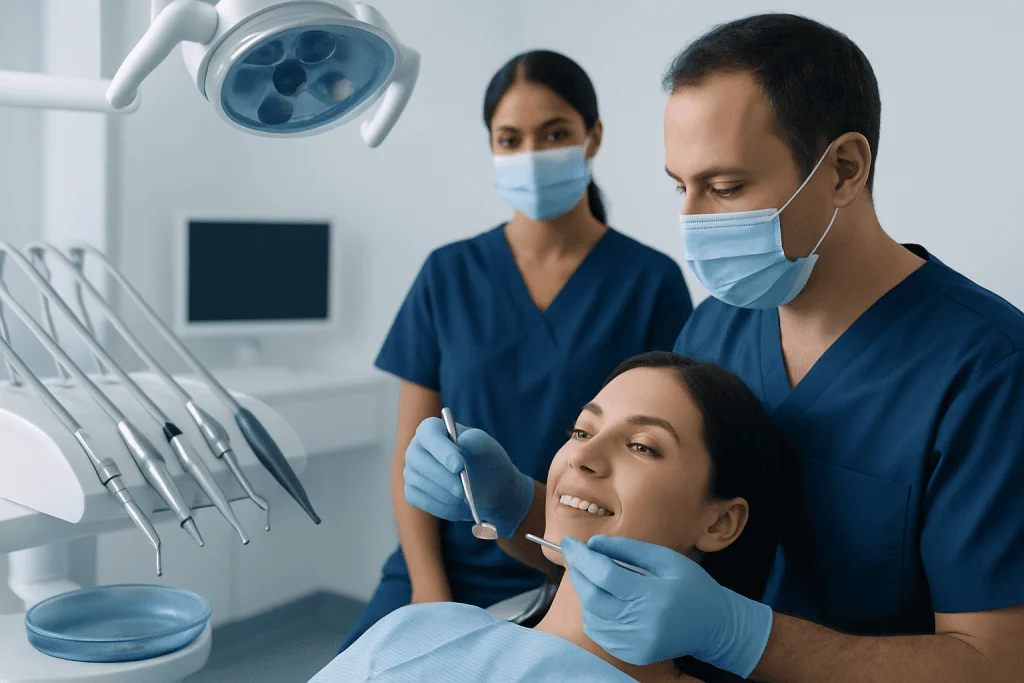
Cosmetic dental treatment can alter the visible surfaces of teeth in several ways. Whitening lightens natural enamel and may be appropriate when tooth shape and alignment are already satisfactory. Composite bonding uses tooth-coloured resin to repair small chips, close minor gaps or refine contours. Orthodontic treatment gradually moves teeth and may reduce the need for restorative work in selected cases.
Veneers are thin custom-made coverings placed on the front surfaces of teeth. They can change color, shape and minor spacing concerns, and they may require limited enamel preparation depending on the material and design. Crowns cover the entire visible part of a tooth and may be recommended when a tooth is extensively decayed, heavily filled, fractured, root-treated or otherwise structurally weakened.
Patients considering a major cosmetic change can learn more about Hollywood Smile treatment options as part of a consultation-led plan. A dentist should explain why a particular restoration is recommended, how much tooth preparation may be needed and whether more conservative alternatives could meet the same goals.
Who May Be a Good Candidate?

A suitable candidate for cosmetic dental treatment has a clear understanding of the planned changes and has had underlying dental concerns assessed. Teeth and gums should be examined for cavities, gum inflammation, gum disease, cracks, failing restorations and signs of infection. Cosmetic work is generally planned after active disease has been treated or stabilized.
People with worn, chipped, discolored, uneven or mildly spaced teeth may benefit from one or more cosmetic approaches. However, not every concern requires crowns or veneers. A person with healthy enamel and minor imperfections may be better suited to whitening, bonding, enamel reshaping or orthodontics, depending on clinical findings.
Teeth grinding or clenching, an unstable bite, untreated gum disease and poor oral hygiene can affect the safety and longevity of restorations. These issues do not always rule out treatment, but they may need management first. Patients who grind their teeth may need a custom protective night guard after treatment.
A consultation should also include discussion of expectations. Digital smile planning, diagnostic wax-ups or temporary mock-ups can help a person visualize possible changes, but they are planning tools rather than a guarantee that the final smile will look exactly the same in every setting or photograph.
Step by Step: From Assessment to Final Teeth
The process usually starts with a dental and medical history, clinical examination and photographs. X-rays or digital scans may be needed to assess roots, bone levels, existing fillings and the condition of teeth below the gum line. The dentist will discuss the patient’s priorities, such as a natural shade, reduced gaps, repaired chips or a more symmetrical smile.
Next, the dentist develops a treatment plan. This may involve preliminary care such as professional cleaning, periodontal treatment, filling replacement, root canal treatment, orthodontics or whitening. If veneers or crowns are selected, the dentist records the tooth shade, shape and bite relationship, often using digital scans or impressions.
For teeth needing preparation, a small amount of enamel or tooth material may be shaped to create room for the restoration. The amount varies greatly by treatment and tooth condition. Temporary restorations may be fitted while the final veneers or crowns are made, allowing the dentist and patient to review comfort, appearance and bite.
At the final visit, the dentist checks the fit, color, shape and bite before bonding veneers or cementing crowns. Small adjustments may be needed. The patient should receive clear aftercare guidance and understand that future maintenance, repair or replacement can be necessary over time.
Before-and-After Expectations: Natural Results and Common Adjustments
Before-and-after examples can be helpful for understanding the types of change cosmetic dentistry can make, but they should be interpreted carefully. Lighting, camera angles, lip position and image editing can make a smile appear different. The most useful examples show a similar starting situation and include an explanation of the treatment performed, rather than presenting one result as suitable for everyone.
For example, a person with yellowing but otherwise healthy, well-shaped teeth may see a significant improvement with whitening and modest bonding rather than multiple crowns. A person with worn front teeth, old large fillings and fractures may need more comprehensive restorative care. Another person with crowding may benefit from orthodontics before any cosmetic restoration is considered.
Some early changes are normal. Gums can be mildly tender after cleaning or preparation, and the bite may feel unfamiliar for a short time. If a restoration feels high, causes persistent pressure or affects chewing, the dentist should review it promptly. Final appearance may also be influenced by natural gum contours and the color of neighboring teeth.
Patients should be cautious about plans that promise perfectly identical teeth, extreme whitening for every individual or a full set of crowns without a clear clinical reason. High-quality cosmetic dentistry respects function, gum health and natural facial proportions as well as appearance.
Recovery, Benefits and Possible Risks
Recovery after non-invasive treatments such as whitening or minor bonding is usually brief. Following veneer or crown preparation, temporary sensitivity to cold, heat or pressure can occur, especially if teeth were already sensitive. Most people can return to normal activities promptly, although they may be advised to avoid very hard or sticky foods while temporary restorations are in place.
The potential benefits include improved smile confidence, correction of visible chips or uneven edges, more consistent tooth color and better visual balance. Restorations can also help protect damaged tooth surfaces when they are clinically indicated. Cosmetic benefits should always be considered alongside the long-term needs of the teeth and gums.
Potential risks vary by procedure. Tooth preparation is irreversible, and restorations may eventually need repair or replacement. Veneers can chip or detach, crowns can fracture or develop problems at their margins, and teeth may become sensitive or require further treatment if the nerve is affected. Gum irritation, bite discomfort and an unnatural-looking color or shape can occur if planning or fit is inadequate.
Good communication reduces avoidable disappointment. Before proceeding, patients should ask what is reversible, what alternatives exist, how the bite will be checked, what maintenance is expected and what follow-up care will be available. Treatment decisions should be made with a qualified dentist after an in-person assessment.
Long-Term Care and Protecting the Result
Veneers, crowns and bonding require the same basic daily care as natural teeth: brushing twice daily with fluoride toothpaste, cleaning between teeth each day and attending regular dental check-ups. Gum health remains essential because decay and gum disease can develop around the edges of restorations.
Patients should avoid using teeth as tools to open packaging or bite hard objects. Hard foods, ice and habits such as nail biting may increase the chance of chipping. People who clench or grind their teeth should discuss a night guard, particularly after ceramic restorations are fitted.
Dark drinks, tobacco and strongly colored foods can stain natural teeth and composite materials over time. Porcelain is generally more stain-resistant, but the surrounding natural teeth may still change color. Regular hygiene appointments and professional advice can help preserve a consistent appearance.
For patients travelling for care, it is helpful to arrange an appropriate follow-up plan with a dentist at home and retain copies of treatment records. Acibadem International’s multidisciplinary specialists and JCI-accredited hospitals assess and treat dental concerns for international patients, with treatment planning guided by clinical needs.
When to Seek Medical Care
A person should arrange a dental appointment before cosmetic treatment if they have toothache, bleeding gums, swelling, loose teeth, bad breath that does not improve, sensitivity that persists or difficulty chewing. These symptoms can indicate conditions that need treatment before any aesthetic procedure is considered.
Urgent dental or medical assessment is important for facial swelling, fever with dental pain, difficulty swallowing, difficulty breathing, uncontrolled bleeding or a dental injury involving a knocked-out or severely broken tooth. These symptoms may require prompt care and should not be managed by waiting for a cosmetic consultation.
After veneers, crowns or bonding, patients should contact their dentist if a restoration breaks, becomes loose, repeatedly feels too high when biting, causes increasing pain or is associated with gum swelling. Early assessment can help protect the tooth and surrounding tissues.
Frequently asked questions
What does “Turkey teeth” mean?
“Turkey teeth” is a non-medical phrase often used online to describe cosmetic dental treatment received in Turkey, especially veneers or crowns. It does not identify a single procedure, material or standard of care. The right treatment should be based on an individual dental examination.
Do before-and-after results look the same for everyone?
No. Results depend on natural tooth color, enamel condition, gum shape, bite, facial features and the treatment selected. A good cosmetic plan aims for a balanced, functional and natural-looking improvement rather than copying another person’s smile.
Are veneers better than crowns for a smile makeover?
Neither is automatically better. Veneers are generally used to cover the front surface of a tooth, while crowns cover the whole tooth and may be appropriate when there is substantial damage or weakness. A dentist can recommend the most conservative option that also protects tooth health.
How long does recovery take after veneers or crowns?
Most people resume normal daily activities quickly. Mild sensitivity or gum tenderness may occur after preparation and usually settles, but persistent or worsening pain should be checked by a dentist. Temporary restorations require extra care until final restorations are fitted.
Can cosmetic dental work be reversed?
Whitening and some bonding procedures may be partly reversible or adjustable, depending on the treatment. However, preparing teeth for veneers or crowns usually involves permanent removal of some tooth material. This should be discussed clearly before treatment starts.
How can a person make veneers or crowns last longer?
Daily brushing with fluoride toothpaste, cleaning between teeth, regular dental reviews and avoiding damaging habits are important. A night guard may be recommended for people who clench or grind their teeth. Restorations can still need maintenance, repair or replacement over time.
References
- American Dental Association
- FDI World Dental Federation
- National Institute of Dental and Craniofacial Research
- NHS
This article is for general information only and is not a substitute for professional medical advice. Please consult a qualified doctor about your individual situation.
Explore treatments in Turkey — costs, top hospitals & a free quote
JCI-accredited · board-certified surgeons · reply within 24h
Add us as a Preferred Source to see more of our trusted health content across Google Search, AI Overviews and Discover.