Type 2 Diabetes: Symptoms, Blood Sugar Tests, and Long-Term Control

Type 2 diabetes may develop gradually, and some people have few or no symptoms at first. Common blood sugar tests include fasting plasma glucose, HbA1c, random glucose, and an oral glucose tolerance test.
Key Takeaways
- Type 2 diabetes may develop gradually, and some people have few or no symptoms at first.
- Common blood sugar tests include fasting plasma glucose, HbA1c, random glucose, and an oral glucose tolerance test.
- Treatment usually combines nutrition, physical activity, weight management, blood glucose monitoring, and sometimes medication or insulin.
- Long-term control focuses on protecting the heart, kidneys, eyes, nerves, and feet, not only lowering glucose numbers.
- Regular follow-up with a qualified healthcare team helps adjust care safely as needs change over time.
Type 2 diabetes is a common long-term condition in which the body has difficulty using insulin effectively, leading to high blood sugar. With early diagnosis, regular monitoring, healthy habits, and appropriate medical treatment, many people can control blood glucose and reduce the risk of complications.
Overview
Type 2 diabetes is a chronic metabolic condition in which blood glucose, commonly called blood sugar, remains higher than normal. Glucose is an important source of energy for the body, but it needs the hormone insulin to move from the bloodstream into cells. In type 2 diabetes, the body either does not respond well to insulin, a problem known as insulin resistance, or does not make enough insulin to keep glucose within a healthy range.
The condition often develops slowly over years. Many people are diagnosed during routine blood tests, before they notice clear symptoms. This is why screening is important for adults with risk factors such as excess weight, family history, previous gestational diabetes, or high blood pressure.
Type 2 diabetes is manageable. Long-term care is not based on one single step, but on a combination of healthy eating patterns, regular movement, appropriate medication when needed, routine check-ups, and attention to cardiovascular health. The goal is to help the person feel well day to day while lowering the risk of future complications.
Symptoms of Type 2 Diabetes
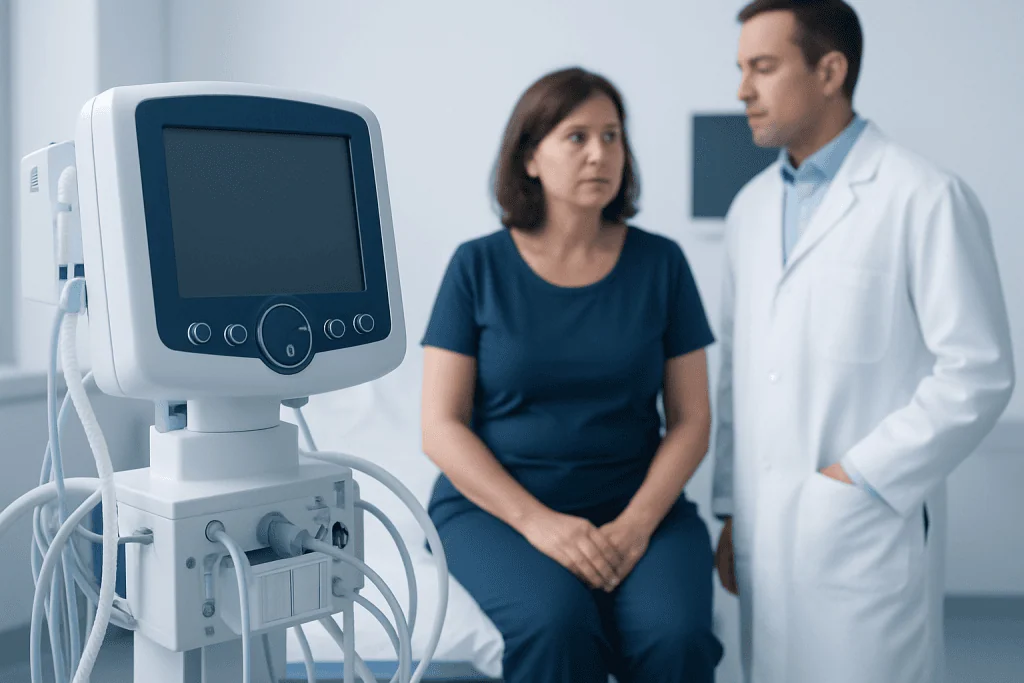
Type 2 diabetes symptoms may be mild, intermittent, or easy to mistake for everyday tiredness. High blood sugar can cause the kidneys to pass more fluid, which may lead to increased urination and thirst. Some people also notice fatigue because glucose is not being used efficiently by the body’s cells.
Possible symptoms include:
- Frequent urination, especially at night
- Unusual thirst or dry mouth
- Increased hunger
- Unexplained weight loss in some people
- Blurred vision
- Slow-healing cuts or frequent infections
- Tingling, burning, or numbness in the hands or feet
- Feeling tired or low in energy
Not everyone experiences all of these symptoms. In some people, the first signs are related to complications, such as changes in vision, recurrent skin or urinary infections, or foot discomfort. Anyone with possible symptoms or risk factors should speak with a healthcare professional and have blood sugar testing rather than trying to diagnose the condition at home.
Causes and Risk Factors

Type 2 diabetes develops through a combination of genetic, metabolic, and lifestyle factors. Insulin resistance is central to the condition. When muscles, fat, and liver cells do not respond normally to insulin, the pancreas initially makes more insulin to compensate. Over time, the pancreas may not keep up, and blood glucose rises.
Risk factors include a family history of type 2 diabetes, being overweight or having obesity, physical inactivity, older age, high blood pressure, abnormal cholesterol levels, and a history of heart disease. Women who had gestational diabetes during pregnancy or delivered a baby with high birth weight have a higher future risk. Polycystic ovary syndrome is also associated with insulin resistance.
Risk is not the same as blame. Many influences, including genetics, hormones, sleep, medications, stress, and social factors, can affect body weight and blood sugar. A supportive, individualized care plan is more helpful than strict or judgmental advice. Even modest changes in activity, food choices, and weight can improve insulin sensitivity for many people.
Blood Sugar Tests and Diagnosis
Diagnosis is made with laboratory blood tests. A doctor may order testing if a person has symptoms, risk factors, or an abnormal result on routine screening. Because blood glucose can vary from day to day, some results may need to be repeated to confirm the diagnosis unless symptoms and glucose levels are clearly high.
Common blood sugar tests include fasting plasma glucose, which measures blood sugar after not eating for several hours; HbA1c, which reflects average blood sugar over roughly the previous two to three months; random plasma glucose, which can be measured at any time; and the oral glucose tolerance test, which checks how the body handles a measured glucose drink. HbA1c is convenient because it does not always require fasting, but it may be less accurate in certain conditions, such as some blood disorders, pregnancy, or recent blood loss.
Testing may also identify prediabetes, a state in which blood sugar is above normal but not yet in the diabetes range. Prediabetes is important because it signals increased risk, but it also provides an opportunity for prevention or delay through lifestyle changes and medical follow-up. A clinician will interpret results together with the person’s health history and overall risk profile.
Treatment Options and Long-Term Blood Sugar Control
Treatment for type 2 diabetes is personalized. The plan depends on blood glucose levels, age, other medical conditions, kidney and heart health, body weight, personal preferences, and risk of low blood sugar. For many people, the first steps include nutrition changes, regular physical activity, and education about monitoring blood glucose. Medication may be recommended at diagnosis or added later if lifestyle measures alone are not enough.
Several medication groups can help lower blood sugar in different ways, such as improving insulin sensitivity, increasing insulin release, reducing glucose production by the liver, helping the kidneys remove excess glucose, or slowing digestion. Some medicines may also be chosen because of benefits for heart or kidney health in suitable patients. Insulin may be needed for some people, especially if blood glucose is very high, if symptoms are significant, during illness or surgery, or when other treatments do not achieve safe control.
Long-term control usually includes targets for HbA1c, fasting glucose, blood pressure, cholesterol, and weight, but targets should be individualized by a doctor. Very tight glucose control is not appropriate for everyone, particularly if it increases the risk of low blood sugar. Follow-up visits help adjust treatment safely, review side effects, and support daily self-management.
Prevention, Self-Care, and Reducing Complications
Self-care is a major part of diabetes management, but it should be realistic and sustainable. A balanced eating pattern often emphasizes vegetables, legumes, whole grains, lean proteins, healthy fats, and appropriate portions of carbohydrate-containing foods. People do not usually need a special diabetic diet; rather, they benefit from consistent, nutritious choices that fit culture, budget, and personal preferences.
Regular physical activity helps the body use insulin more effectively. A combination of aerobic activity, such as brisk walking or cycling, and resistance exercise, such as weights or body-weight training, can be beneficial. People who have been inactive, have heart disease, or have diabetes complications should ask a healthcare professional how to start safely.
Preventive care is also essential. Routine eye exams, kidney function tests, foot checks, dental care, vaccinations when appropriate, and management of blood pressure and cholesterol help reduce the risk of complications. Foot care is especially important: checking the feet daily, wearing well-fitting shoes, and reporting wounds, swelling, or numbness early can prevent small problems from becoming more serious.
When to See a Doctor
A person should arrange a medical appointment if they have symptoms such as frequent urination, excessive thirst, unexplained fatigue, blurred vision, slow-healing wounds, or tingling in the feet. People with risk factors should also ask about screening, even if they feel well. Early diagnosis allows treatment to begin before complications develop.
Someone already diagnosed with type 2 diabetes should seek medical advice if home glucose readings are repeatedly higher or lower than the target range set by their clinician, if medication causes side effects, or if illness makes eating and drinking difficult. Urgent medical care is needed for severe dehydration, confusion, chest pain, trouble breathing, persistent vomiting, or signs of a serious foot infection.
Diabetes care often works best with a team approach that may include an endocrinologist, primary care physician, diabetes educator, dietitian, eye specialist, kidney specialist, cardiologist, and podiatry support. Acibadem International’s multidisciplinary specialists and JCI-accredited hospitals diagnose and treat type 2 diabetes for international patients, with care plans tailored to each person’s medical needs.
Frequently asked questions
Can type 2 diabetes be reversed?
Some people can achieve remission, meaning blood sugar stays below the diabetes range without glucose-lowering medication for a period of time. This is more likely with significant, sustained weight loss and early intensive lifestyle changes, but it is not guaranteed. Even in remission, regular monitoring remains important because blood sugar can rise again.
What is the difference between type 1 and type 2 diabetes?
Type 1 diabetes is usually caused by an autoimmune process that destroys insulin-producing cells, so insulin treatment is required. Type 2 diabetes is mainly linked to insulin resistance and a gradual decline in insulin production. Both conditions cause high blood sugar, but their causes and treatment approaches differ.
How often should blood sugar be checked?
The frequency depends on the treatment plan, glucose stability, and whether medications that can cause low blood sugar are used. Some people check occasionally, while others need daily testing or continuous glucose monitoring. A doctor or diabetes educator can recommend a schedule that fits the individual situation.
Does everyone with type 2 diabetes need insulin?
No. Many people manage type 2 diabetes with lifestyle changes and non-insulin medications. Insulin may be recommended if blood glucose is very high, during certain illnesses, pregnancy, or when other treatments are not enough. Needing insulin is not a failure; it is one of several tools for safe glucose control.
What foods should people with type 2 diabetes avoid?
Most people do not need to completely avoid specific foods, but sugary drinks, large portions of refined carbohydrates, and highly processed snacks can make blood sugar harder to control. A balanced pattern with fiber-rich carbohydrates, protein, healthy fats, and portion awareness is usually more sustainable. Individual advice from a dietitian can be very helpful.
Why is HbA1c important?
HbA1c estimates average blood sugar over the past two to three months and helps assess long-term control. It is useful for diagnosis and follow-up, but it does not show day-to-day highs and lows. Doctors interpret HbA1c together with home readings, symptoms, medications, and overall health.
References
- American Diabetes Association
- World Health Organization
- International Diabetes Federation
- National Institute of Diabetes and Digestive and Kidney Diseases
- National Institute for Health and Care Excellence
This article is for general information only and is not a substitute for professional medical advice. Please consult a qualified doctor about your individual situation.
Type 2 Diabetes in Turkey — costs, top hospitals & a free quote
JCI-accredited · board-certified surgeons · reply within 24h
Add us as a Preferred Source to see more of our trusted health content across Google Search, AI Overviews and Discover.
Check your numbers in seconds
BMI, calories, due date, blood pressure and 30+ more clinical calculators — free, instant, doctor-reviewed ranges.

Check-up & Preventive Medicine
Comprehensive health screenings designed for early detection and prevention.
3 specialists in this unitMore from the Health Library



Related Specialists

Dr. Mustafa Bozkurt
Medical Oncology
Assoc. Prof. Dr. İlker Özgür Koska
Radiology
Prof. Dr. Emine Nur Tozan
Treatment of Pain Algology
Prof. Dr. Hale Göksever Çelik
Gynecology & Obstetrics