Ujjayi Breathing: What Patients Need to Know

Ujjayi breathing involves slow nasal breathing with a gentle narrowing at the back of the throat, creating a soft ocean-like sound. Many people use ujjayi breathing to support relaxation, concentration, and steady movement during yoga or quiet breathing practice.
Key Takeaways
- Ujjayi breathing involves slow nasal breathing with a gentle narrowing at the back of the throat, creating a soft ocean-like sound.
- Many people use ujjayi breathing to support relaxation, concentration, and steady movement during yoga or quiet breathing practice.
- It should feel controlled and comfortable, not forced, noisy, or breathless.
- People with asthma, COPD, heart disease, panic symptoms, dizziness, or recent surgery should ask a clinician before starting new breathing practices.
- Ujjayi breathing is a wellness technique, not a treatment for chest pain, severe shortness of breath, or other urgent symptoms.
Ujjayi breathing is a slow, controlled breathing technique often used in yoga. When practiced gently, it may help some people feel calmer, more focused, and more aware of their breathing, but it is not a substitute for medical care for breathing, heart, or anxiety-related conditions.
What ujjayi breathing is
Ujjayi breathing is a controlled breathing method commonly practiced in yoga. It usually involves inhaling and exhaling through the nose while gently narrowing the throat to create a soft, steady sound. Many people describe this sound as similar to ocean waves or a quiet whisper.
In simple terms, ujjayi breathing helps slow the breath and make it more intentional. The goal is not to take the biggest possible breath, but to create a smooth, even rhythm that feels comfortable. It is often practiced during yoga movement, meditation, or seated relaxation.
Although it is widely used in wellness settings, ujjayi breathing is not a medical treatment by itself. It may support relaxation and body awareness, but it should not replace evaluation for symptoms such as wheezing, chest tightness, fainting, or persistent shortness of breath. People with known lung conditions such as asthma may need individualized advice before trying breathing techniques.
How it is done safely
A basic way to try ujjayi breathing is to sit upright or lie comfortably and breathe in through the nose. During the exhale, the throat is slightly narrowed, as if gently fogging a mirror with the mouth closed. Over time, the same soft throat control can be used during both inhalation and exhalation.
The breath should stay quiet, smooth, and unforced. The neck, jaw, and shoulders should remain relaxed. If the person feels air hunger, throat strain, coughing, lightheadedness, or anxiety, the practice should be stopped and normal breathing resumed.
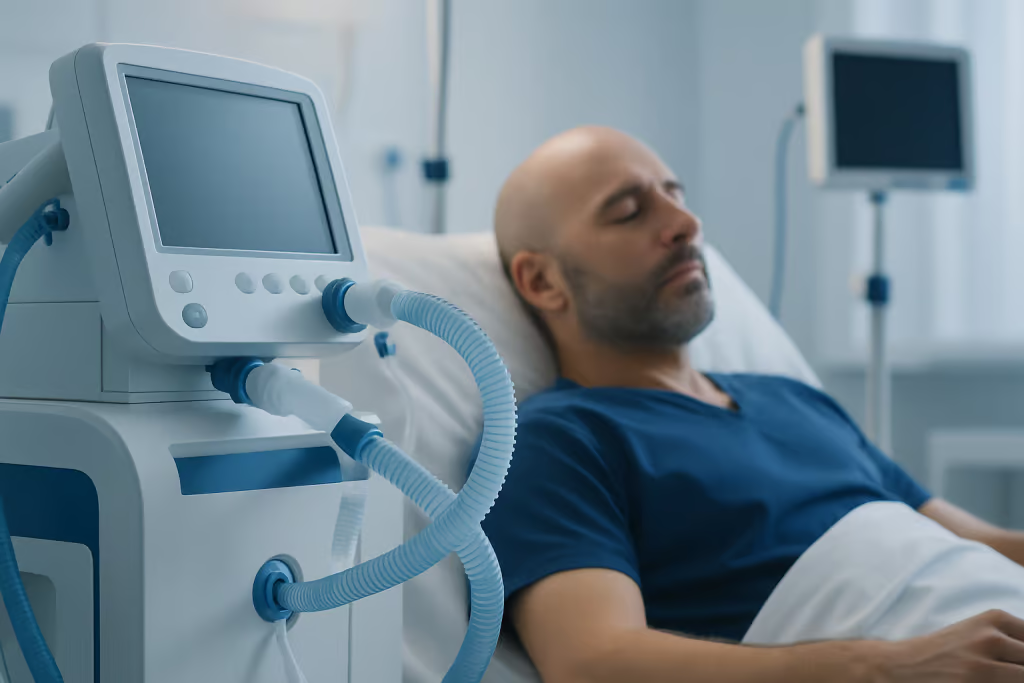
For beginners, a short practice of a few minutes is usually more appropriate than a long session. Some people find it easiest to learn under the guidance of an experienced yoga therapist, respiratory physiotherapist, or clinician familiar with safe breathing retraining. In some cases, structured support such as respiratory therapy may be more suitable than self-directed breathing exercises.
- Choose a comfortable position.
- Breathe through the nose if possible.
- Keep the sound gentle rather than harsh.
- Stop if symptoms become uncomfortable.
Possible benefits and what the evidence suggests

People often use ujjayi breathing to support calmness, concentration, and a sense of steady rhythm. Slow breathing in general may help activate relaxation responses in the body, which can make some people feel less tense. During yoga, ujjayi breathing may also help pace movement and improve awareness of posture and effort.
Research on breathing practices suggests that slow, controlled breathing may influence stress perception, heart rate patterns, and attention in some individuals. However, the effects vary from person to person, and study quality is mixed. It is best viewed as a supportive self-care practice rather than a proven treatment for any specific disease.
Some people also notice that slowing the breath helps them recognize habits such as mouth breathing, breath holding, or upper-chest tension. This increased awareness can be helpful in a broader plan for lifestyle wellness, especially when combined with sleep, activity, and stress management. If symptoms such as snoring, daytime sleepiness, or nighttime breathing pauses are present, medical evaluation is still important because conditions such as sleep apnea need proper diagnosis and treatment.
Who should be cautious with ujjayi breathing
Ujjayi breathing is not appropriate in every situation. People with active asthma symptoms, chronic obstructive pulmonary disease, severe nasal blockage, recent chest or abdominal surgery, uncontrolled high blood pressure, significant heart rhythm problems, or frequent dizziness should seek professional advice before starting. A technique that is gentle for one person may feel difficult or irritating for another.
It may also be unhelpful during panic episodes if focusing on the breath increases distress. Some individuals with anxiety become more aware of bodily sensations and may feel worse when trying to control breathing too strictly. In that setting, a clinician or mental health professional can help identify a safer approach.
Children, older adults with frailty, and people recovering from illness may need modifications. Anyone who develops chest pain, bluish lips, fainting, severe shortness of breath, or worsening wheezing should stop immediately and seek prompt medical care. Breathing exercises should support normal breathing, not create strain.
How clinicians evaluate breathing concerns
If a person wants to use ujjayi breathing because of symptoms such as breathlessness, chest tightness, poor exercise tolerance, or frequent sighing, a medical assessment may be needed first. Clinicians usually begin with a history of symptoms, current medications, smoking exposure, allergies, stress factors, and exercise habits. They also ask whether symptoms happen at rest, during activity, at night, or during infections.
The evaluation may include a physical examination, pulse oximetry, lung function testing, or imaging, depending on the concern. Some people need assessment for asthma, vocal cord dysfunction, heart disease, or deconditioning rather than simply learning a breathing exercise. When appropriate, doctors may recommend tests through a medical check-up to look for the underlying cause of symptoms.
This distinction matters because normal breathwork is different from treatment for medical disorders. For example, someone with persistent cough or wheeze may need targeted care from specialists in pulmonology rather than relying on wellness techniques alone. A breathing practice can sometimes be part of recovery, but it should fit the person’s diagnosis and overall care plan.
How to include it in a healthy routine
For most healthy adults, ujjayi breathing is best approached as a gentle wellness practice. A person might start with one to three minutes in a quiet setting, once or twice a day, and stop before any discomfort develops. It can also be paired with stretching, meditation, or a calm walk, depending on what feels sustainable.
Good general breathing habits can matter as much as the technique itself. These include relaxed posture, avoiding smoking and vaping, staying active within one’s ability, treating nasal congestion when needed, and sleeping well. People who notice that they frequently breathe through the mouth may benefit from discussing nasal blockage, allergies, or sleep problems with a doctor.
Hydration, stress management, and gradual activity progression can also support breathing comfort. It is reasonable to adjust or skip practice on days with respiratory infections, severe fatigue, or symptom flares. If there is uncertainty about proper technique, supervised instruction is safer than forcing the breath based on online demonstrations alone.
When to seek medical care
Medical care is recommended if breathing symptoms are new, worsening, or interfering with daily life. This includes shortness of breath with minimal activity, ongoing wheezing, frequent chest tightness, cough that does not improve, unexplained fatigue, or interrupted sleep due to breathing problems. These symptoms may have causes that need diagnosis and treatment.
Urgent care is needed for chest pain, severe breathlessness, fainting, confusion, blue or gray lips, or symptoms that come on suddenly. Breathing exercises should not be used to delay emergency evaluation. If a clinician has already prescribed inhalers, oxygen, or other treatment, those directions should take priority over self-guided breathwork.
For people seeking coordinated evaluation, Acibadem International’s multidisciplinary specialists in JCI-accredited hospitals diagnose and treat breathing and related health concerns for international patients. A clinician can help determine whether ujjayi breathing is a reasonable supportive practice or whether a different approach is needed first.
Frequently asked questions
Is ujjayi breathing good for everyone?
Not necessarily. Many healthy adults can practice it gently, but people with lung disease, severe nasal congestion, heart problems, dizziness, or panic symptoms should ask a clinician first. The technique should always feel comfortable rather than forced.
What does ujjayi breathing sound like?
It usually creates a soft, steady sound from gentle throat narrowing during nasal breathing. Many people compare it to quiet ocean waves. The sound should be subtle, not harsh or strained.
Can ujjayi breathing treat anxiety or stress?
It may help some people feel calmer because slow, controlled breathing can support relaxation. However, it is not a substitute for mental health care when anxiety is severe, persistent, or causing panic attacks. A healthcare professional can recommend the most appropriate support.
Can ujjayi breathing help asthma?
Some people with asthma use breathing exercises as part of a broader self-management plan, but ujjayi breathing does not replace prescribed asthma treatment. If it triggers coughing, wheezing, or chest tightness, it should be stopped. Anyone with asthma should discuss new breathing techniques with their doctor.
How long should a beginner practice ujjayi breathing?
A short session is usually best at first, often just a few minutes. The focus should be on ease and consistency rather than duration. If discomfort appears, normal relaxed breathing should be resumed.
Can ujjayi breathing cause dizziness?
Yes, it can if the breath is forced, too deep, too fast, or held unnaturally. Dizziness is a sign to stop and return to normal breathing. If dizziness happens repeatedly, medical advice is important.
References
- World Health Organization
- National Center for Complementary and Integrative Health
- American Lung Association
- National Heart, Lung, and Blood Institute
- American Thoracic Society
This article is for general information only and is not a substitute for professional medical advice. Please consult a qualified doctor about your individual situation.
Explore treatments in Turkey — costs, top hospitals & a free quote
JCI-accredited · board-certified surgeons · reply within 24h
Add us as a Preferred Source to see more of our trusted health content across Google Search, AI Overviews and Discover.
Check your numbers in seconds
BMI, calories, due date, blood pressure and 30+ more clinical calculators — free, instant, doctor-reviewed ranges.