Ulcerative Colitis: Diagnosis, Outlook, and Modern Treatment Approaches

Ulcerative colitis is a chronic condition that affects the large intestine, especially the colon and rectum. Common symptoms include bloody diarrhea, urgency, abdominal pain, and fatigue.
Key Takeaways
- Ulcerative colitis is a chronic condition that affects the large intestine, especially the colon and rectum.
- Common symptoms include bloody diarrhea, urgency, abdominal pain, and fatigue.
- Diagnosis usually combines symptom history, stool and blood tests, and colonoscopy with biopsy.
- Treatment may include anti-inflammatory medicines, immune-targeting therapies, nutrition support, and sometimes surgery.
- Long-term care focuses on preventing flares, monitoring complications, and maintaining remission.
Ulcerative colitis is a long-term inflammatory bowel disease that causes inflammation and ulcers in the lining of the colon and rectum. With accurate diagnosis, regular follow-up, and modern treatment approaches, many people can achieve symptom control and protect their quality of life.
Overview: what ulcerative colitis is and what modern care aims to do
Ulcerative colitis is a chronic inflammatory bowel disease that affects the inner lining of the large intestine. It usually begins in the rectum and can extend continuously through part or all of the colon. The main goals of care are to confirm the diagnosis, reduce inflammation, relieve symptoms, prevent flares, and support long-term bowel health.
Unlike a brief stomach infection, ulcerative colitis is an ongoing immune-mediated condition. Symptoms may come and go over time, with periods of active disease called flares and quieter periods called remission. Modern treatment does not simply react to symptoms; it also aims to heal the bowel lining as much as possible and reduce the risk of complications.
Ulcerative colitis is different from Crohn’s disease, another form of inflammatory bowel disease. Crohn’s disease can affect any part of the digestive tract and may involve deeper layers of the bowel wall, while ulcerative colitis is limited to the colon and mainly affects the inner lining. This distinction matters because diagnosis, monitoring, and treatment planning may differ.
Symptoms and how the condition can affect daily life

The most common symptoms of ulcerative colitis are diarrhea, blood or mucus in the stool, an urgent need to have a bowel movement, abdominal cramping, and rectal discomfort. Some people notice a gradual onset, while others develop symptoms more quickly during a flare. The severity can range from mild irritation to more disruptive symptoms that interfere with work, sleep, meals, and travel.
Inflammation in the colon can also lead to fatigue, reduced appetite, unintended weight loss, and a general feeling of low energy. When bleeding is ongoing, some people may develop iron deficiency or anemia. Children and adolescents may have delayed growth or pubertal development if the disease remains active for a long time.
Ulcerative colitis can also affect areas outside the bowel. These are called extraintestinal manifestations and may include joint pain, eye inflammation, skin rashes, or liver-related problems. Not everyone experiences these issues, but they are important to mention during medical visits because they can influence the overall treatment plan.
- Bloody diarrhea or frequent loose stools
- Urgency or feeling unable to delay a bowel movement
- Abdominal pain, cramps, or rectal pain
- Fatigue, low appetite, or weight loss
- Joint, skin, or eye symptoms in some people
Causes, risk factors, and what may trigger flares
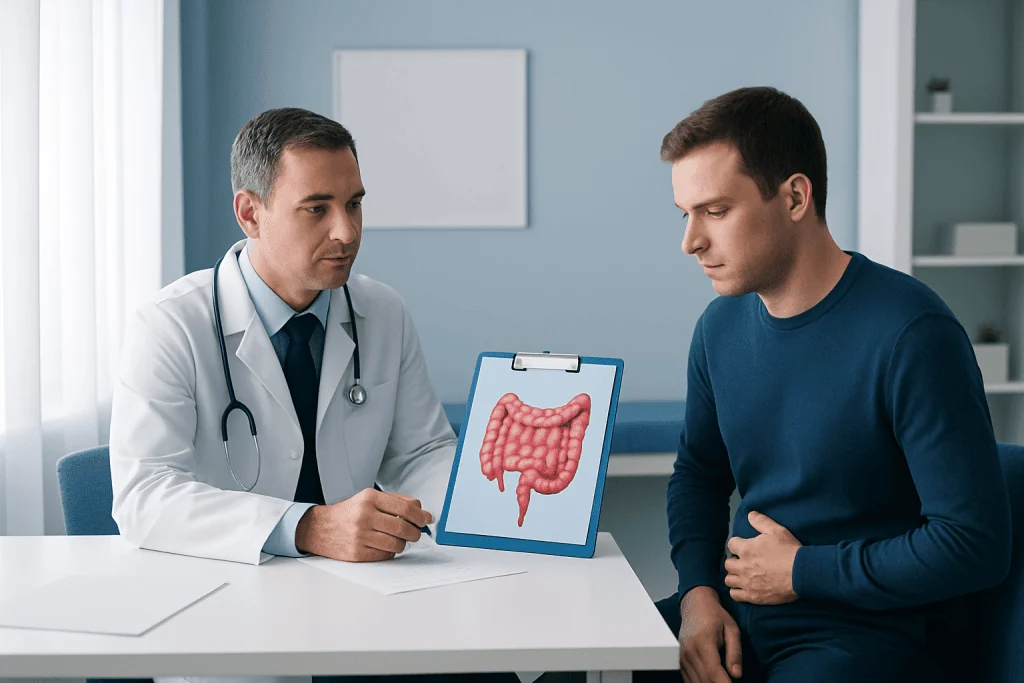
The exact cause of ulcerative colitis is not fully understood. It is thought to result from an abnormal immune response in a person with genetic susceptibility, influenced by environmental factors. This does not mean a person caused the disease through diet, stress, or lifestyle choices alone.
Family history can increase risk, and ulcerative colitis can appear at different ages, often beginning in adolescence or early adulthood but also occurring later in life. Researchers continue to study how gut bacteria, immune signaling, and the intestinal barrier contribute to inflammation. These factors help explain why the condition behaves differently from person to person.
Although stress does not cause ulcerative colitis, it can make symptoms feel worse or harder to manage. Flares may also be associated with infections, missed medication doses, use of certain medicines such as some pain relievers, or changes in routine. Keeping track of symptoms, food tolerance, and possible triggers may help support treatment discussions, but trigger patterns are highly individual.
How ulcerative colitis is diagnosed
Diagnosis begins with a careful review of symptoms, bowel habits, medical history, and family history. Because diarrhea and rectal bleeding can have several causes, doctors usually combine multiple tests rather than relying on a single result. The aim is to confirm inflammation, rule out infection, and determine how far the disease extends in the colon.
Blood tests may look for anemia, inflammation, dehydration, or nutritional problems. Stool tests help check for infections and may include markers of intestinal inflammation. These tests are helpful because they can guide urgency and support decisions about further investigations.
Colonoscopy with biopsy is the key test for diagnosis. During this procedure, a specialist examines the lining of the rectum and colon and takes small tissue samples to confirm the pattern of inflammation. Imaging may also be used in selected cases, especially if complications are suspected or if symptoms overlap with other digestive conditions such as Crohn's disease. In some situations, cross-sectional imaging can complement MRI scanning or other diagnostic tools when a broader view of the abdomen is needed.
Doctors also assess disease severity and extent, because these influence treatment choices and long-term monitoring. A patient may be told they have ulcerative proctitis, left-sided colitis, or extensive colitis depending on which parts of the bowel are involved. This classification helps set realistic treatment goals and follow-up plans.
Modern treatment approaches and long-term management
Treatment for ulcerative colitis depends on disease extent, symptom severity, previous response to medication, and overall health. Many treatment plans begin with anti-inflammatory medicines that act directly in the bowel. When symptoms are more active or widespread, doctors may recommend corticosteroids for short-term control, followed by maintenance treatment to keep inflammation quiet.
For people with moderate to severe disease, immune-modifying medicines or targeted biologic therapies may be used. These treatments are designed to reduce abnormal immune activity and lower the risk of repeated flares. The goal is not only symptom relief but also deeper control of inflammation, which may help protect the bowel lining over time. Some patients may benefit from infusion-based care such as intravenous infusion therapy delivered in a monitored clinical setting, even though the medicines used for inflammatory bowel disease are different from cancer treatment regimens.
Supportive care is also important. This may include correcting iron deficiency, monitoring nutrition, staying hydrated, and managing stress, sleep, and daily routines. During active disease, a doctor or dietitian may suggest temporary dietary adjustments based on symptoms, but no single diet works for everyone. People with complicated or long-standing disease may also need coordinated input from gastroenterology, colorectal surgery, nutrition, radiology, and pathology teams.
Surgery is considered when medicines do not control symptoms well, when serious complications develop, or when precancerous changes or cancer are found. Surgery may involve removing the colon and creating a new route for stool, sometimes with reconstructive options. While surgery can be life-changing, it is usually discussed carefully and planned as part of a broader treatment strategy, not as a first step for most patients.
Outlook, remission, and monitoring for complications
The outlook for ulcerative colitis varies, but many people are able to lead active lives with the right treatment and regular follow-up. Some have long periods of remission with few symptoms, while others experience intermittent flares that require treatment adjustments. A realistic goal is sustained disease control, better day-to-day comfort, and prevention of complications.
Doctors often use a treat-to-target approach, meaning they follow symptoms together with objective markers such as stool tests, blood work, endoscopy findings, and biopsy results. This helps ensure the bowel is truly healing and not just temporarily less symptomatic. Ongoing monitoring also supports safer use of medicines over time.
People with extensive or long-standing ulcerative colitis may need surveillance colonoscopy to watch for precancerous changes in the colon. Monitoring can also help detect strictures, severe inflammation, anemia, bone health concerns, or medication-related side effects. If there is concern about complex intestinal or nearby abdominal issues, specialists may use advanced imaging and multidisciplinary review similar to care pathways used in colon cancer assessment, although the conditions are different.
For international patients seeking coordinated digestive care, Acibadem International’s multidisciplinary specialists and JCI-accredited hospitals diagnose and treat ulcerative colitis with individualized plans that may include endoscopy, imaging, medical therapy, and surgical evaluation when needed.
Prevention, self-care, and living well with ulcerative colitis
There is no proven way to prevent ulcerative colitis from developing, but self-care can help reduce the impact of flares and support overall wellbeing. Taking medicines exactly as prescribed is one of the most effective ways to maintain remission. Even when symptoms improve, stopping treatment without medical advice can increase the chance of relapse.
It can be helpful to keep a symptom diary that tracks bowel changes, bleeding, abdominal pain, energy levels, and possible triggers. Many people also benefit from practical strategies such as staying well hydrated, choosing meals that are easier to tolerate during a flare, and limiting non-prescribed use of medicines that may irritate the gut. A clinician or dietitian can help tailor these choices.
Routine health maintenance matters too. Vaccinations, bone health review, anemia checks, and mental health support may all be part of care, especially for people using long-term immune-targeting therapy. When symptoms are severe, persistent, or unusual, prompt reassessment is important rather than trying to manage everything at home.
When to seek medical care
Medical advice is important if a person has ongoing diarrhea, blood in the stool, persistent abdominal pain, unexplained weight loss, or fatigue that does not improve. These symptoms do not always mean ulcerative colitis, but they should be evaluated, especially if they last more than a few days or keep returning.
Urgent care is needed if there is heavy rectal bleeding, signs of dehydration, fever with worsening bowel symptoms, severe abdominal swelling or pain, repeated vomiting, or inability to keep fluids down. People with a known diagnosis of ulcerative colitis should also contact their doctor if a flare is not responding to usual treatment or if new symptoms appear outside the bowel, such as eye pain or significant joint swelling.
In some situations, doctors may recommend hospital-based assessment, endoscopy such as colonoscopy, or input from colorectal specialists. When surgery is being considered for complications or difficult-to-control disease, a structured review that may include colorectal surgery can help clarify the safest next steps.
Frequently asked questions
Is ulcerative colitis the same as irritable bowel syndrome?
No. Ulcerative colitis is an inflammatory bowel disease that causes visible inflammation and ulcers in the colon, while irritable bowel syndrome is a functional bowel disorder that does not cause the same type of intestinal injury. Because symptoms can overlap, proper medical evaluation is important.
Can ulcerative colitis be cured?
Medicines can control inflammation and help many people stay in remission, but they do not usually cure the condition. Surgery to remove the colon may eliminate colitis in the bowel, though it involves major treatment decisions and possible long-term adjustments. A doctor can explain whether surgery is relevant in a particular case.
What foods should someone avoid with ulcerative colitis?
There is no single ulcerative colitis diet that works for everyone. During a flare, some people tolerate bland, lower-fiber foods better, while others need to limit foods that worsen cramping or diarrhea. A personalized plan with a doctor or dietitian is usually more helpful than strict self-imposed restrictions.
Does stress cause ulcerative colitis?
Stress is not considered the root cause of ulcerative colitis. However, it may worsen symptom perception, affect sleep, and make day-to-day management harder. Stress reduction can support overall wellbeing, but it does not replace medical treatment.
How is ulcerative colitis different from Crohn's disease?
Ulcerative colitis affects the colon and rectum in a continuous pattern and mainly involves the inner lining of the bowel. Crohn's disease can affect any part of the digestive tract and may involve deeper layers of tissue with patchy areas of inflammation. Doctors use endoscopy, biopsy, imaging, and clinical history to tell them apart.
Can people with ulcerative colitis live a normal life?
Many people with ulcerative colitis are able to work, travel, exercise, and maintain family and social routines, especially when the disease is well controlled. Symptoms may still flare at times, so regular follow-up and treatment adjustments are important. Early support for nutrition, mental health, and symptom tracking can also improve quality of life.
References
- National Institute of Diabetes and Digestive and Kidney Diseases
- American College of Gastroenterology
- Crohn's & Colitis Foundation
- National Health Service
- Mayo Clinic
This article is for general information only and is not a substitute for professional medical advice. Please consult a qualified doctor about your individual situation.
Ulcerative Colitis in Turkey — costs, top hospitals & a free quote
JCI-accredited · board-certified surgeons · reply within 24h
Add us as a Preferred Source to see more of our trusted health content across Google Search, AI Overviews and Discover.