Ulcerative Colitis Symptoms in Females: Possible Causes and When to Seek Care

Common symptoms include diarrhea, urgency, blood or mucus in stool, abdominal pain, and tiredness. In females, symptoms may seem worse around periods or be confused with gynecologic conditions.
Key Takeaways
- Common symptoms include diarrhea, urgency, blood or mucus in stool, abdominal pain, and tiredness.
- In females, symptoms may seem worse around periods or be confused with gynecologic conditions.
- Persistent rectal bleeding, weight loss, fever, dehydration, or severe pain should be assessed promptly.
- Diagnosis usually involves history, stool tests, blood tests, and colonoscopy with biopsy.
- Treatment depends on disease severity and may include anti-inflammatory medicines, nutrition support, and ongoing follow-up.
Ulcerative colitis symptoms in females often include urgent bowel movements, diarrhea, rectal bleeding, abdominal cramping, and fatigue, but symptoms may also feel different around menstruation, pregnancy, or with anemia and pelvic pain. While ulcerative colitis affects all sexes, women may notice additional symptom patterns linked to hormones, reproductive health, and conditions that can overlap with digestive symptoms.
Overview: how ulcerative colitis may present in females
Ulcerative colitis symptoms in females most often include diarrhea, bowel urgency, rectal bleeding, abdominal cramping, and fatigue. These are the core symptoms of ulcerative colitis in any adult, but women and girls may also notice symptom changes around menstruation, additional tiredness from iron deficiency, or pelvic discomfort that can make it harder to tell whether symptoms are coming from the bowel, the reproductive system, or both.
Ulcerative colitis is a long-term inflammatory bowel disease that affects the lining of the colon and rectum. Inflammation can range from mild to severe, and symptoms usually come and go over time, with periods of flare and remission. The pattern is not the same for everyone, so some females have mainly bowel symptoms, while others also have broader effects such as low energy, poor appetite, and unintended weight loss.
Because digestive and gynecologic symptoms can overlap, early evaluation is helpful. Menstrual cramps, endometriosis, ovarian cysts, hemorrhoids, irritable bowel syndrome, infection, and inflammatory bowel disease can all cause pain or changes in bowel habits. A careful medical assessment can help identify whether symptoms are due to ulcerative colitis or another condition requiring different treatment.
Common symptoms and what may feel different in women
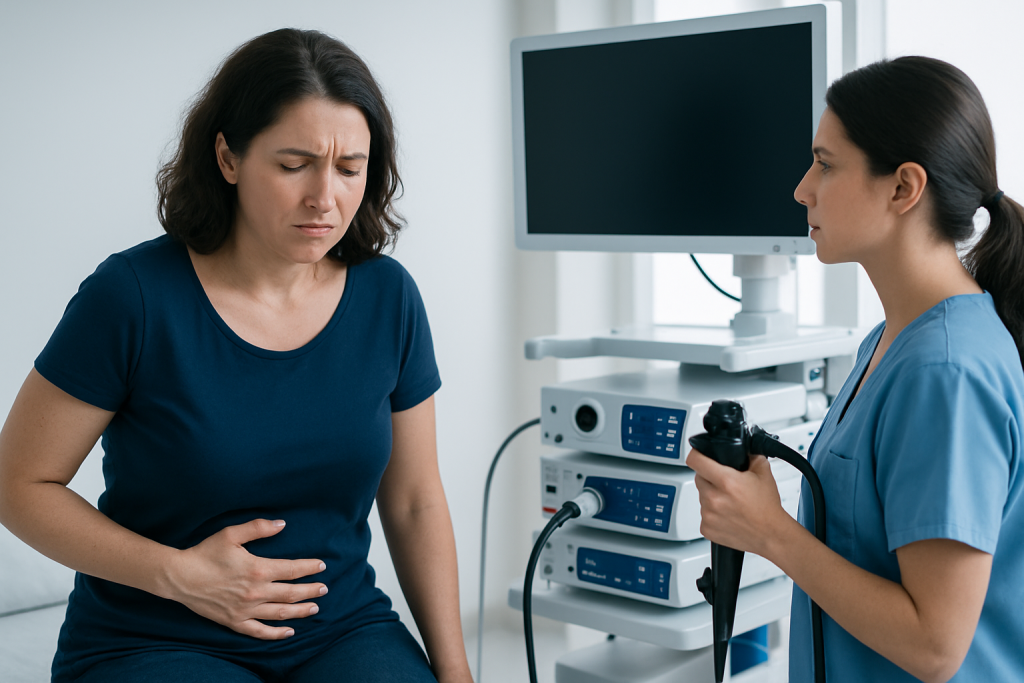
The most typical ulcerative colitis symptoms in females are frequent loose stools, sudden need to use the toilet, blood in the stool, mucus, abdominal pain, and a sense of incomplete emptying after a bowel movement. Some women describe needing to stay close to a bathroom or avoiding meals and travel during a flare because of urgency.
Fatigue is also common and may become more noticeable in females if blood loss from the bowel contributes to iron deficiency anemia. Tiredness may appear alongside shortness of breath on exertion, dizziness, headaches, or reduced exercise tolerance. During active inflammation, some people also develop fever, poor appetite, or weight loss.
Symptoms can sometimes seem worse around menstruation. Hormonal changes do not cause ulcerative colitis, but they may affect bowel sensitivity, cramping, bloating, and stool frequency. This can make it difficult to separate premenstrual digestive discomfort from an inflammatory bowel flare.
- Diarrhea, sometimes many times a day
- Urgency or difficulty delaying a bowel movement
- Blood or mucus in the stool
- Rectal pain or bleeding
- Lower abdominal cramping
- Fatigue and weakness
- Loss of appetite or weight loss
- Nighttime bowel movements
Possible causes, triggers, and female-specific considerations
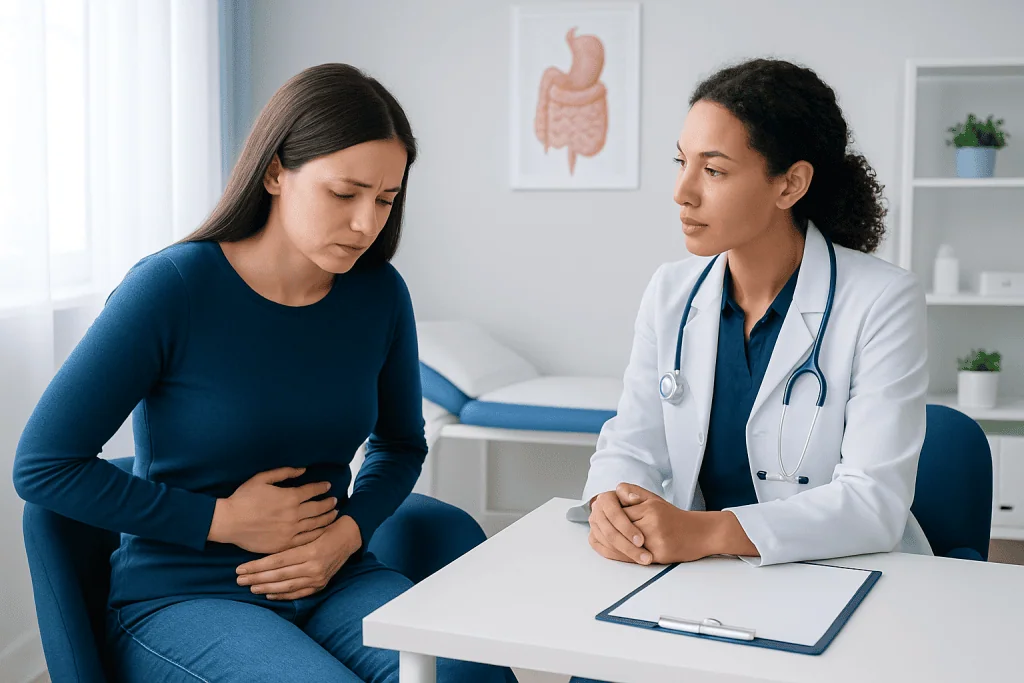
Ulcerative colitis is not caused by one single factor. It is thought to result from an abnormal immune response in a person with genetic and environmental susceptibility. The immune system becomes overactive in the colon, leading to ongoing inflammation. Stress does not directly cause ulcerative colitis, but it can worsen symptom perception and may coincide with flares in some individuals.
In females, symptom interpretation can be more complicated because common reproductive health issues may overlap with bowel symptoms. Menstrual cramping can resemble colitis pain. Endometriosis may cause pelvic pain, constipation, diarrhea, or painful bowel movements. Pregnancy and the postpartum period can also change digestion, appetite, and energy levels. This does not mean every digestive symptom is due to ulcerative colitis, but it does mean a broad, thoughtful evaluation matters.
Some women also notice that symptom burden is affected by sleep, diet tolerance, emotional strain, and medication use such as nonsteroidal anti-inflammatory drugs, which may irritate the digestive tract in some people. Smoking cessation has many major health benefits, but changes in smoking status can influence inflammatory bowel disease patterns in complex ways, so symptom changes should always be discussed with a clinician rather than managed alone.
How doctors diagnose ulcerative colitis
Diagnosis starts with a detailed history of symptoms, timing, bleeding, bowel frequency, menstrual patterns, family history, and any weight change or fever. The clinician may also ask about travel, recent antibiotics, food triggers, and whether symptoms wake the person at night. In females, questions about periods, pregnancy, pelvic pain, or gynecologic conditions may help clarify whether more than one issue is present.
Tests usually include blood work to look for anemia, inflammation, and dehydration, as well as stool tests to check for infection and markers of intestinal inflammation. These steps are important because infections and other digestive conditions can mimic ulcerative colitis, especially when diarrhea and cramping are the main complaints.
The most important test is often colonoscopy with biopsy, which allows direct examination of the colon lining and confirmation under the microscope. Imaging may also be used in selected cases. If symptoms suggest a broader digestive problem, a doctor may assess for related conditions such as Crohn's disease, since treatment and follow-up can differ even though the symptoms may overlap.
Treatment options and long-term management
Treatment aims to reduce inflammation, control symptoms, heal the intestinal lining, and maintain remission. The treatment plan depends on how much of the colon is involved, how severe symptoms are, and whether there are complications. Many patients are treated with anti-inflammatory medicines, immune-modifying therapies, or biologic drugs, while severe flares may require hospital-based care.
Supportive care is also important. Fluids, nutrition support, iron replacement when needed, and management of pain or bowel urgency can all improve daily functioning. Some women benefit from tracking symptoms alongside menstrual cycles, which can help identify whether a true inflammatory flare is occurring or whether symptoms are partly related to hormonal timing.
If medicine does not control the disease, or if complications develop, surgery may be considered. In selected cases, specialist review by a team experienced in gastroenterology care and colorectal surgery is helpful. For international patients, Acibadem International’s multidisciplinary specialists in JCI-accredited hospitals diagnose and treat ulcerative colitis using individualized, evidence-based care plans.
Prevention, self-care, and living well with symptoms
There is no guaranteed way to prevent ulcerative colitis, but good self-management can reduce the impact of symptoms and support overall health. Keeping a symptom diary, taking medicines as prescribed, staying hydrated, and attending follow-up visits can help detect changes early. During a flare, some people find that smaller meals and simpler foods are easier to tolerate, though food triggers vary from person to person.
Women with heavy menstrual periods or ongoing bowel bleeding should speak with a doctor about iron levels, as fatigue may reflect anemia rather than inflammation alone. Regular sleep, gentle physical activity when possible, and stress management can also support quality of life. These steps do not replace medical treatment, but they may help patients feel more stable and better able to recognize when symptoms are changing.
If pregnancy is planned or possible, preconception counseling is useful. Many people with ulcerative colitis can have healthy pregnancies, but disease control before conception is important. Medication decisions in pregnancy should always be guided by a qualified clinician, often with input from both gastroenterology and obstetric teams.
When to seek medical care
Medical advice should be sought if diarrhea lasts more than a few days, there is blood in the stool, bowel urgency is recurring, or abdominal pain keeps returning. A person should also arrange prompt assessment for fatigue, dizziness, unexplained weight loss, fever, or symptoms that interfere with eating, sleep, work, or school. Early evaluation can help distinguish inflammatory bowel disease from infection, hemorrhoids, pelvic conditions, or functional bowel disorders.
Urgent care is appropriate for severe or worsening abdominal pain, heavy rectal bleeding, signs of dehydration, repeated vomiting, fainting, fast heartbeat, or inability to keep fluids down. Rapid review is also important if a known ulcerative colitis flare is accompanied by fever or marked weakness. In some cases, clinicians may use colonoscopy or other tests to assess the extent of inflammation and guide treatment.
Females should also mention pelvic pain, missed periods, possible pregnancy, painful intercourse, or symptoms that seem linked to menstruation. These details help doctors decide whether digestive inflammation is the main issue or whether evaluation should also include gynecologic causes. Seeking care early is especially important when symptoms are new, persistent, or clearly different from a person’s usual pattern.
Frequently asked questions
Are ulcerative colitis symptoms different in females than in males?
The core symptoms are generally the same, including diarrhea, rectal bleeding, urgency, abdominal pain, and fatigue. However, females may notice symptom changes around menstruation, may be more affected by iron deficiency from blood loss, and may have overlapping pelvic or gynecologic symptoms that make diagnosis less straightforward.
Can periods make ulcerative colitis symptoms feel worse?
Yes, some women report more cramping, bloating, stool frequency, or urgency around their period. Hormonal changes do not cause ulcerative colitis, but they can affect how the bowel feels and may make a flare harder to interpret without medical advice.
What symptoms should not be ignored?
Blood in the stool, ongoing diarrhea, nighttime bowel movements, weight loss, fever, and significant fatigue should all be assessed by a doctor. Severe pain, heavy bleeding, dehydration, fainting, or inability to drink fluids require urgent medical attention.
Can ulcerative colitis be mistaken for a gynecologic problem?
Yes, abdominal or pelvic pain, bloating, and bowel changes may overlap with menstrual pain, endometriosis, ovarian conditions, or pelvic infections. That is why clinicians often ask about menstrual history, pelvic symptoms, and pregnancy status when evaluating women with digestive complaints.
How is ulcerative colitis confirmed?
Doctors usually combine symptoms, blood tests, stool tests, and colonoscopy with biopsy. This approach helps confirm inflammation in the colon and rule out infections or other conditions with similar symptoms.
Can women with ulcerative colitis have a healthy pregnancy?
Many can, especially when the disease is well controlled before conception. Pregnancy planning and medication review with a gastroenterologist and obstetric clinician are important to support both maternal health and fetal development.
References
- National Institute of Diabetes and Digestive and Kidney Diseases
- Crohn's & Colitis Foundation
- American College of Gastroenterology
- Mayo Clinic
- National Health Service
This article is for general information only and is not a substitute for professional medical advice. Please consult a qualified doctor about your individual situation.
Ulcerative Colitis in Turkey — costs, top hospitals & a free quote
JCI-accredited · board-certified surgeons · reply within 24h
Add us as a Preferred Source to see more of our trusted health content across Google Search, AI Overviews and Discover.