Ulcerative Colitis Therapy: How It Works, Results and What to Expect

Ulcerative colitis is a long-term inflammatory bowel disease with periods of active symptoms and remission. The best therapy depends on disease extent, severity, previous treatments, personal health factors and treatment goals.
Key Takeaways
- Ulcerative colitis is a long-term inflammatory bowel disease with periods of active symptoms and remission.
- The best therapy depends on disease extent, severity, previous treatments, personal health factors and treatment goals.
- Many people improve within weeks, but full symptom control and bowel healing may take longer and require treatment adjustments.
- Regular follow-up, medication adherence and preventive care are important parts of staying in remission.
- Severe symptoms, dehydration, persistent bleeding or intense abdominal pain require prompt medical assessment.
Ulcerative colitis therapy aims to calm inflammation in the large intestine, relieve symptoms, heal the bowel lining where possible and maintain long-term remission. Treatment is individualized and may include anti-inflammatory medicines, advanced immune-targeting therapies, nutrition support, monitoring and, for selected people, surgery.
Overview: how ulcerative colitis therapy works
Ulcerative colitis therapy works by reducing inappropriate immune activity and inflammation in the lining of the colon and rectum. The main goals are to stop active symptoms, achieve remission, support healing of the intestinal lining and reduce the likelihood of future flares and complications.
Ulcerative colitis is a chronic condition, meaning there is not currently a medicine that permanently removes the underlying tendency to inflammation. However, many people can have long periods with few or no symptoms when treatment is effective. A gastroenterologist develops a plan based on whether inflammation is limited to the rectum, affects the left side of the colon or involves most or all of the colon.
Care is usually adjusted over time. A treatment used to settle a flare may differ from the treatment used to maintain remission. The plan also includes monitoring for inflammation that may continue even when symptoms seem mild, because symptom improvement alone does not always mean the bowel has fully healed.
Candidacy and choosing the right therapy
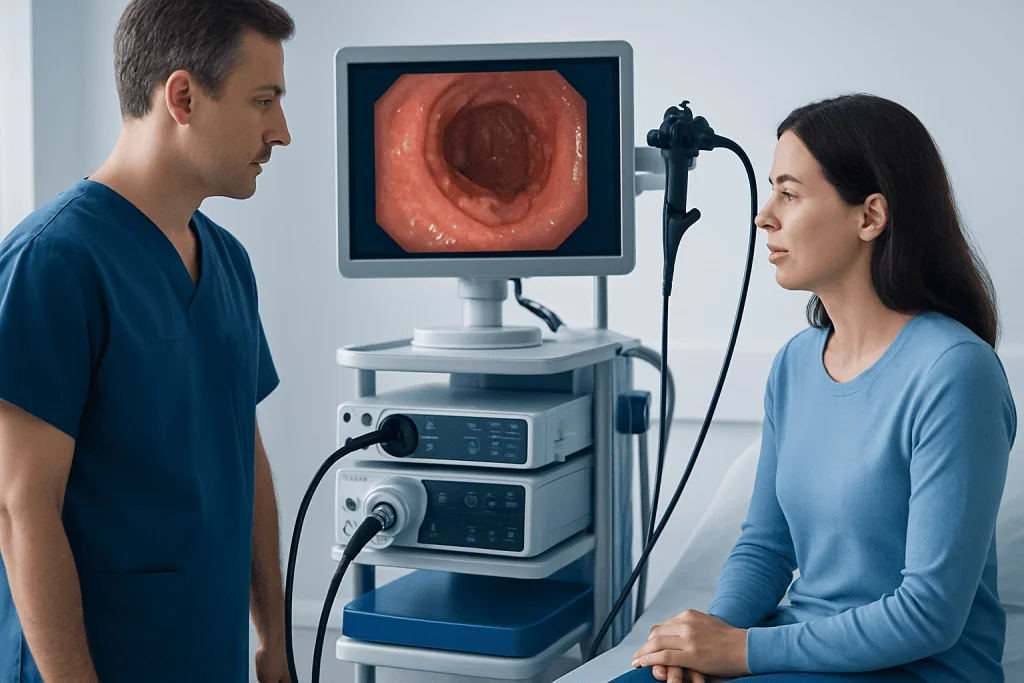
Nearly everyone with ulcerative colitis benefits from an individualized treatment and follow-up plan. The choice of therapy is guided by symptom severity, the area of bowel involved, laboratory results, endoscopic findings, previous response to medicine and the person’s other medical conditions, pregnancy plans and preferences.
For mild disease limited to the rectum or lower colon, locally acting rectal medicines, oral anti-inflammatory medicines or both may be considered. Moderate or severe disease may require corticosteroids for short-term control, followed by an immune-modifying medicine, biologic therapy or an oral targeted treatment to maintain remission. Corticosteroids can be useful during a flare but are generally not suitable for long-term maintenance because of their potential side effects.
Before advanced immune-targeting treatment, clinicians commonly check for infections such as tuberculosis and hepatitis and review vaccination status. Blood tests, stool testing and colonoscopy or flexible sigmoidoscopy may be used to confirm disease activity and exclude infection or another cause of symptoms.
What happens during treatment: step by step
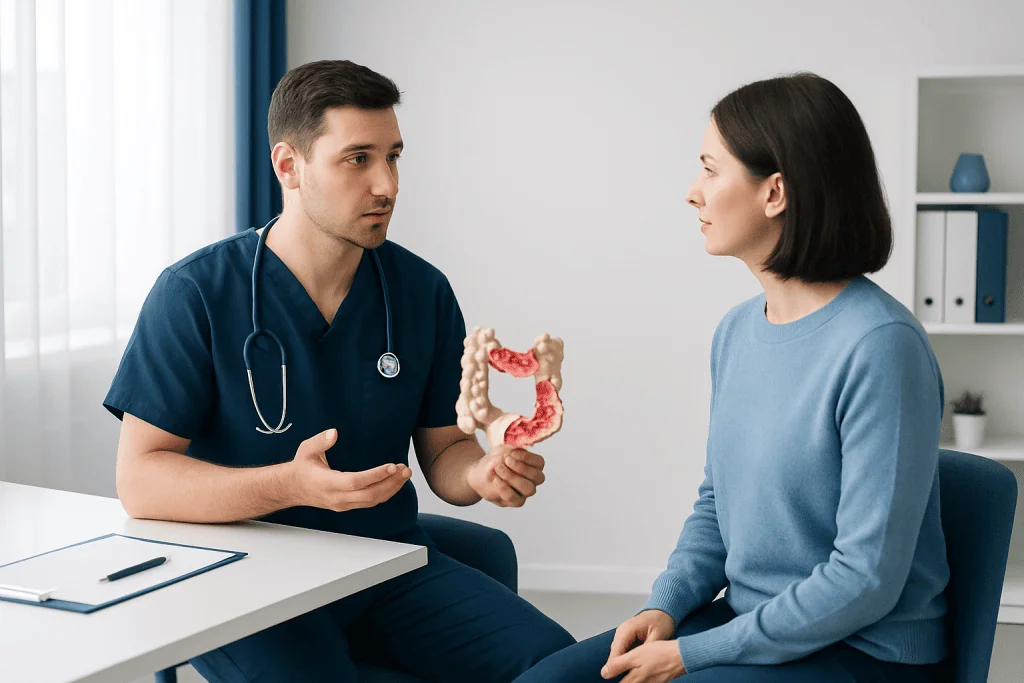
The first step is confirming how active the disease is. The care team discusses bowel frequency, bleeding, urgency, abdominal discomfort, fatigue, weight changes and symptoms outside the gut, such as joint pain or eye inflammation. Blood and stool markers can help measure inflammation, while endoscopy allows direct assessment of the bowel lining.
Next, therapy is selected to induce remission. Anti-inflammatory medicines may be taken by mouth or placed directly in the rectum. Short courses of steroids may help bring more active inflammation under control. If symptoms are moderate to severe, or if standard treatment has not worked sufficiently, a specialist may recommend medicines that target specific immune pathways. These may be given as tablets, injections or intravenous infusions, depending on the medicine.
The third step is reassessment. Symptom response may be reviewed within days to weeks, while objective inflammation testing is repeated at appropriate intervals. If a therapy is not working well enough, the clinician may optimize the regimen, change to another treatment class or investigate other contributors such as infection, irritable bowel symptoms or medication side effects.
Surgery is considered when medication cannot adequately control inflammation, when serious complications occur, or when treatment side effects are unacceptable. Removing the colon and rectum is the only curative option for ulcerative colitis itself, although it is a major decision requiring detailed discussion with colorectal surgery and gastroenterology teams.
Benefits, risks and recovery expectations
The potential benefits of effective ulcerative colitis therapy include less rectal bleeding and urgency, fewer bowel movements, improved sleep and energy, fewer hospital admissions and a lower risk of complications linked to ongoing inflammation. Reaching remission can also allow people to return more fully to work, education, travel and social activities.
How quickly a person improves varies. Some treatments can reduce symptoms within days or a few weeks, while others may take several weeks to months to have their full effect. For people wondering about ulcerative colitis how long until remission, there is no single timeline: it depends on flare severity, treatment type, whether treatment is started promptly and how the individual responds.
All medicines can have side effects. Anti-inflammatory medicines may occasionally affect kidney function or cause intolerance. Steroids may affect mood, sleep, blood sugar, bone health and infection risk, particularly with longer use. Immune-targeting therapies may increase susceptibility to certain infections and require planned monitoring. A clinician can explain the specific expected benefits and risks of each option.
Recovery from a non-surgical flare usually means gradually returning to usual activities as urgency, fatigue and bowel frequency improve. After surgery, recovery is longer and depends on the procedure performed, nutritional status and whether an ileostomy or pouch procedure is needed. Ongoing follow-up remains important in either situation.
What are the signs that colitis is improving?
Common signs that colitis is improving include fewer bowel movements, less urgency, less or no visible blood in stool, reduced abdominal cramping, improved appetite and better energy. Night-time bowel movements may become less frequent, and people may be able to resume normal daily activities more comfortably.
These changes are encouraging, but they do not always show whether inflammation has resolved. A person may feel better while some inflammation remains in the bowel. For this reason, clinicians may use blood tests, stool tests such as fecal calprotectin, and endoscopy to assess response and confirm deeper remission.
It is helpful to track symptoms between appointments, including stool frequency, blood, pain, temperature, medication use and possible food triggers. New or worsening symptoms should be discussed rather than managed by changing prescribed treatment independently.
What are the 6 worst foods for ulcerative colitis?
There are no six foods that are universally harmful for every person with ulcerative colitis. Food does not cause ulcerative colitis, and diet cannot replace medical therapy. During an active flare, however, some foods can worsen diarrhea, bloating, pain or urgency because the bowel is more sensitive.
Common individual triggers may include alcohol; caffeinated drinks; high-fat or fried foods; spicy foods; high-fiber raw vegetables or tough fruit skins during a flare; and lactose-containing foods in people who are lactose intolerant. Carbonated drinks, sugar alcohol sweeteners and large meals can also aggravate symptoms for some people.
Rather than eliminating many foods permanently, people are usually advised to identify personal patterns with a food and symptom diary. Restrictive diets can lead to inadequate calories, protein, iron, calcium or other nutrients, especially during flares. A gastroenterologist or dietitian can help create a practical plan that protects nutrition while reducing avoidable discomfort.
How long does it take to get rid of ulcerative colitis?
Ulcerative colitis cannot usually be completely removed with medication because it is a lifelong immune-mediated condition. Treatment can, however, bring symptoms and inflammation into remission. The question of ulcerative colitis how long to heal has no universal answer: symptoms may ease quickly with some therapies, while complete healing of the bowel lining can take months.
For ulcerative colitis how to get into remission, the most reliable approach is early assessment of a flare, treatment matched to disease severity, consistent use of prescribed maintenance medicine and objective monitoring. If the first treatment does not produce an adequate response, changing or escalating therapy may be appropriate rather than simply waiting with ongoing symptoms.
Surgery that removes the colon and rectum can cure ulcerative colitis in the bowel, but it is reserved for specific circumstances and involves its own recovery and long-term considerations. A specialist can explain whether surgery is relevant and what alternatives are available.
What are the four stages of ulcerative colitis?
Ulcerative colitis is not formally divided into four universal stages in the same way as some cancers. In clinical practice, it is commonly described by severity as remission, mild activity, moderate activity or severe activity. Severity is based on symptoms, blood loss, laboratory markers and examination findings rather than on one test alone.
Remission means symptoms are absent or minimal and inflammation is controlled. Mild disease may involve some bleeding, urgency or increased stool frequency but without major systemic illness. Moderate disease causes more frequent symptoms and greater impact on daily life. Severe disease can include very frequent bloody stools, fever, fast heart rate, anemia, dehydration or significant abdominal pain and may require urgent hospital assessment.
Ulcerative colitis may also be classified by location: proctitis affects the rectum, left-sided colitis affects the rectum and left colon, and extensive colitis affects a larger portion of the colon. Both location and severity help guide therapy and monitoring.
How to stay in remission and when to seek medical care
For ulcerative colitis how to stay in remission, continued maintenance treatment is central, even when a person feels well. Stopping medication without medical guidance is a common reason for relapse. Keeping scheduled follow-up visits, completing recommended blood or stool tests, avoiding smoking cessation medicines or nonsteroidal anti-inflammatory drugs only after discussing them with a clinician, and maintaining vaccinations can all support safer long-term care.
Stress does not cause ulcerative colitis, but stress, poor sleep and anxiety can make symptoms harder to manage. Regular movement as tolerated, adequate sleep, a balanced diet tailored to individual tolerance and support for emotional wellbeing can be useful additions to medical treatment. People with longstanding colitis may also need planned colonoscopy surveillance because chronic inflammation can increase colorectal cancer risk over time.
Medical advice should be sought promptly for increasing rectal bleeding, persistent vomiting, inability to drink enough fluid, fever, severe or worsening abdominal pain, a swollen abdomen, dizziness, fainting, rapid heartbeat or marked weakness. These symptoms may indicate a significant flare, dehydration, infection or another complication that needs assessment.
Acibadem International’s multidisciplinary gastroenterology, colorectal surgery, nutrition and imaging teams support diagnosis and treatment planning for international patients at JCI-accredited hospitals.
Frequently asked questions
How is ulcerative colitis treated?
Ulcerative colitis is treated with medicines that reduce inflammation or modify immune activity, selected according to disease severity and location. Nutrition support, monitoring and preventive care are also important. Surgery may be recommended when medicines do not control disease adequately or complications develop.
Can ulcerative colitis go into remission without medication?
Some symptoms may fluctuate, but untreated inflammation can persist and may lead to complications. Medication is generally the most effective way to induce and maintain remission. Any decision to reduce or stop treatment should be made with a gastroenterologist.
How long does a flare of ulcerative colitis last?
A flare can last days to weeks or longer, depending on severity and how quickly effective treatment is started. Some people respond rapidly, while others need treatment adjustment. Persistent symptoms should be reviewed rather than waited out.
Can diet heal ulcerative colitis?
Diet can reduce symptom triggers and help maintain nutritional health, but it does not cure the immune inflammation of ulcerative colitis. Dietary needs often change during a flare compared with remission. A registered dietitian can help avoid unnecessary food restriction.
What is the difference between symptom remission and endoscopic remission?
Symptom remission means a person feels well or has few bowel symptoms. Endoscopic remission means a camera examination shows little or no visible bowel inflammation. Clinicians aim for both when possible because healing of the lining is linked with better long-term outcomes.
When is surgery needed for ulcerative colitis?
Surgery may be needed for severe disease that does not respond to medical treatment, serious complications, uncontrolled bleeding, precancerous changes or cancer. The decision is individualized and usually involves a gastroenterologist and colorectal surgeon. Surgical options and their effects on bowel function should be discussed in detail.
References
- Crohn's & Colitis Foundation
- National Institute of Diabetes and Digestive and Kidney Diseases
- American College of Gastroenterology
- European Crohn's and Colitis Organisation
- National Health Service
This article is for general information only and is not a substitute for professional medical advice. Please consult a qualified doctor about your individual situation.
Ulcerative Colitis in Turkey — costs, top hospitals & a free quote
JCI-accredited · board-certified surgeons · reply within 24h
Add us as a Preferred Source to see more of our trusted health content across Google Search, AI Overviews and Discover.