Understanding Brown Sequard Syndrome: A Complete Patient Guide

Brown sequard syndrome usually results from damage affecting one side of the spinal cord. Typical findings include weakness on one side of the body and pain or temperature loss on the other.
Key Takeaways
- Brown sequard syndrome usually results from damage affecting one side of the spinal cord.
- Typical findings include weakness on one side of the body and pain or temperature loss on the other.
- Common causes include trauma, tumors, bleeding, infection, inflammation, or disc-related compression.
- Diagnosis relies on a neurological exam and imaging, especially MRI of the spine.
- Treatment depends on the cause and may include urgent stabilization, surgery, medicines, and rehabilitation.
- Early medical evaluation is important because prompt care may improve recovery and prevent further spinal cord damage.
Brown sequard syndrome is a rare spinal cord injury pattern that usually happens when one side of the spinal cord is damaged more than the other. It often causes weakness and loss of position sense on the same side as the injury, with reduced pain and temperature sensation on the opposite side.
Overview: what brown sequard syndrome means
Brown sequard syndrome is a neurological condition caused by damage that affects one side of the spinal cord more than the other. Because the spinal cord carries different nerve pathways for movement, body position, pain, and temperature, this uneven injury creates a very characteristic pattern of symptoms. In simple terms, a person may develop weakness and reduced vibration or position sense on the same side as the spinal cord injury, while pain and temperature sensation are reduced on the opposite side below the level of injury.
This syndrome is not a disease by itself but a clinical pattern that helps doctors identify where and how the spinal cord has been affected. It can happen after penetrating or blunt trauma, but it may also develop from non-traumatic causes such as a tumor, bleeding, infection, inflammation, or pressure on the spinal cord. The pattern can be complete or partial, and many patients have a mixed presentation rather than a textbook form.
Although the name may sound unfamiliar, brown sequard syndrome is important because it often points to a spinal cord problem that needs timely assessment. Early recognition can help guide urgent imaging, specialist evaluation, and treatment aimed at protecting the spinal cord and supporting recovery.
How the spinal cord causes this symptom pattern
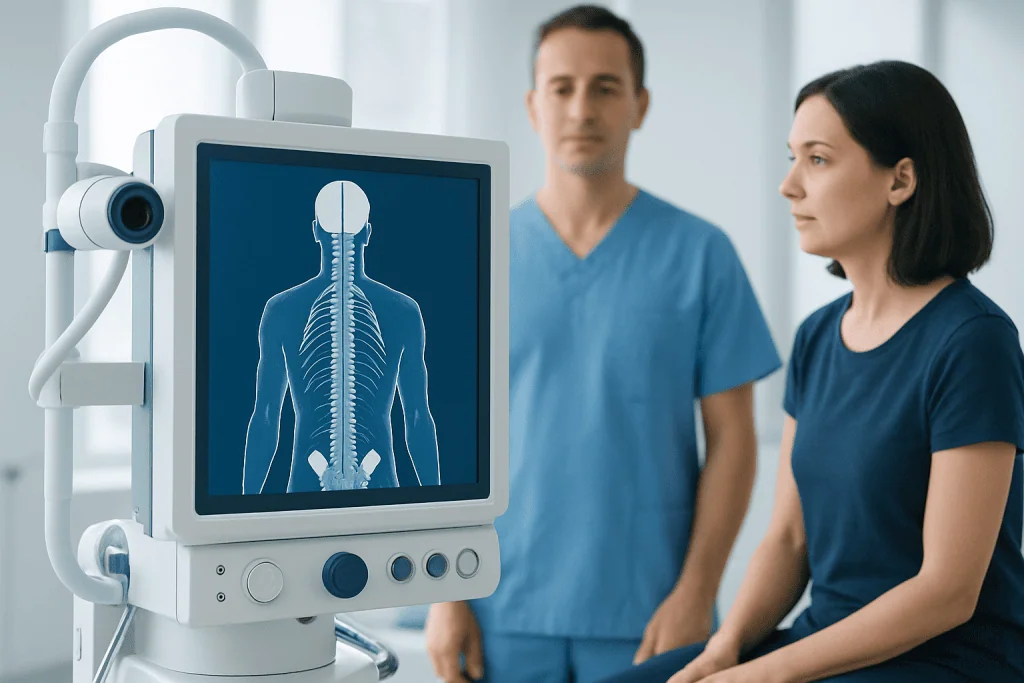
Understanding brown sequard syndrome is easier when the spinal cord is viewed as a bundle of pathways with different jobs. Some nerve tracts carry signals from the brain to muscles, helping the body move. Others carry information upward about touch, vibration, body position, pain, and temperature. These pathways cross at different levels, which is why a one-sided spinal cord injury can affect sensation differently on each side of the body.
When the motor pathways and dorsal columns are damaged on one side, the person may develop weakness, stiffness, and difficulty sensing joint position or vibration on that same side below the injury. This can make walking unsteady or cause a leg or arm to feel clumsy. At the same time, pain and temperature fibers usually cross soon after entering the spinal cord, so injury to one side can reduce pain and temperature sensation on the opposite side a short distance below the lesion.
Real-life cases are often less clear-cut than diagrams in a textbook. Swelling, bruising, compression, or combined injuries can blur the pattern. For that reason, doctors use the syndrome as a clue rather than relying on symptoms alone. Imaging and a full neurological examination are needed to confirm the cause and assess how much of the spinal cord is involved.
Symptoms and day-to-day effects
The hallmark features of brown sequard syndrome are weakness on one side of the body and loss of pain or temperature sensation on the opposite side. Weakness may range from mild clumsiness to significant difficulty moving an arm or leg. Some people also notice muscle stiffness, increased reflexes, or a dragging gait as the nervous system responds to spinal cord injury.
On the same side as the injury, a person may have trouble sensing limb position, movement, or vibration. This can lead to imbalance, especially in the dark or on uneven ground. On the opposite side, reduced ability to feel heat, cold, or painful stimuli can increase the risk of unnoticed injuries. Depending on the level of the spinal cord lesion, symptoms may involve the arms, trunk, legs, or a combination of these.
Additional symptoms can occur if the injury affects nearby nerve roots or other spinal pathways. These may include neck or back pain, numbness, tingling, bladder or bowel changes, and sexual dysfunction. Symptoms may begin suddenly after trauma or appear more gradually when caused by a tumor, infection, or inflammatory condition such as multiple sclerosis.
- Same side as the cord injury: weakness, stiffness, loss of vibration or position sense
- Opposite side below the injury: reduced pain and temperature sensation
- Possible associated features: pain, numbness, balance problems, bladder or bowel symptoms
Causes and risk factors
Brown sequard syndrome most often results from a spinal cord lesion that is more pronounced on one side. Traumatic injuries are a classic cause and may include stab wounds, gunshot injuries, falls, road traffic accidents, or sports injuries. In some patients, a fractured vertebra or a displaced disc can compress the cord unevenly. Severe neck or back trauma may be part of a broader spinal cord injury pattern.
Non-traumatic causes are also important. These include tumors inside or near the spinal canal, bleeding around the spinal cord, spinal epidural abscess, tuberculosis affecting the spine, herniated discs, cervical spondylosis, and inflammatory or demyelinating disorders. Vascular problems that reduce blood flow to one side of the cord can occasionally produce a similar picture.
Risk factors depend on the underlying cause. Trauma risk may be higher in contact sports, hazardous occupations, or high-speed travel. Degenerative spine disease becomes more common with age. A history of cancer, infection, immune-mediated disease, or blood-thinning medication may increase the likelihood of a non-traumatic spinal cord lesion. Even so, anyone can develop the syndrome if the spinal cord is affected in the right pattern.
How doctors diagnose brown sequard syndrome
Diagnosis begins with a careful history and neurological examination. Doctors ask when symptoms started, whether there was trauma, and how weakness or sensory changes have progressed. The neurological exam looks for muscle strength, reflexes, balance, coordination, and the distribution of sensory loss. The side-to-side difference is often a major clue that the spinal cord is involved.
MRI of the spine is usually the most important imaging test because it can show the spinal cord, surrounding tissues, discs, bleeding, inflammation, tumors, or infection. In trauma, CT scans may also be used to assess fractures or spinal instability. If infection, inflammation, or an immune-related disorder is suspected, blood tests and sometimes other investigations may be needed to identify the cause.
Doctors may also consider other conditions that can mimic parts of this syndrome, such as stroke, peripheral nerve injury, brain lesions, or other spinal cord disorders. The goal is not only to name the syndrome but to find the exact reason for the spinal cord damage. That cause strongly influences treatment decisions and recovery planning.
Treatment options and rehabilitation
Treatment for brown sequard syndrome focuses first on protecting the spinal cord and treating the underlying cause. In emergency settings, this may involve spinal immobilization, pain control, and urgent assessment by specialists. If there is compression from a fracture, disc, blood collection, abscess, or tumor, surgery may be considered to relieve pressure and stabilize the spine. In suitable cases, doctors may discuss spine surgery or neurosurgical treatment as part of care.
Medicines may be used depending on the cause. Antibiotics may be needed for infection, while inflammatory conditions may require targeted medical therapy. Tumor-related cases are managed according to the tumor type and location, sometimes with surgery, radiotherapy, or oncology input. The treatment plan is individualized because brown sequard syndrome describes a pattern of injury, not a single disease.
Rehabilitation is often a central part of recovery. Physical therapy helps improve strength, mobility, balance, and walking. Occupational therapy supports daily activities such as dressing, writing, bathing, and safe movement at home or work. Some patients also benefit from bladder or bowel management, pain treatment, psychological support, and structured follow-up with physical therapy and rehabilitation.
Recovery varies widely. Some people regain significant function, especially when the cause is recognized and treated early, while others may have lasting weakness or sensory changes. Regular reassessment helps the care team adapt treatment, monitor complications, and support the best possible independence.
Living with brown sequard syndrome: self-care and prevention
Self-care after a spinal cord injury pattern like brown sequard syndrome usually centers on safety, mobility, and protecting areas with reduced sensation. If pain and temperature perception are impaired on one side, skin injuries or burns may go unnoticed. Patients are often advised to check the skin daily, test bath water carefully, use protective footwear, and follow rehabilitation guidance on safe transfers and walking.
Prevention depends largely on the underlying cause. General measures include using seatbelts, wearing appropriate sports protection, following workplace safety practices, and seeking care promptly after significant neck or back trauma. Managing chronic spine conditions, infections, and inflammatory diseases can also help reduce the risk of progressive spinal cord damage.
Daily life often improves with practical adjustments. These may include home modifications to reduce falls, assistive devices, pacing of activities, and exercises recommended by a rehabilitation professional. For international patients who need coordinated neurological, spinal, and rehabilitation care, Acibadem International’s multidisciplinary specialists and JCI-accredited hospitals diagnose and treat complex spinal cord conditions.
When to seek medical care
Urgent medical care is needed for sudden weakness, numbness, loss of balance, severe neck or back pain, or any new loss of pain and temperature sensation, especially after trauma. Immediate attention is also important if symptoms are spreading, if walking becomes difficult, or if bladder or bowel control changes. These can be warning signs of spinal cord compression or injury.
Medical evaluation is also recommended for symptoms that develop gradually, such as one-sided weakness, repeated falls, unusual sensory changes, or persistent spinal pain. Even if symptoms seem mild, a spinal cord problem should not be ignored because some causes are treatable and may worsen without care.
Anyone with suspected brown sequard syndrome should be assessed by a qualified doctor, often with input from neurology, neurosurgery, orthopedics, rehabilitation, or emergency medicine depending on the situation. Timely diagnosis gives the best chance to identify the cause and start the most appropriate treatment.
Frequently asked questions
Is brown sequard syndrome the same as a complete spinal cord injury?
No. Brown sequard syndrome is usually an incomplete spinal cord injury pattern, meaning some nerve pathways are affected more than others. Because one side of the cord is damaged more than the other, movement and sensation changes are uneven rather than completely absent below the injury.
Can brown sequard syndrome happen without an accident?
Yes. Although trauma is a well-known cause, the syndrome can also result from tumors, infection, inflammation, bleeding, or pressure from a disc or degenerative spine disease. That is why imaging and medical evaluation are important even when there has been no injury.
Does brown sequard syndrome get better?
Recovery is possible, but it varies from person to person. Improvement depends on the cause, the severity of spinal cord damage, how quickly treatment begins, and the person’s response to rehabilitation. Some patients recover substantial function, while others continue to have weakness or sensory loss.
What tests are usually needed?
Doctors typically begin with a neurological examination and an MRI of the spine. In trauma, CT scans may also be used to look for fractures or instability. Blood tests or other investigations may be added if infection, inflammation, or another underlying disorder is suspected.
Why is sensation lost on the opposite side of the body?
Different nerve pathways cross at different points in the nervous system. Pain and temperature fibers usually cross near where they enter the spinal cord, so damage on one side of the cord can reduce those sensations on the opposite side below the injury. Movement and position-sense pathways follow a different route, which is why those problems often appear on the same side as the lesion.
Is surgery always needed for brown sequard syndrome?
No. Surgery is used when there is a structural problem that needs urgent treatment, such as compression from a fracture, disc, tumor, abscess, or bleeding, or when the spine is unstable. If the cause is inflammatory, infectious, or otherwise non-surgical, treatment may focus on medicines and rehabilitation instead.
References
- National Institute of Neurological Disorders and Stroke
- National Institute of Arthritis and Musculoskeletal and Skin Diseases
- Merck Manual Professional Edition
- American Association of Neurological Surgeons
- World Health Organization
This article is for general information only and is not a substitute for professional medical advice. Please consult a qualified doctor about your individual situation.
Joint and spine care in Turkey — expert assessment & treatment
JCI-accredited · board-certified surgeons · reply within 24h
Add us as a Preferred Source to see more of our trusted health content across Google Search, AI Overviews and Discover.