Understanding Diverticulitis: A Complete Patient Guide
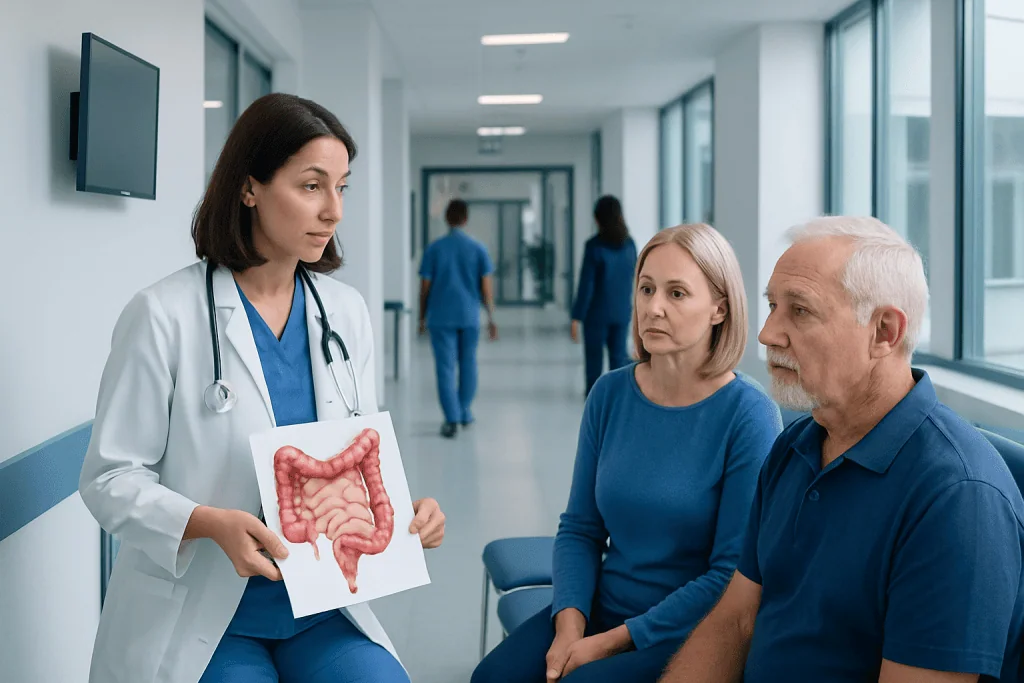
Diverticulitis happens when colon pouches called diverticula become inflamed or infected. Common symptoms include steady abdominal pain, bloating, fever, nausea, and constipation or diarrhea.
Key Takeaways
- Diverticulitis happens when colon pouches called diverticula become inflamed or infected.
- Common symptoms include steady abdominal pain, bloating, fever, nausea, and constipation or diarrhea.
- Mild cases may improve with rest, fluids, and medicines, while severe cases may need hospital care or surgery.
- A doctor may use a physical exam, blood tests, and imaging such as CT to confirm the diagnosis.
- Long-term prevention often includes a fiber-rich eating pattern, hydration, regular activity, and follow-up care.
Diverticulitis is a condition in which small pouches in the wall of the colon become inflamed or infected. It often causes lower abdominal pain, changes in bowel habits, and sometimes fever, but many people recover well with timely medical care and lifestyle guidance.
What diverticulitis is and why it happens
Diverticulitis is inflammation or infection of small bulging pouches that can form in the lining of the large intestine, also called the colon. These pouches are known as diverticula. Having diverticula alone is called diverticulosis, which is common with age and often causes no symptoms. Diverticulitis develops when one or more of these pouches become irritated, inflamed, or infected.
Many people ask whether diverticulitis is serious. The answer depends on how intense the inflammation is and whether complications develop. Mild cases may settle with medical treatment and monitoring, while more severe cases can lead to problems such as an abscess, a blockage, a tear in the bowel wall, or an abnormal connection to nearby organs. This is why ongoing symptoms should not be ignored.
Diverticulitis most often affects the lower part of the colon and commonly causes pain in the lower abdomen, often on the left side. Symptoms can overlap with other digestive conditions, so a proper diagnosis matters. In some patients, doctors may also evaluate for related digestive concerns such as colon cancer or other bowel disorders when symptoms or age-based screening needs make that appropriate.
Common symptoms and how a flare can feel

The most typical symptom of diverticulitis is steady abdominal pain that may come on over hours or days. Many people notice the pain in the lower left side of the belly, although the exact location can vary. The area may feel tender, and normal movement or pressure can make discomfort more noticeable.
Other symptoms often include fever, chills, bloating, nausea, loss of appetite, constipation, or diarrhea. Some people feel generally tired or unwell. Symptoms can range from mild to more intense, and a flare may interfere with eating, sleeping, and daily activities.
Not every episode looks the same. Older adults, people with weakened immune systems, or those taking certain medicines may have less obvious symptoms even when the condition is more advanced. Because abdominal pain has many possible causes, a clinician should evaluate persistent or significant symptoms rather than assuming they are caused by simple indigestion.
- Steady lower abdominal pain or tenderness
- Fever or chills
- Bloating or abdominal fullness
- Nausea or vomiting
- Constipation, diarrhea, or changes in bowel habits
- Loss of appetite and fatigue
Causes, risk factors, and possible complications
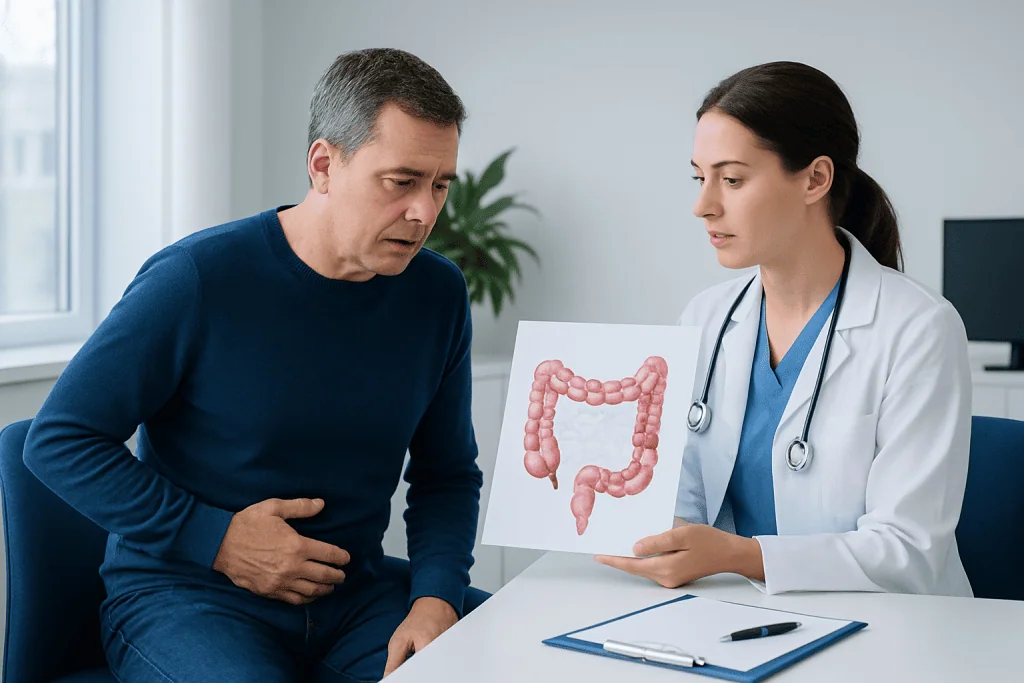
The exact cause of diverticulitis is not always clear. Diverticula may form over time as pressure inside the colon affects weaker areas of the bowel wall. When stool, bacteria, or inflammation affects one of these pouches, a flare of diverticulitis may occur. It is not caused by one single food, and older advice about avoiding nuts, seeds, or popcorn is no longer routinely recommended for most people.
Several factors can increase risk. Age is one of the strongest, because diverticulosis becomes more common over time. Other possible risk factors include a low-fiber eating pattern, obesity, smoking, lack of physical activity, and use of some medicines such as nonsteroidal anti-inflammatory drugs or steroids. Family history may also play a role.
Complications are not present in every case, but they can occur. These include an abscess, a perforation in the bowel, peritonitis, fistulas, narrowing of the colon, or intestinal obstruction. Complicated diverticulitis usually causes stronger symptoms and may require hospital treatment. If doctors suspect blockage or another structural problem, tests and procedures used in colonoscopy or imaging may become part of follow-up care after the acute inflammation settles.
How doctors diagnose diverticulitis
Diagnosis starts with a medical history and physical examination. The doctor asks about the pattern of pain, bowel changes, fever, past episodes, medicines, and other health conditions. During the abdominal exam, areas of tenderness, guarding, or bloating may give useful clues, but symptoms alone are not enough to confirm diverticulitis.
Blood tests may help show signs of infection or inflammation. A urine test may be used to rule out urinary causes of pain, and in some cases other tests are ordered depending on the person’s age, sex, and symptoms. Because abdominal pain can come from the appendix, gallbladder, urinary tract, gynecologic organs, or other bowel conditions, diagnosis often requires imaging.
A CT scan of the abdomen and pelvis is commonly used because it can show inflamed diverticula and detect complications such as an abscess or perforation. Colonoscopy is usually avoided during an acute flare because the bowel is inflamed, but it may be recommended later to assess the colon and exclude other conditions. If surgery is being considered or the diagnosis is uncertain, a gastroenterology or colorectal surgery team may be involved.
Treatment options and recovery
Treatment depends on how severe the episode is and whether complications are present. Mild uncomplicated diverticulitis may sometimes be managed at home with close medical guidance, temporary dietary adjustments, fluids, pain relief, and in selected cases antibiotics. Recommendations have changed over time, and antibiotics are not always needed for every mild case, so treatment should be individualized by a doctor.
If symptoms are more severe, if the person cannot drink enough fluids, or if complications are suspected, hospital care may be necessary. In the hospital, treatment can include intravenous fluids, antibiotics when indicated, pain control, and careful monitoring. An abscess may need drainage, often with image-guided techniques.
Surgery is usually reserved for complications, repeated severe attacks, or cases that do not improve with medical treatment. Depending on the situation, the care plan may involve colon and rectal surgery or other advanced gastrointestinal procedures. If imaging shows a complicated pattern that affects the bowel wall or nearby structures, specialists may also consider broader gastroenterology care to guide long-term management. Near the end of the treatment journey, some patients benefit from multidisciplinary follow-up; Acibadem International’s specialists in JCI-accredited hospitals diagnose and treat digestive conditions for international patients.
Recovery time varies. Many people begin to feel better within days of appropriate treatment, but full recovery can take longer, especially after a complicated episode. Follow-up is important to review symptoms, diet, bowel habits, and whether additional testing is needed after the inflammation has resolved.
Living well after diverticulitis: prevention and self-care
After an episode, long-term prevention focuses on supporting overall colon health and lowering the chance of another flare. A high-fiber eating pattern is often recommended once the acute episode has resolved, because fiber can help soften stool and support regular bowel movements. The best approach is usually gradual, with plenty of water, to avoid worsening bloating.
Regular physical activity, maintaining a healthy weight, and not smoking may also help reduce future risk. People should take medicines only as advised by their doctor, especially if they often use pain relievers that can irritate the digestive tract. For those with recurring symptoms, a personalized nutrition plan may be helpful, particularly if bowel sensitivity continues after recovery.
Self-care during recovery can include rest, staying hydrated, and following the doctor’s instructions about when to return to a normal diet. It is important not to self-diagnose repeated abdominal pain, because not every flare-like symptom is diverticulitis. Some people may have overlapping digestive disorders, and the care plan can change over time based on symptoms, age, and colon screening needs.
When to seek medical care
Medical assessment is important for new, persistent, or worsening abdominal pain, especially if it is paired with fever, vomiting, or a marked change in bowel habits. Prompt care helps confirm the diagnosis and lowers the risk of untreated complications. Even if someone has had diverticulitis before, a new episode should still be discussed with a clinician.
Urgent medical care is needed if there is severe abdominal pain, a rigid abdomen, inability to keep fluids down, fainting, significant rectal bleeding, confusion, or signs of dehydration. These symptoms can point to a more serious illness or a complication that needs immediate treatment.
People with weakened immune systems, older adults, and those with major chronic illnesses should contact a doctor early because symptoms may progress more quickly or be less typical. Follow-up after recovery also matters, since doctors may recommend colon evaluation or screening once it is safe to do so.
Frequently asked questions
What is the difference between diverticulosis and diverticulitis?
Diverticulosis means small pouches have formed in the colon wall, usually without causing symptoms. Diverticulitis happens when one or more of those pouches become inflamed or infected, leading to pain and other digestive symptoms.
Can diverticulitis go away on its own?
Some mild episodes may improve with rest and supportive care, but abdominal pain and possible infection should still be assessed by a doctor. Proper evaluation is important because symptoms can resemble other conditions and some cases become complicated.
What foods should be avoided with diverticulitis?
During an acute flare, a doctor may suggest temporary dietary changes based on symptoms and severity. After recovery, many people are advised to gradually increase fiber rather than avoid specific foods long-term, unless a particular food clearly worsens symptoms.
Is diverticulitis the same as irritable bowel syndrome?
No. Diverticulitis is inflammation or infection of colon pouches, while irritable bowel syndrome is a functional bowel disorder that does not cause the same type of infection or structural inflammation. The symptoms can overlap, so medical evaluation helps tell them apart.
Will everyone with diverticulosis develop diverticulitis?
No, most people with diverticulosis do not develop diverticulitis. Diverticulosis is common, especially with age, and many people never have a painful flare or any related complications.
When is surgery needed for diverticulitis?
Surgery is generally considered for complications such as perforation, abscess, fistula, blockage, or repeated severe attacks that affect quality of life. The decision depends on the person’s overall health, the severity of disease, and how well symptoms respond to other treatments.
References
- National Institute of Diabetes and Digestive and Kidney Diseases
- American Gastroenterological Association
- National Health Service
- Mayo Clinic
This article is for general information only and is not a substitute for professional medical advice. Please consult a qualified doctor about your individual situation.
Diverticulitis in Turkey — costs, top hospitals & a free quote
JCI-accredited · board-certified surgeons · reply within 24h
Add us as a Preferred Source to see more of our trusted health content across Google Search, AI Overviews and Discover.

General Surgery
Open, laparoscopic and robotic surgery for a broad range of abdominal and soft-tissue conditions.
120 specialists in this unit