Understanding Fifth Nerve Neuralgia: A Complete Patient Guide

Fifth nerve neuralgia is another name commonly used for trigeminal neuralgia, a condition affecting the fifth cranial nerve. Pain is typically sudden, electric-shock-like, and triggered by everyday activities such as talking, chewing, or touching the face.
Key Takeaways
- Fifth nerve neuralgia is another name commonly used for trigeminal neuralgia, a condition affecting the fifth cranial nerve.
- Pain is typically sudden, electric-shock-like, and triggered by everyday activities such as talking, chewing, or touching the face.
- Diagnosis is based on symptoms, a neurological examination, and often MRI to look for pressure on the nerve or other causes.
- Treatment usually starts with medication, but procedures or surgery may help when pain is severe or persistent.
- Prompt medical review is important if facial pain is new, worsening, or associated with numbness, weakness, or other neurological symptoms.
Fifth nerve neuralgia is a painful condition that causes brief, intense episodes of facial pain, usually on one side of the face. It most often involves the trigeminal nerve, and many people improve with a careful diagnosis and a treatment plan that may include medicines, procedures, or surgery.
Overview
Fifth nerve neuralgia is a term often used for trigeminal neuralgia, a pain condition involving the trigeminal nerve, also called the fifth cranial nerve. This nerve carries sensation from the face to the brain. When it becomes irritated or compressed, it can produce sudden bursts of severe facial pain that may feel sharp, stabbing, or like an electric shock.
The pain usually affects one side of the face and may involve the cheek, jaw, teeth, gums, lips, or less commonly the eye and forehead. Attacks can last from seconds to a couple of minutes, but they may repeat in clusters. Some people have pain-free periods between episodes, while others experience symptoms more frequently over time.
Although the pain can be distressing, fifth nerve neuralgia is a recognized neurological disorder with established ways to evaluate and treat it. Understanding the pattern of pain, triggers, and possible causes can help people seek the right care and avoid unnecessary dental or sinus treatments when the problem actually begins in the nerve.
How the condition feels and common symptoms
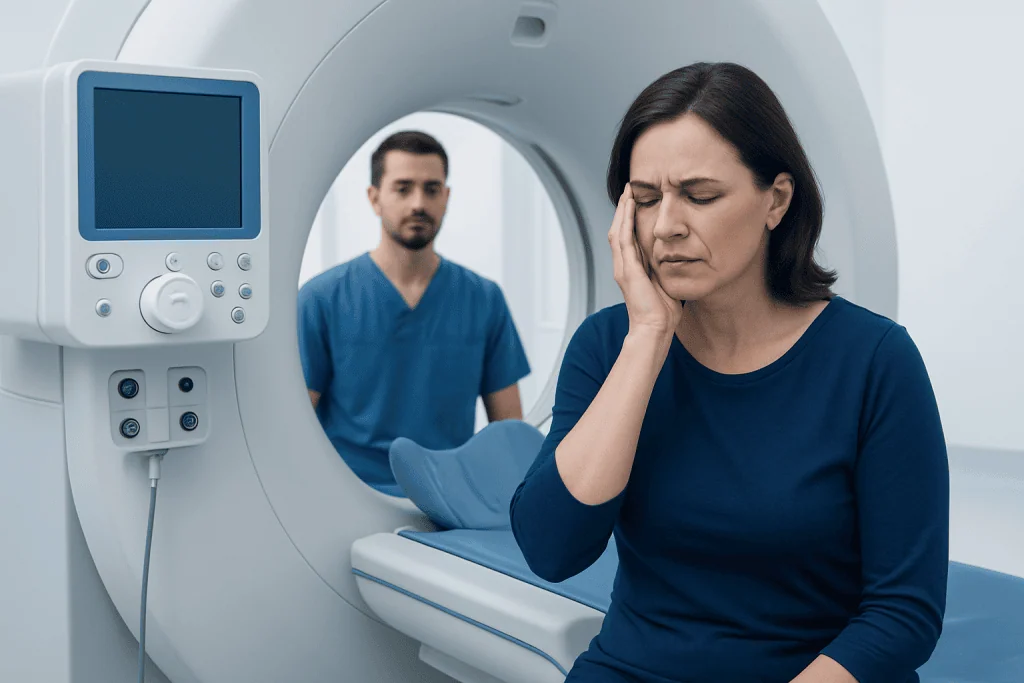
The hallmark symptom of fifth nerve neuralgia is sudden, severe facial pain. Many people describe it as electric, burning, shooting, or knife-like. It often happens in brief attacks and may be triggered by simple daily actions such as washing the face, brushing teeth, chewing, shaving, talking, smiling, or even feeling a light breeze.
In classical cases, the pain comes in bursts with pain-free intervals in between. Some people also develop a more constant aching, burning, or sensitive feeling in the same area. This can make eating, speaking, or personal care difficult and can affect sleep, mood, and confidence in social situations.
Symptoms commonly include:
- Sudden attacks of intense pain on one side of the face
- Pain in the cheek, jaw, teeth, gums, lips, or around the eye
- Episodes triggered by touch, chewing, talking, or cold air
- Periods with no pain between attacks, especially early on
- Occasionally, a background ache or burning sensation
Because the pain may involve the jaw or teeth, some people first think they have a dental problem. Repeated tooth procedures without relief can be a clue that the cause may be neurological rather than dental.
Why fifth nerve neuralgia happens

The most common reason for fifth nerve neuralgia is pressure on the trigeminal nerve by a nearby blood vessel. This contact can wear down the nerve’s protective covering, called myelin, making the nerve misfire and send pain signals too easily. This form is often called classical trigeminal neuralgia.
In some cases, facial pain occurs because of another underlying condition. These secondary causes can include multiple sclerosis, a tumor pressing on the nerve, or other structural problems affecting the nerve pathway. For this reason, doctors often recommend brain imaging, especially when symptoms are new, unusual, or occur in younger adults.
Risk can increase with age, and the condition is seen more often in middle-aged and older adults. It may also be more likely in people with disorders that affect the nerve covering or the blood vessels near the brain. Facial pain can have other explanations as well, so doctors may also consider conditions such as cluster headache or dental disease when symptoms do not fit the typical pattern.
Not all facial pain is fifth nerve neuralgia. Similar symptoms can occur with post-herpetic neuralgia after shingles, temporomandibular joint disorders, sinus disease, migraine, or other nerve pain syndromes. A careful history is important because treatment depends on the cause.
How doctors diagnose it
Diagnosis begins with a detailed description of the pain. Doctors look at where the pain occurs, how long attacks last, what the pain feels like, and what triggers it. The classic pattern of very brief, severe, one-sided facial pain with touch-related triggers often strongly suggests fifth nerve neuralgia.
A neurological examination helps assess facial sensation, reflexes, muscle function, and any signs that point to another disorder. In many people with classical trigeminal neuralgia, the examination is normal between attacks. However, numbness, weakness, hearing changes, or balance problems may suggest a different or additional cause that needs further evaluation.
MRI is commonly used to look for blood vessel contact with the nerve and to rule out other conditions such as tumors or multiple sclerosis. In some cases, doctors may use specialized MRI techniques to visualize the nerve more clearly. Blood tests are not usually diagnostic for fifth nerve neuralgia itself, but they may be ordered if another condition is suspected.
Because treatment is different for different pain syndromes, the diagnosis should ideally be confirmed by a neurologist, pain specialist, or neurosurgeon experienced in facial pain. In selected cases, advanced evaluation through neurology assessment or MRI imaging can help clarify the diagnosis and guide treatment choices.
Treatment options and what to expect
Treatment usually starts with medication. Standard painkillers often do not work well because the pain comes from abnormal nerve signaling rather than inflammation or muscle strain. Doctors commonly prescribe medicines that stabilize nerve activity. The exact choice depends on the person’s age, symptoms, other health conditions, and how well the medicine is tolerated.
If medication controls the pain well, many people can continue with regular follow-up and dose adjustments as needed. However, some people develop side effects such as sleepiness, dizziness, imbalance, or low sodium levels, and others find that medication becomes less effective over time. In those situations, a specialist may discuss procedural or surgical options.
Several procedures can be used when symptoms remain severe or disabling. One option is microvascular decompression, which aims to move a compressing blood vessel away from the trigeminal nerve. Other options include focused radiation or minimally invasive procedures that intentionally reduce pain signals from the nerve. The best choice depends on overall health, MRI findings, symptom pattern, and personal preference.
For some patients, surgical review may be appropriate, particularly when imaging shows a likely vascular compression and symptoms fit the classic pattern. Evaluation through neurosurgery consultation can help explain benefits, limitations, and potential risks of each approach. The goal is not only pain reduction but also preserving quality of life and function.
Living with the condition: self-care and prevention of flare-ups
There is no guaranteed way to prevent fifth nerve neuralgia, especially when it is related to nerve compression by a blood vessel. Still, many people find that identifying and reducing personal triggers can lessen the number of attacks or make daily life easier. Keeping a brief symptom diary can help track what sets pain off and whether treatment is working.
Practical self-care may include choosing softer foods during painful periods, taking time with oral hygiene, avoiding very cold wind on the face, and using gentle skin care. Stress does not cause the condition, but stress and poor sleep can make coping harder, so attention to rest, regular routines, and emotional support can be helpful.
It is important not to self-diagnose persistent facial pain. Repeated dental treatment without clear dental disease may delay proper care. If the pain pattern is consistent with nerve-related facial pain, referral to a specialist can help distinguish fifth nerve neuralgia from other conditions, including migraine and other neurological causes of head and face pain.
Near the end of the care pathway, some people benefit from a multidisciplinary approach that includes neurology, neurosurgery, pain management, and imaging specialists. Acibadem International’s multidisciplinary specialists and JCI-accredited hospitals diagnose and treat facial pain conditions for international patients when further evaluation or treatment is needed.
When to seek medical care
Medical care is important if a person has new, severe, or recurring facial pain, especially if the pain is brief, shock-like, and triggered by touch or daily activities. Early assessment can help confirm whether the problem is fifth nerve neuralgia or another condition that needs different treatment. This can also reduce the chance of unnecessary procedures and help relieve pain sooner.
Urgent medical attention is needed if facial pain is accompanied by numbness, facial weakness, double vision, hearing loss, fever, rash, trouble speaking, trouble swallowing, or symptoms affecting balance. These features are not typical of straightforward classical trigeminal neuralgia and may point to another neurological or medical problem.
People should also seek review if medication is not helping, if side effects are difficult to manage, or if attacks are becoming more frequent or severe. A specialist can reassess the diagnosis, adjust treatment, and discuss whether imaging or a procedure may be appropriate.
Frequently asked questions
Is fifth nerve neuralgia the same as trigeminal neuralgia?
In most patient education contexts, fifth nerve neuralgia refers to trigeminal neuralgia. The trigeminal nerve is the fifth cranial nerve, so the terms are closely related. A doctor can confirm whether a person's facial pain fits this diagnosis or another facial pain condition.
What triggers attacks of fifth nerve neuralgia?
Common triggers include touching the face, chewing, talking, brushing teeth, shaving, washing the face, or exposure to cold wind. Triggers vary from person to person and may change over time. Even very light stimulation can bring on pain in some people.
Can fifth nerve neuralgia go away on its own?
Symptoms can sometimes improve for a period of time, and some people have remissions with little or no pain between episodes. However, the condition often returns and may become more frequent over time. Because effective treatments are available, recurring symptoms should be assessed by a doctor.
Is the pain caused by a dental problem?
Sometimes the pain feels as if it is coming from the teeth or gums, but the source may actually be the trigeminal nerve. Dental conditions can also cause facial pain, so proper evaluation is important. If dental treatment does not explain or relieve the pain, a neurological cause should be considered.
Do all patients with fifth nerve neuralgia need surgery?
No. Many people are treated first with medication, and some do well for a long time without surgery. Procedures or surgery are usually considered when pain remains severe, medicines cause troublesome side effects, or imaging suggests a treatable structural cause.
What tests are usually needed?
The most important part of diagnosis is the medical history and neurological examination. MRI is commonly used to look for pressure on the nerve or other causes such as multiple sclerosis or a mass. Additional tests depend on the symptoms and what the doctor suspects.
References
- National Institute of Neurological Disorders and Stroke
- National Health Service
- Mayo Clinic
- American Association of Neurological Surgeons
- National Institute for Health and Care Excellence
This article is for general information only and is not a substitute for professional medical advice. Please consult a qualified doctor about your individual situation.
Explore treatments in Turkey — costs, top hospitals & a free quote
JCI-accredited · board-certified surgeons · reply within 24h
Add us as a Preferred Source to see more of our trusted health content across Google Search, AI Overviews and Discover.