Understanding Glioma Blastoma: A Complete Patient Guide
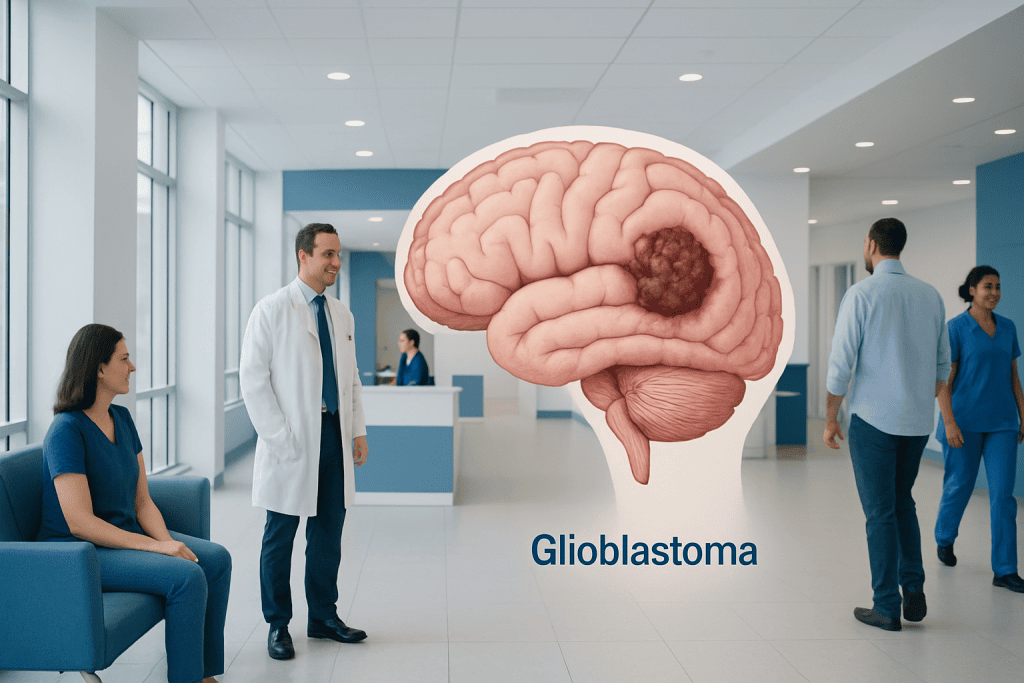
Glioma blastoma is not a formal medical diagnosis, but it often refers to glioblastoma or another high-grade glioma. Symptoms depend on the tumor’s location and may include headaches, seizures, weakness, memory changes, or speech problems.
Key Takeaways
- Glioma blastoma is not a formal medical diagnosis, but it often refers to glioblastoma or another high-grade glioma.
- Symptoms depend on the tumor’s location and may include headaches, seizures, weakness, memory changes, or speech problems.
- Diagnosis usually involves neurological assessment, MRI brain imaging, and tissue testing after biopsy or surgery.
- Treatment commonly combines surgery, radiotherapy, and chemotherapy, with care planned by a multidisciplinary team.
- Prompt medical evaluation is important for new seizures, worsening neurological symptoms, or severe persistent headaches.
Glioma blastoma is a non-technical phrase often used to describe an aggressive brain tumor, most commonly glioblastoma. Understanding what the term means, how these tumors are diagnosed, and which treatments may help can make care decisions clearer and less overwhelming.
What glioma blastoma means
Glioma blastoma is not a standard medical term, but many people use it when searching for information about a serious brain tumor. In most cases, the phrase refers to glioblastoma, a fast-growing type of glioma that begins in glial cells, the supportive cells of the brain. Some people may also use it more broadly to describe high-grade gliomas, which are aggressive tumors of the central nervous system.
A glioma can behave very differently depending on its grade, exact cell type, and where it is located in the brain or spinal cord. Low-grade gliomas may grow slowly, while high-grade gliomas, including glioblastoma, usually grow more quickly and need timely specialist care. Because the wording can be confusing, it helps for patients to ask their doctor exactly which type of tumor is being discussed and what that means for treatment.
These tumors are not all the same. Even when two people are told they have glioblastoma, their tumor’s molecular features, age, general health, and neurological function can affect outlook and treatment options. This is why doctors increasingly combine imaging findings with laboratory testing of tumor tissue to build a more precise diagnosis.
For readers who want to understand the formal diagnosis behind this search term, glioblastoma is the closest and most relevant condition. A careful explanation from a neurologist, neurosurgeon, or neuro-oncology team can help translate medical terms into a clear plan.
Symptoms and how they may appear
Symptoms of a glioma depend mainly on where the tumor is growing and how much pressure it places on nearby brain tissue. Some symptoms begin gradually over weeks or months, while others appear more suddenly. A person may first notice subtle changes in concentration, personality, balance, or speech before realizing that something more serious is happening.
Common symptoms can include persistent or worsening headaches, nausea, vomiting, seizures, weakness on one side of the body, numbness, blurred vision, and trouble with memory or language. Some people develop confusion, drowsiness, or changes in behavior. Seizures may be the first sign, especially in adults with no previous seizure history.
Symptoms do not always mean cancer, and many common conditions can also cause headaches or dizziness. What matters is the pattern. A new neurological symptom, repeated seizures, increasing headaches, or a clear decline in thinking or movement deserves medical evaluation.
- Headaches that are new, persistent, or getting worse
- New seizure or unexplained blackout
- Weakness, clumsiness, or numbness
- Speech or vision changes
- Memory problems or personality changes
- Difficulty walking or loss of balance
Causes, risk factors, and who may be affected
For most people, the exact cause of glioblastoma or other aggressive gliomas is not known. These tumors usually develop because of genetic changes that occur in brain cells over time, but in most cases there is no single identifiable trigger. It is important for patients to know that they did not cause the tumor through everyday activities, stress, or a minor head injury.
Age is one factor, as glioblastoma is more common in older adults, although it can occur at different ages. Exposure to high-dose ionizing radiation to the head in the past is a recognized risk factor. Rare inherited syndromes can also increase the risk of brain tumors, but these account for only a small number of cases.
Researchers now understand that brain tumors can differ at the molecular level, including changes in genes and cell-signaling pathways. These features help classify tumors more accurately and may influence treatment planning. That is one reason why modern pathology reports often include biomarker testing, not just a simple tumor name.
Family members often worry about whether a brain tumor is contagious or commonly inherited. It is not contagious, and most gliomas are not passed down through families. If there is a strong family history of cancers or neurological tumors, a doctor may sometimes recommend genetic counseling.
How doctors confirm the diagnosis
Diagnosis usually starts with a detailed medical history and neurological examination. The doctor asks about the timing of symptoms, headaches, seizures, weakness, memory changes, and any shift in speech or personality. The neurological exam checks strength, sensation, reflexes, coordination, vision, and mental function.
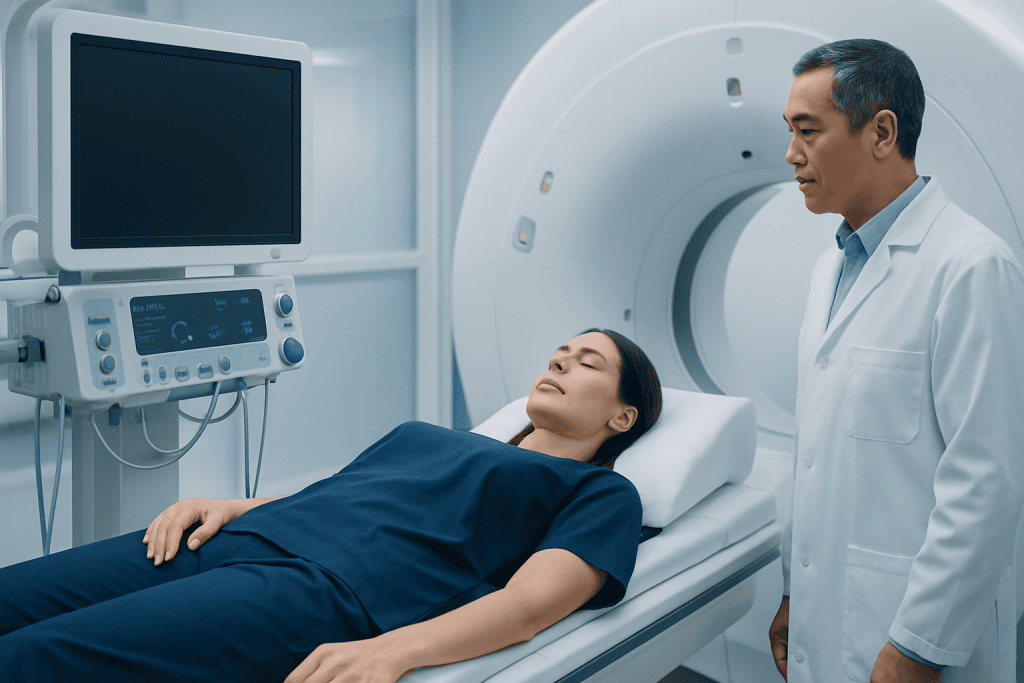
Brain imaging is the next key step. Magnetic resonance imaging, especially contrast-enhanced MRI, is commonly used to show the size, location, and appearance of the tumor and its effect on surrounding tissue. In some situations, advanced imaging or other tests may help doctors better understand the lesion and plan surgery or biopsy.
A definite diagnosis usually requires a tissue sample. This may be obtained through a biopsy or during surgery to remove as much of the tumor as safely possible. A pathologist then examines the cells under a microscope and performs molecular testing to classify the tumor more precisely.
Because diagnosis depends on both imaging and tissue analysis, specialists may involve several departments in care planning. Patients often benefit from coordinated MRI imaging, neurosurgical assessment, and pathology review before treatment begins.
Treatment options and how care is planned
Treatment for glioma blastoma, usually meaning glioblastoma or another high-grade glioma, is tailored to the individual. Doctors consider the tumor’s location, size, grade, molecular profile, symptoms, and the person’s age and general health. The main goals are to remove or control the tumor as safely as possible, reduce symptoms, preserve neurological function, and support quality of life.
Surgery is often the first treatment when it can be done safely. The aim may be to remove as much visible tumor as possible without damaging critical brain areas that control speech, movement, or other essential functions. In some cases, only a biopsy is possible if the tumor is in a difficult or high-risk location. For many patients, brain tumor surgery is a central part of diagnosis and treatment.
After surgery or biopsy, additional treatment commonly includes radiotherapy and chemotherapy. Radiation helps target remaining tumor cells in the brain, while chemotherapy may improve disease control in selected patients. Newer approaches such as tumor-specific targeted treatment, clinical trials, or supportive therapies may also be discussed depending on the pathology results and local expertise. Some patients may receive radiation oncology care as part of a combined treatment plan.
Supportive treatment is also important. Medicines may be used to control seizures, reduce swelling around the tumor, and ease symptoms such as headaches or nausea. Rehabilitation, speech therapy, occupational therapy, and emotional support can be valuable during and after treatment. When chemotherapy is part of care, patients may also discuss chemotherapy benefits and side effects with their oncology team.
Daily life, self-care, and supportive needs
Living with a high-grade glioma can affect more than physical health. Many people experience fatigue, memory changes, trouble focusing, or emotional stress after diagnosis or treatment. Families may also need help adapting to new routines, transportation needs, medication schedules, or changes in work and independence.
Self-care works best when it is practical and realistic. Regular rest, balanced meals, gentle physical activity if approved by the medical team, and taking medicines exactly as prescribed can support recovery. Keeping a symptom diary can help patients report headaches, seizure activity, weakness, mood changes, or treatment side effects more clearly at appointments.
Safety matters, especially if seizures or balance problems are present. Patients should ask their doctor about driving, working, travel, and fall prevention. Some people may need home support or rehabilitation to improve mobility, speech, or daily function.
Emotional support is part of treatment, not an extra. Counseling, support groups, neuropsychology, and palliative care services can help manage anxiety, uncertainty, and symptom burden at any stage of illness. Palliative care does not mean giving up treatment; it means adding expert symptom relief and quality-of-life support alongside other therapies.
When to seek medical care
Urgent medical attention is needed for a first seizure, sudden weakness, loss of consciousness, severe confusion, or a sudden major change in speech or vision. These symptoms can signal a brain emergency and should not be ignored. If stroke-like symptoms appear, emergency assessment is especially important.
A doctor should also evaluate persistent headaches that are getting worse, repeated vomiting without a clear cause, increasing drowsiness, or progressive memory and behavior changes. Even if symptoms seem mild at first, a pattern of worsening neurological problems deserves timely investigation.
People already diagnosed with a glioma should contact their care team if they develop new seizures, worsening headaches, fever during treatment, increasing weakness, or troubling side effects from medicines. Follow-up scans and clinic visits are important because they help doctors monitor treatment response and adjust care if needed.
For international patients seeking coordinated evaluation, Acibadem International’s multidisciplinary specialists and JCI-accredited hospitals diagnose and treat complex brain tumors with imaging, neurosurgery, oncology, and rehabilitation services working together.
Frequently asked questions
Is glioma blastoma the same as glioblastoma?
Not exactly, but people often use the term glioma blastoma when they mean glioblastoma. Glioblastoma is a formal medical diagnosis, while glioma blastoma is more of a search term or informal phrase.
What is the difference between a glioma and a glioblastoma?
Glioma is a broad group of tumors that start in glial cells of the brain or spinal cord. Glioblastoma is a specific type of high-grade glioma that tends to grow quickly and usually needs prompt specialist treatment.
Can headaches alone mean a brain tumor?
Most headaches are not caused by a brain tumor. Doctors become more concerned when headaches are new, worsening, associated with vomiting, seizures, weakness, or changes in thinking, speech, or vision.
How is glioblastoma diagnosed?
Doctors usually use a neurological exam and MRI scan to look for a brain lesion. A definite diagnosis typically requires a biopsy or surgery so the tumor tissue can be examined and tested in the laboratory.
Is surgery always possible for glioma blastoma?
Not always. Whether surgery is possible depends on the tumor’s location, size, and how close it is to important brain areas. In some cases, a biopsy is safer than attempting extensive tumor removal.
What treatments are commonly used?
Treatment often includes a combination of surgery, radiotherapy, and chemotherapy. Some patients may also receive rehabilitation, seizure treatment, symptom control medicines, or be considered for clinical trials depending on the tumor type and overall health.
Can people live well during treatment?
Many people can maintain meaningful daily activities with the right medical and supportive care, although treatment can be physically and emotionally demanding. Rehabilitation, symptom control, nutritional support, and counseling may all help improve quality of life.
References
- World Health Organization
- National Cancer Institute
- American Brain Tumor Association
- National Institute of Neurological Disorders and Stroke
- European Association of Neuro-Oncology
This article is for general information only and is not a substitute for professional medical advice. Please consult a qualified doctor about your individual situation.
Oncology care in Turkey — second opinion and treatment plan
JCI-accredited · board-certified surgeons · reply within 24h
Add us as a Preferred Source to see more of our trusted health content across Google Search, AI Overviews and Discover.

More from the Health Library
Related Specialists

Prof. Dr. M. Özcan Erdemli
Anesthesiology
Dt. Alara Naz Kenir
Oral & Dental Health
Dr. Cahide İnci Kurtul
General Surgery
Dr. Onur Güney Yılmaz
Emergency Service