Understanding Horner Syndrome: A Complete Patient Guide

Horner syndrome is a sign of nerve pathway disruption, not a standalone illness. Typical features include a drooping upper eyelid, a small pupil, and less sweating on one side of the face.
Key Takeaways
- Horner syndrome is a sign of nerve pathway disruption, not a standalone illness.
- Typical features include a drooping upper eyelid, a small pupil, and less sweating on one side of the face.
- Causes range from harmless to urgent, so a new case should be assessed by a doctor promptly.
- Diagnosis often involves an eye exam, neurological assessment, and imaging to locate the cause.
- Treatment depends on the underlying problem rather than on the eye signs alone.
Horner syndrome is a pattern of symptoms—usually a drooping eyelid, a smaller pupil, and reduced sweating on one side of the face—caused by interruption of the sympathetic nerve pathway. It is not a disease by itself, so care focuses on identifying the underlying cause and treating it appropriately.
What Horner Syndrome Is
Horner syndrome is a group of signs that appears when part of the sympathetic nervous system pathway is interrupted. This pathway helps control automatic body functions, including pupil size, eyelid position, and sweating. When the pathway is affected on one side, the eye and nearby facial area may look different from the other side.
In most people, horner syndrome causes a small pupil, a mild drooping of the upper eyelid, and reduced sweating on the same side of the face. Some people also notice that the affected eye seems slightly sunken, although this is often more of an appearance related to the eyelid changes than a true shift in eye position.
Horner syndrome itself is not a diagnosis in the usual sense. Instead, it is a clue that there may be a problem somewhere along a long nerve route that starts in the brain, travels through the neck and chest, and ends in the eye and facial skin. Because that route passes through several parts of the body, the causes can vary widely.
This is why the most important question is not only whether someone has horner syndrome, but also why it has happened. In some cases the cause is minor or longstanding. In others, it may be related to an underlying neurological, vascular, chest, or neck condition that needs timely attention.
Signs and Symptoms to Notice
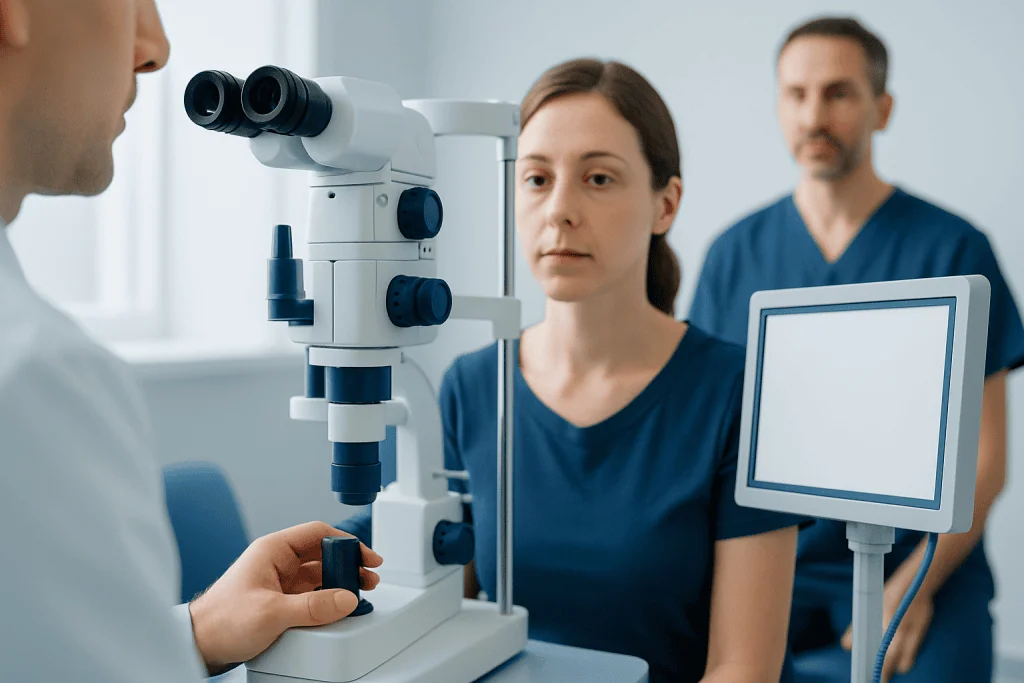
The classic signs of horner syndrome usually affect just one side. The pupil on the affected side is smaller than the other, especially in dim light when pupils normally widen. The upper eyelid may droop slightly, and the lower eyelid can sit a little higher than usual, making the eye opening look narrower.
Changes in sweating may also occur. Some people sweat less on one side of the face, and in some cases the area of reduced sweating may extend to the neck or upper body, depending on where the nerve pathway is interrupted. A person may also notice that facial flushing differs from one side to the other.
In children, additional signs can sometimes be seen. The iris on the affected side may be lighter in color if the syndrome developed very early in life, and reduced facial flushing on one side may be noticeable during exercise or heat exposure.
- Smaller pupil in one eye
- Mild drooping of the upper eyelid
- Narrower eye opening on one side
- Reduced sweating on one side of the face
- Different response of the pupils in bright versus dim light
- In infants or young children, lighter iris color on one side
These features are often painless, but the underlying cause may produce other symptoms. For example, neck pain, headache, arm weakness, chest symptoms, visual changes, or balance problems can provide important clues about what is affecting the nerve pathway.
Why It Happens: Causes and Risk Factors

The nerve pathway involved in horner syndrome has three linked parts, and interruption can happen anywhere along them. The first part runs from the brain to the upper spinal cord, the second travels through the chest and neck, and the third follows blood vessels toward the eye. Doctors often classify causes according to which part of this chain is affected.
Possible causes include stroke, tumors, spinal cord disease, neck injury, thyroid or neck surgery, chest masses, inflammation, and conditions affecting the carotid artery. A tear in the lining of the carotid artery, called carotid artery dissection, is an important cause because it may present with sudden neck pain or headache plus signs of horner syndrome and needs urgent assessment. Some vascular and neurological causes may overlap with conditions such as stroke.
Other cases are related to migraine, cluster headache, trauma, or complications after medical procedures in the neck or chest. In children, causes may include birth injury, surgery, tumors affecting nerve tissue, or a congenital form present from birth. Sometimes, despite a careful workup, no definite cause is found.
Risk factors depend on the underlying problem rather than on horner syndrome itself. Recent neck trauma, severe new headache, neurological symptoms, smoking history, prior cancer, vascular disease, or recent surgery can all increase the importance of prompt evaluation. The pattern and timing of symptoms often help doctors decide how urgent the assessment should be.
How Doctors Diagnose Horner Syndrome
Diagnosis begins with a detailed history and physical examination. A doctor will ask when the symptoms started, whether they appeared suddenly or gradually, and whether there are associated problems such as pain, headache, weakness, numbness, dizziness, or visual changes. Photos taken in the past can sometimes help show whether the asymmetry is new or longstanding.
An eye examination is central to diagnosis. The doctor compares pupil sizes in bright and dim light, checks eyelid position, and looks for differences in sweating or facial flushing. In some situations, special eye drops may be used to support the diagnosis or help localize the nerve problem, although imaging is often still needed to identify the cause.
Because the abnormality may be anywhere along the pathway, imaging tests are commonly recommended. These may include MRI, CT scan, or vascular imaging when a blood vessel problem is suspected. If the symptoms suggest a carotid artery issue, chest problem, or brain-related cause, the test selection will be tailored accordingly.
Additional tests depend on the clinical picture. Blood tests, chest imaging, or referral to neurology, neuro-ophthalmology, ophthalmology, or vascular specialists may be appropriate. The goal is not only to confirm horner syndrome, but also to find and treat the reason it has occurred.
Treatment and What Recovery May Look Like
There is no single treatment that directly cures horner syndrome in every case, because treatment targets the underlying cause. If the cause is identified and treatable, managing it may improve the eye and facial signs over time. In other cases, the signs may persist even after the cause has been addressed, but the main medical priority remains treating the condition behind the syndrome.
For example, treatment may involve care for a vascular problem, management of a neurological disorder, treatment of a chest or neck mass, or support after injury. Some patients may need coordinated care involving neurology, ophthalmology, vascular medicine, thoracic specialists, or neurosurgery, depending on where the nerve pathway is affected.
When symptoms are mild and the underlying cause is not dangerous, treatment may focus mainly on monitoring and follow-up. Vision is often preserved because horner syndrome usually affects the autonomic control of the eye rather than the structures responsible for seeing clearly. Still, the doctor may monitor for changes and ensure that no new neurological symptoms develop.
Recovery varies. If the syndrome is caused by temporary nerve irritation or a treatable condition, the eyelid and pupil differences may improve. If nerve fibers have been permanently damaged, some features may remain. The doctor will explain what is realistic based on the cause, timing, and results of the evaluation.
Living With Horner Syndrome and Practical Self-care
For many people, the most important part of living with horner syndrome is understanding that the visible eye changes are a sign rather than the whole issue. Once urgent causes have been excluded and an appropriate treatment plan is in place, many people continue their daily activities with little limitation. The cosmetic differences are often mild, though they can still feel noticeable to the person affected.
Self-care centers on follow-up and watching for changes. Keeping appointments, taking prescribed medicines for the underlying condition, and reporting new symptoms promptly can all help support safe care. If the cause involves the neck, blood vessels, or nervous system, the doctor may also recommend activity adjustments during recovery.
- Attend scheduled follow-up visits
- Seek help promptly for new pain, weakness, or worsening symptoms
- Manage underlying health conditions such as high blood pressure or vascular risk factors
- Use past and current photos to help track visible changes if advised by a doctor
- Ask whether specialist follow-up is needed for vision, neurology, or vascular care
When care requires multiple specialties, a coordinated center can be helpful. Near the end of the care pathway, some patients may also benefit from expert evaluation in neurology services. Acibadem International’s multidisciplinary specialists and JCI-accredited hospitals diagnose and treat conditions linked to horner syndrome for international patients when comprehensive assessment is needed.
When to Seek Medical Care
A new or newly noticed horner syndrome should be evaluated by a doctor, especially if it develops suddenly. Prompt assessment matters because the underlying cause may occasionally be urgent, even when the eye symptoms themselves seem mild.
Urgent medical attention is especially important if the signs appear with sudden neck pain, severe headache, facial or arm weakness, numbness, dizziness, trouble speaking, chest symptoms, or recent trauma. These associated features can point to problems involving the brain, spinal cord, blood vessels, or chest.
Children with possible horner syndrome should also be assessed, particularly if the symptoms are new, followed an injury, or are accompanied by a neck or abdominal mass, unusual sweating patterns, or changes in iris color. A pediatric evaluation helps determine whether the cause is congenital, injury-related, or due to another condition that needs treatment.
Even when symptoms seem stable, it is sensible to arrange medical review if one pupil looks persistently smaller than the other or one eyelid has begun to droop. Early assessment helps clarify whether the difference is truly horner syndrome or another eye or nerve condition, such as a brain tumor or another neurological disorder, that may require different care.
Frequently asked questions
Is horner syndrome an emergency?
Horner syndrome itself is a pattern of signs, not a disease, so the level of urgency depends on the cause. If it starts suddenly or comes with neck pain, severe headache, weakness, numbness, or recent trauma, urgent medical assessment is important.
Can horner syndrome go away on its own?
Sometimes the signs improve if the underlying cause is temporary or successfully treated. In other cases, some eyelid or pupil changes may remain, especially if the nerve pathway has been permanently affected.
Does horner syndrome affect vision?
Most people keep normal visual sharpness because the condition usually affects pupil size and eyelid position rather than the parts of the eye responsible for clear sight. However, any new visual symptoms should still be checked promptly to rule out other eye or neurological problems.
What causes one pupil to be smaller than the other in horner syndrome?
In horner syndrome, the sympathetic nerves that normally help widen the pupil do not work properly on one side. As a result, that pupil stays smaller, and the difference is often more noticeable in dim light.
Can children be born with horner syndrome?
Yes, horner syndrome can be congenital, meaning present from birth. It may be related to birth injury or other conditions affecting the nerve pathway, and children should be assessed by a qualified doctor to identify the cause.
Which doctor treats horner syndrome?
Evaluation often involves an ophthalmologist, neuro-ophthalmologist, neurologist, or another specialist depending on the suspected cause. Because the nerve pathway spans the brain, neck, chest, and blood vessels, more than one specialty may be involved.
References
- National Eye Institute
- American Academy of Ophthalmology
- National Institute of Neurological Disorders and Stroke
- Merck Manual Professional Edition
- Mayo Clinic
This article is for general information only and is not a substitute for professional medical advice. Please consult a qualified doctor about your individual situation.
Explore treatments in Turkey — costs, top hospitals & a free quote
JCI-accredited · board-certified surgeons · reply within 24h
Add us as a Preferred Source to see more of our trusted health content across Google Search, AI Overviews and Discover.