Understanding Hurler Syndrome: A Complete Patient Guide

Hurler syndrome is the severe form of mucopolysaccharidosis type I (MPS I), a lysosomal storage disorder. It is caused by inherited changes in the IDUA gene, leading to low or absent alpha-L-iduronidase enzyme activity.
Key Takeaways
- Hurler syndrome is the severe form of mucopolysaccharidosis type I (MPS I), a lysosomal storage disorder.
- It is caused by inherited changes in the IDUA gene, leading to low or absent alpha-L-iduronidase enzyme activity.
- Symptoms often begin in infancy or early childhood and may affect growth, bones, breathing, the heart, vision, hearing, and development.
- Diagnosis usually involves urine testing, enzyme testing, and genetic confirmation.
- Treatment may include enzyme replacement therapy, stem cell transplantation, and supportive care from multiple specialists.
- Ongoing follow-up is important because the condition can affect many body systems over time.
Hurler syndrome is a rare inherited condition in which the body cannot properly break down certain complex sugars, causing them to build up in tissues and organs. Early recognition, specialist care, and timely treatment can help manage symptoms and support a better quality of life.
What Is Hurler Syndrome?
Hurler syndrome is a rare genetic disorder that happens when the body lacks enough of an enzyme called alpha-L-iduronidase. Without this enzyme, certain sugar molecules known as glycosaminoglycans cannot be broken down normally. These substances gradually build up inside cells, leading to damage in different organs and tissues.
Hurler syndrome is the most severe form of mucopolysaccharidosis type I, often shortened to MPS I. Doctors may describe MPS I as a spectrum, with Hurler syndrome at the more severe end and other forms, such as Hurler-Scheie and Scheie syndrome, causing milder symptoms. Because the condition affects many parts of the body, children usually need coordinated care from several specialists.
This condition is present from birth, but the signs may not be obvious right away. Over time, families may notice changes in growth, facial features, breathing, movement, hearing, or development. Although Hurler syndrome is serious, earlier diagnosis and treatment can make a meaningful difference in long-term health and day-to-day functioning.
Symptoms and How Hurler Syndrome Affects the Body
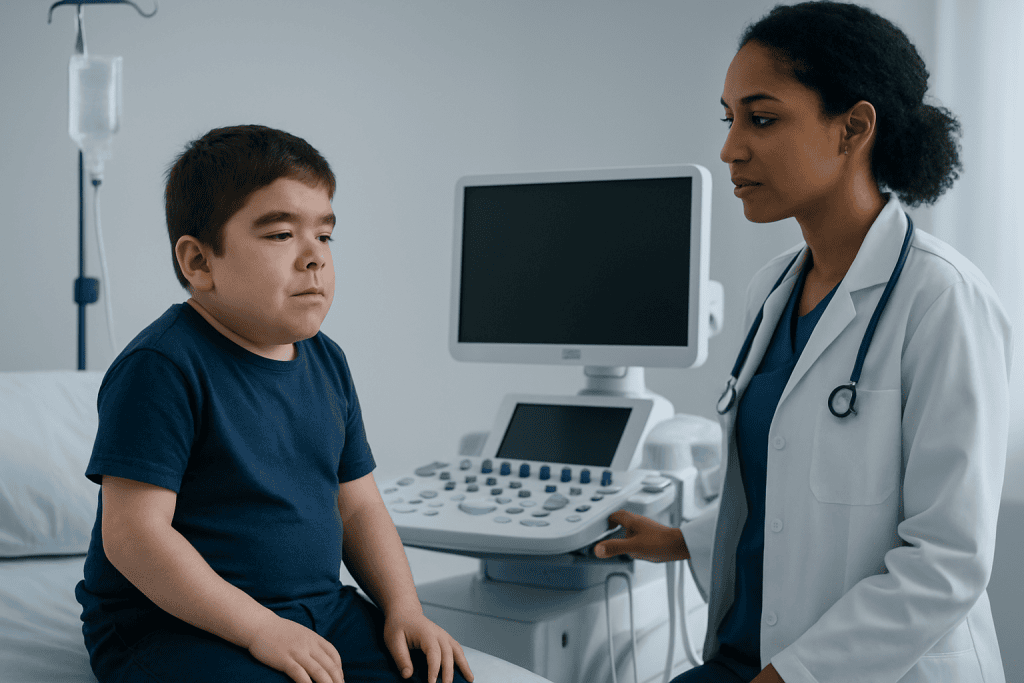
The symptoms of hurler syndrome usually appear during infancy or early childhood. At first, they can be subtle and may include frequent ear or respiratory infections, hernias, noisy breathing, or delayed growth. As more glycosaminoglycans accumulate, symptoms often become more noticeable across several body systems.
Children with hurler syndrome may develop coarse facial features, enlarged liver and spleen, joint stiffness, short stature, and skeletal changes. Some also have cloudy corneas, hearing loss, sleep-disordered breathing, heart valve problems, and developmental delay. The exact pattern and severity vary, but the disease typically progresses if untreated.
Common features can include:
- Frequent ear, nose, and throat infections
- Umbilical or inguinal hernias
- Large head size or distinctive facial appearance
- Stiff joints and limited mobility
- Spinal or bone abnormalities
- Cloudy corneas or vision problems
- Hearing difficulties
- Enlarged liver or spleen
- Heart and airway involvement
- Developmental slowing or learning difficulties
Because these symptoms can overlap with other rare disorders, hurler syndrome may not be recognized immediately. In some children, evaluation also includes consideration of related inherited metabolic conditions such as Hunter syndrome or broader categories of metabolic diseases.
Causes and Risk Factors

Hurler syndrome is caused by changes in the IDUA gene. This gene provides instructions for making the alpha-L-iduronidase enzyme. When the enzyme is missing or does not work well, the body cannot properly process dermatan sulfate and heparan sulfate, two glycosaminoglycans that then accumulate in lysosomes, the recycling centers inside cells.
The condition follows an autosomal recessive inheritance pattern. This means a child must inherit one nonworking copy of the gene from each parent to develop the disorder. Parents who each carry one altered gene usually do not have symptoms, but they can pass the condition on to their children.
A family history of MPS I increases the likelihood that a child may be affected or be a carrier. Genetic counseling can help families understand inheritance, testing options, and future pregnancy planning. In some regions, newborn screening may identify MPS I before symptoms become clear, allowing earlier specialist assessment and treatment planning.
How Hurler Syndrome Is Diagnosed
Diagnosis starts with a careful review of symptoms, growth, development, and physical findings. Because hurler syndrome can affect the skeleton, eyes, ears, heart, lungs, and nervous system, a child may be seen by more than one doctor before the diagnosis becomes clear. Pediatricians often refer children with suspected MPS I to genetics or metabolic disease specialists.
Testing usually includes urine studies to look for elevated glycosaminoglycans, followed by enzyme testing to measure alpha-L-iduronidase activity in blood or other cells. Genetic testing is then used to confirm changes in the IDUA gene. This combination helps establish the diagnosis and distinguish hurler syndrome from other inherited disorders.
After diagnosis, doctors may recommend additional assessments to understand how much the condition has affected different organs. These may include heart evaluation, hearing tests, eye exams, sleep studies, imaging, and developmental assessments. In some cases, advanced scans such as MRI scanning help evaluate the brain, spine, or other structures involved in the disease.
Treatment Options and Long-Term Care
Treatment for hurler syndrome aims to slow disease progression, reduce complications, and support development and daily function. Because the condition affects many body systems, care is usually coordinated by a multidisciplinary team that may include metabolic specialists, pediatricians, cardiologists, orthopedists, neurologists, ENT specialists, ophthalmologists, and rehabilitation professionals.
One important treatment is enzyme replacement therapy, which provides a man-made version of the missing enzyme. This can help improve some physical symptoms and reduce glycosaminoglycan buildup in certain tissues. However, enzyme replacement does not fully address all parts of the disease, especially effects within the central nervous system.
For some children, hematopoietic stem cell transplantation may be considered, particularly when diagnosis is made early. This treatment can provide cells that produce the missing enzyme and may help preserve cognitive function in selected patients. Doctors weigh potential benefits and risks carefully, and transplant eligibility depends on age, overall health, and disease stage.
Supportive care remains essential even when disease-specific treatment is given. A child may need physical therapy and rehabilitation for mobility and joint stiffness, hearing support, airway and sleep management, heart monitoring, and sometimes surgery for hernias, orthopedic problems, or ENT issues. If neurological symptoms, spinal compression, or hydrocephalus are suspected, further evaluation may involve pediatric neurosurgery.
Daily Living, Monitoring, and Family Support
Living with hurler syndrome often means regular appointments and ongoing monitoring. Follow-up helps the care team track growth, breathing, hearing, vision, heart function, mobility, and development. Because needs can change over time, treatment plans are usually adjusted as the child grows.
Families may find it helpful to keep a written record of symptoms, medications, specialist visits, and test results. This can make care more organized and improve communication between doctors. School planning and developmental support are also important, especially if learning or physical challenges affect participation in daily activities.
Emotional support matters for both the child and the family. Rare diseases can feel isolating, and speaking with genetic counselors, social workers, therapists, or patient support groups may help families understand the condition and navigate practical concerns. Clear communication with the medical team can make complex care more manageable.
Near the end of the care journey planning process, some families also look for centers experienced in treating rare multisystem disorders. Acibadem International’s multidisciplinary specialists and JCI-accredited hospitals diagnose and treat complex pediatric conditions for international patients when coordinated specialty care is needed.
When to Seek Medical Care
Medical review is important if a baby or young child has features that could suggest hurler syndrome, especially if several occur together. Examples include repeated ear or chest infections, hernias, unusual stiffness, developmental slowing, noisy breathing, enlarged abdomen, or changes in facial appearance. Early evaluation can shorten the time to diagnosis and open the door to timely treatment.
A child who already has hurler syndrome should be seen promptly if symptoms suddenly worsen. Concerning changes include breathing difficulties, marked sleep problems, weakness, trouble walking, severe pain, reduced alertness, or signs of heart strain. These symptoms do not always mean an emergency, but they should be assessed by a qualified doctor without delay.
Families with a known history of MPS I may also want preconception counseling, carrier testing, or advice during pregnancy. If newborn screening suggests MPS I, specialist follow-up should be arranged as soon as possible to confirm the result and discuss the next steps.
Frequently asked questions
Is hurler syndrome the same as MPS I?
Hurler syndrome is the severe form of mucopolysaccharidosis type I, or MPS I. MPS I includes a spectrum of disease severity, and Hurler syndrome refers to the more severe end of that spectrum.
At what age do symptoms of hurler syndrome usually begin?
Symptoms often begin in infancy or early childhood, although they may not be obvious right after birth. Early signs can include frequent infections, hernias, delayed growth, noisy breathing, or stiffness.
Can hurler syndrome be cured?
There is no simple cure, but treatment can improve symptoms and may slow progression. In selected children, stem cell transplantation may offer important long-term benefits, especially when performed early.
How is hurler syndrome inherited?
Hurler syndrome is inherited in an autosomal recessive pattern. A child must receive one altered IDUA gene from each parent to develop the condition, while parents are often unaffected carriers.
What tests confirm a diagnosis of hurler syndrome?
Doctors usually use a combination of urine testing, enzyme testing, and genetic testing. Additional exams may then be done to check the heart, eyes, ears, bones, breathing, and nervous system.
Does enzyme replacement therapy help every symptom?
Enzyme replacement therapy can help many physical aspects of the disease, but it does not fully treat all complications. In particular, it may have limited effect on problems involving the brain and spinal cord, so other treatments and monitoring are often needed.
References
- National Institutes of Health
- National Organization for Rare Disorders
- Genetics Home Reference
- American Academy of Pediatrics
- MedlinePlus
This article is for general information only and is not a substitute for professional medical advice. Please consult a qualified doctor about your individual situation.
Explore treatments in Turkey — costs, top hospitals & a free quote
JCI-accredited · board-certified surgeons · reply within 24h
Add us as a Preferred Source to see more of our trusted health content across Google Search, AI Overviews and Discover.

More from the Health Library



Related Specialists

Dt. Özge Ceren Şeker
Oral & Dental Health
Prof. Dr. Mehmet Ali Vardar
Gynecology & Obstetrics
Dr. İpek Betül Özçivit Erkan
Gynecology & Obstetrics
Dr. İdris Berke Ceylan
Emergency Service