Understanding Infection From Scraped Knee: A Complete Patient Guide
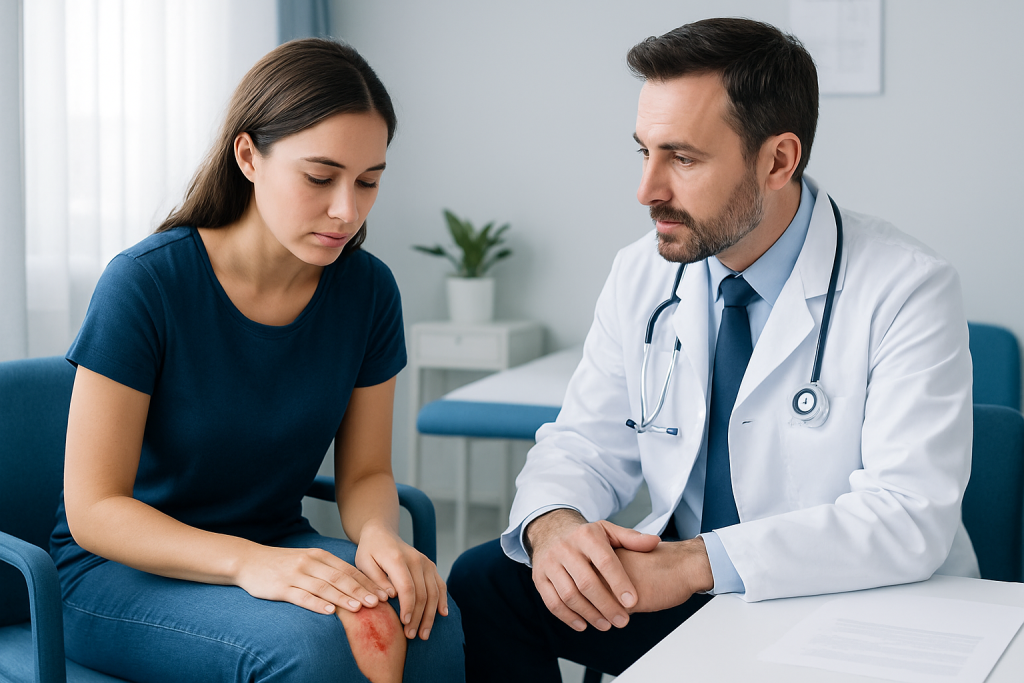
A scraped knee is common, but increasing redness, warmth, swelling, pain, or pus can suggest infection. Early wound cleaning and regular dressing changes reduce the risk of infection.
Key Takeaways
- A scraped knee is common, but increasing redness, warmth, swelling, pain, or pus can suggest infection.
- Early wound cleaning and regular dressing changes reduce the risk of infection.
- Minor infected scrapes may improve with local wound care, while deeper or spreading infections may need antibiotics.
- Fever, red streaks, rapidly worsening swelling, or trouble walking are reasons to seek prompt medical care.
- Tetanus vaccination status should be reviewed after a dirty or contaminated wound.
An infection from scraped knee happens when bacteria enter broken skin and the wound becomes increasingly red, painful, warm, swollen, or starts draining pus. Most scraped knees heal well with proper cleaning and dressing, but worsening symptoms or fever should be assessed by a healthcare professional.
Overview: What an Infection From Scraped Knee Means
An infection from scraped knee develops when germs enter the skin after a fall, sports injury, or other minor trauma. A scrape, also called an abrasion, removes the top protective layer of skin. This makes it easier for bacteria to enter, especially if dirt, gravel, or debris remains in the wound.
Most scraped knees are superficial and heal within days to a couple of weeks with basic wound care. However, a scrape can become infected if the wound is not cleaned well, if the skin damage is deeper than it first appears, or if the person has a condition that slows healing. Children, athletes, and active adults commonly experience knee abrasions because the knee is exposed during movement and falls.
It can be helpful to distinguish normal healing from infection. Mild tenderness, a small amount of clear fluid, and a thin scab can be part of normal recovery. In contrast, infection usually causes symptoms that intensify rather than steadily improve, such as expanding redness, worsening pain, warmth, swelling, yellow or green drainage, or an unpleasant odor.
Signs and Symptoms to Watch For
The earliest symptoms of an infected scrape often appear around the wound itself. The area may become more red than before, feel warm to the touch, and look puffy or swollen. Pain may increase instead of easing day by day, and the skin can feel more tender when bending the knee or walking.
Drainage is another clue. A small amount of clear or slightly blood-tinged fluid can be normal just after injury, but thicker yellow, green, or cloudy discharge may suggest infection. Some people also notice crusting, a bad smell, or delayed scab formation. If the abrasion is deeper, the wound base may look raw and remain open.
In some cases, symptoms extend beyond the scrape. Fever, chills, fatigue, or red streaks moving away from the wound may indicate a spreading skin infection such as cellulitis. Swollen lymph nodes near the groin can also occur when the body is responding to infection.
- Increasing redness that spreads outward
- Worsening pain after the first 24 to 48 hours
- Warmth, swelling, or throbbing
- Pus or cloudy drainage
- Fever or feeling unwell
- Difficulty bending the knee or walking comfortably
Why a Scraped Knee Gets Infected
Skin normally acts as a barrier against bacteria. When a knee is scraped, that barrier is broken. Common skin bacteria, especially Staphylococcus and Streptococcus species, may then enter the wound. Exposure to soil, dirty pavement, sports surfaces, or contaminated water can increase the chance that harmful microbes reach the injured area.
Some factors make infection more likely. These include a wound that was not rinsed thoroughly, embedded gravel or dirt, delayed cleaning after the injury, frequent picking at the scab, or friction from tight clothing and sports gear. Repeated bending of the knee can also disturb the healing surface and reopen the wound.
Certain health conditions can slow healing or weaken the body’s ability to fight infection. Examples include diabetes, poor circulation, immune suppression, eczema near the wound, and older age. A person with repeated skin infections or a history of antibiotic-resistant bacteria may need closer medical follow-up. If wound healing is slow or recurrent, doctors may also review related skin conditions or abscesses such as skin abscess.
How Doctors Tell Normal Healing From Infection
Diagnosis usually begins with a clinical examination. A doctor looks at the size and depth of the scrape, the amount of redness, whether there is swelling or drainage, and how much pain is present. They may ask when the injury happened, how it was cleaned, whether there was dirt or gravel in it, and whether symptoms have been worsening or improving.
In many mild cases, no special tests are needed. The diagnosis is based on the wound’s appearance and the person’s symptoms. If there is pus, a recurrent infection, or concern for resistant bacteria, a sample may sometimes be sent for laboratory testing. This helps identify the bacteria and guide treatment if the infection does not respond as expected.
Doctors also assess for deeper problems. If the scrape is very deep, if movement is severely painful, or if a foreign object may still be trapped under the skin, imaging may occasionally be used. If there is concern that the infection has spread, blood tests or more urgent evaluation may be needed. In complex cases, careful medical evaluation helps determine whether the problem is limited to the skin or involves deeper tissues.
Treatment Options for an Infected Scraped Knee
Treatment depends on how severe the infection is. For a mild infected scrape, the main steps are gentle cleaning, removal of any visible debris by a healthcare professional if needed, and protective dressings to keep the wound moist and covered. Harsh scrubbing and strong antiseptics can irritate healing skin, so treatment usually focuses on gentle wound care.
If there is more significant redness, swelling, or drainage, a doctor may prescribe an antibiotic. The choice depends on the appearance of the wound, any allergies, local bacterial patterns, and whether there are signs of deeper infection. Antibiotics should be taken exactly as prescribed, and the wound should continue to be monitored for improvement.
Some wounds need additional care. Embedded dirt or dead tissue may need professional cleaning, and a large painful collection of pus may need drainage if an abscess has formed. A tetanus booster may also be recommended depending on the person’s vaccination history and the nature of the injury. Ongoing wound care is often the key to healing, especially when the knee is exposed to friction and repeated movement.
It is generally best to avoid using leftover antibiotics or repeatedly applying topical products without guidance. Not every red scrape is infected, and treatment should match the severity of the problem. If the wound is extensive or healing is delayed, doctors may also consider a dermatology consultation or other specialist review.
Home Care, Prevention, and Supporting Healing
The best way to prevent infection is to clean a scraped knee as soon as possible after the injury. The wound should be rinsed under clean running water to remove dirt and small particles. Mild soap can be used around the area, but the wound itself should not be aggressively scrubbed. After cleaning, the skin can be patted dry and covered with a clean non-stick dressing.
Dressings should be changed regularly or sooner if they become wet or dirty. Keeping the wound protected helps reduce friction, lowers the risk of contamination, and supports healthy skin repair. It can also help to avoid kneeling, contact sports, or activities that reopen the abrasion until healing is well underway.
Good general health habits matter too. Drinking enough fluids, eating balanced meals with adequate protein, and managing long-term conditions such as diabetes can support wound healing. Hands should be washed before touching the dressing, and any new redness or drainage should be watched closely.
- Rinse the scrape promptly after injury
- Remove obvious dirt gently; seek help for embedded debris
- Use a clean dressing and change it as advised
- Avoid picking at the scab or scratching the area
- Check tetanus vaccination status
- Seek medical advice if symptoms worsen instead of improve
When to Seek Medical Care
Medical care is recommended if a scraped knee shows signs of infection that are increasing rather than settling. This includes spreading redness, worsening swelling, significant warmth, pus, increasing pain, or trouble bending the knee. A doctor should also assess wounds that were heavily contaminated with dirt, gravel, or animal saliva, or wounds that could not be cleaned fully at home.
Urgent evaluation is important if fever develops, red streaks appear, swelling becomes rapid, or the person feels generally unwell. These can be signs that the infection is spreading. People with diabetes, poor circulation, immune suppression, or a history of slow wound healing should seek care earlier because complications can develop more easily.
Any concern that the abrasion is deeper than it seems, contains a foreign body, or is not healing over several days should also be checked. Near the end of the care pathway, some patients may benefit from multidisciplinary assessment; Acibadem International’s specialists in JCI-accredited hospitals diagnose and treat wound infections and related skin conditions for international patients when needed.
Frequently asked questions
How can someone tell if a scraped knee is infected or just healing?
A healing scrape usually becomes less painful and less red over time. Infection is more likely when redness spreads, pain worsens, the area feels warm and swollen, or pus starts to drain. If symptoms are increasing after the first day or two instead of improving, medical advice is a good idea.
Can an infected scraped knee heal without antibiotics?
Some very mild wound infections may improve with proper cleaning, protective dressings, and close monitoring. However, if there is spreading redness, significant swelling, fever, or pus, antibiotics may be needed. A healthcare professional can decide whether local care alone is enough.
Should a scraped knee be kept dry or covered?
In general, a scraped knee heals better when it is kept clean and covered with an appropriate dressing rather than left exposed. A protected wound is less likely to be contaminated and less likely to reopen with movement. The dressing should be changed if it becomes wet, dirty, or loose.
Is pus always a sign of infection?
Thick yellow, green, or cloudy drainage often suggests infection, especially when it comes with redness, warmth, pain, or swelling. Clear or slightly pink fluid can be part of normal early healing. Because appearance can vary, a doctor should assess any wound with concerning drainage.
When is a scraped knee serious enough for urgent care?
Urgent care is appropriate if there is fever, red streaking, rapidly spreading redness, severe pain, trouble walking, or concern that debris is still trapped in the wound. People with diabetes or weakened immunity should seek care sooner even with milder symptoms. These situations can raise the risk of deeper or spreading infection.
Does a scraped knee increase tetanus risk?
A scrape can carry tetanus risk if it is contaminated, especially with soil or debris, and vaccination is not up to date. The risk depends on the type of wound and the person’s immunization history. A clinician can advise whether a tetanus booster is needed.
References
- Centers for Disease Control and Prevention
- American Academy of Dermatology
- National Health Service
- Mayo Clinic
- Merck Manual Consumer Version
This article is for general information only and is not a substitute for professional medical advice. Please consult a qualified doctor about your individual situation.
Joint and spine care in Turkey — expert assessment & treatment
JCI-accredited · board-certified surgeons · reply within 24h
Add us as a Preferred Source to see more of our trusted health content across Google Search, AI Overviews and Discover.