Understanding Metastatic Lung Cancer Life Expectancy: A Complete Patient Guide

Metastatic lung cancer is cancer that has spread beyond the lung to distant parts of the body. Survival statistics describe groups of people and cannot predict an individual outcome.
Key Takeaways
- Metastatic lung cancer is cancer that has spread beyond the lung to distant parts of the body.
- Survival statistics describe groups of people and cannot predict an individual outcome.
- Targeted therapy, immunotherapy, chemotherapy, radiation and supportive care may improve symptoms and extend life for many patients.
- Biomarker testing is important because it can identify treatments matched to certain non-small cell lung cancers.
- Palliative care can be started alongside cancer treatment to support comfort, function and quality of life.
Metastatic lung cancer life expectancy cannot be predicted precisely for one person. It depends on the type of lung cancer, where it has spread, the cancer’s genetic features, overall health and how well treatment works over time.
Overview: What Metastatic Lung Cancer Life Expectancy Means
Metastatic lung cancer life expectancy varies greatly from person to person. Doctors use information about the cancer type, its molecular features, the areas involved, general health and response to treatment to discuss prognosis. Some people live for months, while others live for years, particularly when newer targeted medicines or immunotherapies control the cancer well.
Metastatic lung cancer is also called stage 4 lung cancer. It means cancer that started in the lung has traveled through the blood or lymphatic system to distant organs or tissues, such as the other lung, bones, brain, liver or adrenal glands. It can be present at diagnosis or develop after earlier-stage lung cancer has been treated.
Although metastatic lung cancer is usually not considered curable with currently available treatments, it is treatable. Care aims to slow or control cancer growth, relieve symptoms, prevent complications and help a person maintain the best possible quality of life. Treatment plans are individualized and may change as needs and test results change.
Why Prognosis Varies So Much
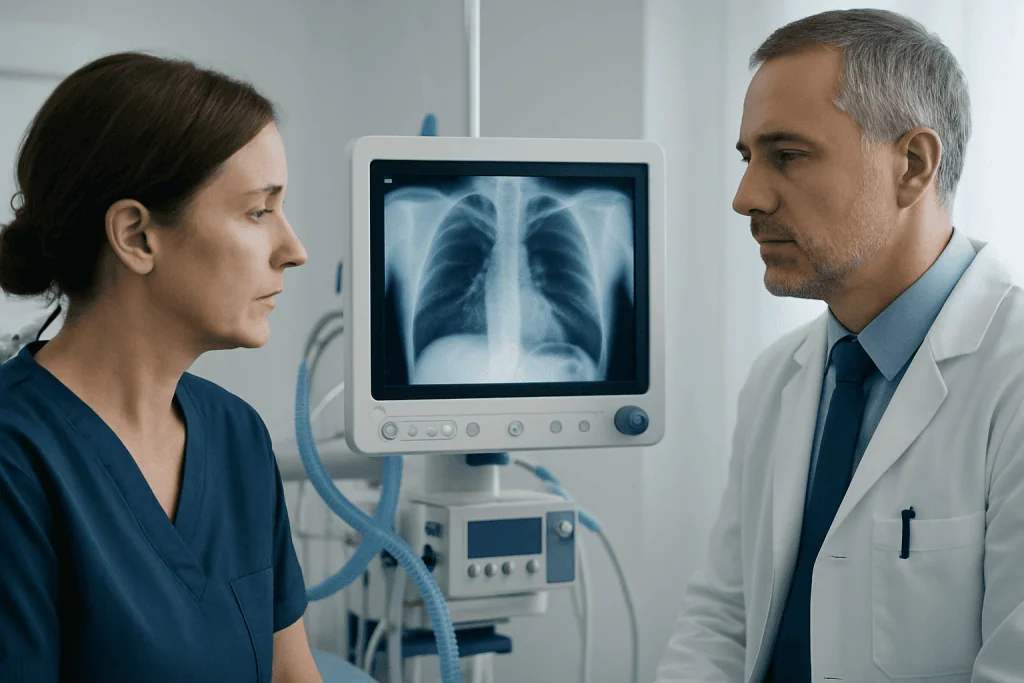
Life expectancy discussions are based on probabilities rather than certainty. Published survival figures are usually drawn from people treated in earlier years and may not fully reflect recent advances in testing, targeted medicines and immunotherapy. They also combine people with very different cancer characteristics and treatment options.
The broad type of lung cancer is important. Non-small cell lung cancer is the most common group and includes adenocarcinoma, squamous cell carcinoma and large cell cancer. Small cell lung cancer tends to grow and spread more quickly, but it may initially respond well to chemotherapy and immunotherapy.
Doctors also consider how active a person is in daily life, other health conditions, weight and nutrition, smoking status, the number and location of metastases, and whether the cancer is causing urgent complications. A person’s response and tolerance to treatment often provide more useful guidance over time than an estimate given at the start of care.
- A strong response to first-line treatment may support a more favorable outlook.
- Actionable genetic changes can open the option of targeted therapy.
- Regular reassessment helps the care team adjust treatment based on current circumstances.
Cancer Testing That Helps Guide Treatment

A diagnosis of metastatic lung cancer is confirmed using imaging and a tissue sample, when possible. A pathologist examines the sample to identify the cancer type. Imaging tests, such as CT, PET-CT and brain MRI in appropriate situations, help show the extent of disease and provide a baseline for monitoring treatment.
For metastatic non-small cell lung cancer, biomarker testing is a central part of care. This may include testing for changes in genes such as EGFR, ALK, ROS1, BRAF, MET, RET, KRAS and NTRK, as well as evaluation of PD-L1, a marker that can help guide immunotherapy decisions. The exact tests depend on the tumor type, available sample and local clinical practice.
Testing may be performed on tumor tissue or, in some circumstances, on a blood sample known as a liquid biopsy. If the first sample is insufficient, a repeat biopsy may be recommended. These results can make a meaningful difference because they help doctors select treatments most likely to be effective for a particular cancer.
For more background on the disease and its evaluation, patients may find the lung cancer overview helpful. A specialist can explain which results affect the treatment plan and what they mean for prognosis.
Treatment Options and Their Role in Outlook
Treatment for metastatic lung cancer is selected by a multidisciplinary team and tailored to the cancer’s type and test results. For some non-small cell lung cancers with a targetable genetic change, oral targeted therapy may be the preferred first treatment. These medicines are designed to block specific signals that help cancer cells grow.
Immunotherapy helps the immune system recognize and attack cancer cells. It may be used alone for selected patients or combined with chemotherapy. Chemotherapy remains an important option for both non-small cell and small cell lung cancer, either by itself or in combination with other treatments.
Radiation therapy may treat painful bone metastases, brain metastases, bleeding, airway blockage or other localized problems. In selected circumstances, surgery or focused radiation can be considered for a limited number of metastatic sites. Chemotherapy treatment and radiotherapy are planned according to the individual’s diagnosis, symptoms and goals of care.
Follow-up scans and clinical visits show whether treatment is working and whether side effects need attention. If a cancer progresses, doctors may recommend another systemic treatment, a clinical trial when appropriate, or a greater focus on symptom-directed care.
Symptoms, Supportive Care and Quality of Life
Symptoms depend on the location and extent of cancer. They can include persistent cough, shortness of breath, chest discomfort, fatigue, reduced appetite, unintentional weight loss, bone pain, headaches or neurological symptoms. Not every symptom is caused by cancer, but new or worsening symptoms should be reported promptly.
Supportive care, sometimes called palliative care, is appropriate at any point in metastatic cancer treatment. It is not the same as stopping treatment or giving up. Palliative care specialists work alongside oncology teams to manage pain, breathlessness, nausea, fatigue, sleep problems, emotional distress and practical concerns.
Nutrition support, pulmonary rehabilitation or gentle activity when safe, smoking cessation assistance and psychological counseling can all be valuable. Family members and caregivers may also benefit from education and support. Early attention to symptoms can reduce hospital visits and help a person remain as comfortable and independent as possible.
It can be helpful for patients to discuss personal priorities openly, such as time at home, ability to work, symptom relief or pursuing every suitable treatment option. Advance care planning allows these preferences to guide decisions if health needs change later.
Questions to Ask About Life Expectancy
Prognosis conversations can feel difficult, but many people find that clear information helps them make decisions. A patient may choose how much detail they want and may ask to have a trusted relative or friend present. It is also reasonable to ask the same question more than once as the situation evolves.
Useful questions include: What type of lung cancer is this? Has biomarker testing been completed? What is the aim of the proposed treatment? How will the team know whether it is working? Which symptoms should be reported urgently? Are there clinical trials that may be appropriate?
Rather than relying only on a single life-expectancy estimate, patients can ask about best-case, typical and worst-case possibilities, and what factors could change those estimates. The oncology team can explain uncertainty honestly while helping the patient plan for the near future and preserve hope grounded in realistic options.
Second opinions may be helpful, especially when pathology results are unclear, biomarker testing is incomplete or a patient wants to review complex treatment choices. They can confirm the recommended approach or identify additional options.
When to Seek Medical Care
Anyone with a persistent or worsening cough, coughing up blood, unexplained breathlessness, chest pain, ongoing fatigue or unintended weight loss should arrange a medical assessment. These symptoms are common and can have causes other than cancer, but timely evaluation is important.
A person already diagnosed with metastatic lung cancer should contact their cancer team promptly for increasing shortness of breath, fever, uncontrolled pain, repeated vomiting, new confusion, severe headache, weakness, seizures, sudden changes in vision or difficulty walking. These symptoms may need urgent assessment and treatment.
Emergency care is needed for severe breathing difficulty, significant coughing of blood, sudden chest pain, fainting, a seizure or new one-sided weakness. Patients should follow the emergency instructions provided by their local health service and cancer team.
Acibadem International’s multidisciplinary specialists and JCI-accredited hospitals diagnose and treat lung cancer for international patients, with care plans developed around pathology, biomarker findings and individual supportive-care needs.
Frequently asked questions
What is the average life expectancy with metastatic lung cancer?
There is no single average that accurately applies to every person with metastatic lung cancer. Group survival data can provide context, but outcomes vary with cancer type, genetic changes, treatment response, overall health and access to appropriate care. An oncology team can give the most relevant estimate after reviewing individual test results.
Can someone live for years with stage 4 lung cancer?
Yes, some people live for years with metastatic lung cancer, especially when the cancer responds well to targeted therapy, immunotherapy or other treatments. Others may have a faster-growing cancer or fewer effective treatment options. Ongoing monitoring helps doctors refine expectations as treatment continues.
What is the difference between metastatic and stage 4 lung cancer?
For lung cancer, metastatic disease generally refers to stage 4 disease, meaning the cancer has spread to distant areas of the body. Stage 4 can include spread to another lung, fluid around the lungs or heart in certain circumstances, or organs such as the brain, bones, liver or adrenal glands. The exact stage is assigned using imaging, pathology and clinical findings.
Does targeted therapy improve metastatic lung cancer life expectancy?
Targeted therapy can improve disease control and may extend survival for people whose tumors have specific treatable genetic alterations. These medicines are not suitable for every lung cancer, which is why comprehensive biomarker testing is important. Resistance can develop over time, but other targeted treatments or treatment approaches may then be considered.
Is palliative care only used at the end of life?
No. Palliative care can begin soon after a diagnosis of metastatic cancer and can be provided alongside cancer-directed treatment. It focuses on symptom relief, emotional well-being, practical support and aligning care with a person’s goals. Hospice care is a separate service that may be considered when treatment goals shift primarily to comfort near the end of life.
What can patients do to support their health during treatment?
Patients can keep scheduled appointments, report symptoms early, take medicines as prescribed and ask for help with nutrition, activity and emotional health. Avoiding tobacco, limiting alcohol where appropriate and staying physically active within safe limits may support overall well-being. Any supplements or alternative therapies should be discussed with the oncology team because they can interact with treatment.
References
- National Cancer Institute
- American Cancer Society
- National Comprehensive Cancer Network
- European Society for Medical Oncology
- World Health Organization
This article is for general information only and is not a substitute for professional medical advice. Please consult a qualified doctor about your individual situation.
Lung Cancer in Turkey — costs, top hospitals & a free quote
JCI-accredited · board-certified surgeons · reply within 24h
Add us as a Preferred Source to see more of our trusted health content across Google Search, AI Overviews and Discover.
Check your numbers in seconds
BMI, calories, due date, blood pressure and 30+ more clinical calculators — free, instant, doctor-reviewed ranges.

Medical Oncology Department
Medical treatment of cancer with chemotherapy, immunotherapy and targeted therapies under a multidisciplinary tumor board.
60 specialists in this unit