Understanding Pebble Stool Colon Cancer: A Complete Patient Guide

Pebble-like stools commonly result from constipation, dehydration, low fiber intake, or changes in routine. Colon cancer may alter bowel habits, but small hard stools alone do not diagnose or strongly predict cancer.
Key Takeaways
- Pebble-like stools commonly result from constipation, dehydration, low fiber intake, or changes in routine.
- Colon cancer may alter bowel habits, but small hard stools alone do not diagnose or strongly predict cancer.
- A new bowel change that persists, worsens, or occurs with bleeding, unexplained weight loss, anemia, or abdominal pain should be medically assessed.
- Colorectal cancer screening can find polyps and cancers before symptoms develop.
- A clinician can evaluate constipation safely and decide whether tests such as blood work, stool testing, or colonoscopy are needed.
Pebble-like stools are usually a sign that stool has moved slowly through the colon and become dry and hard, most often because of constipation. Although colon cancer can sometimes cause a lasting change in bowel habits, pebble stool alone is not a reliable sign of cancer; the overall pattern of symptoms, personal risk, and appropriate screening matter most.
Pebble Stool and Colon Cancer: The Key Facts
Pebble stool colon cancer is a common concern, but pebble-like stools do not by themselves mean that a person has colon cancer. These small, hard, separate lumps of stool usually occur when waste moves slowly through the large intestine. The colon then absorbs more water from it, making the stool dry, firm, and more difficult to pass.
Colon cancer can affect bowel habits when a tumor narrows part of the bowel or changes how stool passes through it. However, constipation and hard stools have many more common explanations, including diet, inadequate fluid intake, reduced physical activity, medication effects, stress, and irritable bowel syndrome with constipation. The important issue is whether the change is new, persistent, unexplained, or accompanied by other warning signs.
Stool appearance should be considered in context rather than interpreted in isolation. A clinician will ask about the duration and pattern of symptoms, age, family history, medicines, diet, previous screening, and any associated symptoms. This approach helps distinguish common constipation from conditions that need further investigation.
What Pebble-Like Stools Usually Mean
Pebble-like stool is often described as type 1 on the Bristol Stool Form Scale: separate hard lumps that may resemble nuts. It is a feature of constipation, which generally means having infrequent bowel movements, straining, hard stools, a sense of incomplete emptying, or needing assistance to pass stool. A person may be constipated even if they pass stool daily when it is consistently hard or difficult to pass.
Normal bowel habits vary considerably. Some people naturally have bowel movements several times a day, while others go less often without a problem. What matters clinically is a meaningful change from that person’s usual pattern, especially if it continues for several weeks or does not improve with reasonable self-care.
Temporary pebble stools may occur during travel, illness, pregnancy, schedule disruption, reduced food or fluid intake, or after a period of inactivity. They can also occur when people delay using the toilet because of work, pain, or lack of privacy. In these circumstances, the symptom often improves as routine, fluid intake, and regular toileting return.
Could Colon Cancer Cause Hard, Small Stools?

Colon and rectal cancers may cause a persistent change in bowel habits, including constipation, diarrhea, a feeling that the bowel does not empty completely, or stools that are different from a person’s usual pattern. If a growth partially blocks the bowel, it can sometimes make passing stool more difficult. Still, hard or pellet-like stool is nonspecific and is much more often related to ordinary constipation than cancer.
People sometimes worry that narrow or thin stools automatically indicate cancer. Stool shape can vary for many harmless reasons, including constipation, pelvic floor muscle coordination problems, diet, and temporary bowel spasm. A persistent, unexplained change deserves discussion with a clinician, but stool caliber alone cannot diagnose colorectal cancer.
Other symptoms can raise the need for timely evaluation. These include blood in or on the stool, black tar-like stool, ongoing abdominal discomfort, unexplained iron-deficiency anemia, tiredness related to anemia, unintended weight loss, or a clear and lasting change in bowel habits. Some early colorectal cancers cause no symptoms, which is why routine screening is so valuable.
Common Causes and Risk Factors to Consider
Constipation commonly develops when dietary fiber or fluid intake is low, activity levels fall, or bathroom routines change. Certain medicines may contribute, including some pain medicines, iron supplements, calcium-containing products, antacids containing aluminum or calcium, and some medicines used for depression, allergies, blood pressure, or neurological conditions. A person should not stop prescribed medication without speaking with the clinician who prescribed it.
Medical conditions may also contribute to constipation. Examples include an underactive thyroid, diabetes, neurological disorders, metabolic changes, and pelvic floor dysfunction. Irritable bowel syndrome with constipation can cause recurring hard stools together with abdominal discomfort or bloating, often improving after a bowel movement. Assessment is especially helpful when constipation begins unexpectedly or changes substantially.
Risk factors for colorectal cancer include increasing age, a personal history of colorectal polyps or inflammatory bowel disease, and a close relative with colorectal cancer or certain inherited cancer syndromes. Lifestyle factors can also influence risk. These risk factors do not mean that a person will develop cancer, but they can affect when and how screening should begin.
Because symptoms overlap across many digestive conditions, it is best not to self-diagnose based on stool appearance. A healthcare professional can review individual risk and identify whether a symptom-focused evaluation, routine screening, or both are appropriate.
How Doctors Assess Persistent Bowel Changes
Evaluation usually begins with a detailed medical history and physical examination. A clinician may ask when the change began, how often bowel movements occur, whether straining or pain is present, and whether there is bleeding, weight loss, fatigue, nausea, or vomiting. They will also review medications, previous bowel conditions, family history, diet, and prior colorectal cancer screening.
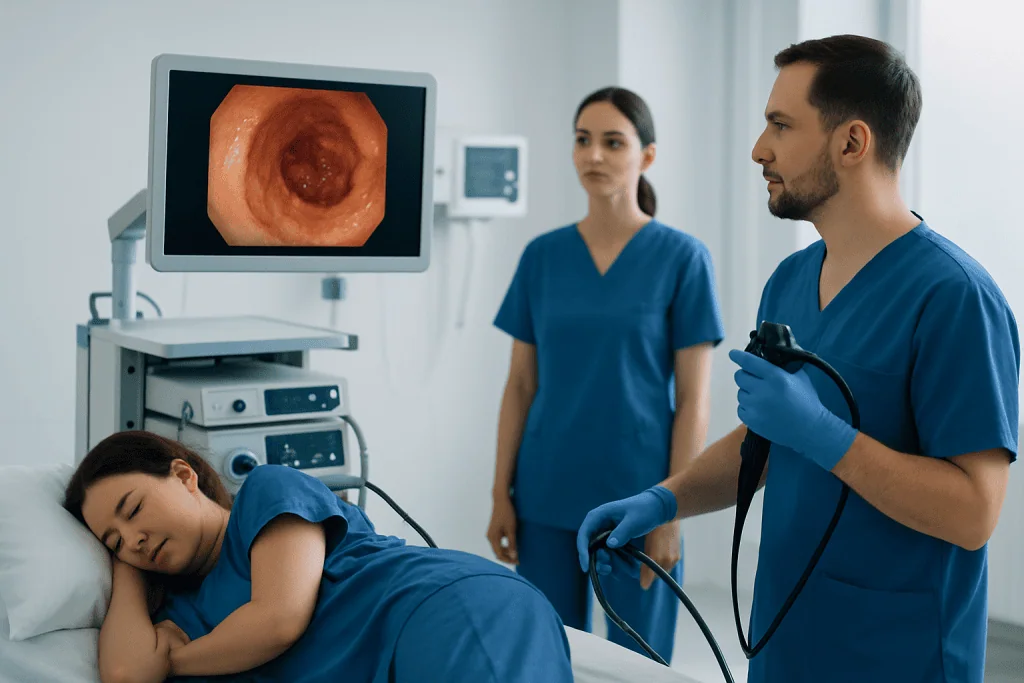
Depending on the findings, tests may include blood tests to look for anemia or other medical contributors to constipation. A stool test may be used in some circumstances to check for hidden blood. When symptoms, examination findings, age, or risk history suggest that a closer look is needed, a colonoscopy may be recommended. During colonoscopy, a clinician examines the inside of the rectum and colon and can remove many polyps or take tissue samples if necessary.
Other tests may be suitable in selected situations, including imaging studies or tests that assess how the muscles of the rectum and pelvic floor work during bowel movements. The right test depends on the individual rather than on one symptom alone. Prompt assessment can provide reassurance when symptoms are benign and support early treatment when an underlying condition is identified.
Relieving Constipation and Supporting Bowel Health
For uncomplicated constipation, gradual lifestyle measures often help. Increasing fiber through vegetables, fruit, legumes, whole grains, nuts, and seeds can add bulk and soften stool, but fiber should be introduced slowly to reduce gas and bloating. Drinking adequate fluids is also important, particularly when increasing fiber. The appropriate amount varies with health conditions, activity, climate, and medical advice.
Regular physical activity can support bowel movement, and allowing unhurried time to use the toilet may help establish a routine. Responding to the urge to have a bowel movement rather than repeatedly delaying it may also prevent stool from becoming harder. Some people find it helpful to use a small footstool to raise the feet while sitting on the toilet, which may make passage easier.
Over-the-counter constipation treatments may be useful for some people, but the best option depends on symptoms and health history. A pharmacist or clinician can advise about short-term use and help prevent unsuitable treatment, particularly for people who are pregnant, older, taking multiple medicines, or living with kidney, heart, or bowel conditions. Frequent reliance on laxatives or ongoing constipation should be discussed with a healthcare professional.
Healthy habits support bowel comfort but should not delay assessment of warning signs or recommended cancer screening. Dietary changes are not a substitute for medical care when symptoms are persistent, severe, or accompanied by bleeding or unexplained weight loss.
When to Seek Medical Care
Medical advice is appropriate for a new or persistent bowel habit change, including pebble-like stools, that lasts more than a few weeks or does not improve with simple measures. A person should also arrange an assessment sooner if constipation is new after midlife, is progressively worsening, or occurs alongside a family history of colorectal cancer, polyps, or inherited cancer conditions.
Urgent medical evaluation is important for visible rectal bleeding, black tar-like stools, severe or worsening abdominal pain, a swollen abdomen, repeated vomiting, fever, inability to pass stool or gas, fainting, or marked weakness. These symptoms can have several causes, and prompt assessment is the safest course. It is especially important not to assume that bleeding is only due to hemorrhoids without a clinical review.
People should follow the colorectal cancer screening schedule recommended in their country and by their clinician, even if they feel well. Screening methods and starting ages vary according to local guidance and individual risk. Acibadem International’s multidisciplinary specialists and JCI-accredited hospitals can assess persistent digestive symptoms and coordinate appropriate diagnostic care for international patients.
Frequently asked questions
Does pebble stool mean colon cancer?
No. Pebble-like stool most often reflects constipation, meaning stool has stayed in the colon long enough to become dry and hard. Colon cancer can cause changes in bowel habits, but stool appearance alone cannot diagnose it.
How long should pebble-like stools last before seeing a doctor?
A person should contact a clinician if a new bowel change lasts more than a few weeks, keeps returning, or does not improve with basic measures such as fluid, fiber, activity, and regular toileting. Advice is also appropriate sooner for people with colorectal cancer risk factors or concerning associated symptoms.
What symptoms with constipation are more concerning?
Blood in the stool, black stools, unexplained weight loss, persistent abdominal pain, vomiting, fatigue, or a diagnosis of iron-deficiency anemia warrant medical evaluation. Severe pain, abdominal swelling, repeated vomiting, or inability to pass stool or gas should be assessed urgently.
Can colon cancer cause thin stools?
A persistent change in stool shape can occur with colon or rectal conditions, including cancer, but it also has many non-cancer causes. Thin stools alone are not a dependable sign of cancer, especially when they are temporary. A lasting change should be discussed with a clinician in the context of other symptoms and screening history.
Can diet help with hard, pellet-like stools?
Often, yes. Gradually increasing fiber-rich foods, drinking adequate fluids, staying active, and establishing a regular bathroom routine may improve uncomplicated constipation. People with ongoing symptoms or medical conditions should seek individualized advice before making major dietary changes or using laxatives regularly.
Should someone have a colonoscopy because of pebble stool?
Not everyone with pebble-like stool needs a colonoscopy. A clinician decides based on the duration of symptoms, age, screening status, personal and family history, examination findings, and warning signs such as bleeding or anemia. Colonoscopy may be recommended when it is the most appropriate way to investigate symptoms or complete screening.
References
- American Cancer Society
- National Cancer Institute
- National Institute of Diabetes and Digestive and Kidney Diseases
- U.S. Preventive Services Task Force
- World Gastroenterology Organisation
This article is for general information only and is not a substitute for professional medical advice. Please consult a qualified doctor about your individual situation.
Colon Cancer in Turkey — costs, top hospitals & a free quote
JCI-accredited · board-certified surgeons · reply within 24h
Add us as a Preferred Source to see more of our trusted health content across Google Search, AI Overviews and Discover.
Check your numbers in seconds
BMI, calories, due date, blood pressure and 30+ more clinical calculators — free, instant, doctor-reviewed ranges.

Medical Oncology Department
Medical treatment of cancer with chemotherapy, immunotherapy and targeted therapies under a multidisciplinary tumor board.
60 specialists in this unit