Understanding Persistent Genital Arousal Disorder: A Complete Patient Guide

Persistent genital arousal disorder causes involuntary genital sensations that are separate from sexual interest or desire. Symptoms may be continuous or episodic and can include tingling, pressure, throbbing, lubrication, or a feeling of impending orgasm.
Key Takeaways
- Persistent genital arousal disorder causes involuntary genital sensations that are separate from sexual interest or desire.
- Symptoms may be continuous or episodic and can include tingling, pressure, throbbing, lubrication, or a feeling of impending orgasm.
- The condition may involve pelvic floor muscles, nerves, medication effects, spinal conditions, or several factors at once.
- A respectful medical evaluation can rule out other causes and guide individualized symptom management.
- Seeking care is especially important for new, severe, persistent, or distressing symptoms.
Persistent genital arousal disorder (PGAD) is a condition involving unwanted and distressing genital arousal sensations that occur without corresponding sexual desire. It is real, treatable, and best approached through careful assessment of pelvic, nerve, medication, hormonal, and emotional factors.
Overview: What Is Persistent Genital Arousal Disorder?
Persistent genital arousal disorder, often called PGAD, describes recurrent or ongoing physical sensations of genital arousal that happen without wanted sexual desire, sexual thoughts, or stimulation. A person may feel genital tingling, pulsing, pressure, warmth, swelling, lubrication, or an uncomfortable sense that orgasm is imminent. These sensations can be intrusive and upsetting rather than pleasurable.
The condition has also been described using the term genito-pelvic dysesthesia (GPD). Dysesthesia means an unpleasant or abnormal sensory experience. This newer term can be helpful because it recognizes that the main problem is often a sensory or nerve-related symptom, not an increase in libido or a desire for sexual activity.
PGAD can affect people of different ages and sexes, although most published clinical descriptions involve women. Symptoms may last minutes, hours, or longer, and they may come and go or remain present for extended periods. Because the topic can feel difficult to discuss, many people delay seeking help; however, clinicians can assess these symptoms professionally and confidentially.
How Symptoms May Feel and Affect Daily Life
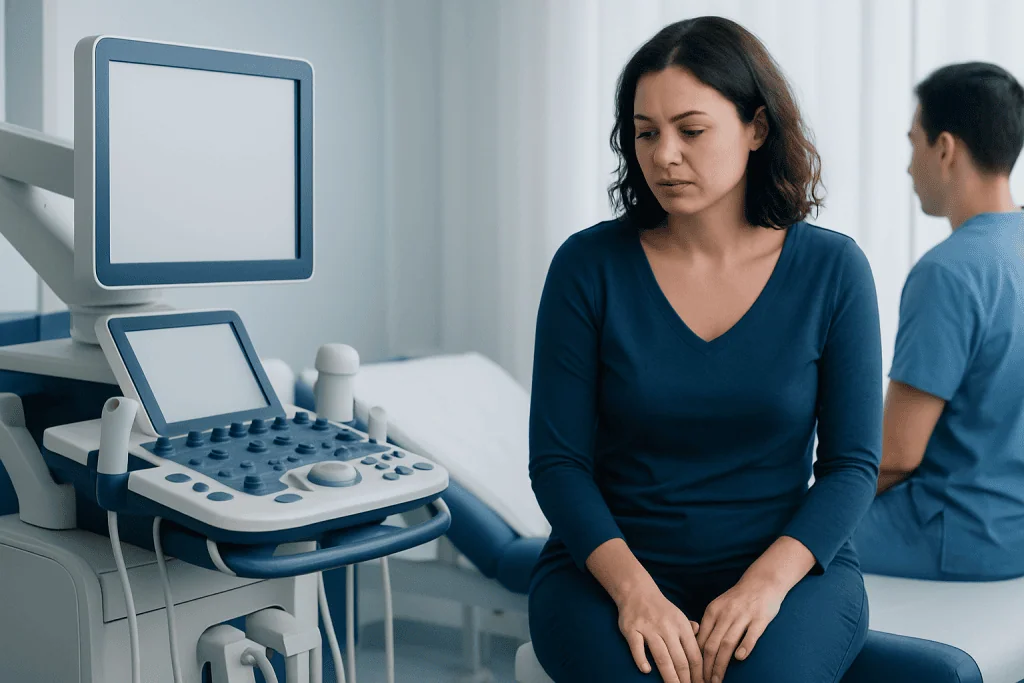
Symptoms vary considerably from person to person. The core feature is a persistent or repeated sensation of genital arousal that is unwanted and not relieved in a predictable way by sexual activity or orgasm. For some people, orgasm may provide temporary relief; for others, it provides little relief or can worsen discomfort by making sensations recur.
Physical symptoms may include genital throbbing, tingling, buzzing, itching, pressure, pelvic fullness, heightened sensitivity, spontaneous lubrication, erections, or repeated orgasm-like sensations. Some people also notice discomfort around the perineum, anus, bladder, lower abdomen, buttocks, or inner thighs. Sitting, driving, vibration, tight clothing, urination, bowel movements, stress, or particular body positions can sometimes trigger or intensify symptoms.
The emotional impact can be substantial. Symptoms may disrupt sleep, concentration, work, relationships, and confidence. Distress, embarrassment, anxiety, low mood, and avoidance of social activities can occur, especially when a person worries that others will misunderstand the condition. PGAD is not a sign of inappropriate behavior, and the symptoms are not a person’s fault.
- Symptoms occur without desired sexual arousal or attraction.
- They can persist despite attempts to distract oneself or change activity.
- They may be uncomfortable, painful, or emotionally distressing rather than pleasurable.
- Triggers and severity may change over time.
Possible Causes and Risk Factors

There is not one proven cause of persistent genital arousal disorder. Current understanding suggests that symptoms can arise from a combination of factors involving the genital tissues, pelvic floor muscles, sensory nerves, spinal cord, brain pathways, medications, and emotional stress responses. Identifying contributing factors is important, but a specific cause is not found in every case.
Pelvic floor muscle overactivity or tension may contribute to altered genital sensations in some people. Nerve irritation or compression involving the pudendal nerve or other pelvic nerves may also be considered, particularly when symptoms change with sitting or are accompanied by pelvic, perineal, buttock, or leg discomfort. Conditions affecting the lower spine, including certain cysts or disc-related changes, may occasionally be relevant.
Medication changes deserve careful review. Symptoms have been reported after starting, stopping, or changing some medicines that affect serotonin and other nervous-system signals, including certain antidepressants. This does not mean a person should stop a prescribed medication suddenly. Abrupt discontinuation can cause withdrawal symptoms and may worsen mental health; changes should be planned with the prescribing clinician.
Hormonal changes, bladder or vulvovaginal conditions, infection, skin irritation, and psychological stress may influence symptoms in some individuals. Stress does not mean symptoms are imagined. It can heighten the nervous system’s sensitivity and make genuine physical sensations feel more intense or difficult to manage.
How Doctors Evaluate PGAD
Diagnosis is based mainly on a careful history of symptoms and their effect on daily life. A clinician may ask when the sensations began, where they are felt, whether they are painful, what makes them better or worse, whether orgasm changes them, and whether there are urinary, bowel, neurologic, menstrual, or sexual health symptoms. These questions are intended to identify possible contributors, not to judge the person’s experiences.
The evaluation may include a review of current and recently changed medications, supplements, medical conditions, prior pelvic procedures, and mental health history. Depending on the symptoms, an examination may assess the external genital area, pelvic floor muscles, and signs of irritation, infection, skin conditions, or pelvic pain. Patients may ask for a chaperone, pause the examination, or decline parts of it.
Tests are selected according to the individual situation. These may include urine or swab tests when infection is possible, blood tests in selected cases, or imaging of the pelvis or lower spine when nerve or structural causes are suspected. Referral to gynecology, urology, neurology, pelvic floor physiotherapy, pain medicine, or sexual medicine may be appropriate.
Other conditions can produce overlapping symptoms and may need to be excluded. These include genital infections or inflammation, vulvar skin disorders, pelvic pain conditions, overactive bladder, neuropathic pain, medication side effects, and neurologic disorders. A clinician will also distinguish PGAD from high sexual desire, which involves wanted interest in sexual activity rather than distressing involuntary sensations.
Treatment Options and Symptom Management
Care for persistent genital arousal disorder is individualized. The aim is to reduce unwanted sensations, address contributing factors, improve sleep and daily functioning, and relieve emotional distress. Treatment may take time because symptoms can have more than one cause, and a combination of approaches is often more helpful than a single intervention.
If a medication change may be involved, the prescribing clinician can consider whether a gradual adjustment, alternative medicine, or additional support is appropriate. Any medication used for nerve-related symptoms, pain, anxiety, depression, or sleep should be chosen based on the person’s medical history and monitored by a qualified clinician. There is no single medicine that reliably treats PGAD for everyone.
Pelvic floor physical therapy may be useful when examination suggests muscle tension, tenderness, or impaired relaxation. Therapy can include education, breathing techniques, gentle movement, posture guidance, and methods to reduce pelvic floor overactivity. It should not be assumed that strengthening exercises are appropriate; for a tense pelvic floor, relaxation-focused care may be more suitable.
Psychological support can be an important part of treatment, particularly when symptoms cause anxiety, sleep problems, relationship strain, or low mood. Approaches such as cognitive behavioral therapy, pain-focused therapy, mindfulness-based skills, and sex therapy may help a person cope with symptoms without implying that the condition is purely psychological. In complex cases, coordinated care from pelvic health, neurologic, mental health, and pain specialists can be valuable.
Practical Self-Care While Awaiting Assessment
Self-care cannot replace medical assessment, but it may reduce discomfort for some people. Keeping a brief symptom diary can be useful. It may include timing, intensity, body position, activities, clothing, stress level, sleep, urinary symptoms, menstrual cycle changes, and medication changes. This information can help identify patterns and make a clinical appointment more productive.
Some people find that reducing pressure or friction in the pelvic area helps. Practical options include choosing loose, breathable clothing, taking regular breaks from prolonged sitting, using supportive seating when needed, and avoiding known personal triggers such as vibration or tight garments. Gentle breathing, relaxation exercises, and paced activity may help calm pelvic muscle tension and nervous-system arousal.
Regular sleep routines, hydration, balanced meals, and manageable movement can support general wellbeing. It may also help to avoid repeatedly checking or attempting to force symptoms away, as this can increase attention to bodily sensations for some people. Instead, a clinician or therapist can help develop safe, individualized coping strategies.
People should not use alcohol, non-prescribed drugs, or unproven online remedies to manage symptoms. They should also avoid stopping antidepressants or other prescribed medicines abruptly. If symptoms are affecting mental wellbeing, speaking with a trusted healthcare professional is a constructive and confidential step.
When to Seek Medical Care
A person should arrange a medical appointment when unwanted genital arousal sensations are persistent, recurrent, painful, interfere with sleep or daily activities, or cause distress. It is also sensible to seek assessment when symptoms begin after a medication start, stop, or dose change; after a pelvic procedure or injury; or together with urinary, bowel, pelvic, back, or neurologic symptoms.
Urgent medical care is appropriate for severe genital or pelvic pain, new weakness or numbness in the legs or groin, loss of bladder or bowel control, fever with pelvic pain, significant genital swelling, or an erection that is painful or lasts longer than four hours. These symptoms can have causes that require prompt assessment and should not be attributed to PGAD without evaluation.
It is important to seek prompt support if symptoms lead to hopelessness, thoughts of self-harm, or feeling unable to cope. Local emergency services, a crisis line, or an urgent mental health service can provide immediate help. A person does not need to manage severe distress alone.
Acibadem International’s multidisciplinary specialists and JCI-accredited hospitals can assess pelvic, neurologic, medication-related, and emotional contributors to persistent genital arousal symptoms for international patients. A consultation with an appropriately qualified clinician can help create a respectful, individualized plan.
Frequently asked questions
Is persistent genital arousal disorder the same as having a high sex drive?
No. A high sex drive involves wanted sexual interest or desire. Persistent genital arousal disorder involves unwanted physical genital sensations that may occur without desire, attraction, or sexual thoughts and often cause distress.
Can PGAD happen without sexual stimulation?
Yes. A defining feature is that symptoms can arise spontaneously or seem out of proportion to any stimulation. Some people notice triggers such as sitting, stress, pressure, vibration, or medication changes, while others cannot identify a clear trigger.
Does orgasm cure persistent genital arousal disorder?
Not necessarily. Orgasm may briefly reduce sensations for some people, but relief may be incomplete or temporary, and symptoms can return. Repeated attempts to obtain relief can become exhausting or distressing, so medical assessment is recommended.
Can antidepressants cause persistent genital arousal symptoms?
In some people, symptoms have been reported in connection with starting, changing, or stopping certain antidepressants. However, medicines are only one possible contributor, and they should never be stopped suddenly without advice from the prescribing clinician.
Which doctor should a person see for PGAD symptoms?
A primary care clinician, gynecologist, urologist, or sexual medicine specialist can be a useful starting point. Depending on symptoms, referral to pelvic floor physiotherapy, neurology, pain medicine, or mental health care may also be helpful.
Is persistent genital arousal disorder permanent?
The course varies. Some people have symptoms that improve when contributing factors are identified and treated, while others need longer-term symptom management. A personalized, multidisciplinary approach can improve comfort, function, and quality of life.
References
- International Society for the Study of Women's Sexual Health
- American College of Obstetricians and Gynecologists
- National Institute of Neurological Disorders and Stroke
- Mayo Clinic
- Merck Manual Consumer Version
This article is for general information only and is not a substitute for professional medical advice. Please consult a qualified doctor about your individual situation.
Explore treatments in Turkey — costs, top hospitals & a free quote
JCI-accredited · board-certified surgeons · reply within 24h
Add us as a Preferred Source to see more of our trusted health content across Google Search, AI Overviews and Discover.

More from the Health Library



Related Specialists

Assoc. Prof. Dr. Mustafa Zungur
Cardiology
Dr. Nihal Özşeker
Pulmonology
Fzt. Murat Özel
Physical Medicine & Rehabilitation
Assoc. Prof. Dr. Oğuz Kaan Ünal
Endocrinology