Understanding Personality Disorder: A Complete Patient Guide

Personality disorders involve persistent patterns of thinking, feeling, and behaving that affect functioning and relationships. Symptoms usually begin by adolescence or early adulthood, but diagnosis requires careful professional evaluation.
Key Takeaways
- Personality disorders involve persistent patterns of thinking, feeling, and behaving that affect functioning and relationships.
- Symptoms usually begin by adolescence or early adulthood, but diagnosis requires careful professional evaluation.
- Treatment often includes psychotherapy, practical coping strategies, and support for related mental health conditions.
- Early recognition can help reduce conflict, distress, self-harm risk, and difficulties at school or work.
- A diagnosis does not define a person; many people improve with consistent care and support.
Personality disorder is a mental health condition marked by long-standing patterns of thoughts, emotions, and behaviors that differ from cultural expectations and can interfere with relationships, work, and daily functioning. With proper assessment and treatment, many people can better understand their patterns, reduce distress, and improve quality of life.
Overview
Personality disorder is a broad term for a group of mental health conditions in which long-term patterns of thinking, feeling, behaving, and relating to others are unusually rigid or hard to change. These patterns may differ from what is generally expected in a person’s culture and can lead to distress, conflict, or problems with daily life. The difficulties are usually ongoing rather than occasional, and they often affect more than one area of life.
Personality traits exist in everyone. They shape how a person understands themselves, manages emotions, makes decisions, and responds to other people. A personality disorder is considered when these traits become persistent patterns that interfere with work, school, close relationships, or personal safety. Symptoms may become more noticeable under stress, during major life changes, or when another mental health condition is present.
There are several types of personality disorders. Clinicians often group them into clusters based on common features, such as unusual or suspicious thinking, dramatic or impulsive behavior, or anxious and fearful patterns. Even so, each person’s experience is individual, and symptoms can overlap. A careful assessment helps identify what is happening and what kind of support may help most.
How personality disorder affects daily life
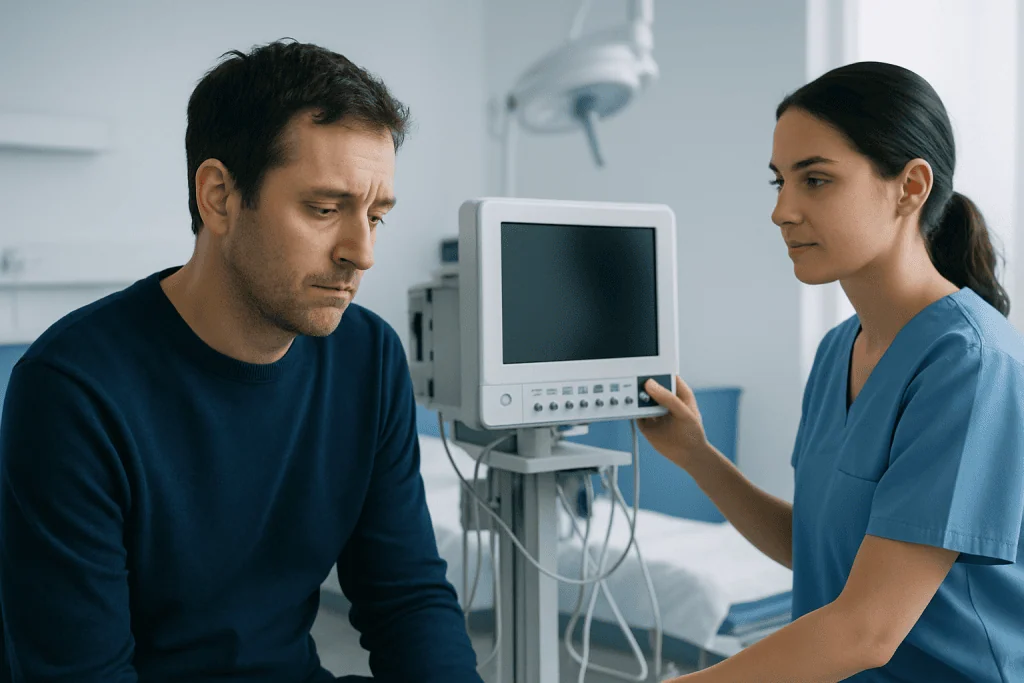
Personality disorders can influence many parts of life, not only mood or behavior. A person may struggle to trust others, fear abandonment, act impulsively, react strongly to criticism, or have difficulty understanding social cues. These patterns can make friendships, family relationships, and romantic relationships more challenging, especially when misunderstandings happen often.
Work and education may also be affected. Some people find it hard to handle feedback, manage anger, stay organized, or cooperate in teams. Others may withdraw socially, avoid opportunities, or experience repeated conflicts with authority figures. Over time, these difficulties can lower confidence and increase stress.
It is also common for personality disorder to exist alongside other mental health conditions, such as depression, anxiety disorders, trauma-related conditions, substance use problems, or eating disorders. When symptoms overlap, the overall picture may seem complex. This is one reason why a thorough mental health evaluation is important rather than assuming a label based on a few behaviors.
Symptoms and common patterns

The symptoms of personality disorder vary depending on the type and the individual. In general, there may be long-standing problems with emotional regulation, self-image, impulse control, and relationships. Some people seem highly suspicious or detached. Others may be intensely emotional, unstable in relationships, or prone to risk-taking. Some may be very anxious, perfectionistic, or socially avoidant.
Common features can include:
- Difficulty maintaining stable relationships
- Intense or rapidly changing emotions
- Persistent mistrust, suspiciousness, or social withdrawal
- Impulsive actions or difficulty considering consequences
- Strong sensitivity to rejection, criticism, or abandonment
- Unstable sense of identity or self-worth
- Rigid thinking patterns that are hard to adapt
- Chronic feelings of emptiness, anger, shame, or anxiety
Symptoms often start to appear in adolescence or early adulthood, although not every teenager with emotional or behavioral difficulties has a personality disorder. Personality is still developing during younger years, so clinicians diagnose carefully and look for patterns that are persistent, inflexible, and present across different situations. Stress, trauma, family conflict, and coexisting conditions can make symptoms more noticeable.
Causes and risk factors
There is no single known cause of personality disorder. Most experts understand it as the result of several factors interacting over time. These may include inherited temperament, brain and emotional development, early life experiences, family relationships, and social environment. Having a risk factor does not mean a person will definitely develop a personality disorder, but it may increase vulnerability.
Experiences in childhood can play an important role for some people, especially when there has been ongoing stress, neglect, unstable caregiving, abuse, or repeated trauma. At the same time, not everyone with difficult early experiences develops a personality disorder, and not everyone diagnosed has a history of trauma. The picture is often more complex than a single event or explanation.
Certain patterns may also become reinforced over time. For example, avoiding relationships may briefly reduce anxiety but increase loneliness later, while impulsive behavior may bring short-term relief but create long-term problems. Understanding these patterns is often an important part of treatment. In some cases, clinicians also evaluate for related conditions such as bipolar disorder or attention-related difficulties to make sure symptoms are interpreted correctly.
Diagnosis and assessment
Personality disorder is diagnosed through a detailed mental health assessment rather than a blood test or brain scan. A psychiatrist, psychologist, or other qualified mental health professional asks about symptoms, relationships, personal history, coping style, and how long patterns have been present. The key question is whether these patterns are enduring, affect different parts of life, and cause distress or functional problems.
Diagnosis takes time and should not be made casually. Many symptoms can look similar to those seen in depression, anxiety, trauma-related disorders, substance use, autism spectrum conditions, or mood disorders. Because of this, a clinician may assess emotional regulation, self-harm risk, impulsivity, reality testing, and overall functioning before reaching a conclusion. Family input may sometimes help if the person agrees.
The goal of diagnosis is not to judge a person’s character. It is to understand patterns clearly so that treatment can be matched to the person’s needs. A respectful assessment can also help people make sense of repeated difficulties and identify strengths that support recovery. If the picture is unclear, ongoing follow-up over time may be the safest and most accurate approach.
Treatment options
Treatment for personality disorder usually focuses on psychotherapy. Different forms of therapy can help people understand emotional triggers, challenge unhelpful patterns, improve communication, and build safer coping skills. Depending on the symptoms, therapy may also address trauma, anger, impulsivity, shame, fear of abandonment, or difficulty trusting others. Treatment often works best when it is structured, regular, and continued over time.
For many people, the most helpful approach includes a combination of therapies and practical support. This may involve individual counseling, group therapy, family education, and treatment for coexisting conditions such as anxiety or depression. In some situations, a psychiatrist may recommend medication to help with specific symptoms like mood instability, anxiety, sleep problems, or severe agitation, even though medication does not by itself cure a personality disorder. Helpful options may be discussed within broader psychiatry care and psychology support.
Safety planning is important if there is self-harm, suicidal thinking, aggression, severe substance use, or inability to care for basic needs. More intensive support may be needed during crises. For some people, especially when trauma-related symptoms are significant, clinicians may also consider integrated approaches such as transcranial magnetic stimulation (TMS) for selected coexisting conditions when appropriate, although this is not a standard primary treatment for personality disorder itself.
Improvement is possible. Many people learn to regulate emotions more effectively, reduce harmful behaviors, and build more stable relationships. Progress is often gradual rather than immediate, and setbacks do not mean treatment has failed. A collaborative relationship with qualified professionals can make a meaningful difference over time.
Self-care, support, and long-term outlook
Self-care does not replace professional treatment, but it can support recovery. Helpful habits often include keeping a regular sleep schedule, limiting alcohol or non-prescribed drug use, eating regularly, and staying physically active. It may also help to track emotional triggers, practice grounding skills, pause before acting on intense feelings, and create routines that reduce stress.
Support from trusted people can also be valuable. Family members and partners may benefit from learning about the condition, setting healthy boundaries, and communicating calmly and clearly. Support does not mean accepting harmful behavior, but it can mean recognizing that repeated patterns are part of a health condition that can improve with treatment.
The long-term outlook varies from person to person. Symptoms may lessen with age, treatment, and more stable circumstances. Early help can reduce complications such as relationship breakdown, job loss, legal problems, substance misuse, or self-injury. Near the end of care planning, some patients may seek multidisciplinary assessment at centers such as Acibadem International, where JCI-accredited hospitals and mental health specialists diagnose and treat complex conditions for international patients.
When to seek medical care
It is a good idea to seek medical or mental health care if long-standing patterns of emotions, behavior, or relationships are causing repeated problems at home, school, work, or in social life. Professional help is also important when a person feels overwhelmed, isolated, unable to cope, or unsure why the same conflicts keep happening. Early assessment can clarify whether the problem is a personality disorder, another mental health condition, or a combination of issues.
Urgent help is needed if there is suicidal thinking, self-harm, threats of violence, severe agitation, psychotic symptoms, dangerous impulsive behavior, or inability to care for basic needs. In these situations, emergency services or immediate psychiatric evaluation should be sought without delay. If symptoms are related to intense mood changes or severe anxiety, clinicians may also evaluate for conditions such as panic attacks or other urgent mental health concerns.
Frequently asked questions
What is a personality disorder in simple terms?
A personality disorder is a mental health condition in which long-term patterns of thinking, feeling, and behaving make daily life or relationships harder. These patterns are usually deeply rooted and can be difficult to change without support.
Are personality disorders treatable?
Yes. Many people improve with psychotherapy, support for related mental health problems, and practical coping strategies. Progress is often gradual, but treatment can help reduce distress and improve relationships and daily functioning.
At what age is personality disorder diagnosed?
Symptoms often begin in adolescence or early adulthood, but diagnosis requires caution because personality is still developing in younger people. Clinicians look for stable, long-term patterns across different settings before making the diagnosis.
What causes personality disorder?
There is no single cause. Personality disorder is thought to develop through a combination of genetic tendencies, emotional development, life experiences, family environment, and sometimes trauma or chronic stress.
Can someone have more than one mental health condition with a personality disorder?
Yes. It is common for personality disorder to occur alongside depression, anxiety, trauma-related disorders, substance use problems, or eating disorders. Treating these conditions together is often an important part of care.
Does having a personality disorder mean a person cannot live a normal life?
No. A diagnosis does not define a person’s value, abilities, or future. With the right treatment and support, many people build stable relationships, work successfully, and manage symptoms more effectively.
References
- World Health Organization
- American Psychiatric Association
- National Institute of Mental Health
- National Health Service
- Cleveland Clinic
This article is for general information only and is not a substitute for professional medical advice. Please consult a qualified doctor about your individual situation.
Explore treatments in Turkey — costs, top hospitals & a free quote
JCI-accredited · board-certified surgeons · reply within 24h
Add us as a Preferred Source to see more of our trusted health content across Google Search, AI Overviews and Discover.