

Understanding Sessile Polyp and Cancer: A Complete Patient Guide

A sessile polyp is a flat or broad-based growth that sits close to the lining of the colon or rectum. Some sessile polyps are harmless, but adenomatous and serrated types may become cancer over time.
Key Takeaways
- A sessile polyp is a flat or broad-based growth that sits close to the lining of the colon or rectum.
- Some sessile polyps are harmless, but adenomatous and serrated types may become cancer over time.
- Most people do not have symptoms, so colonoscopy and screening tests are important.
- Removing a sessile polyp during colonoscopy can prevent many future cancers.
- Follow-up depends on the polyp’s size, number, location, and biopsy results.
- Rectal bleeding, unexplained anemia, weight loss, or bowel habit changes should be assessed by a doctor.
Sessile polyp and cancer are connected because certain flat or broad-based polyps in the colon can develop into colorectal cancer if they are not found and removed. Most sessile polyps do not mean a person already has cancer, but they do deserve proper evaluation, removal when appropriate, and follow-up screening.
Overview: how sessile polyp and cancer are related
Sessile polyp and cancer are related because some sessile polyps can slowly change into colorectal cancer over a period of years. A sessile polyp is a growth that lies flat against the inner lining of the colon or rectum rather than hanging from a stalk. Its shape can make it harder to see and sometimes more challenging to remove completely, which is one reason careful screening matters.
It is important to keep this risk in perspective. Having a sessile polyp does not automatically mean a person has cancer. Many polyps are benign, and even polyps with precancerous changes can often be removed before they become dangerous. The main goal of screening is to find these growths early, classify them accurately, and prevent cancer before it starts.
Doctors usually describe polyps by both shape and tissue type. Sessile polyps may be hyperplastic, adenomatous, or serrated. The cancer risk depends less on the word “sessile” alone and more on factors such as the polyp’s microscopic type, its size, whether it shows dysplasia, and whether it has been fully removed. This is why pathology results after removal are so important.
What a sessile polyp is and why its type matters
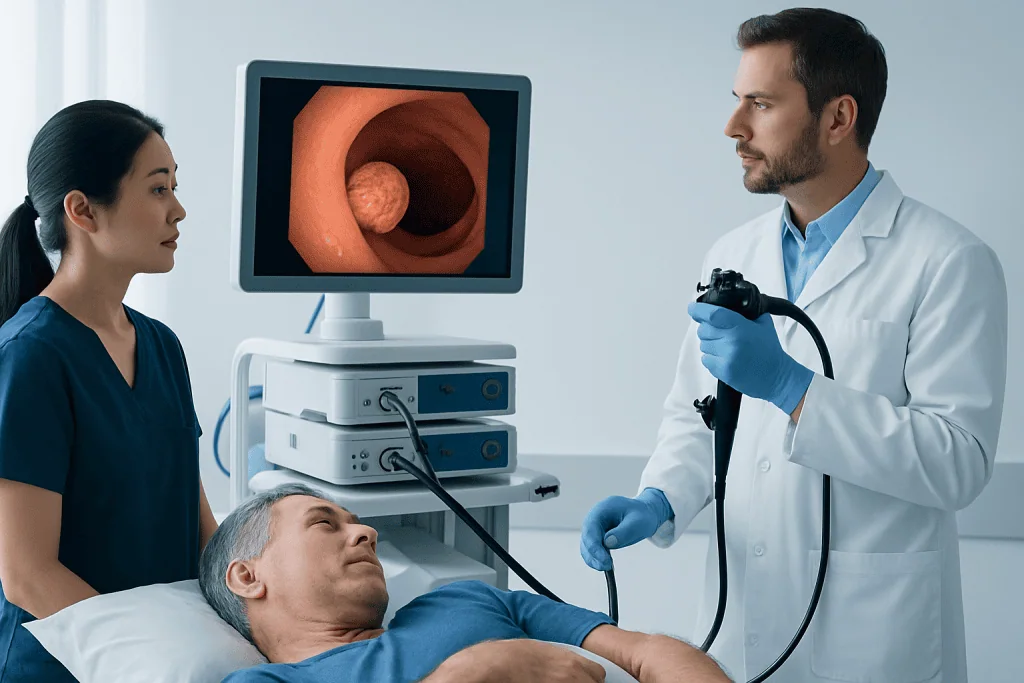
Polyps are growths that arise from the lining of the bowel. A pedunculated polyp grows on a stalk, while a sessile polyp has a flatter, broader base. Sessile lesions are common in the colon, especially in the right side of the colon, and some may blend into the surrounding tissue. Because of this, they can be subtle and may require high-quality bowel preparation and careful inspection during colonoscopy.
The main tissue types include hyperplastic polyps, adenomas, and sessile serrated lesions or sessile serrated adenomas. Small hyperplastic polyps, especially in the lower colon, are usually considered low risk. Adenomas are more important because they are recognized precancerous lesions. Sessile serrated lesions are also significant because they may follow a different pathway to cancer and are now known to account for a meaningful share of colorectal cancers.
Doctors assess a polyp by looking at several features:
- Size of the polyp
- Number of polyps present
- Location in the colon or rectum
- Whether the edges were fully removed
- Microscopic findings, including dysplasia
These details help determine whether the person needs routine follow-up, closer surveillance, or further treatment. For related background on bowel malignancy, patients may also read about colon cancer.
Symptoms and warning signs
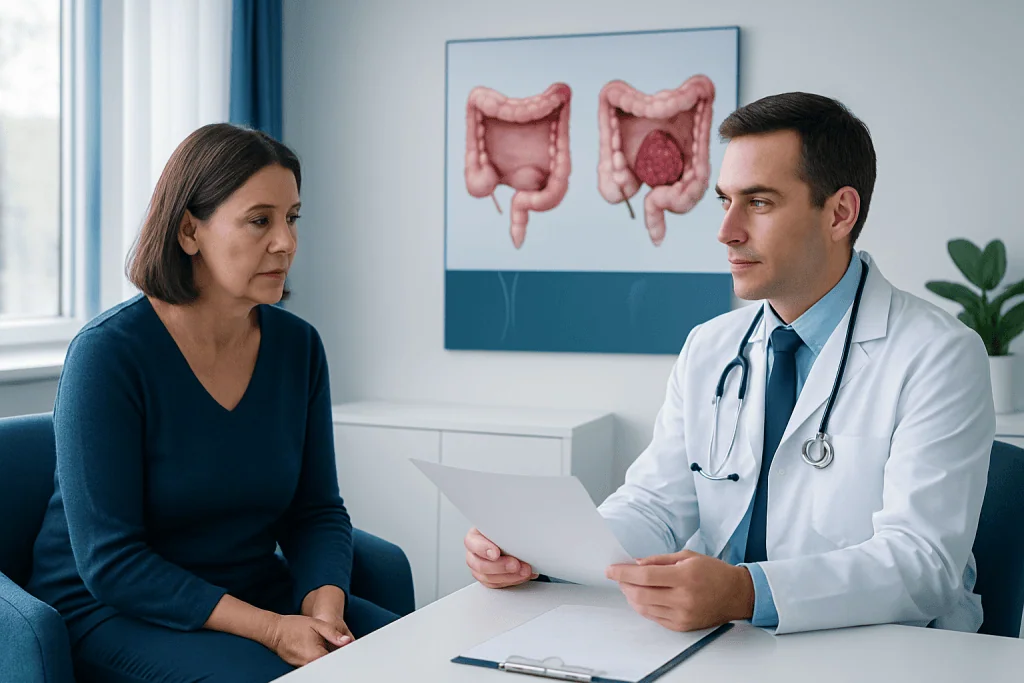
Most sessile polyps do not cause symptoms, especially when they are small. Many are found during routine screening in people who feel completely well. This is one reason colorectal screening saves lives: it can detect precancerous changes before symptoms develop.
When symptoms do occur, they are often nonspecific. A larger polyp or an early cancer may cause rectal bleeding, blood mixed with the stool, a change in bowel habits, abdominal discomfort, or unexplained iron-deficiency anemia. Some people notice fatigue caused by slow blood loss rather than obvious bleeding. Weight loss or persistent changes in stool shape can also need medical assessment, though these symptoms can have many causes.
Symptoms alone cannot tell whether a sessile polyp is benign or cancerous. A small lesion may carry precancerous changes without causing any discomfort, while common conditions such as hemorrhoids can also cause bleeding. Because of this overlap, a doctor may recommend a stool test, blood work, or a direct examination such as colonoscopy to identify the true cause.
Causes and risk factors for cancerous change
Sessile polyps form when cells in the bowel lining grow in an abnormal way. Over time, some of these cells can accumulate genetic changes that increase the chance of dysplasia and cancer. This process usually happens gradually rather than suddenly, which is why screening at the right intervals is so effective. Removing a precancerous polyp can interrupt this sequence.
Several factors increase the likelihood of developing polyps or colorectal cancer. Risk rises with age, although younger adults can also be affected. A personal history of polyps, a family history of colorectal cancer or advanced polyps, inflammatory bowel disease, obesity, smoking, heavy alcohol use, physical inactivity, and a diet low in fiber and high in processed or red meat may all play a role. Certain inherited syndromes can greatly increase risk and may require special surveillance.
Not every sessile polyp has the same potential for cancer. Larger lesions, multiple polyps, adenomas with villous features, high-grade dysplasia, and sessile serrated lesions in the proximal colon generally receive closer attention. In some cases, advanced imaging during endoscopy helps the doctor judge whether the surface pattern looks more like a benign lesion, a high-risk precancer, or an early invasive cancer.
How doctors diagnose and evaluate sessile polyps
The most reliable way to diagnose a sessile polyp is by looking directly at the inside of the colon. Colonoscopy is the standard test because it allows the doctor to find, assess, and often remove polyps during the same procedure. Good bowel preparation is essential. If the colon is not cleaned well, a flat lesion may be missed, and the exam may need to be repeated sooner.
During colonoscopy, the doctor may use special imaging techniques, dyes, or magnification to better define the polyp’s borders and surface. This can help distinguish a low-risk lesion from one that may need advanced removal techniques or surgery. If the polyp is removed, a pathologist examines it under the microscope to identify the exact type and whether there are cancerous cells.
Other tests can sometimes suggest a bowel problem, but they do not replace tissue diagnosis. Stool-based screening tests may detect hidden blood or abnormal DNA, and imaging methods such as CT colonography may show larger lesions. However, if a suspicious finding appears, direct endoscopic evaluation is still needed. In selected cases, additional tests such as biopsy review, blood tests, or imaging may be used when cancer is suspected or already confirmed.
Treatment options and follow-up care
For most sessile polyps, treatment means removing the lesion completely. Many can be removed during colonoscopy using a snare, sometimes after lifting the tissue with a special fluid. Larger or more complex flat lesions may require advanced endoscopic techniques. Complete removal matters because any remaining abnormal tissue can continue to grow or may make follow-up more difficult to interpret.
If pathology shows a benign lesion with low-risk features, no further immediate treatment may be needed beyond surveillance. If the polyp contains high-grade dysplasia, early cancer, or uncertain margins, the care plan may change. Some patients need a repeat colonoscopy to check the site. Others may be referred for more specialized endoscopic resection or, less commonly, surgery if invasive cancer is present or the lesion cannot be safely removed endoscopically.
When colorectal cancer is diagnosed, treatment depends on the stage and location of the tumor as well as the patient’s overall health. Options may include colon cancer treatment, surgery, and other oncology-based therapies. A related overview may be helpful for those with more extensive disease, such as colorectal cancer. Near the end of the care pathway, some patients may benefit from multidisciplinary review; Acibadem International’s specialists in JCI-accredited hospitals diagnose and treat this condition for international patients.
Follow-up timing is individualized. Doctors consider the number of polyps, their size, type, and whether removal was complete. A person with one small low-risk polyp may return on a different schedule than someone with multiple adenomas or a large sessile serrated lesion. It is best to follow the exact interval recommended by the treating gastroenterologist.
Prevention and lowering future risk
The most effective way to reduce the risk linked to sessile polyp and cancer is to participate in recommended colorectal screening. Screening can detect polyps before symptoms start and allow removal before cancer develops. People at average risk often begin screening at a standard age recommended by their health system, while those with family history, inherited syndromes, or inflammatory bowel disease may need earlier or more frequent testing.
Lifestyle choices also matter. A balanced diet rich in fruits, vegetables, legumes, and whole grains may support bowel health. Regular physical activity, maintaining a healthy weight, limiting alcohol, and avoiding smoking are sensible steps for many people. These habits do not guarantee prevention, but they may help lower the chance of polyps and colorectal cancer over time.
After a polyp has been found, prevention includes staying on schedule with surveillance colonoscopies. Missing follow-up is one of the main ways a preventable problem can progress. People should also tell close relatives if a doctor recommends family members start screening earlier because of a significant personal or family history.
When to seek medical care
A person should seek medical care if they notice rectal bleeding, black stools, unexplained fatigue, persistent abdominal pain, a lasting change in bowel habits, or unintentional weight loss. These symptoms do not always mean cancer, but they should be assessed, especially if they continue or worsen. New symptoms in someone with a history of polyps should also be discussed with a doctor.
Medical advice is also important after a screening test shows blood in the stool or another abnormal result. A positive stool test does not diagnose cancer by itself, but it does need proper follow-up. People with a strong family history of colorectal cancer, known hereditary cancer syndromes, or prior advanced polyps should ask their doctor when screening should begin and how often it should be repeated.
Urgent evaluation may be needed for heavy rectal bleeding, severe weakness, dizziness, or signs of bowel blockage such as vomiting with a swollen abdomen and inability to pass stool or gas. In most cases, however, prompt planned assessment is enough. Early evaluation gives the best chance to identify a sessile polyp before it has the opportunity to progress.
Frequently asked questions
Does a sessile polyp mean cancer?
No. A sessile polyp is a description of shape, not a diagnosis of cancer. Some sessile polyps are harmless, while others are precancerous or may already contain early cancer cells, which is why removal and pathology testing are important.
Are sessile polyps more dangerous than other polyps?
Not always, but some sessile polyps deserve closer attention because they can be harder to see and remove completely. The true level of risk depends on the polyp’s type, size, location, and microscopic findings rather than shape alone.
Can a sessile serrated polyp turn into cancer?
Yes, it can. Sessile serrated lesions are recognized precancerous growths that may progress to colorectal cancer over time if they are not detected and removed. This is one reason careful colonoscopy and follow-up are so important.
What happens after a sessile polyp is removed?
The removed tissue is sent to a laboratory for pathology review. The result shows what kind of polyp it was, whether it was completely removed, and whether there were any dysplastic or cancerous cells, which then guides the timing of follow-up.
How often should someone have a colonoscopy after a sessile polyp?
There is no single schedule for everyone. Follow-up depends on the number of polyps, their size, the exact pathology result, and whether removal was complete. A doctor will recommend an interval based on these details and current screening guidelines.
Can sessile polyps come back?
A completely removed polyp usually does not grow back in the same form, but new polyps can develop later. In some cases, residual tissue may remain if a large flat lesion was difficult to remove, which is why surveillance colonoscopy is recommended.
References
- American Cancer Society
- National Cancer Institute
- U.S. Multi-Society Task Force on Colorectal Cancer
- American Society for Gastrointestinal Endoscopy
- World Gastroenterology Organisation
This article is for general information only and is not a substitute for professional medical advice. Please consult a qualified doctor about your individual situation.
Persistent digestive symptoms? Get evaluated in Turkey
JCI-accredited · board-certified surgeons · reply within 24h
Add us as a Preferred Source to see more of our trusted health content across Google Search, AI Overviews and Discover.

More from the Health Library



Related Specialists

Assoc. Prof. Dr. Lütfiye Uygur
Gynecology & Obstetrics
Dr. Aslıhan Sanem Özata
Anesthesiology
Dt. Aydın Akçakoca
Oral & Dental Health
Dr. Özgün Özçelik
Radiology