Understanding Sideroblastic Anemia: A Complete Patient Guide

Sideroblastic anemia happens when iron cannot be incorporated normally into hemoglobin inside developing red blood cells. It may be inherited or acquired, and acquired cases can be related to medications, alcohol use, vitamin B6 deficiency, copper deficiency, toxins, or bone marrow disorders.
Key Takeaways
- Sideroblastic anemia happens when iron cannot be incorporated normally into hemoglobin inside developing red blood cells.
- It may be inherited or acquired, and acquired cases can be related to medications, alcohol use, vitamin B6 deficiency, copper deficiency, toxins, or bone marrow disorders.
- Diagnosis usually combines blood tests, iron studies, and sometimes bone marrow examination showing ring sideroblasts.
- Treatment depends on the cause and may include vitamin therapy, stopping a trigger, transfusions, or treatment of an underlying marrow disease.
- Early medical assessment is important because sideroblastic anemia can resemble other forms of anemia but needs different management.
Sideroblastic anemia is a type of anemia in which the bone marrow has iron available but cannot use it normally to make hemoglobin. This leads to reduced oxygen-carrying capacity in the blood and can cause tiredness, weakness, and other symptoms, while the underlying cause may be inherited, acquired, or linked to another medical condition.
Overview
Sideroblastic anemia is a blood disorder in which the body has iron, but the bone marrow cannot use that iron effectively to make hemoglobin, the protein in red blood cells that carries oxygen. As a result, red blood cells may be fewer in number, smaller or larger than usual depending on the cause, and less able to deliver oxygen to tissues. This leads to symptoms of anemia such as fatigue, weakness, and shortness of breath.
The name comes from a finding seen in the bone marrow called ring sideroblasts. These are immature red blood cells with iron trapped in a ring around the nucleus. This trapped iron shows that the problem is not simply a lack of iron intake. In fact, some people with sideroblastic anemia have normal or high body iron levels.
Sideroblastic anemia is not a single disease. It is a pattern of abnormal blood cell production that can be inherited from birth or develop later in life. In adults, acquired forms are more common and may be linked to medications, alcohol exposure, nutritional deficiencies, toxins, or bone marrow conditions such as myelodysplastic syndrome.
Because causes vary widely, treatment also varies. Some cases improve when the trigger is removed or a vitamin deficiency is corrected. Others need long-term monitoring and supportive care. A careful diagnosis helps guide the right treatment plan and avoid unnecessary iron supplements, which may not help and can sometimes worsen iron overload.
Symptoms and How It May Feel
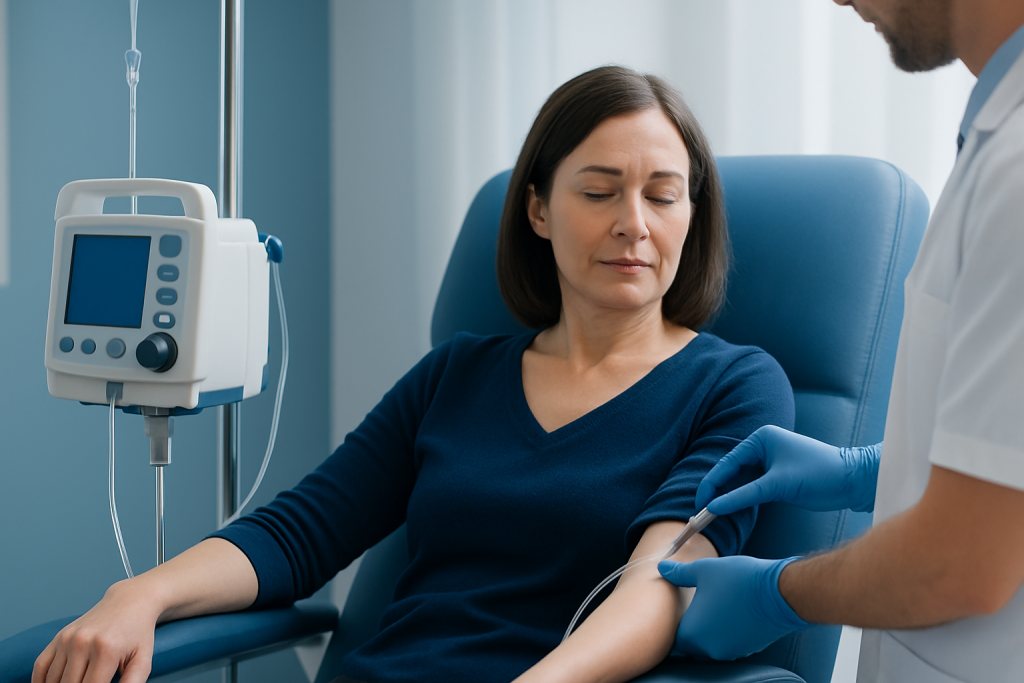
The symptoms of sideroblastic anemia are often similar to those of other anemias because they result from reduced oxygen delivery. Many people notice persistent tiredness, low energy, weakness, reduced exercise tolerance, or feeling short of breath with activities that were previously easy. Some also experience dizziness, headaches, pale skin, or a faster heartbeat.
Symptoms can develop gradually, especially in mild or chronic cases, so they may be mistaken for stress, aging, or poor sleep. In more significant anemia, people may find it harder to concentrate, feel more easily chilled, or notice chest discomfort during exertion. If the anemia is severe, symptoms tend to be more noticeable and disruptive.
Some people also have symptoms related to the underlying cause rather than anemia alone. For example, alcohol-related cases may be associated with poor nutrition or liver problems. Copper deficiency can occur in people with digestive disorders or after certain surgeries. Bone marrow disorders may cause easy bruising or frequent infections if other blood cell lines are also affected.
Iron overload can develop in some forms of sideroblastic anemia, particularly if the disorder is chronic or blood transfusions are needed. This may not cause symptoms at first, but over time excess iron can affect organs such as the liver, heart, and endocrine glands. That is one reason follow-up testing is important even when symptoms seem manageable.
Causes and Risk Factors
Sideroblastic anemia develops when red blood cell precursors cannot complete an important step in hemoglobin production. The iron enters the cells, but it does not get incorporated properly into heme, the iron-containing part of hemoglobin. This leaves iron stranded within the cells and reduces effective red blood cell production.
Causes are usually grouped into inherited and acquired forms. Inherited sideroblastic anemia is less common and often appears earlier in life. It is caused by gene changes that affect heme synthesis or mitochondrial function in developing red blood cells. Some inherited cases respond to vitamin B6, while others require more specialized management.
Acquired sideroblastic anemia is more common, especially in adults. It can be associated with alcohol use, certain medications, lead or toxin exposure, vitamin B6 deficiency, copper deficiency, and some chronic illnesses. It may also occur as part of a bone marrow disorder such as anemia related to myelodysplastic changes, where the marrow does not produce blood cells normally.
Risk factors depend on the underlying cause, but clinicians often consider the following:
- Family history of inherited blood disorders
- Long-term alcohol use
- Exposure to lead or industrial toxins
- Use of medications known to affect marrow function or vitamin metabolism
- Poor nutrition, malabsorption, or gastrointestinal surgery affecting copper or vitamin B6 levels
- Older age, which raises the likelihood of marrow-related acquired forms
Not every person with these risk factors will develop sideroblastic anemia. However, they provide useful clues and help doctors decide which tests are most appropriate.
How Doctors Diagnose Sideroblastic Anemia
Diagnosis starts with a medical history, symptom review, and physical examination. A doctor will ask about fatigue, diet, alcohol intake, medications, family history, workplace or environmental exposures, and any conditions that affect nutrient absorption. Since many forms of anemia can cause similar symptoms, testing is essential to identify the specific type.
Initial laboratory testing usually includes a complete blood count, reticulocyte count, and blood smear. These tests help show whether red blood cells are low in number and whether they appear unusually small, large, or varied in shape. Iron studies are especially important because sideroblastic anemia often shows normal or increased iron stores rather than iron deficiency.
Additional blood tests may look at vitamin B6 status, copper level, markers of inflammation, kidney and liver function, and in some cases lead levels or genetic testing. If there is concern about a bone marrow disorder, the doctor may recommend a bone marrow aspiration and biopsy. This can reveal ring sideroblasts and show whether there are changes suggestive of myelodysplastic syndrome or another marrow condition.
Sometimes the diagnostic process also includes evaluation by hematology specialists and advanced testing to rule out other blood conditions. Tests used in hematology evaluation and, when needed, bone marrow biopsy can help clarify the cause and guide management. A precise diagnosis matters because treatment for sideroblastic anemia is different from treatment for simple iron deficiency.
Treatment Options and Long-Term Management
Treatment for sideroblastic anemia depends on the cause, the severity of anemia, and whether iron overload is present. If a reversible trigger is identified, the first step is usually to remove or correct it. This may mean stopping alcohol use, changing a medication under medical supervision, treating a nutrient deficiency, or addressing toxin exposure. Many patients improve once the underlying issue is managed.
Some forms respond to vitamin therapy, especially pyridoxine, also known as vitamin B6. This is more likely in selected inherited forms and certain acquired cases, but it should be used under medical guidance rather than self-prescribed. If copper deficiency is the problem, copper replacement may be needed. In marrow-related acquired forms, treatment may focus on the underlying bone marrow disease and supportive care.
For people with more significant anemia, blood transfusions may be necessary to control symptoms and maintain safe hemoglobin levels. However, repeated transfusions can increase iron buildup in the body. In those cases, doctors may monitor ferritin and organ function and consider treatment to reduce excess iron. Supportive care may also include management through blood transfusion services and regular hematology follow-up.
When sideroblastic anemia is part of a broader marrow disorder, care may involve a multidisciplinary team. In selected patients, doctors may discuss therapies used for marrow failure syndromes or more advanced options such as bone marrow transplantation. Near the end of the care journey, some international patients may choose assessment at Acibadem International, where multidisciplinary specialists in JCI-accredited hospitals evaluate and treat complex blood disorders.
Daily Living, Prevention, and Self-Care
Self-care in sideroblastic anemia starts with understanding the cause. Unlike iron deficiency anemia, this condition is not usually solved by taking iron supplements, and taking iron without medical advice may be unhelpful or harmful. Patients are generally advised to follow the treatment plan set by their doctor and attend regular follow-up visits to monitor blood counts and iron levels.
Healthy habits can support overall well-being even though they do not replace medical treatment. These include eating a balanced diet, limiting or avoiding alcohol if advised, taking prescribed vitamins exactly as directed, and discussing every medication or supplement with a clinician. People who have had digestive surgery or malabsorption problems may need periodic nutritional monitoring.
Prevention is mainly relevant for acquired forms. Reducing exposure to lead and industrial toxins, using medications carefully, and addressing nutritional deficiencies early may lower risk in some cases. For families with inherited forms, genetic counseling can help clarify recurrence risk and what screening may be appropriate for relatives.
Living with chronic anemia can also affect daily routines. Pacing activities, staying hydrated, and planning rest periods may help manage fatigue. If symptoms change, become more noticeable, or interfere with daily life, the person should not assume it is just part of the condition; reassessment may reveal a worsening anemia or a new complication.
When to Seek Medical Care
Medical care should be sought if there are symptoms of anemia that persist for more than a short time, especially unusual tiredness, shortness of breath, weakness, dizziness, or paleness. An evaluation is also important if symptoms are getting worse, affecting daily activities, or occurring along with unexplained weight loss, bruising, or recurrent infections.
Urgent medical attention is needed if there is chest pain, fainting, severe shortness of breath, a very rapid heartbeat, or signs of serious weakness that make normal activity difficult. These symptoms do not always mean sideroblastic anemia is severe, but they do require prompt assessment to rule out dangerous causes and complications.
People already diagnosed with sideroblastic anemia should contact their doctor if they notice new symptoms, increasing fatigue, yellowing of the skin or eyes, abdominal discomfort, or concerns about medication side effects. Follow-up is also important after transfusions or if there is a history of iron overload, since complications can develop gradually.
Because sideroblastic anemia can have many causes, specialist review is often helpful. A hematologist can determine whether the condition is inherited, acquired, or part of a broader marrow disorder, and can tailor testing and treatment to the individual patient.
Frequently asked questions
Is sideroblastic anemia the same as iron deficiency anemia?
No. In iron deficiency anemia, the body lacks enough iron to make hemoglobin, while in sideroblastic anemia the body often has iron but cannot use it properly inside developing red blood cells. That distinction is important because treatment is different.
Can sideroblastic anemia be cured?
Some cases can improve significantly or resolve if the cause is reversible, such as a medication effect, alcohol-related toxicity, or a treatable nutrient deficiency. Other cases, especially inherited forms or those linked to bone marrow disorders, may need ongoing management rather than a permanent cure.
What are ring sideroblasts?
Ring sideroblasts are immature red blood cells seen in the bone marrow with iron collected in a ring around the nucleus. They are an important clue that the marrow is not using iron normally to make hemoglobin.
Should a person with sideroblastic anemia take iron supplements?
Not unless a doctor specifically recommends them. Many people with sideroblastic anemia already have normal or increased iron stores, so extra iron may not help and can contribute to iron overload.
Is sideroblastic anemia inherited?
It can be. Some people are born with genetic forms of sideroblastic anemia, but many adult cases are acquired later in life due to medications, alcohol use, nutritional deficiencies, toxins, or bone marrow disease.
Can sideroblastic anemia lead to complications?
Yes, especially if it is not diagnosed or monitored properly. Possible complications include worsening anemia, reduced quality of life from fatigue, and iron overload that may affect organs over time, particularly in people who need repeated transfusions.
References
- National Heart, Lung, and Blood Institute
- National Institute of Diabetes and Digestive and Kidney Diseases
- American Society of Hematology
- Merck Manual Professional Edition
- Mayo Clinic
This article is for general information only and is not a substitute for professional medical advice. Please consult a qualified doctor about your individual situation.
Anemia in Turkey — costs, top hospitals & a free quote
JCI-accredited · board-certified surgeons · reply within 24h
Add us as a Preferred Source to see more of our trusted health content across Google Search, AI Overviews and Discover.