Understanding Therapy: A Complete Patient Guide

Therapy includes several forms of treatment, such as physical, occupational, speech, and psychological therapy. The right therapy depends on a person’s symptoms, diagnosis, goals, age, and daily functioning.
Key Takeaways
- Therapy includes several forms of treatment, such as physical, occupational, speech, and psychological therapy.
- The right therapy depends on a person’s symptoms, diagnosis, goals, age, and daily functioning.
- Many people benefit most from a personalized plan that combines therapy with medical care, medication, or lifestyle changes.
- Progress in therapy is often gradual and measured by better function, reduced symptoms, and improved quality of life.
- A qualified healthcare professional can explain which type of therapy is appropriate and when further evaluation is needed.
Therapy is a broad term for structured treatment that helps a person recover, adapt, or function better after illness, injury, emotional distress, or developmental challenges. It may involve talking with a mental health professional, guided exercises, rehabilitation techniques, or other evidence-based methods tailored to individual needs.
What therapy means in healthcare
Therapy is professional treatment designed to improve health, functioning, or well-being. In medicine, the word can refer to many different approaches, including rehabilitation after injury, counseling for emotional difficulties, speech support for communication problems, or treatment that helps a person manage a long-term condition. The main goal is not only symptom relief, but also helping the person participate more fully in daily life.
Because therapy is such a broad term, it is best understood as a personalized process rather than one single treatment. A therapist or doctor first identifies the problem, then creates a plan based on the person’s needs, abilities, goals, and medical history. Some therapies focus on the body, some on emotions or behavior, and others on communication, learning, or independence.
Therapy can be short term or ongoing. For example, a person may need a few weeks of rehabilitation after surgery, while another may benefit from longer-term support for chronic pain, anxiety, or a neurological condition. In many situations, therapy works best as part of a larger care plan that may also include medical evaluation, medication, assistive devices, or lifestyle changes.
The main types of therapy
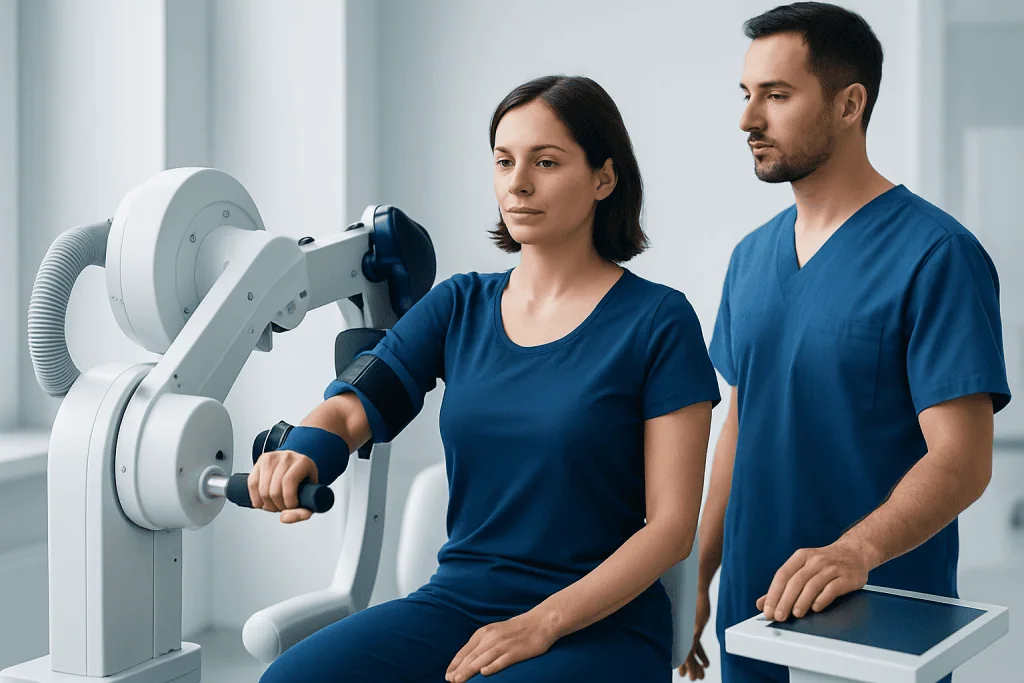
Several kinds of therapy are used in modern healthcare, and each serves a different purpose. Physical therapy helps improve movement, strength, balance, flexibility, and pain control. It is commonly used after injury, surgery, stroke, or for musculoskeletal problems such as back pain and arthritis. Occupational therapy focuses on daily activities such as dressing, cooking, handwriting, school tasks, or returning to work.
Speech and language therapy supports communication, speech clarity, language development, voice disorders, and swallowing difficulties. It may help children with developmental delays as well as adults recovering from stroke or neurological disease. Mental health therapy, often called psychotherapy or counseling, helps people understand thoughts, emotions, and behaviors, and develop healthier coping skills for challenges such as anxiety, depression, stress, trauma, or grief.
Other forms include respiratory therapy, cognitive rehabilitation, behavioral therapy, and specialized rehabilitation programs for complex conditions. In some cases, therapy is part of recovery after serious illness, such as stroke or neurodegenerative conditions like Parkinson’s disease. A doctor may also recommend structured rehabilitation after procedures, including robotic rehabilitation or physical therapy and rehabilitation when mobility or function is affected.
- Physical therapy: movement, strength, pain, and balance
- Occupational therapy: daily tasks, independence, and adaptation
- Speech therapy: speaking, language, voice, and swallowing
- Psychotherapy: emotional health, coping, and behavior change
- Rehabilitation therapy: recovery after injury, illness, or surgery
Who may benefit from therapy

Therapy can help people of all ages, from infants to older adults. A child may need therapy for delayed speech, sensory difficulties, or developmental concerns. A working adult may seek therapy after a sports injury, for persistent stress, or to regain function after surgery. An older adult may benefit from balance training, cognitive support, or help managing the effects of chronic disease.
Common reasons for therapy include pain that limits movement, difficulty performing daily tasks, changes in mood or sleep, communication problems, swallowing issues, memory changes, weakness after hospitalization, or reduced participation in work and social life. In some cases, therapy begins after a clear diagnosis. In others, symptoms are the first sign that further evaluation is needed.
Therapy is also helpful when the goal is not a cure but better function and quality of life. A person living with arthritis, chronic back pain, multiple sclerosis, or another long-term condition may use therapy to maintain mobility, conserve energy, and stay as independent as possible. Support may also involve family education so caregivers understand how to assist safely and effectively.
How therapy is assessed and planned
Effective therapy starts with a careful assessment. The healthcare professional asks about symptoms, medical history, daily routines, work or school demands, and the patient’s own goals. Depending on the type of therapy, the evaluation may include strength testing, range of motion, posture, balance, speech patterns, swallowing function, cognitive screening, or a discussion of mood, stress, and coping.
This assessment helps identify the main problem and whether therapy is the right next step. Sometimes a person can begin treatment right away. In other cases, additional tests or specialist input are needed first, especially if symptoms are unexplained, worsening, or linked to a more complex condition. Imaging, lab tests, neurological assessment, or mental health evaluation may be part of this process.
After the assessment, a treatment plan is developed with clear goals. These goals should be realistic and meaningful, such as walking safely, returning to work, speaking more clearly, reducing panic symptoms, or improving independence at home. Progress is reviewed regularly, and the plan is adjusted if the person improves, plateaus, or develops new needs. In multidisciplinary settings, therapists work together with physicians and other specialists to coordinate care.
What happens during therapy and how long it may take
A therapy session depends on the treatment type, but most follow a structured format. There is usually a review of symptoms and progress, followed by guided exercises, skills practice, education, or therapeutic techniques. For physical and occupational therapy, sessions may include stretching, strengthening, balance work, movement retraining, and practical task practice. For psychotherapy, sessions typically involve conversation, reflection, and evidence-based methods to improve coping and behavior patterns.
Therapy often includes home practice between sessions. This may involve exercises, posture changes, journaling, communication practice, stress-management techniques, or adapting the home or workplace. Regular practice matters because progress usually comes from repetition and consistency rather than a single visit. Patients often improve gradually over time.
The length of therapy varies widely. Some people need only a short course, while others continue for months as part of rehabilitation or long-term symptom management. Improvement may be measured by reduced pain, stronger movement, better confidence, improved mood, safer swallowing, clearer speech, or greater ability to manage everyday tasks. When recovery is complex, additional options such as occupational therapy or speech and language therapy may be added to support broader goals.
Benefits, limits, and common concerns
One of the main benefits of therapy is that it is goal-directed and personalized. It can reduce symptoms, improve strength or communication, support emotional resilience, and help people regain confidence after illness or injury. Therapy also teaches practical strategies that a person can continue using independently. This can make a lasting difference in everyday life.
At the same time, therapy is not an instant solution. Progress may be slow, especially when symptoms have been present for a long time or are related to chronic disease. Some sessions may feel challenging, and certain exercises or emotional discussions can temporarily feel uncomfortable. This does not necessarily mean therapy is failing, but concerns should always be discussed openly with the treating professional.
People sometimes worry that needing therapy means their condition is severe or permanent. In reality, therapy is often an early and constructive step in care. It can help clarify what is happening, support recovery, and prevent avoidable complications such as deconditioning, social withdrawal, falls, or loss of independence. The best results usually come when the patient, therapist, and doctor share clear expectations and communicate regularly.
Self-care and getting the most from therapy
Patients often play an active role in how successful therapy will be. Attending sessions regularly, practicing recommended exercises or techniques at home, and reporting changes honestly can all improve outcomes. Good sleep, balanced nutrition, hydration, stress management, and safe physical activity may also support recovery, depending on the condition being treated.
It is also useful to track what makes symptoms better or worse. For example, a person may notice that pain increases after prolonged sitting, or that anxiety becomes stronger during specific situations. This information helps the therapist adjust the plan. Family support can also be valuable, especially for children, older adults, or anyone recovering from stroke, surgery, or a neurological illness.
Patients should not start, stop, or change treatment on their own if symptoms are significant or the diagnosis is unclear. If exercises cause marked pain, dizziness, shortness of breath, or new weakness, they should pause and contact their healthcare team. Near the end of care, some centers, including Acibadem International, offer coordinated follow-up through multidisciplinary specialists in JCI-accredited hospitals for international patients who need diagnosis, rehabilitation, or continued treatment planning.
When to seek medical care
Therapy can be very helpful, but some symptoms need prompt medical assessment before or during treatment. A person should seek medical care if they develop sudden weakness, facial drooping, chest pain, severe shortness of breath, loss of consciousness, new confusion, seizures, high fever, or severe pain after an injury. These symptoms may point to an urgent condition rather than a problem that should be managed with routine therapy alone.
Medical review is also important when symptoms are persistent, worsening, or interfering with daily life. Examples include ongoing low mood, panic attacks, repeated falls, unexplained weight loss, swallowing problems, progressive memory changes, or pain that does not improve. Children with developmental regression, major communication difficulties, or feeding problems should also be evaluated by a qualified clinician.
If a person is already in therapy and notices no progress, increasing symptoms, or difficulty tolerating sessions, it is reasonable to ask for reassessment. Sometimes the diagnosis needs to be reviewed, goals need to be adjusted, or another specialist should be involved. Early communication helps therapy stay safe, appropriate, and useful.
Frequently asked questions
Is therapy the same as counseling?
Not always. Counseling usually refers to talking with a trained professional about emotional, behavioral, or relationship concerns, while therapy is a broader term that also includes physical, occupational, speech, and rehabilitation treatments. In mental health settings, the terms are sometimes used interchangeably.
How do doctors know which type of therapy a person needs?
The choice depends on symptoms, diagnosis, age, medical history, and daily challenges. A physical problem such as weakness or pain may call for rehabilitation, while emotional distress may be better addressed with psychotherapy. Some people benefit from more than one type at the same time.
How long does therapy usually take?
There is no single timeline. Some people improve after a few sessions, while others need weeks or months of regular treatment. The duration depends on the condition, the person’s goals, and how consistently therapy is followed.
Can therapy work without medication?
In some cases, yes. Many conditions improve with therapy alone, especially when the main issue involves movement, function, habits, coping skills, or recovery after injury. In other situations, therapy works best alongside medication or other medical treatments recommended by a doctor.
What if therapy feels difficult or emotional at first?
That can happen, especially in rehabilitation or mental health treatment. Learning new skills, rebuilding strength, or discussing stressful experiences may feel challenging in the beginning. Patients should tell their therapist how they are feeling so the approach can be adjusted safely and supportively.
Can children and older adults both benefit from therapy?
Yes. Therapy can be adapted for every stage of life, from early developmental support in children to balance, mobility, memory, or communication support in older adults. The goals and methods are tailored to the person’s age, abilities, and health needs.
References
- World Health Organization
- National Institute of Mental Health
- American Physical Therapy Association
- American Occupational Therapy Association
- American Speech-Language-Hearing Association
This article is for general information only and is not a substitute for professional medical advice. Please consult a qualified doctor about your individual situation.
Explore treatments in Turkey — costs, top hospitals & a free quote
JCI-accredited · board-certified surgeons · reply within 24h
Add us as a Preferred Source to see more of our trusted health content across Google Search, AI Overviews and Discover.